Home > Chemicals > Chemical Auxiliary & Catalyst > Chemical Auxiliary > What Safety Measures Should be Taken During the Transportation of ATMP?

What Safety Measures Should be Taken During the Transportation of ATMP?

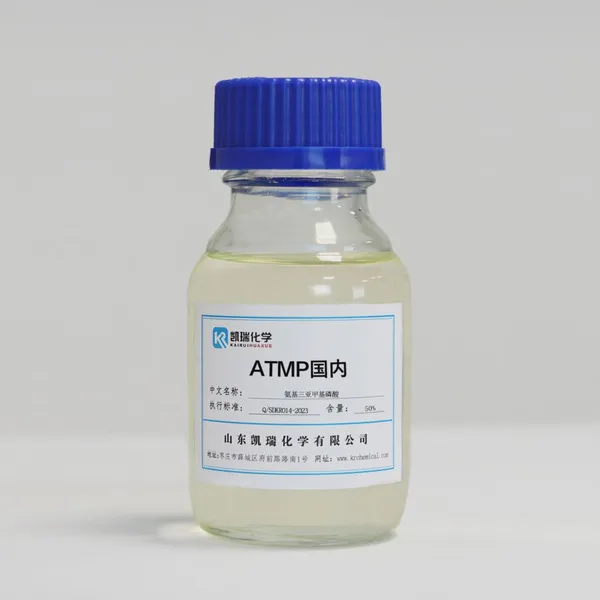
What Safety Measures Should be Taken During the Transportation of ATMP? photo-1
What Safety Measures Should be Taken During the Transportation of ATMP? photo-2
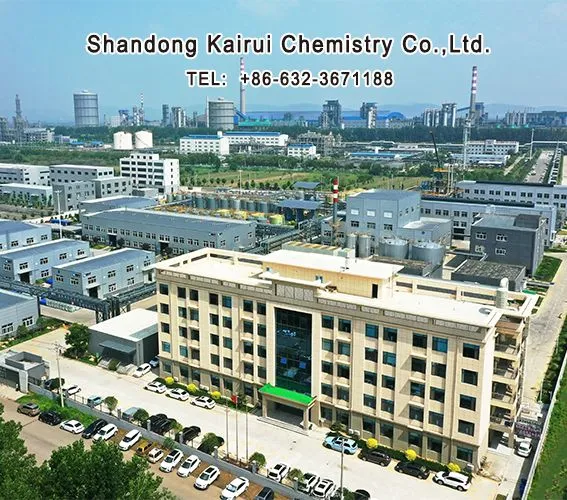
US$ 99 - 9999 MOQ: 1 Ton
Key Specifications
Get Latest Price
CAS No.:
6419-19-8
EINECS:
229-146-5
Transport Package:
https://www.kairuiwater.com/atmp.htm
Payment & Shipping
Payment Methods:
Port of Shipment:
QINGDAO,SHANGHAI
Delivery Detail:
15 days
CAS No. 6419-19-8
EINECS 229-146-5
Transport Package https://www.kairuiwater.com/atmp.htm
Trademark https://krwater.com/01-ATMP.htm

When transporting ATMP (Aminotris(methylenephosphonic acid)) and its salts, such as ATMP•Kx (Potassium salt of aminotris(methylenephosphonic acid)), safety is a top priority due to its potential hazards, including corrosive properties and environmental impact. Proper handling, storage, and transportation measures are essential to minimize risks. Here are key safety measures to follow during the transportation of ATMP:

1. Labeling and Packaging
  • Proper Labeling: ATMP and its salts should be clearly labeled with appropriate hazard symbols and warnings according to regulations such as the Globally Harmonized System of Classification and Labeling of Chemicals (GHS). Labels should include:

    • Corrosive (if applicable, based on concentration).

    • Environmental Hazard (for any impact on aquatic life or water sources).

    • Handling Instructions: Clear instructions on protective gear and emergency actions.

  • Packaging:

    • Use corrosion-resistant containers (e.g., HDPE, stainless steel) that can withstand the corrosive nature of ATMP, especially in liquid form.

    • Ensure that the packaging is leak-proof, spill-proof, and secured to prevent movement or damage during transit.

    • Containers should be tightly sealed to avoid exposure to moisture, which could lead to the degradation of the compound.

2. Transport Route and Conditions
  • Temperature Control: While ATMP is stable at ambient temperatures, ensure that it is not exposed to extreme heat or cold, which could affect its stability. Transporting in a temperature-controlled environment is recommended, especially for larger quantities or in extreme climates.

  • Ventilation: Ensure that transportation vehicles (e.g., trucks or containers) are well-ventilated to prevent the accumulation of fumes or vapors that could pose inhalation hazards.

  • Avoid Sunlight: If transporting in bulk or large containers, avoid direct sunlight or heat sources, as prolonged exposure can degrade ATMP.

3. Transport Documentation
  • Safety Data Sheet (SDS): Always have an up-to-date SDS available during transportation. This document should contain detailed information on hazards, safe handling procedures, emergency responses, and first aid measures.

  • Shipping Manifest: Include the chemical’s identification number (UN number), product name, hazard classification, and emergency contact information.

  • Emergency Response Plan: In case of accidents, leaks, or spills, ensure that the shipping company has access to an emergency response plan, including the required chemicals for neutralization or cleanup.

4. Personal Protective Equipment (PPE) for Personnel
  • Gloves: Wear chemical-resistant gloves (e.g., rubber, neoprene) to avoid skin contact with ATMP.

  • Protective Clothing: Wear full-body protective clothing (lab coats, coveralls) to prevent contamination.

  • Eye Protection: Always use safety goggles or face shields to protect eyes from accidental splashes.

  • Respirators: In cases where there is a risk of exposure to airborne particles or vapors (especially in confined spaces), use an appropriate respirator (e.g., N95 or better, depending on the exposure).

  • Footwear: Use chemical-resistant boots to prevent skin contact with spills.

5. Spill and Leak Prevention
  • Spill Containment Kits: Transport vehicles should be equipped with spill containment kits, including absorbent materials (e.g., sand, vermiculite), neutralizing agents (if applicable), and containment barriers.

  • Leak Detection: Check all containers for leaks or signs of damage before shipment. Ensure that all seals and valves are tightly secured.

  • Emergency Spill Response: In the event of a spill, ensure that the personnel on-site are trained to contain and neutralize the spill. For liquid spills, use absorbent materials to prevent the spread of ATMP and neutralize the acid if needed with a suitable base, like sodium bicarbonate or lime.

6. Avoiding Mixing with Incompatible Materials
  • Incompatible Chemicals: Ensure that ATMP is not transported with incompatible materials. ATMP may react with strong bases or oxidizing agents, leading to dangerous chemical reactions. Examples of incompatible substances include:

    • Alkaline materials (e.g., sodium hydroxide, potassium hydroxide).

    • Oxidizing agents (e.g., chlorine bleach, hydrogen peroxide).

  • Separation in Storage: When transporting ATMP with other chemicals, ensure they are stored separately to avoid unintentional reactions.

7. Handling of Empty Containers
  • Empty Container Precautions: Even when empty, ATMP containers may still contain residues that can be harmful. Always treat empty containers as if they contain the original substance, and follow proper disposal or cleaning procedures before discarding or reusing the container.

  • Label Empty Containers: Mark empty containers as “empty, but may still contain hazardous residues” to alert personnel of potential risks.

8. Transport Vehicle Safety
  • Vehicle Inspection: Ensure that transport vehicles are properly inspected before use. This includes checking for any signs of leaks, damage, or wear on containers.

  • Separation from Living Spaces: The vehicle should be designed to keep the product separate from living quarters or other non-chemical cargo to avoid exposure in case of leaks or spills.

9. Emergency Preparedness
  • First Aid Measures: Ensure that transport personnel are familiar with the first aid measures for exposure to ATMP, such as:

    • Skin Contact: Wash immediately with soap and water. Seek medical attention if irritation persists.

    • Eye Contact: Rinse immediately with water for at least 15 minutes, lifting eyelids periodically. Seek medical attention immediately.

    • Inhalation: Move the affected person to fresh air. Seek medical attention if symptoms persist.

    • Ingestion: Do not induce vomiting. Seek medical attention immediately.

  • Fire Extinguishers: Transport vehicles should be equipped with appropriate fire extinguishers in case of a fire. While ATMP itself is not flammable, materials used in packaging or associated with other substances in transit may present a fire risk.

10. Regulatory Compliance
  • Compliance with Regulations: Ensure transportation is in compliance with international and national regulations, such as:

    • UN Transportation Standards (UN 2921 for corrosive substances, if applicable).

    • Hazardous Materials Regulations (HMR) by local authorities (e.g., U.S. DOT, IATA for air transport, ADR for road transport in Europe).

    • REACH (Registration, Evaluation, Authorization, and Restriction of Chemicals) compliance in Europe for safe transportation and handling.

Summary of Key Safety Measures:
  1. Proper labeling and packaging of ATMP with appropriate hazard symbols.

  2. Ensure temperature control and ventilation during transport.

  3. Personal protective equipment (PPE) for handling and potential exposure.

  4. Spill containment and emergency response plans in place.

  5. Ensure separation from incompatible chemicals during transport.

  6. Vehicle inspection and emergency preparedness measures.

By following these safety measures, the transportation of ATMP can be conducted with minimal risk to people, the environment, and property.

Product Tags: ATMP , Corrosion Inhibitors

Send Inquiry to This Supplier

Message
0/5000

Want the best price? Post an RFQ now!
Verified Business License
Business Type
Manufacturer
Year Established
2011
Factory Size
5,000-10,000 square meters
Annual Export Value
US$10 Million - US$50 Million