Contact Platform Support
 Help Center
What is the Specific Application of HEDP in Metal Corrosion Protection?



Related Products
-
 HMDTMPA/Water Treatment Chemicals/Corrosion Inhibitors/HMDTMPA ManufacturersUS$ 99 - 9999MOQ: 1 Ton
 -
Chemical PCA/Dispersants PCA/PCANegotiableMOQ: 1 Ton
-
PASP Manufacturer/Dispersants PASPNegotiableMOQ: 1 Ton
-
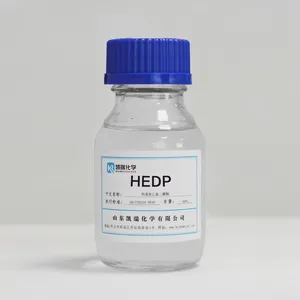
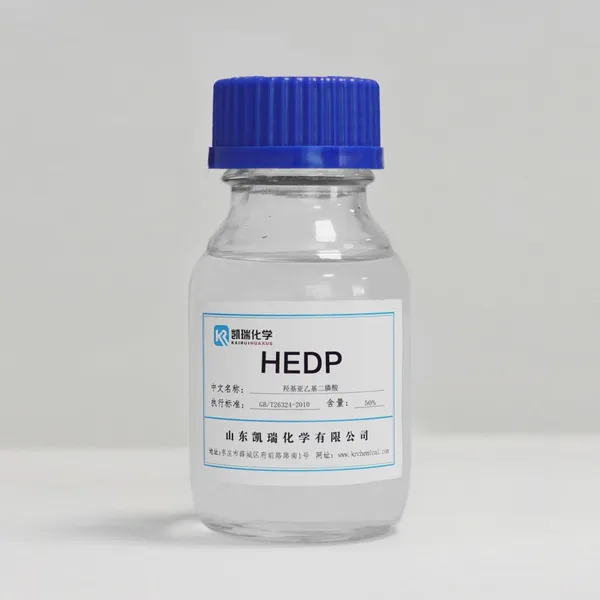
1-Hydroxy Ethylidene-1,1-Diphosphonic Acid (HEDP)NegotiableMOQ: 1 Short Ton
-
Amino Trimethylene Phosphonic Acid (ATMP)NegotiableMOQ: 1 Ton
HEDP (1-Hydroxy Ethylidene-1,1-Diphosphonic Acid) is widely used in metal corrosion protection due to its excellent chelating, scale inhibition, and corrosion inhibition properties. It forms a protective layer on metal surfaces, preventing corrosion caused by water, oxygen, and other corrosive agents. Below are the specific applications of HEDP in metal corrosion protection:
1. Industrial Cooling Water Systems
Application:
HEDP is added to cooling water systems to protect metal components (e.g., heat exchangers, pipelines, and pumps) from corrosion.
Mechanism:
HEDP forms a thin, stable film on metal surfaces, which acts as a barrier against corrosive ions (e.g., Cl⁻, SO₄²⁻) and oxygen.
It also chelates metal ions (e.g., Ca²⁺, Mg²⁺) to prevent scale formation, which can lead to localized corrosion.
Benefits:
Extends the lifespan of cooling system components.
Improves heat transfer efficiency by preventing scaling and corrosion.
2. Boiler Water Treatment
Application:
HEDP is used in boiler systems to protect metal surfaces (e.g., boiler tubes, drums) from corrosion and scaling.
Mechanism:
It inhibits the formation of scales (e.g., calcium carbonate, calcium sulfate) that can cause under-deposit corrosion.
HEDP forms a protective layer on metal surfaces, reducing the attack of dissolved oxygen and other corrosive agents.
Benefits:
Enhances boiler efficiency and reduces energy consumption.
Minimizes maintenance costs and downtime.
3. Oilfield Water Injection Systems
Application:
HEDP is added to water injection systems in oilfields to protect pipelines and equipment from corrosion.
Mechanism:
It prevents the deposition of scales (e.g., calcium carbonate, barium sulfate) that can lead to localized corrosion.
HEDP forms a protective film on metal surfaces, reducing the impact of corrosive ions (e.g., Cl⁻, H₂S) in the injected water.
Benefits:
Extends the service life of pipelines and equipment.
Improves the efficiency of water injection operations.
4. Metal Cleaning and Pretreatment
Application:
HEDP is used in metal cleaning and pretreatment processes to remove rust and scale while providing temporary corrosion protection.
Mechanism:
It chelates metal ions (e.g., Fe²⁺, Fe³⁺) to dissolve rust and scale.
HEDP forms a protective layer on the cleaned metal surface, preventing re-corrosion before further treatment (e.g., painting, coating).
Benefits:
Improves the adhesion and durability of subsequent coatings.
Reduces the risk of corrosion during storage or transportation.
5. Closed-Loop Systems
Application:
HEDP is used in closed-loop heating or cooling systems to protect metal components from corrosion.
Mechanism:
It forms a protective film on metal surfaces, reducing the impact of dissolved oxygen and other corrosive agents.
HEDP also inhibits scale formation, which can cause under-deposit corrosion.
Benefits:
Extends the lifespan of system components.
Maintains system efficiency by preventing scaling and corrosion.
6. Acid Cleaning and Pickling
Application:
HEDP is added to acid cleaning or pickling solutions to protect metals (e.g., steel, copper) from over-corrosion during the process.
Mechanism:
It forms a protective layer on metal surfaces, reducing the attack of acidic solutions.
HEDP also chelates metal ions to prevent the re-deposition of dissolved metals.
Benefits:
Provides uniform cleaning without damaging the metal surface.
Reduces acid consumption and waste generation.
7. Combination with Other Corrosion Inhibitors
Application:
HEDP is often used in combination with other corrosion inhibitors (e.g., zinc salts, phosphates) to enhance protection.
Mechanism:
HEDP synergizes with other inhibitors to form a more robust and stable protective film on metal surfaces.
It improves the dispersion and effectiveness of other inhibitors in the system.
Benefits:
Provides comprehensive protection against various types of corrosion (e.g., pitting, crevice corrosion).
Reduces the overall dosage of chemicals required.
Key Advantages of HEDP in Metal Corrosion Protection
High Efficiency:
HEDP provides excellent corrosion protection at low concentrations (typically 5-50 mg/L).
Broad Compatibility:
It is compatible with various metals (e.g., carbon steel, copper, stainless steel) and other water treatment chemicals.
Environmental Friendliness:
HEDP is biodegradable and has low toxicity, making it environmentally safe.
Thermal and Chemical Stability:
It remains effective under high temperatures, high pH, and high salinity conditions.
Usage Guidelines
Dosage:
The dosage of HEDP depends on the specific application and water quality. Typical dosages range from 5 to 50 mg/L.
Monitoring:
Regularly monitor water quality parameters (e.g., pH, hardness, ion concentration) and corrosion rates to optimize HEDP performance.
Safety:
Handle HEDP with care, wearing protective gloves and goggles. Avoid direct contact with skin and eyes.
Conclusion
HEDP is a versatile and effective corrosion inhibitor widely used in industrial cooling systems, boiler water treatment, oilfield operations, metal cleaning, and more. Its ability to form a protective film, inhibit scale formation, and chelate metal ions makes it an essential component in metal corrosion protection strategies. By using HEDP properly, industries can significantly extend the lifespan of metal equipment, improve operational efficiency, and reduce maintenance costs.

Send Inquiry to This Supplier


You May Also Like
-
2-Phosphonobutane -1,2,4-Tricarboxylic Acid (PBTC)NegotiableMOQ: 1 Ton
-
Diethylene Triamine Penta (Methylene Phosphonic Acid) (DTPMPA)US$ 99 - 9999MOQ: 1 Ton
-
Water Treatment Chemical/Ethylene Diamine Tetra (Methylene Phosphonic Acid) EDTMPA (Solid)NegotiableMOQ: 1 Ton
-
Water Treatment Chemical/2-Hydroxy Phosphonoacetic Acid (HPAA)/CAS No. 23783-26-8NegotiableMOQ: 1 Ton
-
Water Treatment Chemical/Polyamino Polyether Methylene Phosphonic Acid(PAPEMP)/CAS No. 130668-24-5NegotiableMOQ: 1 Ton
-
Water Treatment Chemical/Bis(HexaMethylene Triamine Penta (Methylene Phosphonic Acid)) BHMTPMPANegotiableMOQ: 1 Ton
-
Water Treatment Chemical/Hydroxyethylamino-Di(Methylene Phosphonic Acid) (HEMPA)NegotiableMOQ: 1 Ton
-
Water Treatment/HexaMethyleneDiamineTetra (MethylenePhosphonic Acid) HMDTMPANegotiableMOQ: 1 Ton
-
Things to Note When Using ATMP/ATMP Corrosion Inhibitors/Chelating AgentsNegotiableMOQ: 1 Ton
-
Things to Note in HEDP Applications/scale Inhibition HEDP/Scale InhibitionNegotiableMOQ: 1 Ton