








 Contact Platform Support
 Help Center
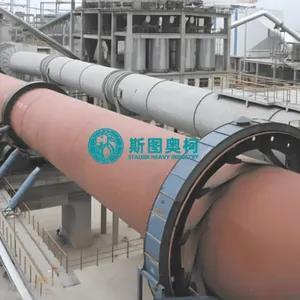
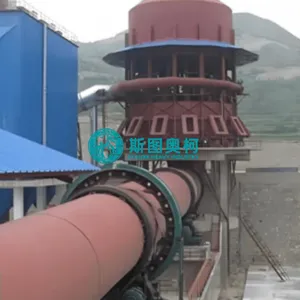
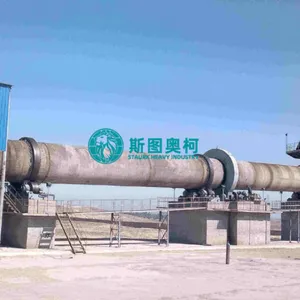
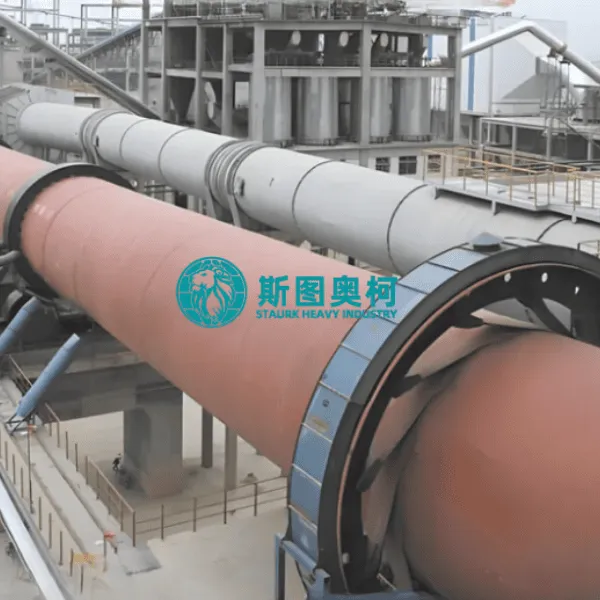
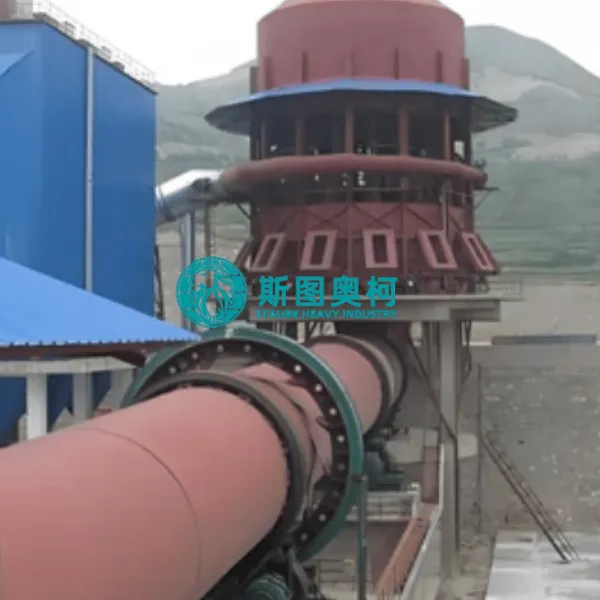
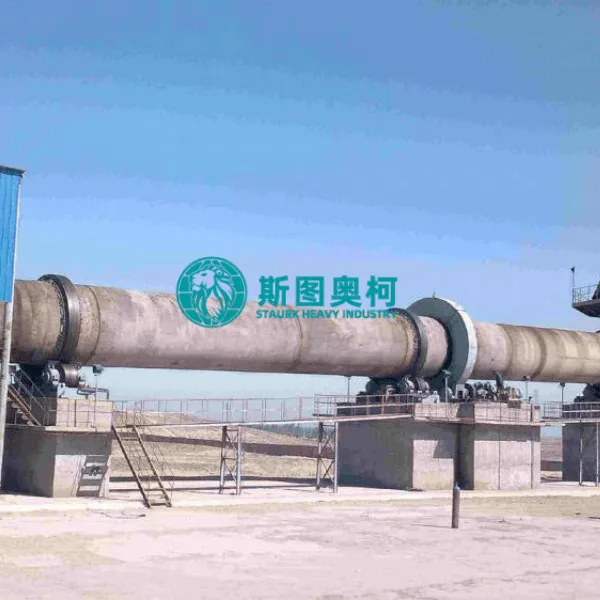
Rotary Kiln for Kaolin Processing Plant 200 Tpd



Related Products
-
 Rotary Kiln for Mineral Powder Calcination 300 TpdUS$ 2000MOQ: 1 Set
 -
Flotation Cell for Gold Ore Processing PlantNegotiableMOQ: 1 Set
-
Flotation Cell for Copper Mining PlantNegotiableMOQ: 1 Set
-
Flotation Cell for Zinc Ore BeneficiationNegotiableMOQ: 1 Set
-
Flotation Cell Machine for Mineral ProcessingNegotiableMOQ: 1 Set
rotary kiln for kaolin processing plant 200 tpd
| 1. Product Introduction |
A Kaolin Rotary Kiln (also known as a kaolin calcining kiln) is specialized thermal processing equipment used to calcine kaolin clay at high temperatures. The 200 TPD capacity is an ideal, highly popular medium-scale solution for industrial mineral processing plants, balancing manageable capital investment with high operational efficiency.
Calcination is a critical step in kaolin processing. By heating the raw kaolin to temperatures typically ranging from 700°C to 1000°C, the chemically bound water is driven off, transforming it into calcined kaolin. This process drastically improves the whiteness, abrasiveness, electrical properties, and chemical stability of the final product, making it premium-grade raw material for paper coating, high-end paints, rubber, plastics, and ceramics.
| 2. Working Principle |
The rotary kiln operates as a counter-current heat exchanger, where the material flows in the opposite direction of the hot flue gas.
Step-by-Step Process:
Feeding: Raw, dewatered kaolin powder or pellets are continuously fed into the kiln through the kiln tail (higher end) via a screw conveyor or chute.
Heating & Rotation: The kiln cylinder is installed at a slight incline (typically 3% to 4%) and rotates slowly. As the cylinder rotates, the kaolin moves down toward the lower end (kiln head) due to gravity and the tilt.
Calcination: A burner located at the kiln head (lower end) blasts a flame into the kiln, creating a high-temperature zone. As the kaolin travels down, it passes through different temperature zones (drying, pre-heating, and calcining), where it undergoes phase transformation and moisture removal.
Discharge & Cooling: The calcined kaolin is discharged from the kiln head into a rotary cooler to lower its temperature, while the recovered heat is often recycled back into the kiln as secondary air to save energy.
| 3. Industrial Line Advantages |
🌟 High Product Quality & Whiteness
Uniform Calcination: The continuous tumbling motion ensures every particle of kaolin receives equal heat exposure, eliminating under-firing or over-firing.
Superior Whiteness: Advanced temperature control prevents the iron and titanium impurities in kaolin from discoloring, resulting in a final product with high whiteness and gloss.
⚙️ Optimized Capacity for Medium Enterprises
The "Sweet Spot" Scale: A 200 TPD capacity is large enough to achieve economies of scale and meet steady market demands, yet flexible enough to be shut down or adjusted for maintenance without massive financial penalties compared to 1000+ TPD mega-kilns.
🍃 Energy Efficient & Environmentally Friendly
Heat Recovery Systems: Modern 200 TPD systems integrate preheaters and coolers that recycle waste heat, significantly lowering fuel consumption (coal, natural gas, or oil).
Dust Control: Equipped with advanced bag filters or electrostatic precipitators (ESP) to capture ultra-fine kaolin dust, ensuring strict compliance with local environmental regulations.

Send Inquiry to This Supplier



You May Also Like
-
Mining Flotation Cell Equipment for SaleNegotiableMOQ: 1 Set
-
Flotation Cell Supplier for Mining PlantNegotiableMOQ: 1 Set
-
Flotation Cell Manufacturer From ChinaNegotiableMOQ: 1 Set
-
High Efficiency Flotation Cell for Ore RecoveryNegotiableMOQ: 1 Set
-
Industrial Flotation Cell for Mineral SeparationNegotiableMOQ: 1 Set
-
Flotation Cell for Lead Zinc Ore ProcessingNegotiableMOQ: 1 Set
-
Flotation Cell for Polymetallic Ore PlantNegotiableMOQ: 1 Set
-
Flotation Cell for Sulfide Ore BeneficiationNegotiableMOQ: 1 Set
-
Flotation Cell for Gold Silver Ore RecoveryNegotiableMOQ: 1 Set
-
Flotation Cell for Copper Concentrator PlantNegotiableMOQ: 1 Set


