Contact Platform Support
 Help Center
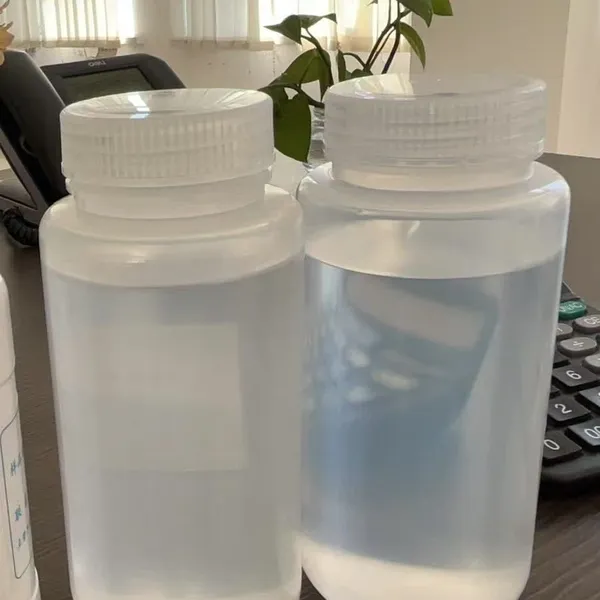
Colourless MonopropyleneGlycol(MPG) USP Purity99
Product Spotlights



Related Products
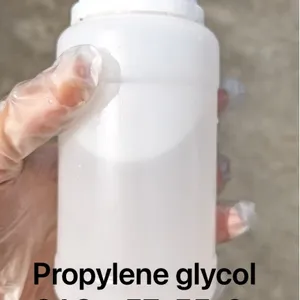
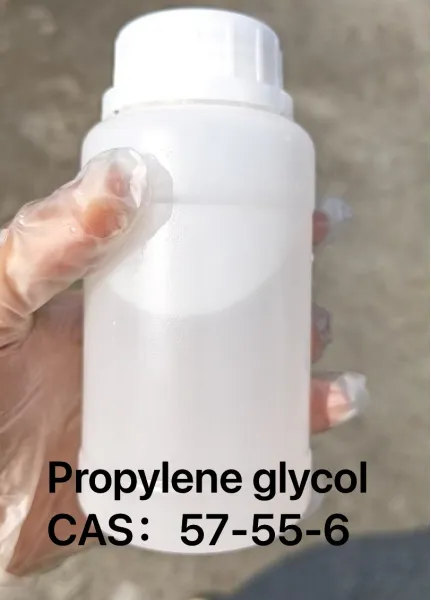
Propylene glycol
Also known as: propylene glycol
CAS number: 57-55-6
HS code: 2905320000
Molecular formula: C3H8O2
Molecular weight: 76.09
Storage: Keep in a cool, dry place, avoid sunlight and rain
Shelf life: 2 years Standard: GB29216-2012
Properties:
Flammable liquid. Hygroscopic and non-corrosive to metals. Reacts with dibasic acids to form polyesters, reacts with nitric acid to form nitrate esters, reacts with hydrochloric acid to form chloroalcohols. Converts to propionaldehyde when heated with dilute sulphuric acid at 170℃. Oxidation with nitric or chromic acid produces glycolic acid, oxalic acid, acetic acid, etc. Reacts with aldehydes to form acetals. 1,2-propanediol dehydrates to form propylene oxide or polyethylene glycol.
Uses:
Propylene glycol is an important raw material for unsaturated polyester, epoxy resin, polyurethane resin, plasticisers and surfactants, with usage in this area accounting for about 45% of total propylene glycol consumption. This unsaturated polyester is widely used in surface coatings and reinforced plastics.
Propylene glycol has good viscosity and hygroscopicity and is non-toxic, so it is widely used as a humectant, antifreeze, lubricant and solvent in the food, pharmaceutical and cosmetic industries.
In the food industry, propylene glycol reacts with fatty acids to form propylene glycol esters of fatty acids, mainly used as food emulsifiers; propylene glycol is an excellent solvent for flavourings and colourings.
It is used in the food industry as a solvent for flavours and edible colours. In the pharmaceutical industry, propylene glycol is commonly used as a solvent, softening agent and excipient for ointments and pastes and serves as a compounding agent, preservative and solvent for ointments, vitamins, penicillin and other products. Due to its good miscibility with various fragrances, it is also used as a solvent and softening agent in cosmetics.
Propylene glycol is also used as a humectant, antifungal agent, lubricant for food processing equipment and solvent for food marking inks. Aqueous solutions of propylene glycol are effective antifreeze agents. It is also used as a tobacco humectant, antifungal agent, ripening preservative for fruits, antifreeze and heat transfer medium. For organic synthesis, it is used as a solvent, dehydrating agent, plasticiser, antifreeze and gas chromatography stationary phase.
In toothpaste and cosmetics, it can be combined with glycerol or sorbitol to serve as a humectant.


Send Inquiry to This Supplier


You May Also Like
-
Isocetyl Stearoyl StearateNegotiableMOQ: 180 Kilograms
-
Polyvinyl Alcohol PVA CAS No.9002-89-5NegotiableMOQ: 1 Kilogram
-
Polyvinyl AlcohoLNegotiableMOQ: 1 Kilogram
-
Polysorbate 80NegotiableMOQ: 1 Kilogram
-
Tween 60/ Polysorbate Ester 60NegotiableMOQ: 1 Kilogram
-
Sodium Alcohol Ether Sulphate BiodegradationNegotiableMOQ: 1 Kilogram
-
Ethoxylated Hydrogenated Castor Oil(CAS :61788-85-0)CO40 ,HEL40US$ 1.98 - 2.08MOQ: 1 Kilogram
-
Colourless MonopropyleneGlycol(MPG) USP Purity99NegotiableMOQ: 180 Kilograms
-
Skin MoisturizerUS$ 0.5 - 3MOQ: 5000 Pieces
-
Factory Sale Cherry Flavour Essence Powder for Cherry Sauce Seasonings Baking Etc. the Taste Is Real and LastingUS$ 1 - 30MOQ: 1 Kilometer