








 Contact Platform Support
 Help Center
CB/T3191 Marine Ball Valve for FPSO, Forged Steel Body, DN15-DN80, PN16MPa Rated
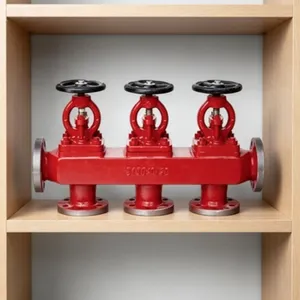
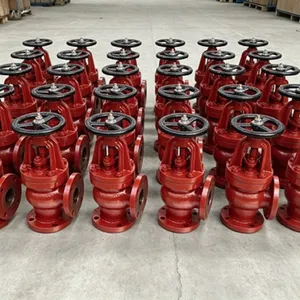
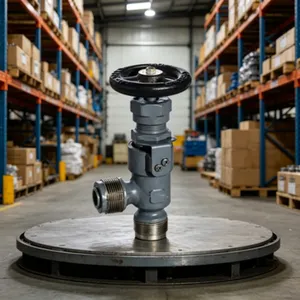
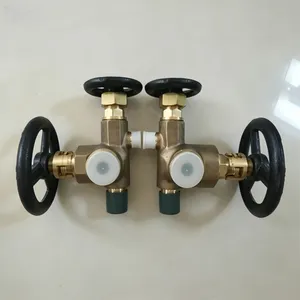
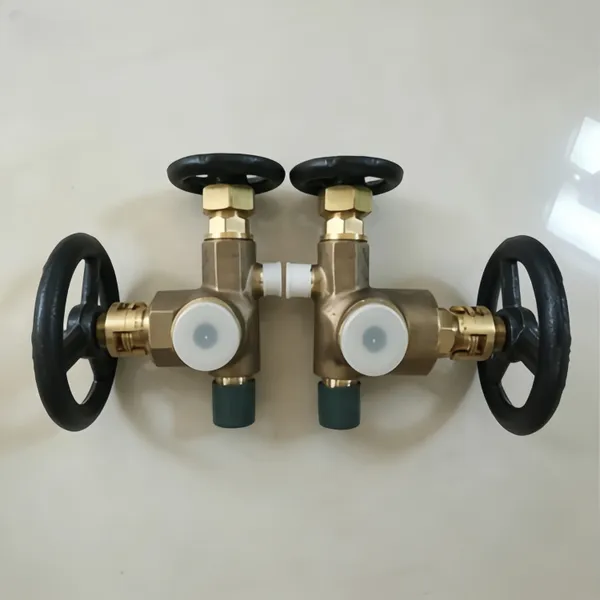
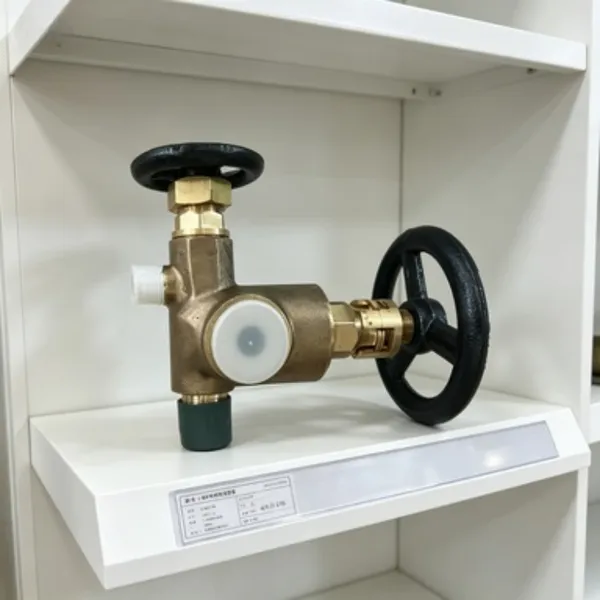
Product Spotlights



Related Products
-
 CB/T3191 Marine Ball Valve for FPSO Crude Oil and Gas Transfer Lines, Fire-SafeNegotiableMOQ: 1 Unit
 -
FPSO Marine Ball Valve CB/T3191, Extended Warranty on Body and Seat, Technical SupportNegotiableMOQ: 1 Unit
-
FPSO Service Ball Valve, Compliant With CB/T3191, Forged Steel, 2-Piece Design, PN10-PN16NegotiableMOQ: 1 Unit
-
CB/T3191 Marine Ball Valve for FPSO, 100% Pressure Tested, Mill Test Report ProvidedNegotiableMOQ: 1 Unit
-
Ball Valve for FPSO Seawater Cooling Systems, CB/T3191 Marine Standard, Corrosion ResistantNegotiableMOQ: 1 Unit
As a specialized manufacturer of industrial valves, Shanghai Zhibang Valve Manufacture Co., Ltd. is proud to present our high-performance CB/T3191 Marine Ball Valve, engineered specifically for the demanding conditions of Floating Production Storage and Offloading (FPSO) units and other marine applications. Established in 2016 and backed by ISO9001 certification, we combine rigorous manufacturing standards with deep industry knowledge to deliver valves that ensure reliability, safety, and longevity in critical offshore operations. This forged steel ball valve is designed to handle high-pressure fluids with precision, offering superior sealing and corrosion resistance where failure is not an option. Trust Zhibang to be your partner for robust fluid control solutions that stand up to the challenges of the sea.
The core of this valve's reliability lies in its forged steel construction. Forging aligns the metal's grain structure, resulting in superior mechanical properties compared to cast bodies, including higher tensile strength, better impact resistance, and enhanced integrity under cyclic loading—a critical factor for FPSO applications subject to constant motion and stress. The valve is manufactured in strict compliance with the CB/T3191 standard, a Chinese national standard specifically for marine valves, ensuring it meets the necessary requirements for material, design, pressure-temperature ratings, and testing relevant to maritime environments.
Key Technical Specifications & Advantages:
- Robust Pressure Handling: Rated at PN16 MPa (approximately 2320 psi), this valve is built for high-pressure service lines common in FPSO processes like oil and gas separation, water injection, and fuel gas systems.
- Precise Size Range: Available from DN15 (½") to DN80 (3"), covering a wide spectrum of pipeline needs for instrumentation, utility, and process lines onboard.
- Superior Sealing Performance: Utilizes advanced seat materials such as PTFE or reinforced polymers, providing bubble-tight shut-off and excellent chemical resistance against seawater, crude oil, and production chemicals.
- Corrosion & Erosion Resistance: The forged steel body, often with protective coatings or made from specific grades like A105 or F316, combined with chrome-plated or stainless steel balls, resists the corrosive marine atmosphere and erosive particles in flow media.
- Versatile End Connections & Actuation: Offered with flanged (RF/RTJ), threaded (NPT/BSP), or butt-weld ends to suit your piping design. Operation can be via manual lever, gearbox for high-torque applications, or automated with pneumatic, hydraulic, or electric actuators for remote control.
- Enhanced Safety Features: Options include a fire-safe design compliant with API 607/6FA, where the valve maintains a seal even if the soft seats are damaged by fire. Anti-static devices and blow-out proof stems are standard for safety in hydrocarbon service.
The table below outlines typical configurations and material options:
| Parameter | Specification / Option |
| Body Material | Forged Carbon Steel (A105), Forged Stainless Steel (F316/F304) |
| Ball Material | Chrome Plated Carbon Steel, Stainless Steel 316/304 |
| Seat & Seal Material | PTFE, Reinforced PTFE (RPTFE), PEEK, Metal (for high temp) |
| Stem Material | Stainless Steel (17-4PH, 316SS) with Blow-Out Proof Design |
| Temperature Range | -29°C to +200°C (with PTFE seats); Higher ranges available |
| Testing Standard | Shell Test, Seat Test per CB/T3191, API 598, or ISO 5208 |
Benefits for Your FPSO Project:
- Reduced Lifecycle Cost: The durability of forged steel and quality sealing minimizes maintenance frequency, unplanned downtime, and replacement costs over the vessel's lifespan.
- Operational Safety & Compliance: Adherence to marine standards and optional fire-safe certification helps your project meet stringent international safety regulations for offshore platforms.
- Flexibility in Integration: The range of sizes, pressure ratings, end connections, and actuation methods allows for seamless integration into both new builds and retrofit projects.
- Reliable Performance in Harsh Conditions: Engineered to withstand vibration, salinity, wide temperature fluctuations, and high pressure, ensuring consistent operation critical to FPSO processes.
Shanghai Zhibang Valve has built a reputation for quality that resonates across global markets, from North America and Western Europe to Southeast Asia and Africa, with an annual export value reflecting strong international trust. Our ISO9001-certified processes guarantee that every CB/T3191 Marine Ball Valve is subjected to rigorous material inspection, dimensional checks, and pressure testing before shipment from major ports like Shanghai, Guangzhou, or Hong Kong. We understand the critical nature of offshore equipment, and our valve is a product of that understanding—designed not just to function, but to endure. Choose a valve supplier with proven export experience and a commitment to marine-grade quality. Contact us today for a detailed quotation, technical datasheets, or to discuss custom requirements for your specific FPSO or marine application.
Frequently Asked Questions (FAQ):
-
Q: What does "CB/T3191" mean, and is it recognized internationally?
A: CB/T3191 is a Chinese national standard ("CB" stands for Shipbuilding) specifically for marine valves. It defines requirements for design, manufacture, testing, and inspection for valves used on ships and offshore structures. While it is a Chinese standard, its technical requirements are often aligned with or equivalent to recognized international norms for marine applications, making it suitable for global FPSO projects. Full certification documentation is available upon request. -
Q: Why is forged steel preferred over cast steel for FPSO ball valves?
A: Forged steel offers a denser, more homogeneous grain structure with fewer internal defects compared to cast steel. This results in higher strength, better impact and fatigue resistance, and superior performance under the dynamic stresses, vibrations, and pressure cycling typical on a floating vessel like an FPSO. It enhances valve integrity and safety in critical service. -
Q: Can this valve be supplied with actuators for remote operation?
A: Yes, absolutely. This ball valve is designed to be compatible with various actuation systems. We can supply it as a manual valve or pre-assembled with pneumatic (double-acting or spring-return), hydraulic, or electric actuators. The mounting interface is standardized (ISO 5211), allowing for flexibility in actuator selection and sourcing. -
Q: Is the valve suitable for seawater service?
A: Yes, with the correct material selection. For seawater service, we recommend specifying a body material like forged stainless steel 316 or 316L for superior chloride corrosion resistance. Combined with appropriate seat materials (e.g., RPTFE, PEEK) and internal components, the valve can provide reliable long-term service in seawater cooling, ballast, or firewater systems. -
Q: What is the delivery lead time for standard sizes?
A: For standard configurations within the DN15-DN80 range and common material grades, our typical lead time is 4-8 weeks after order confirmation. This includes manufacturing, assembly, and comprehensive testing. Lead times for customized options or large batch orders can be provided upon request. -
Q: Do you provide full testing documentation with the valves?
A: Yes. Each valve undergoes and passes individual shell and seat pressure tests. A standard test report/certificate documenting the test pressure, medium, duration, and results is provided with each shipment. More detailed inspection and test reports (e.g., with traceable material certificates) are available upon request. -
Q: Can you customize the valve with specific end connections or face-to-face dimensions?
A: Yes, customization is possible. While we offer standard end connections (flanged, threaded, welded), we can accommodate special flange standards (e.g., JIS, DIN), or specific face-to-face dimensions to match existing piping. Please provide your detailed requirements for a tailored solution. -
Q: What kind of packaging is used for export to ensure the valve arrives undamaged?
A: We use robust export-grade packaging. Valves are cleaned, dried, and internal parts protected with VCI (Vapor Corrosion Inhibitor) paper or bags. They are then placed in individual plastic bags or wrapped, and secured in strong wooden crates or plywood boxes suitable for long-distance ocean freight and handling.

Send Inquiry to This Supplier



You May Also Like
-
CB/T3191 Marine Ball Valve For Seawater, 316L Stainless Steel, DN15-DN100, PN16NegotiableMOQ: 1 Unit
-
CB/T3191 Marine Ball Valve For Seawater, 316L Stainless Steel, Extended Stem, PN16NegotiableMOQ: 1 Unit
-
CB/T3191 Marine Ball Valve For Seawater, 316L Stainless Steel, Standard Compliant With Technical SupportNegotiableMOQ: 1 Unit
-
CB/T3191 Marine Ball Valve For Seawater, 316L Stainless Steel, With Mill Test Report And 12-Month WarrantyNegotiableMOQ: 1 Unit
-
CB/T3191 Marine Ball Valve For Seawater, 316L Stainless Steel, Low Torque Operation, PN16NegotiableMOQ: 1 Unit
-
CB/T3191 Marine Ball Valve For Seawater, 316L Stainless Steel, For Ship Ballast Water SystemsNegotiableMOQ: 1 Unit
-
CB/T3191 Marine Ball Valve For Seawater, 316L Stainless Steel, For Offshore Platform Seawater CoolingNegotiableMOQ: 1 Unit
-
CB/T3191 Marine Ball Valve OEM Factory: Flanged/Threaded Ends, Anti-Static Design, Suitable for Fuel Oil SystemsNegotiableMOQ: 1 Unit
-
CB/T3191 Marine Ball Valve OEM Factory: Application in Shipboard Hydraulic Control and Ballast SystemsNegotiableMOQ: 1 Unit
-
CB/T3191 Marine Ball Valve OEM Factory: Standard Compliant With CB/T3191, Customizable Actuation OptionsNegotiableMOQ: 1 Unit


