








 Contact Platform Support
 Help Center
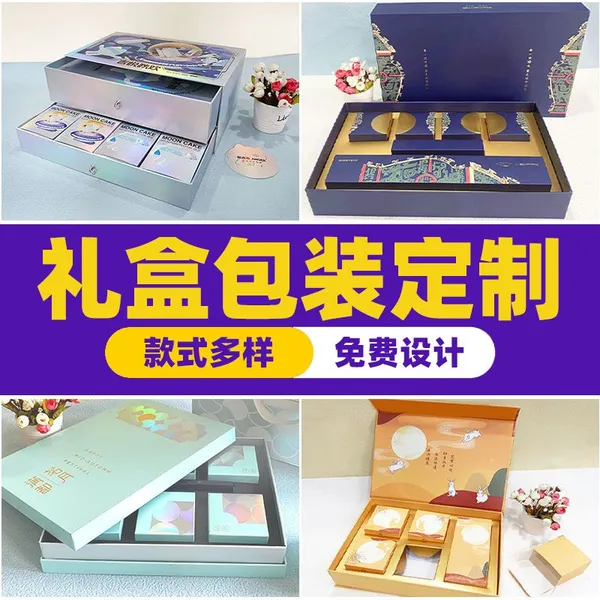
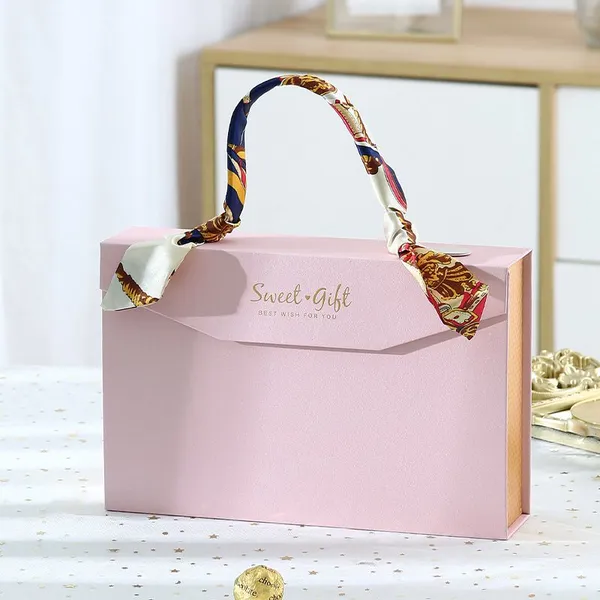
Customized High-end Gift Boxes
Product Spotlights


Related Products
-
 Eco-friendly Rigid Gift BoxNegotiableMOQ: 1000 Units
 -
Customized Paper Box Source FactoryNegotiableMOQ: 1000 Units
-
Shenzhen High-end Gift Box Customization ManufacturerNegotiableMOQ: 1000 Units
-
Shenzhen Specialty Paper Printing Gift Box ManufacturerNegotiableMOQ: 1000 Units
-
Shenzhen Manufacturers of Printed Folding Boxes and Packaging CasesNegotiableMOQ: 1000 Units
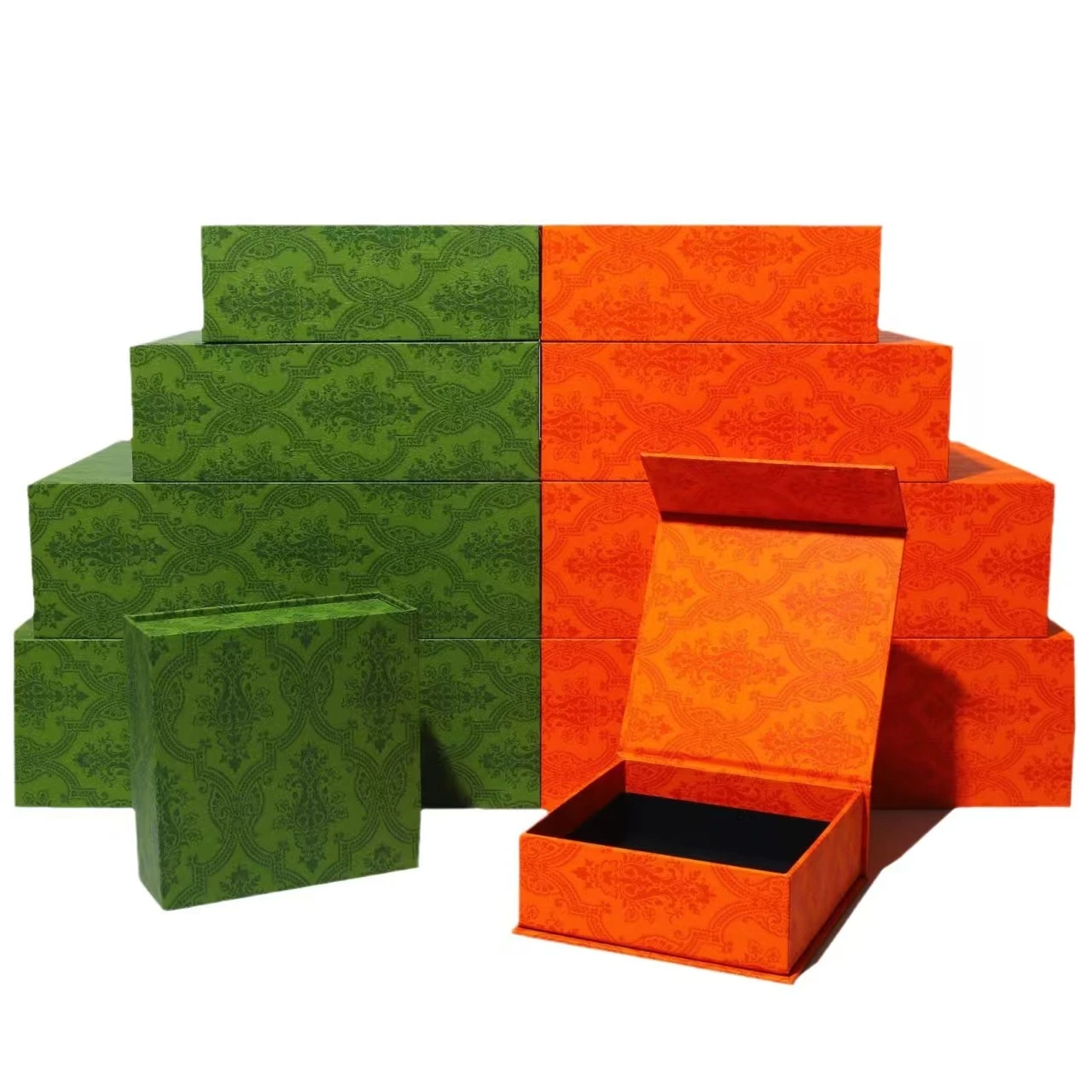
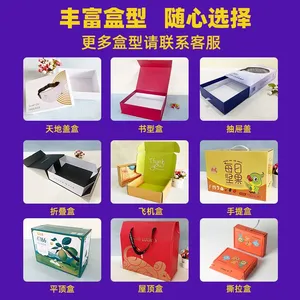
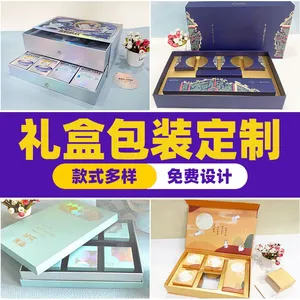
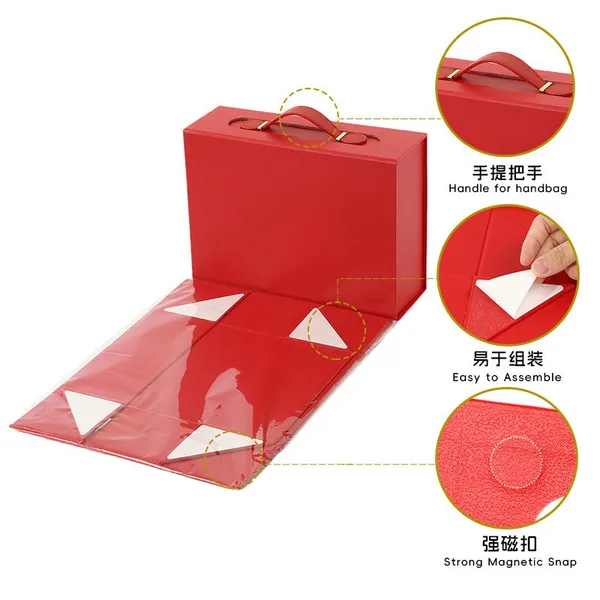
Foldable boxes have long become the mainstream choice for export packaging, thanks to their core advantages of flat shipping, quick assembly, efficient warehousing, and controllable costs. They are widely suitable for overseas shipments across diverse product categories including cosmetics and skincare, apparel and accessories, 3C electronics, home goods and gifts, fast-moving consumer goods (FMCG), and light luxury cultural products. In international trade scenarios, foldable box packaging design is far more than mere visual enhancement—it is a systematic engineering process that integrates overseas market aesthetics, cross-border transportation protection, international environmental compliance, brand visual consistency, customs clearance efficiency, and retail display requirements. The four key modules—color, material, craftsmanship, and printing—directly determine a product’s competitiveness in foreign markets, brand perception, and overall export success. Below is a comprehensive professional analysis.
1. Color Design: Aligning with Overseas Markets While Balancing Aesthetics and Compliance
Color selection for export foldable boxes must move beyond domestic aesthetic preferences and strictly adhere to four principles: target market cultural inclinations, brand positioning, product attributes, and international compliance standards, avoiding cultural taboos and visual missteps.
At the foundational level, low-saturation neutral tones such as white, beige, light gray, and matte black are globally accepted safe color choices. These hues suit high-end, minimalist, and eco-friendly product positioning, offering clean, sophisticated visuals that appeal broadly across consumer segments—particularly in major Western, Middle Eastern, and Southeast Asian markets. Blue conveys professionalism and reliability, making it ideal for 3C electronics, home goods, and hardware exports. Green aligns directly with global trends toward sustainability, perfectly matching export positioning for organic food, natural skincare, and recycled-material products. Earthy tones and wood-look colors reflect the growing popularity of retro and natural aesthetics, favored by niche luxury and lifestyle brands overseas.
For specific market segments, color design requires precise localization: European and American markets prefer low-saturation Morandi shades and monochromatic palettes, rejecting overly complex or vibrant designs; Southeast Asian and Middle Eastern markets may incorporate subtle touches of gold or red to emphasize festive occasions and premium quality. At the same time, designers must strictly avoid culturally sensitive color associations and respect religious and traditional color boundaries.
From a technical standpoint, export foldable boxes uniformly adopt CMYK four-color printing combined with Pantone (PMS) spot color calibration to eliminate color variations caused by cross-border shipping and different printing equipment, ensuring consistent visual appearance worldwide. Large solid-color areas paired with accentuated highlight colors balance printing cost efficiency with strong visual memorability, making them ideal for mass production in international trade.
2. Material Selection: Balancing Protection, Cost, and Export Environmental Standards
Material serves as the structural backbone of export foldable boxes, directly influencing compression resistance, impact durability, shipping damage rates, environmental compliance, and product feel. Key considerations in material selection include lightweight strength, flat-fold capability, recyclability, FSC certification, and low-cost ocean freight suitability. Main materials fall into two systems: surface paper and base board.
Surface papers primarily influence print quality and tactile experience: coated cardstock offers excellent rigidity and rich, vivid print results, ideal for standard export color boxes; glossy coated paper provides a smooth surface and superior color accuracy, commonly used for high-definition graphics and brand-focused folding boxes; kraft paper delivers a natural, unprocessed texture at an affordable price point and boasts full biodegradability, making it perfect for daily-use, food, and minimalist products under strict overseas environmental regulations. Textured paper, pearlized paper, and specialty art papers are preferred for light luxury and gift items, significantly enhancing packaging value and end-market competitiveness.
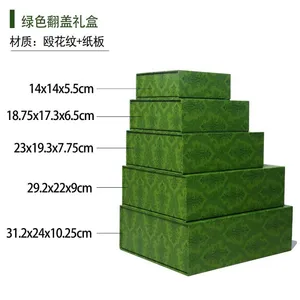
Baseboard materials typically include greyboard, single-ply cardboard, and corrugated board, with standard grammages ranging from 250gsm to 600gsm. High-end custom options can use thickened greyboard from 1200gsm to 1800gsm, balancing structural support with foldability. Lightweight products often use single-layer cardboard boxes, while fragile or heavy items benefit from reinforced cardboard or thin corrugated inserts, improving shock resistance and protection during long-distance international transport. In today's foreign trade exports, FSC certification, recyclability, biodegradability, and eco-friendly materials without lamination have become mandatory requirements—especially in the European Union and North American markets. Eco-friendly materials not only reduce customs clearance barriers but also align with overseas consumers' sustainable consumption values, making them a key differentiator in export packaging.
III. Process Design: Optimized for Mass Export Production to Enhance Brand Value
When selecting manufacturing processes for export folding boxes, the core principles are controllable premium finish, stable mass production, minimal impact on lead time and cost, and compatibility with flat shipping. Complex or fragile techniques are avoided. Mainstream processes fall into two categories: surface protection and value-added finishing.
Basic surface treatments include lamination and varnishing, which are standard in international exports. Gloss lamination offers high brightness and transparency, along with scratch and water resistance, ideal for cost-effective fast-moving consumer goods. Matte lamination provides a sophisticated, non-reflective finish that enhances texture perception and is preferred for high-end export folding boxes; it also effectively resists moisture, friction, and abrasion during sea freight, preserving print integrity. Water-based UV varnish is environmentally friendly, odorless, and meets eco-standards for food and skincare products, offering superior breathability and compliance with strict customs regulations.
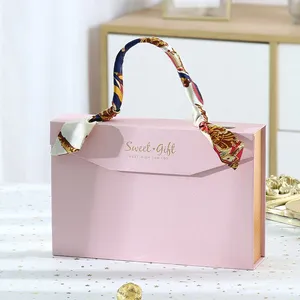
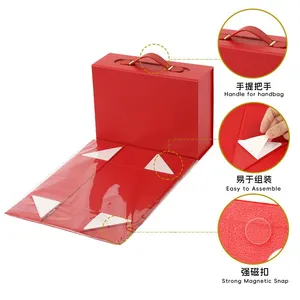
Value-added processes help create brand differentiation: foil stamping (gold, silver, or colored) highlights logos and slogans, delivering a luxurious feel suitable for gifts, cosmetics, and premium accessories. Embossing and debossing, as well as embossed textures, create tactile depth without additional ink, enhancing perceived quality. Spot UV accentuates product patterns and brand identifiers, adding visual depth. Magnetic closures, self-locking bottoms, and snap-fit structures enable glue-free, quick assembly, significantly improving end-user experience while maintaining flat packing to save space in maritime logistics.
IV. Printing Solutions: Professional Standards for Reliable Large-Scale Production
Export folding box printing emphasizes scalability, standardization, low color variation, and high adaptability, fully meeting the demands of large-volume production and cross-border shipments. Established printing methods and specifications ensure consistency and control.
For regular bulk orders, offset printing delivers stable output, uniform color, and low unit cost—perfect for high-volume, multi-style orders with tight deadlines. For small trial runs or custom samples, digital printing is preferred due to its no-setup requirement, low minimum order quantity, and fast turnaround, enabling exporters to quickly confirm samples and engage overseas buyers.
Color management uses CMYK four-color printing for full-color graphics and realistic product displays, while Pantone (PMS) spot colors precisely replicate brand-specific hues and logos, eliminating batch-to-batch or factory-to-factory color discrepancies and ensuring global visual consistency.
Printing content strictly complies with international trade regulations: multilingual labels clearly display product information, material descriptions, eco-labels, origin tracing, safety warnings, and barcode details. Predefined areas for customs documentation, labeling, and logistics stickers ensure clean, uncluttered design. Ink standards are tightly controlled, using benzene-free, food-grade eco-inks compliant with EU REACH and North American packaging pollutant regulations, minimizing inspection risks at export.
In summary, export folding box packaging design represents a balanced integration of market fit, functional practicality, environmental compliance, cost efficiency, and brand communication. A mature export packaging solution reduces shipping and warehousing costs through flat-pack design and minimizes transit damage. At the same time, precise color reproduction, eco-friendly materials, advanced craftsmanship, and standardized printing rapidly align with overseas market rules and consumer aesthetics. It becomes a core competitive asset for exporting products, empowering brands to achieve dual success in quality and profitability across global markets.

Send Inquiry to This Supplier

You May Also Like
-
Customized Manufacturer of Product Packaging BoxesNegotiableMOQ: 1000 Units
-
Export Manufacturer of Foreign Trade Packaging BoxesNegotiableMOQ: 1000 Units
-
Customized Gift Box Manufacturer Direct SalesNegotiableMOQ: 1000 Units
-
Customized Gift Box Manufacturer Direct SalesNegotiableMOQ: 1000 Units
-
Integrated Manufacturer of Packaging Box Design and PrintingNegotiableMOQ: 1000 Units
-
Customized High-end Gift BoxesNegotiableMOQ: 1000 Units
-
Foldable Paper Cosmetic BoxNegotiableMOQ: 1000 Units
-
Shenzhen Packaging Box Customization ManufacturerNegotiableMOQ: 1000 Units
-
Product Packaging Box - a Quality Choice That is Both Beautiful and PracticalUS$ 0.72 - 0.77MOQ: 1000 Combos
-
Product Packaging Box Gift Box Craftsmanship, Materials, FunctionsUS$ 0.64 - 0.69MOQ: 1000 Combos


