








 Contact Platform Support
 Help Center
Integrated Manufacturer of Packaging Box Design and Printing
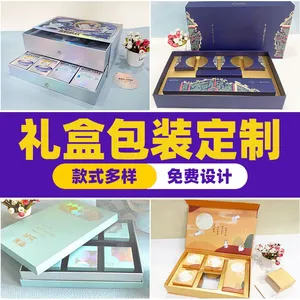
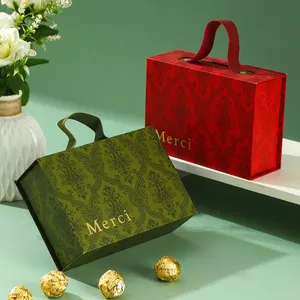

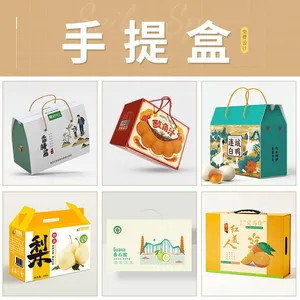
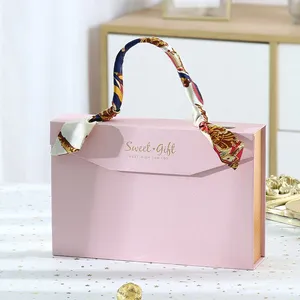
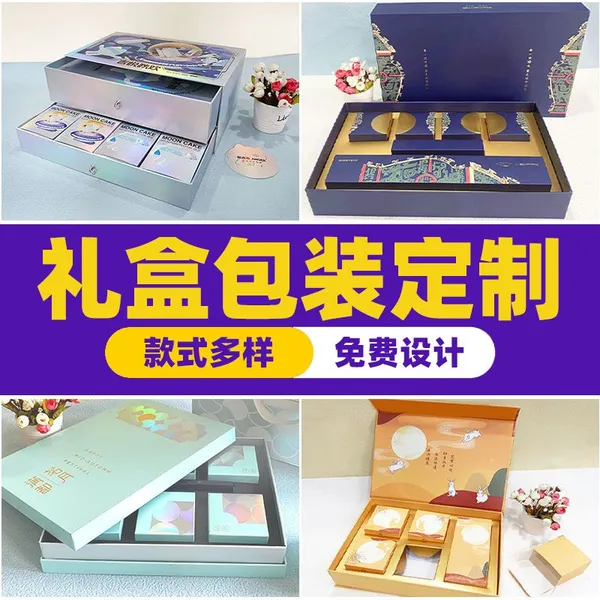
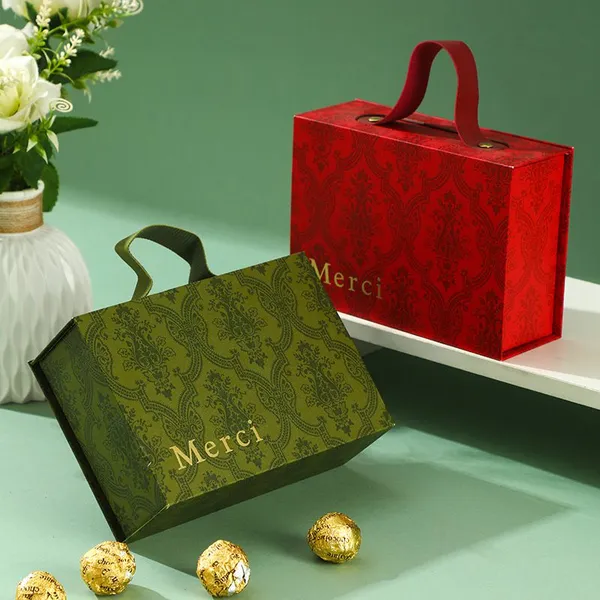
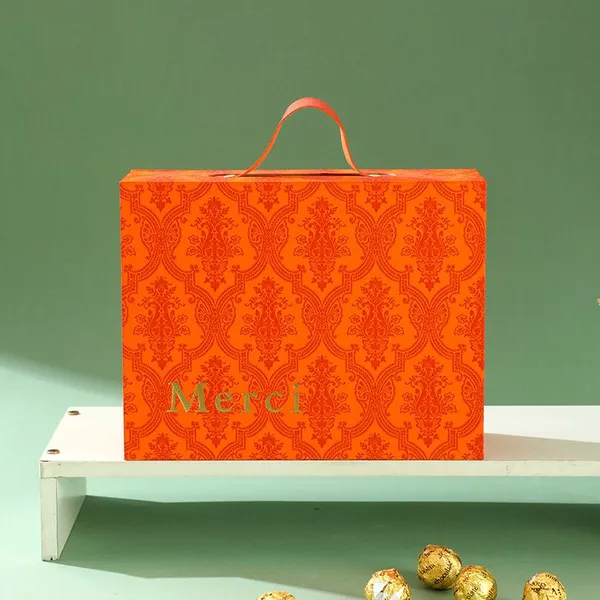
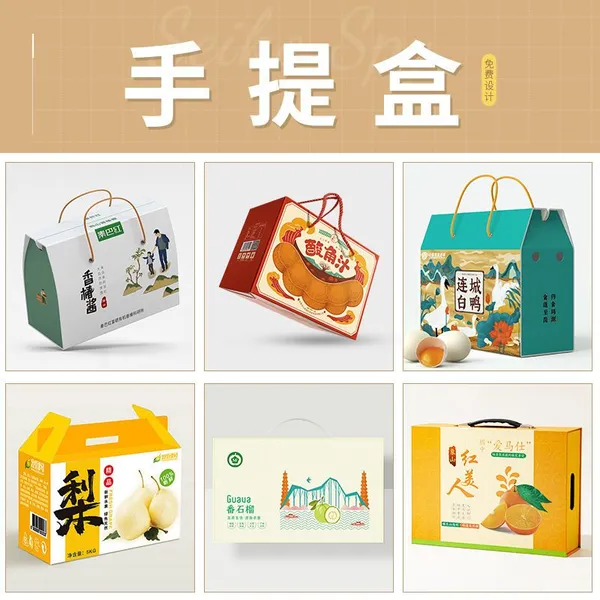
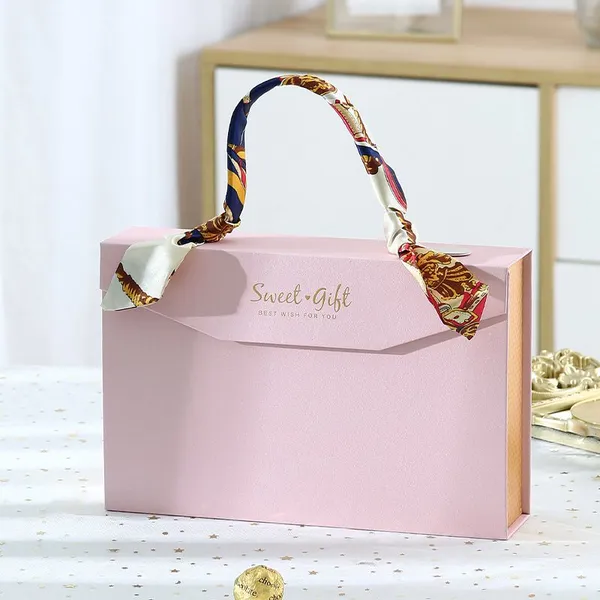
Product Spotlights


Related Products
-
 Customized High-end Gift BoxesNegotiableMOQ: 1000 Units
 -
Customized High-end Gift BoxesNegotiableMOQ: 1000 Units
-
Eco-friendly Rigid Gift BoxNegotiableMOQ: 1000 Units
-
Customized Paper Box Source FactoryNegotiableMOQ: 1000 Units
-
Shenzhen High-end Gift Box Customization ManufacturerNegotiableMOQ: 1000 Units
Irregular-shaped packaging has become the primary packaging solution for categories such as international cosmetics, 3C electronics, luxury gifts, cultural and creative products, and premium food items, thanks to its distinctive design, strong visual appeal, and brand recognition. Compared to conventional box types like top-bottom lids, flip-top boxes, or drawer-style cartons, irregular-shaped packaging offers greater advantages in structural innovation and visual presentation; however, it also imposes higher demands on design compliance, material stability, printing accuracy, manufacturing feasibility, and cross-border shipping safety. For export applications, such packaging must simultaneously address overseas aesthetic preferences, destination country regulatory requirements, physical protection needs for long-distance shipping, mass production costs, and delivery efficiency. The following section provides a comprehensive, practical guide covering all aspects—from design and materials to color selection, printing techniques, manufacturing processes, and production logistics.
I. Core Design Principles for Foreign Trade Custom Box Packaging The design of custom foreign trade boxes is not merely about pursuing unconventional shapes; it represents a systematic approach integrating brand identity, structural functionality, cross-border logistics, and manufacturing feasibility. The following core principles must be strictly adhered to: 1. Structural safety takes precedence over aesthetic appeal. Common box shapes—including curved, trapezoidal, polygonal, irregular flap designs, handheld configurations, non-standard openings, and nested structures—must prioritize resistance to compression, impact, compression forces, and deformation during stacking. During long-distance international transport, container stacking, handling during cross-border transit, and temperature/humidity fluctuations can easily cause box collapse, edge cracking, or failure in opening mechanisms. Therefore, critical areas such as hinges must feature reinforced embossing lines, load-bearing supports, and locking mechanisms to prevent compromising structural integrity for the sake of aesthetics. Dimension tolerances must be strictly controlled, with mass-production standards requiring deviations within ±0.5 mm to avoid imbalance in packaging tightness and unnecessary space occupation due to improper box arrangement.
2. Align with overseas market aesthetics and compliance requirements: For markets such as the EU, North America, Southeast Asia, and the Middle East, adapt to regional cultural preferences – European and American markets favor minimalist geometric designs with low saturation for a sophisticated aesthetic; Middle Eastern and Southeast Asian markets prefer vibrant visuals and refined decorative details. Strict adherence to destination country labeling regulations is mandatory, including mandatory printing of product names, material information, place of origin, warning statements, eco-recycle labels, and import compliance codes. Text formatting must comply with local reading habits, and the use of religious or culturally taboo patterns is strictly prohibited.
3. Pre-production Feasibility Verification: The creative design must align seamlessly with the production processes of die manufacturing, automatic box sealing, and die-cutting molding, avoiding excessive sharp corners, narrow edges, deep irregular shapes, or complex nested structures that could lead to soaring die costs, high defect rates, or inability to achieve mass production in small batches. Additionally, a 3 mm bleed margin and a safety clearance of at least 5 mm should be incorporated to prevent white areas from being exposed during cutting or critical information from being omitted, ensuring full compliance with international printing plate standards for export applications.
4. Environmentally friendly and recyclable design compliant with foreign trade barriers: Major markets such as the EU and North America impose stringent environmental requirements for packaging. Designs should prioritize single-material structures that are easy to recycle, minimizing the use of multi-layer non-biodegradable composite materials and excessive metal components; clearly display environmental labels such as PEFC, FSC, recyclable, or biodegradable to avoid green trade barriers and meet cross-border customs clearance requirements.
II. Material Selection for Foreign Trade Special-Shaped Boxes (Based on Export Category Requirements) The material directly determines the box's stiffness, protective performance, printing quality, and cross-border transportation damage rate. For foreign trade applications, materials should be selected hierarchically according to product positioning, shipping method, and cost budget to avoid issues such as damage or customs clearance obstacles caused by material mismatches: 1. Foreign trade special-shaped boxes designed for e-commerce volume-driven transactions (for lightweight items and cross-border express shipments) prioritize lightweight construction, low cost, and high impact resistance. The preferred materials are E-pit/F-pit high-strength corrugated paper or 350–400g white-backed white cardstock. E-pit corrugated paper has a thickness of 1.1–1.2 mm, offering moderate stiffness, strong cushioning, and extremely low self-weight, significantly reducing air freight and international express logistics costs; F-pit corrugated paper features a smoother surface suitable for direct color printing, balancing aesthetic appeal with protection requirements, making it ideal for lightweight products such as accessories, stationery, and small 3C components.
2. Mid-range foreign trade custom-shaped color boxes (for cosmetics, home goods, and food) balance printing quality with structural rigidity. The standard configuration uses 250–300 g white cardstock or 157 g coated paper laminated with 1.5–2.0 mm gray board. White cardstock offers exceptional hardness and stiffness, enabling direct die-cutting and color printing, making it ideal for mid-range flip-top and curved custom boxes; coated paper delivers excellent color reproduction and, when laminated with gray board, effectively prevents box sagging and deformation, suitable for long-distance shipping stacking scenarios.
3. Premium custom-shaped gift boxes for international trade (for luxury goods, cosmetics, health supplements, and electronics/digital products) emphasize brand sophistication and premium visual appeal, constructed from 157–200g coated paper or special art paper laminated onto 2.5mm thick gray board, tactile paper, embossed paper, or gold/silver cardstock. The thick gray board ensures structural integrity without deformation; the special paper imparts high-end textures such as matte finish, velvet effect, or rich surface details; while gold/silver cardstock meets the visual requirements of luxury items, making them ideal for exhibitions and export-grade gifts.
4. Foreign trade packaging boxes for food contact applications must be manufactured from food-grade white cardstock, food-grade beef cardstock, or non-fluorescent base paper, completely avoiding the use of fluorescent whitening agents and inferior adhesives. They must comply with EU food contact material standards and US FDA regulations; the use of ordinary industrial-grade packaging materials is strictly prohibited to mitigate risks of customs clearance and quality inspection failures.
III. Color Control Standards for Foreign Trade Special-Shaped Boxes Color variation in foreign trade printing is a frequent complaint from overseas customers. Color control must adhere to international standards, ensure cross-border consistency, and maintain traceability, eliminating any discrepancies between screen colors and actual product colors: 1. The CMYK printing mode must be mandatory; all RGB design files must be converted to the CMYK four-color format. RGB represents screen display colors, and direct printing using this format can result in severe color deviation, dullness, and saturation imbalance. The use of RGB format in foreign trade printing documents is strictly prohibited.
2. For high-end products with stringent requirements for brand logos, standard colors, and visual identity (VI) due to Pantone color calibration, all items are printed using standardized Pantone colors. Corresponding Pantone color codes are provided, and samples are verified on-site using international color charts to ensure complete color consistency across all global batches and manufacturers, thereby enhancing brand visual consistency.
3. Strictly control color fading during cross-border transportation: Overseas long-distance maritime shipping involves high temperatures, high humidity, and ultraviolet exposure, which can easily cause packaging to fade, yellowish discoloration, or ink migration. Therefore, it is essential to use environmentally friendly inks that are resistant to sunlight, friction, and high temperatures. Light-colored bases and high-brightness color schemes require additional anti-fading treatment to prevent visual degradation of goods upon arrival at port.
4. Standardize sample signatures and seals to eliminate verbal confirmations; all colors must have pre-production confirmation samples and customer-approved seal samples, which shall serve as the sole criteria for mass production, quality inspection, and handling customer complaints. The use of computer screens or mobile phone screenshots as color acceptance references is strictly prohibited to prevent color discrepancy disputes in foreign trade from the outset.
IV. Printing and Surface Treatment Selection (Core Element for Advanced Textures in Foreign Trade) (I) Printing Methods 1. Offset printing: The mainstream method for producing custom-shaped boxes for foreign trade, offering fine dot density, precise color reproduction, and cost-effective mass production. Suitable for conventional materials such as coated paper, white cardstock, and corrugated paper, meeting the demands of large-scale export orders.
2. UV Printing: The ink dries instantly, producing vibrant and rich colors. Suitable for printing on gold/silver cardstock and non-absorbent specialty papers with strong adhesion, making it ideal for high-end custom gift boxes and anti-counterfeiting packaging; however, the cost is relatively high for small batches.
3. Flexographic printing: Suitable for corrugated custom boxes, featuring excellent environmental performance and a thick ink layer, ideal for bulk packaging of food and FMCG products for international trade, and compliant with EU low-VOC environmental standards.
(II) High-end post-processing techniques (tailored to foreign trade categories): 1. Film coating processes: Matte films enhance sophistication, ideal for minimalist European and American aesthetics; glossy films improve wear resistance and moisture protection, suitable for long-distance maritime transportation; tactile films deliver a velvet-like skin-friendly texture, making them the preferred choice for premium cosmetics and luxury gift boxes.
2. Hot stamping (for gold/silver or colored finishes): Utilizes eco-friendly electroplated aluminum to enhance brand recognition. Precise positioning of the stamping areas is essential to avoid incomplete coverage, missed areas, or warping at irregular edges; ideal for enhancing logos and core visual symbols.
3. Textured surface with UV reverse glossy finish: The embossing technique creates a three-dimensional tactile effect, while reverse matte finishing achieves localized contrast between matte and glossy areas, significantly enhancing packaging quality without requiring excessive composite materials and complying with environmental export standards.
4. Die-cutting embossing: The core process for forming custom-shaped boxes, utilizing precision laser dies to ensure optimal embossing depth while preventing folding burrs, cracking, or springback deformation, thereby guaranteeing smooth opening/closing and precise shape integrity.
5. Anti-counterfeiting technologies: High-end export products can incorporate QR code traceability, heat-sealed anti-counterfeiting marks, microtext printing, and fluorescent ink technologies to combat cross-border counterfeiting and meet brands' needs for overseas rights protection.
V. Precautions for Batch Production of Special-shaped Foreign Trade Boxes 1. Pre-press documents must undergo comprehensive compliance review before mass production: the files should be in CMYK format with a resolution ≥300 dpi; include complete 3 mm bleed margins and sufficient safety margins; ensure accurate text curvature; contain all required compliance marks; and achieve precise alignment between die lines and printing lines; all overseas text, barcodes, and certification marks must be separated into distinct layers to prevent missing elements during plate making.
2. Prior to prenatal sampling and full-process sealed sample preparation for mass production, white samples, color samples, process samples, and final product bulk samples must be prepared. These samples shall be signed and sealed by the client, QC team, and foreign trade department to specify material type, color, manufacturing process, dimensions, and load-bearing standards, serving as the sole basis for final product inspection.
3. Strictly enforce environmental material standards and quality inspection requirements, prioritizing the use of FSC/PEFC-certified paper, eco-friendly soy-based inks, and food-grade/low-VOC adhesives to comply with EU and North American environmental and customs clearance regulations; eliminate excessive levels of fluorescent agents and heavy metals, and conduct environmental material sampling inspections before mass production commences.
4. In the special-shaped molding process, precise control and adjustment of die-cutting pressure and embossing depth are critical to prevent corner bulging, line cracking, or deformation deviation; ensure uniform application of box adhesive to avoid overflow, adhesion defects, delamination, or rebound; conduct comprehensive inspection of all irregular edges and nested areas, eliminate defective products, and maintain the mass production defect rate below 3%.
5. Enhanced protection for cross-border transportation: Large-sized finished products require moisture-proof film coating and shall be packaged in standard five-layer corrugated outer boxes for international trade, with clear markings indicating stacking direction, moisture resistance, fragility, and number of stacking layers. For maritime transport under high-humidity conditions, additional moisture-proof films shall be applied to the outer boxes, and custom-shaped inner supports must fit tightly against the products to prevent transportation-related shaking, friction, or scratching.
6. All customs clearance documents must be fully complete, including packaging materials, environmental labels, origin information, and specifications of ink and adhesive materials, and must strictly match the export declaration and destination country's customs documentation to prevent discrepancies between packaging labels and declaration records that could lead to customs delays or penalties for improper fastening.
7. The risk of mass-producing custom-shaped boxes with non-standard structures after small-scale trial production is extremely high; direct full-scale production is strictly prohibited. It is mandatory to first produce a trial batch of 50–200 units to verify the quality of molding, printing, manufacturing processes, and transportation protection measures. Only after confirmation of compliance should mass production commence.
In summary, the core competitiveness of customized foreign trade packaging lies not in unconventional designs, but in practical design feasibility, transport-resistant materials, high-standard colors, reliable mass-production processes, and global compliance. Only by fully integrating overseas market regulations, cross-border logistics requirements, production process details, and export compliance standards throughout the entire workflow can true excellence be achieved.

Send Inquiry to This Supplier

You May Also Like
-
Shenzhen Specialty Paper Printing Gift Box ManufacturerNegotiableMOQ: 1000 Units
-
Customized Paper Box Source FactoryNegotiableMOQ: 1000 Units
-
Customized Gift Box Manufacturer Direct SalesNegotiableMOQ: 1000 Units
-
Shenzhen Manufacturers of Printed Folding Boxes and Packaging CasesNegotiableMOQ: 1000 Units
-
Customized Manufacturer of Product Packaging BoxesNegotiableMOQ: 1000 Units
-
Export Manufacturer of Foreign Trade Packaging BoxesNegotiableMOQ: 1000 Units
-
Customized Gift Box Manufacturer Direct SalesNegotiableMOQ: 1000 Units
-
Customized Gift Box Manufacturer Direct SalesNegotiableMOQ: 1000 Units
-
Foldable Paper Cosmetic BoxNegotiableMOQ: 1000 Units
-
Shenzhen Packaging Box Customization ManufacturerNegotiableMOQ: 1000 Units


