








 Contact Platform Support
 Help Center
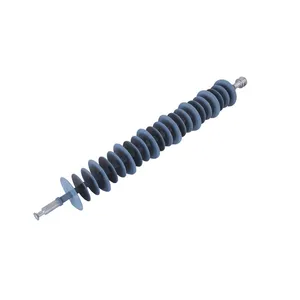
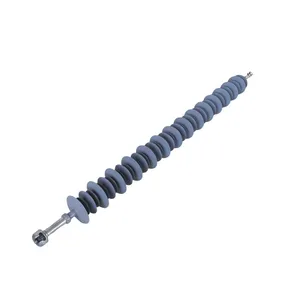
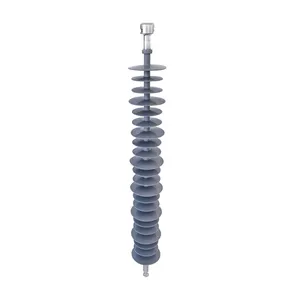
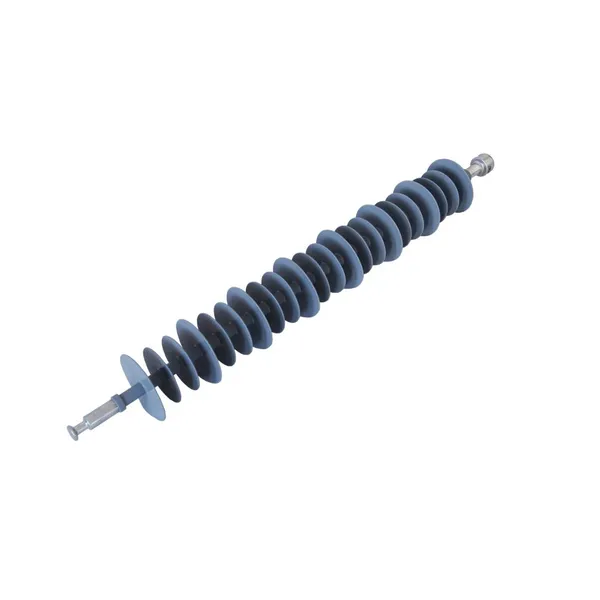
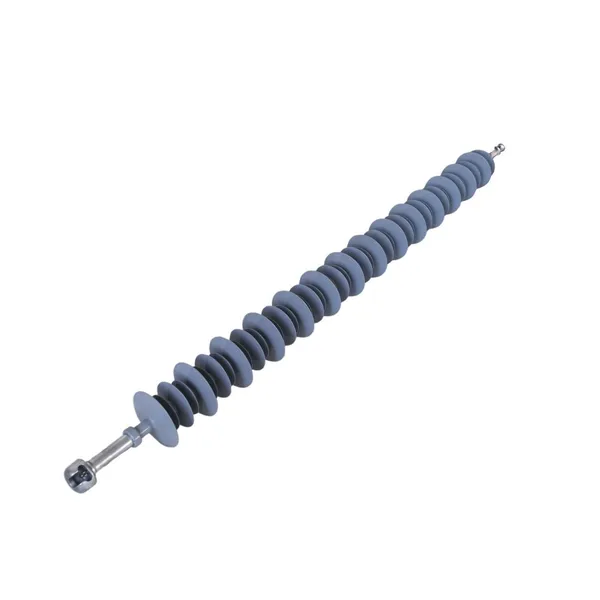
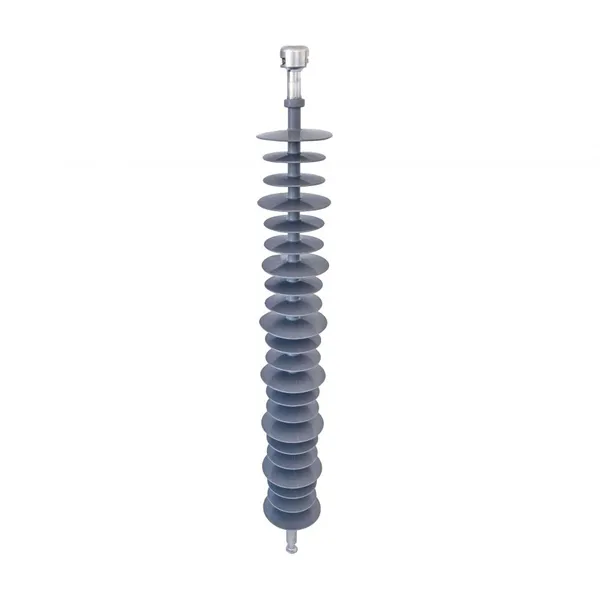
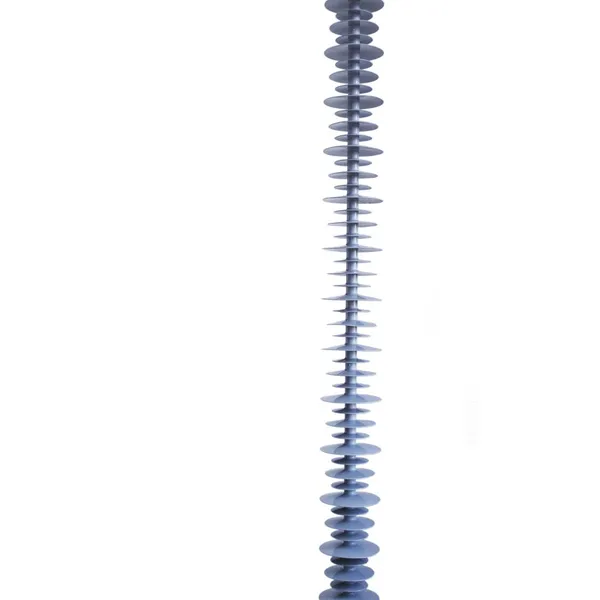
Polymer Composite Long Rod Insulator for Railway Electrification Projects
Product Spotlights


Related Products
-
 220kV Long Rod Insulator for Transmission Lines With Composite CoreUS$ 50MOQ: 1 Piece
 -
220kV Long Rod Insulator Featuring High Mechanical Strength CoreUS$ 50MOQ: 1 Piece
-
Suspension Long Rod Insulator With 10-Year Performance WarrantyUS$ 50MOQ: 1 Piece
-
110kV Polymer Insulator Designed for High-Altitude Substation ApplicationsUS$ 50MOQ: 1 Piece
-
110kV Polymer Composite Suspension Long Rod Insulator With Silicone Rubber HousingUS$ 50MOQ: 1 Piece
As a dedicated manufacturer, Jinhua Dika Electrical Equipment Co., Ltd. specializes in providing high-performance insulation solutions for global infrastructure. Our Polymer Composite Long Rod Insulator is engineered specifically for the demanding environment of railway electrification projects. With over a decade of experience and ISO9001-certified production, we deliver components that ensure reliable power transmission and enhanced safety for railway networks worldwide, serving markets across North America, Europe, Asia, and beyond.
This insulator represents a significant advancement over traditional porcelain or glass types, offering superior performance in harsh conditions. Its core value lies in providing a lightweight, durable, and maintenance-free solution that reduces lifecycle costs and increases system reliability for railway operators and contractors.
Key Features & Technical Advantages:
- Advanced Polymer Housing: Manufactured from high-grade silicone rubber or EPDM composite, the housing provides excellent hydrophobicity. This property prevents water film formation, significantly reducing leakage current and the risk of flashover, even in heavy pollution, coastal, or high-humidity areas common along railway routes.
- Lightweight & High Strength Core: The internal core is typically a fiberglass rod epoxy-impregnated under tension. This design results in an exceptional strength-to-weight ratio, offering high mechanical load capacity (both tensile and cantilever) while being much lighter than ceramic equivalents. This simplifies handling, transportation, and installation, reducing labor costs and time.
- Superior Anti-Pollution Performance: The composite material and optimized shed design provide a long and reliable creepage distance. The material's hydrophobic properties are transferable, meaning pollution layers that form on the surface also become hydrophobic, maintaining performance in contaminated environments without frequent cleaning.
- Excellent UV & Weather Resistance: The polymer compounds include special additives to resist degradation from ultraviolet radiation, ozone, and extreme temperature fluctuations from -50°C to +50°C, ensuring long-term performance and visual integrity.
- Vandalism & Impact Resistance: The polymer composite is highly resistant to shock and impact compared to brittle porcelain, minimizing damage from accidental hits or vandalism, which is crucial for infrastructure security.
Detailed Technical Specifications:
| Parameter | Specification / Option | Notes |
|---|---|---|
| Standard Rated Voltage | 25 kV, 27.5 kV, 50 kV | Standard railway electrification voltages; other voltages available. |
| Mechanical Failing Load (Tensile) | 70 kN, 100 kN, 120 kN, 160 kN | Designed to withstand conductor tension and wind loads. |
| Cantilever Failing Load | Customizable (e.g., 4 kNm, 6 kNm) | For applications requiring horizontal support. |
| Standard Creepage Distance | From 1050 mm to 2500+ mm | Tailored to specific site pollution severity (Class III/IV). |
| Core Material | Fiberglass Reinforced Polymer (FRP) Rod | High tensile strength, corrosion-resistant. |
| Housing/Shed Material | Silicone Rubber or EPDM Composite | Excellent tracking and erosion resistance. |
| Connection Type | Ball & Socket, Clevis, Yoke Plate | Compatible with standard railway hardware. |
| Operating Temperature Range | -50°C to +50°C | Suitable for most global climates. |
Benefits for Your Railway Electrification Project:
- Reduced Lifetime Cost: Minimal maintenance needs (no washing) and high durability lead to significantly lower total cost of ownership compared to traditional insulators.
- Enhanced System Reliability: Superior performance in polluted and wet conditions reduces the risk of power outages and ensures consistent traction power supply.
- Faster & Safer Installation: Lightweight design allows for quicker installation with smaller crews, enhancing on-site safety and reducing project timelines.
- Design Flexibility: Available in various lengths, mechanical ratings, and connection types to meet specific project drawings and requirements for catenary systems, feeder lines, and substation connections.
- Global Compliance: Products are designed and tested in accordance with relevant international standards such as IEC 61952, EN 50341, and GB/T 19519, facilitating use in international projects.
Backed by Jinhua Dika's commitment to quality through ISO9001 certification and an annual export value reflecting trusted global partnerships, our Polymer Composite Long Rod Insulators are a proven choice. We ship efficiently from major Chinese ports like Shanghai, Tianjin, Guangzhou, and Ningbo to all our main markets. For your next railway electrification project—whether new construction, upgrade, or maintenance—choose a partner that delivers reliability, performance, and value. Contact us today to discuss your specific requirements and request a detailed quotation.
Frequently Asked Questions (FAQ)
Q1: How does the polymer insulator perform compared to traditional porcelain in railway applications?
A: Polymer composite insulators offer superior hydrophobicity, making them more resistant to flashovers in polluted and wet conditions common near railways. They are also lighter, easier to install, more resistant to vandalism, and require less maintenance over their lifespan.
Q2: What is the typical expected service life of your polymer long rod insulators?
A: When installed correctly in appropriate applications, our polymer composite insulators are designed for a service life exceeding 30 years. The high-quality materials resist environmental aging, UV degradation, and electrical tracking.
Q3: Can you customize the insulator's creepage distance and mechanical strength?
A: Yes, customization is a key service. We can adjust the shed profile and rod diameter to achieve specific creepage distances for different pollution levels and mechanical failing loads (tensile or cantilever) as required by your project specifications.
Q4: What connection types are available for integration into existing catenary systems?
A: We offer standard ball & socket, clevis, and yoke plate connections. The end fittings are typically hot-dip galvanized forged steel or ductile iron, ensuring compatibility with most global railway hardware standards.
Q5: Do you provide test reports or certifications for the products?
A> As an ISO9001-certified manufacturer, we conduct rigorous routine and type tests. Test reports for parameters like mechanical failing load, electrical withstand, and salt fog pollution tests can be provided upon request to support your project documentation.
Q6: What is your minimum order quantity (MOQ) and typical lead time?
A: MOQ and lead time vary based on customization and order volume. For standard specifications, we can offer competitive MOQs and lead times. Please contact our sales team with your specific needs for an accurate timeline.
Q7: How do you ensure quality control during the manufacturing process?
A> Our ISO9001 quality management system governs the entire process, from raw material inspection (polymer compounds, FRP rods, fittings) to in-process checks and final product testing, including visual inspection, dimensional checks, and sample mechanical/electrical testing.
Q8: What are the packaging and shipping arrangements to protect the insulators?
A> Each insulator is individually wrapped and securely packed in robust wooden crates or cartons to prevent damage during transit. We have extensive experience shipping via sea freight from ports like Shanghai and Ningbo to destinations worldwide.

Send Inquiry to This Supplier



You May Also Like
-
110kV Suspension Insulator Compliant With IEC 61109 StandardUS$ 50MOQ: 1 Piece
-
Composite Suspension Insulator Rated for 220kV Systems, Mill Test Report ProvidedUS$ 50MOQ: 1 Piece
-
11kV 10kN Composite Polymer Pin Insulator With 5-Year Performance WarrantyUS$ 20MOQ: 100 Pieces
-
11kV 10kN Composite Polymer Pin Insulator With High-Track ResistanceUS$ 20MOQ: 100 Pieces
-
11kV 10kN Composite Polymer Pin Insulator for Coastal Substation ApplicationsUS$ 20MOQ: 100 Pieces
-
11kV 10kN Mechanical Strength Composite Polymer Pin InsulatorUS$ 20MOQ: 100 Pieces
-
Silicone Rubber Composite Polymer Pin Insulator Rated 11kV 10kN Mechanical LoadUS$ 20MOQ: 100 Pieces
-
Composite Polymer Pin Insulator 11kV 10kN With Mill Test Report AvailableUS$ 20MOQ: 100 Pieces
-
Silicone Rubber Pin Insulator for 11kV Pole Mounting in High Pollution AreasUS$ 20MOQ: 100 Pieces
-
11kV 10kN Silicone Rubber Composite Polymer Pin Insulator for Distribution LinesUS$ 20MOQ: 100 Pieces


