








 Contact Platform Support
 Help Center
Steel Pipe & Tube & Cast Pipe,GB/T13295-2019、ISO2531、EN545、GB/T12772-2016、GB/T8492-2014、JG/T300-2011
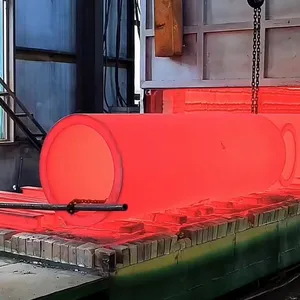
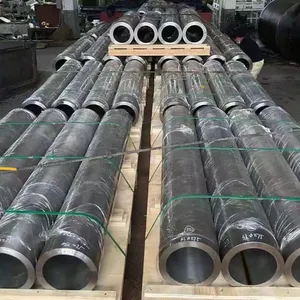
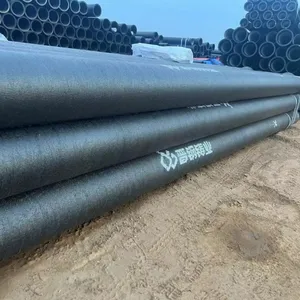
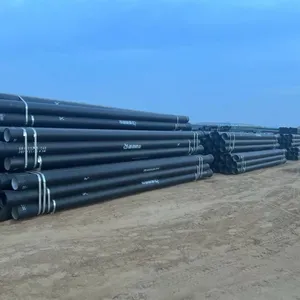


Related Products
-
 Steel Pipe & Tube & Cast Pipe,GB/T13295-2019、ISO2531、EN545、GB/T12772-2016、GB/T8492-2014、JG/T300-2011NegotiableMOQ: 5 Metric Tons
 -
Steel Pipe & Tube & Cast Pipe,GB/T13295-2019、ISO2531、EN545、GB/T12772-2016、GB/T8492-2014、JG/T300-2011NegotiableMOQ: 5 Metric Tons
-
Steel Pipe & Tube & Cast Pipe,GB/T13295-2019、ISO2531、EN545、GB/T12772-2016、GB/T8492-2014、JG/T300-2011NegotiableMOQ: 5 Metric Tons
-
Steel Pipe & Tube & Cast Pipe,GB/T13295-2019、ISO2531、EN545、GB/T12772-2016、GB/T8492-2014、JG/T300-2011NegotiableMOQ: 5 Metric Tons
-
Steel Pipe & Tube & Cast Pipe,GB/T13295-2019、ISO2531、EN545、GB/T12772-2016、GB/T8492-2014、JG/T300-2011NegotiableMOQ: 5 Metric Tons
Detailed Description of Cast Pipes
1. Product Overview
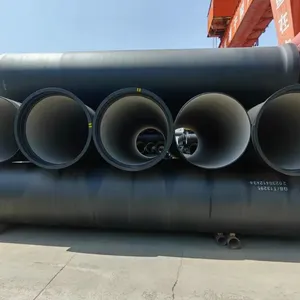
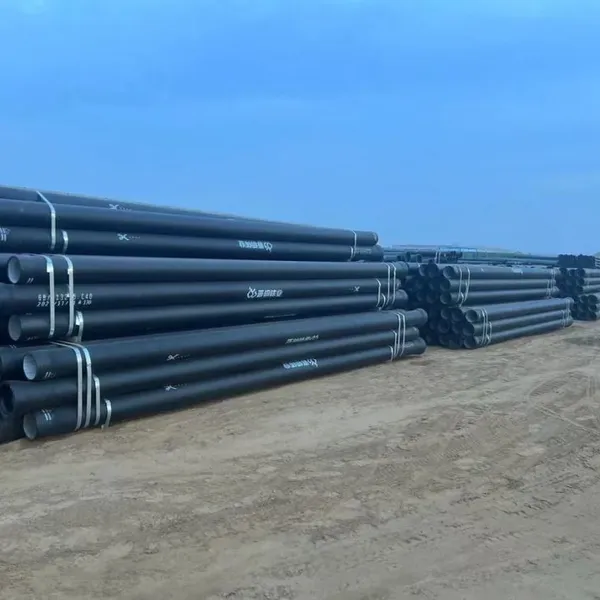
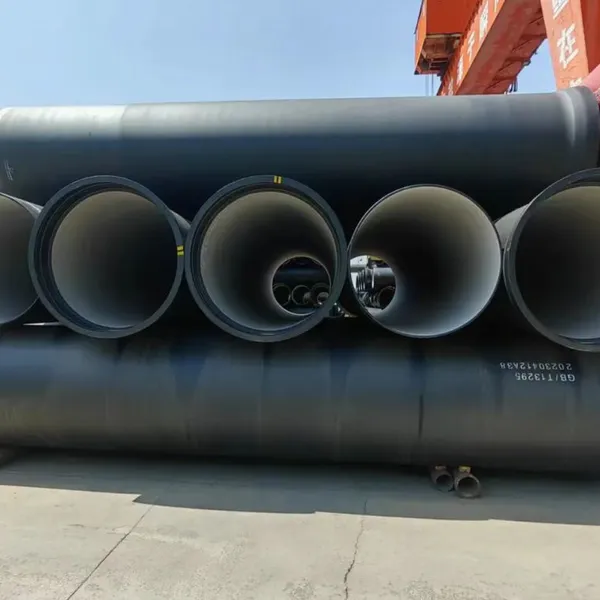
Cast pipes are seamless pipes manufactured by casting processes such as centrifugal casting and continuous casting using cast iron and cast steel as raw materials. They combine the wear resistance and structural stability of cast iron with the high toughness of steel. Featuring dense metallographic structure, uniform wall thickness, high pressure resistance and long service life, cast pipes are widely applied in municipal water supply and drainage, gas transmission, industrial high-temperature wear-resistant pipelines and building structures.
2. Main Classification
2.1 Classification by Material
Grey Cast Iron PipeMade of high-carbon cast iron with flake graphite structure. It is cost-effective with excellent vibration damping and corrosion resistance. Its tensile strength is no less than 140 MPa and maximum working pressure is 0.3 MPa. It features high brittleness and low ductility, mainly used for gravity drainage and sewage pipelines in construction projects.
Ductile Iron PipeProduced by adding magnesium or rare earth magnesium nodulizer into molten iron to form spherical graphite. It possesses the advantages of iron and the performance of steel. The tensile strength reaches over 420 MPa with elongation above 7%, and the maximum working pressure is up to 6 MPa. It delivers outstanding toughness and corrosion resistance, serving as the preferred choice for municipal water supply, gas delivery and chemical fluid transportation.
Alloy Cast Steel PipeAlloyed with chromium, nickel, molybdenum and other elements (e.g. ZG40Cr25Ni20, ZG30Ni35Cr15). It can withstand high temperatures ranging from 800℃ to 1200℃, and resists acid, alkali and creep deformation, with tensile strength higher than 550 MPa. It is widely used for boiler pipes in power plants, cracking furnace pipes in petrochemical industry and high-temperature wear-resistant pipelines in metallurgical industry.
2.2 Classification by Casting Process
Centrifugal Cast Pipe: Molten metal adheres to the mould wall under centrifugal force through high-speed rotating moulds. The finished pipe has dense structure, few pores and inclusions, uniform wall thickness (tolerance ≤ 5%) and smooth inner wall (Ra3.2–6.3). It is the mainstream production technology.
Continuous Cast Pipe: Adopting horizontal continuous casting for one-step forming of long-length pipes. It features high production efficiency and low cost, mostly used for small and medium-diameter grey cast iron pipes.
Sand Cast Pipe: A traditional process with rough surface and frequent defects. It is only applied to low-pressure non-critical pipelines and gradually phased out.
2.3 Classification by Joint Type
Flexible Joint (Type T / N1 / X): Sealed with rubber gaskets. It allows a deflection angle of 3° and radial displacement of ±30 mm, with good seismic performance and easy installation. It is the most widely used joint type.
Flange Joint: Connected by flanges and bolts with gaskets for sealing. It is applicable to high-pressure industrial pipelines with pressure rating PN16/PN25.
Rigid Socket & Spigot Joint: Sealed with cement or asbestos cement. Prone to leakage and poor seismic resistance, this type is basically eliminated.
3. Typical Chemical Composition
3.1 Ductile Iron (QT450-10)
Carbon: 3.0%–4.0%; Silicon: 2.0%–3.0%; Manganese: 0.3%–0.8%; Sulfur ≤ 0.03%; Phosphorus ≤ 0.08%; Magnesium: 0.03%–0.06%.
3.2 High Nickel-Chromium Alloy Cast Steel (ZG40Cr25Ni20)
Carbon: 0.35%–0.45%; Chromium: 24%–27%; Nickel: 19%–22%; Silicon: 1.5%–2.5%; Manganese ≤ 1.5%.
4. Specification Parameters
4.1 Dimension Range
Nominal Diameter: DN50 – DN2600 mm (Common specifications: DN100, DN150, DN200, DN300, DN600, DN1000)
Standard Length: 6 m, 9 m, 12 m (Custom short lengths from 2 m to 6 m are available)
Wall Thickness: Calculated based on K class (K8/K9/K10, K9 is commonly used). Calculation formula: T=K×Dg/1000 (e.g. DN100 pipe with wall thickness of 9 mm)
4.2 Mechanical Properties
| Material | Tensile Strength | Elongation | Hardness | Working Pressure |
|---|---|---|---|---|
| Grey Cast Iron | ≥140 MPa | — | HB180–220 | ≤0.3 MPa |
| Ductile Iron | ≥420 MPa | ≥7% | HB180–230 | PN10/PN16 |
| Alloy Cast Steel | ≥550 MPa | ≥30% | HB200–280 | ≤2.5 MPa |
4.3 Physical Properties
Density: 7.2–7.85 g/cm³; Melting Point: 1200–1350℃; Linear Expansion Coefficient: 11–13×10⁻⁶/℃
5. Production Process
Melting: Pig iron and scrap steel are melted in electric furnace at 1500–1600℃, then chemical composition is adjusted to meet standards.
Nodulization & Alloying: Nodulizer is added for ductile iron; chromium, nickel and other alloy elements are added for alloy cast steel.
Centrifugal Casting: Molten metal is poured into high-speed rotating mould (500–1500 r/min), forming under centrifugal force and cooled by water or air.
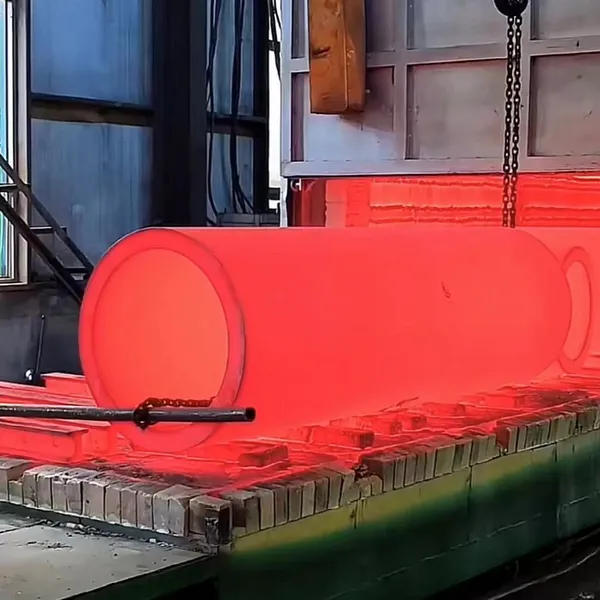
Heat Treatment: Annealing, normalizing and tempering are applied to eliminate internal stress and improve toughness. Ductile iron is annealed at 850–920℃.
Finishing: Cut to fixed length, groove processing, joint grinding and non-destructive testing.
Anti-corrosion Treatment:
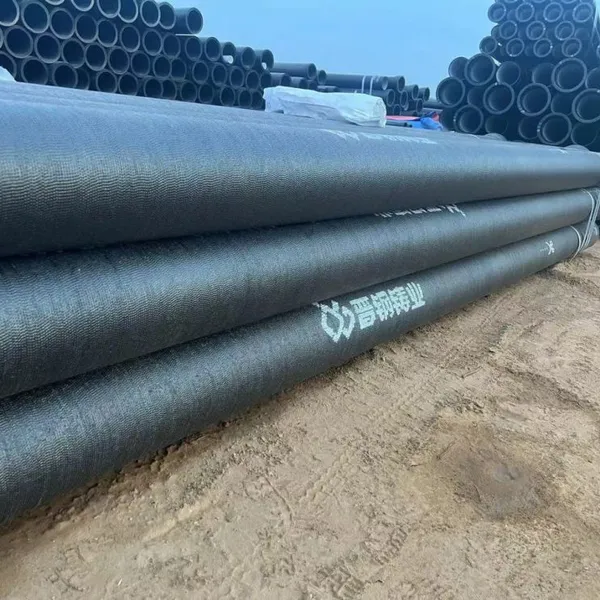
Outer Wall: Zinc spraying plus asphalt paint, coal tar epoxy paint or PE coating to resist soil corrosion.
Inner Wall: 3–5 mm cement mortar lining, epoxy ceramic or polyurethane coating to prevent water corrosion and scaling.
6. Product Advantages
High Strength and Pressure Resistance: The strength of ductile iron pipe is 3–4 times that of grey cast iron pipe. It can bear internal pressure and external load, with excellent resistance to ground settlement and impact.
Superior Corrosion Resistance: Inner lining resists water erosion and outer coating protects against acid and alkali in soil. The service life reaches 50–100 years with minimal maintenance after burial.
Reliable Sealing Performance: Rubber gasket sealing ensures zero leakage. The pipes can operate in seismic zone of intensity 9 with strong deformation resistance.
Smooth Inner Wall: Low surface roughness reduces water flow resistance by 30% compared with concrete pipes, saving energy for water delivery and preventing scaling and blockage.
Easy Installation: Flexible joints require no welding, enabling fast on-site assembly, shorter construction period and low maintenance cost.
Eco-friendly and Recyclable: Over 90% of the material can be recycled and remelted without harmful substances, complying with green construction requirements.
7. Executive Standards
Ductile Iron Pipe: GB/T13295-2019, ISO2531, EN545
Grey Cast Iron Pipe: GB/T12772-2016
Alloy Cast Steel Pipe: GB/T8492-2014, JG/T300-2011
Testing Standards: ASTM A999 (Hydrostatic Test), GB/T7233 (Non-destructive Testing)
8. Application Fields
Municipal Engineering: Water supply, drainage and gas main pipelines, old pipe network renovation.
Building Engineering: Gravity drainage pipes, rainwater pipes and fire water supply pipes for high-rise buildings.
Industrial Field
Power Industry: Ash conveying pipes, slag discharge pipes and desulfurization pipes for power plant boilers.
Petrochemical Industry: Cracking furnace pipes, hydrogen production reformer pipes and anti-corrosion fluid pipelines.
Metallurgical Industry: High-temperature wear-resistant conveying pipes and dust removal pipelines.
Water Conservancy & Agriculture: Farmland irrigation, water delivery for reservoirs and pressure pipelines for pump stations.
9. Quality Control & Testing
Non-destructive Testing: Ultrasonic Testing (UT) and X-ray Testing (RT) for internal shrinkage cavities and pores; Magnetic Particle Testing (MT) for surface cracks.
Hydrostatic Test: Each pipe is tested under pressure. Ductile iron pipes under PN16 pressure shall keep pressure for 30 minutes without leakage.
Mechanical Performance Test: Random inspection on tensile strength, yield strength, elongation and hardness to ensure compliance with standards.
Dimensional Inspection: Outer diameter, wall thickness and overall length are measured with calipers and laser tools, with dimensional deviation controlled within ±1%.
10. Installation & Maintenance Guidelines
Pre-installation Inspection: Check pipes for cracks and intact joints; clean sundries inside sockets and spigots and inspect rubber gaskets for damage.
Installation: Apply lubricant on flexible joints and insert spigot into socket steadily to ensure rubber gasket is in place. For flange joints, fasten bolts symmetrically to avoid eccentric load.
Backfilling: Use fine soil for backfilling on both sides of pipes. Avoid collision with sharp hard objects. The covering soil above pipe top shall be no less than 500 mm.
Daily Maintenance: Regularly inspect joints for leakage. Prevent heavy vehicles from rolling over pipelines and repair damaged anti-corrosion coatings timely.
11. Packaging & Transportation
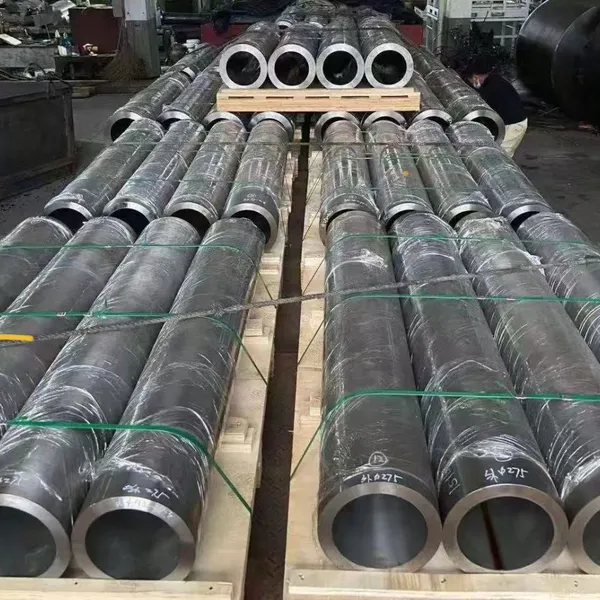
Packaging: Both ends are sealed with plastic caps to protect joints. 6–12 pipes are bundled together with steel strips. Each batch is attached with product certificate and material test report.
Transportation: Handle with care to avoid collision. Stacking height shall not exceed 1.5 m to prevent pipe deformation and coating peeling.

Send Inquiry to This Supplier



You May Also Like
-
Steel Pipe & Tube & Cast Pipe,GB/T13295-2019、ISO2531、EN545、GB/T12772-2016、GB/T8492-2014、JG/T300-2011NegotiableMOQ: 5 Metric Tons
-
Steel Pipe & Tube & Cast Pipe,GB/T13295-2019、ISO2531、EN545、GB/T12772-2016、GB/T8492-2014、JG/T300-2011NegotiableMOQ: 5 Metric Tons
-
Steel Pipe & Tube & Cast Pipe,GB/T13295-2019、ISO2531、EN545、GB/T12772-2016、GB/T8492-2014、JG/T300-2011NegotiableMOQ: 5 Metric Tons
-
Precision Steel Tube & Steel Pipe & Tube,10#、20#、35#、45#、20Cr、40Cr、20CrMo、42CrMo、16Mn、27SiMnNegotiableMOQ: 5 Metric Tons
-
Precision Steel Tube & Steel Pipe & Tube,10#、20#、35#、45#、20Cr、40Cr、20CrMo、42CrMo、16Mn、27SiMnNegotiableMOQ: 5 Metric Tons
-
Precision Steel Tube & Steel Pipe & Tube,10#、20#、35#、45#、20Cr、40Cr、20CrMo、42CrMo、16Mn、27SiMnNegotiableMOQ: 5 Metric Tons
-
Precision Steel Tube & Steel Pipe & Tube,10#、20#、35#、45#、20Cr、40Cr、20CrMo、42CrMo、16Mn、27SiMnNegotiableMOQ: 5 Metric Tons
-
Precision Steel Tube & Steel Pipe & Tube,10#、20#、35#、45#、20Cr、40Cr、20CrMo、42CrMo、16Mn、27SiMnNegotiableMOQ: 5 Metric Tons
-
Precision Steel Tube & Steel Pipe & Tube,10#、20#、35#、45#、20Cr、40Cr、20CrMo、42CrMo、16Mn、27SiMnNegotiableMOQ: 5 Metric Tons
-
Precision Steel Tube & Steel Pipe & Tube,10#、20#、35#、45#、20Cr、40Cr、20CrMo、42CrMo、16Mn、27SiMnNegotiableMOQ: 5 Metric Tons


