








 Contact Platform Support
 Help Center
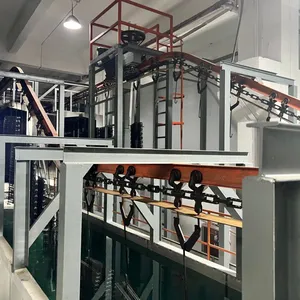
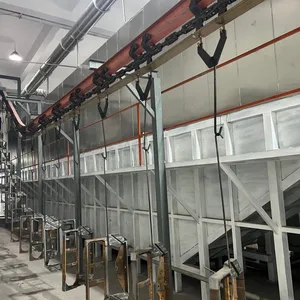
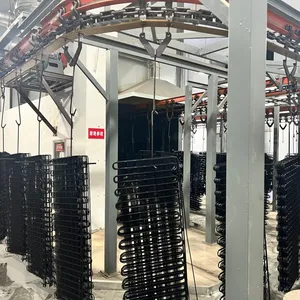
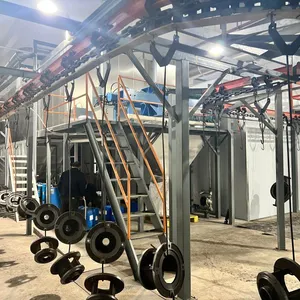
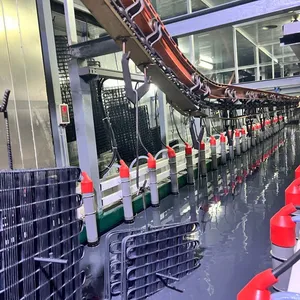
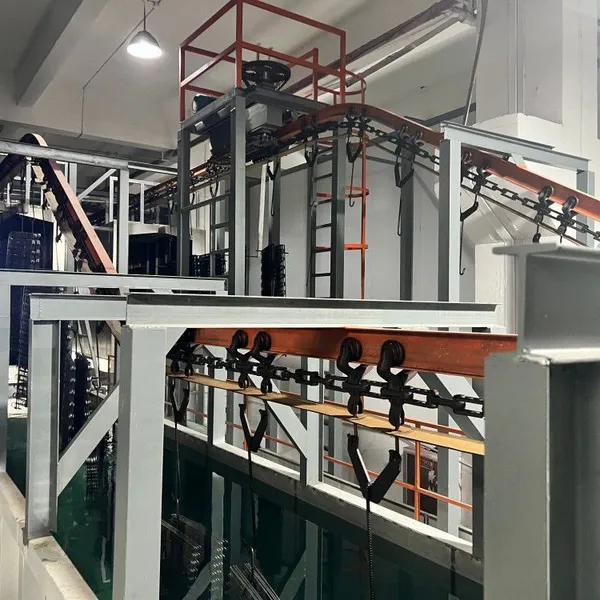
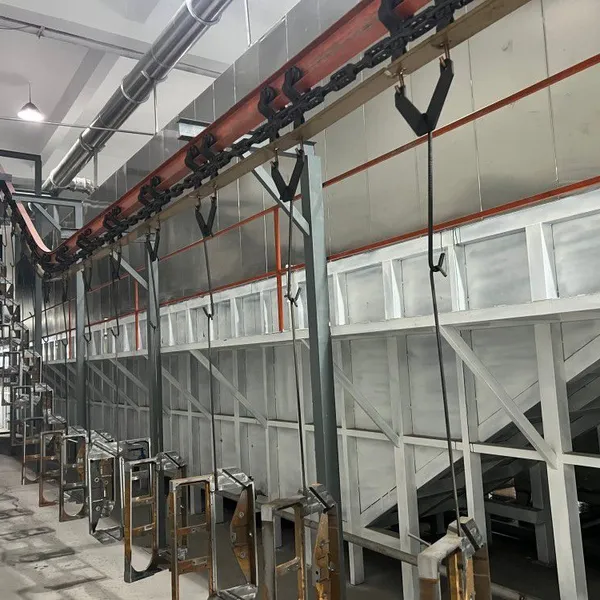
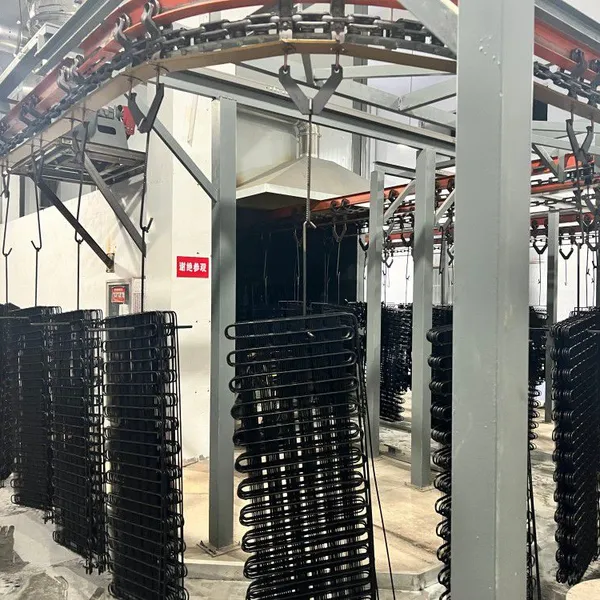
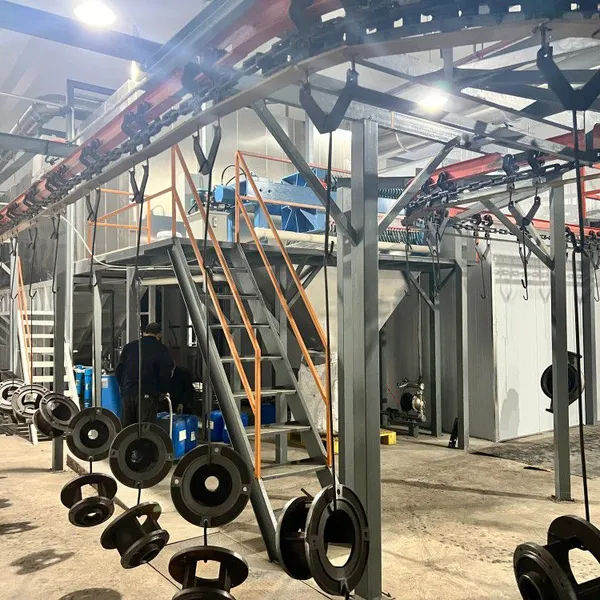
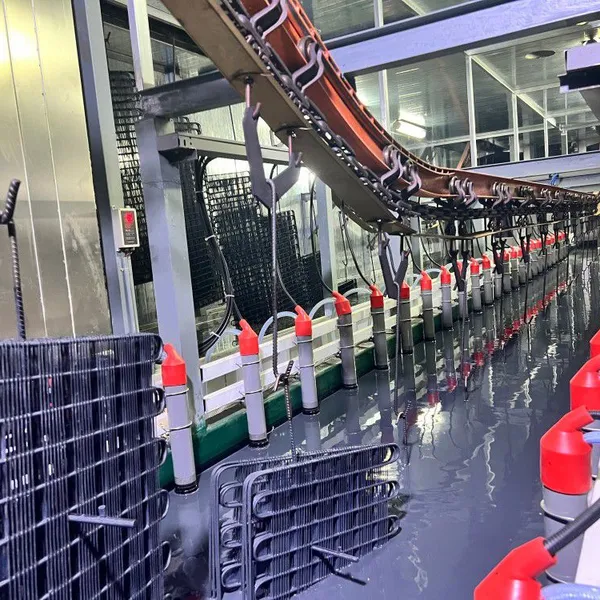
Semi-Automatic Electrophoretic Coating Line for Automotive Components
Product Spotlights


Related Products
-
 304 Stainless Steel Electrophoretic Coating Production SystemNegotiableMOQ: 1 Set
 -
High Efficiency Water Pump Workpiece Electrophoretic Coating EquipmentNegotiableMOQ: 1 Set
-
Industrial Electrophoresis Line for Metal Water Pump Workpieces ProcessingNegotiableMOQ: 1 Set
-
Full Automatic Electrophoresis Line for Cast Iron Water Pump ComponentsNegotiableMOQ: 1 Set
-
Electrophoretic Coating Line for Heavy-Duty Construction MachineryNegotiableMOQ: 1 Set
As a dedicated manufacturer with over a decade of experience, Deqing Leixin Coating Equipment Co., Ltd. proudly presents our advanced Semi-Automatic Electrophoretic Coating Line. Established in 2011 and operating from our modern facility in Huzhou, Zhejiang, we specialize in delivering robust and efficient coating solutions tailored for the automotive industry. This line is engineered to provide a uniform, high-quality protective finish for various automotive components, enhancing corrosion resistance and aesthetic appeal while optimizing production efficiency and cost-effectiveness for our clients worldwide.
Our semi-automatic system strikes an ideal balance between automation and manual oversight, making it a smart investment for workshops seeking to upgrade their capabilities without the full complexity of a fully automated line. Here are the key features and advantages:
- Superior Corrosion Protection: The electrophoretic process ensures a consistent, pin-hole free coating layer that thoroughly covers complex geometries, edges, and recessed areas, providing exceptional defense against rust and environmental degradation.
- Enhanced Process Control: Equipped with a user-friendly PLC and HMI interface, operators can precisely monitor and adjust critical parameters such as voltage, current, bath temperature, and immersion time, ensuring repeatable quality batch after batch.
- Optimized Material Utilization: E-coating boasts high transfer efficiency, significantly reducing paint waste compared to conventional spray methods. This leads to lower material costs and a more environmentally friendly operation.
- Robust Construction: Key components like the pretreatment tanks, e-coat tank, and rinse stations are constructed from durable materials such as stainless steel or polypropylene, ensuring long service life and resistance to chemical corrosion.
- Flexible Configuration: The line can be customized to include various stages like degreasing, phosphating, multiple rinses, curing oven, and cooling zones, tailored to specific component requirements and production volumes.
Below is a summary of typical technical specifications for our standard line configuration. Please note that parameters can be customized based on your specific needs.
| Parameter | Specification / Description |
|---|---|
| Max Workpiece Dimension | Customizable (e.g., L2000 x W800 x H600mm typical) |
| Line Speed | Adjustable, typically 0.5 - 2.5 m/min |
| Conveyor Load Capacity | Up to 100 kg per hanger (customizable) |
| Power Supply for E-Coating | DC Rectifier, Voltage & Current range available upon request |
| Curing Oven Temperature | Typically 160°C - 200°C (adjustable) |
| Control System | PLC with Color Touch Screen HMI |
| Overall Power Requirement | Depends on configuration (provided upon inquiry) |
For automotive component manufacturers, this line translates into tangible benefits: reduced labor intensity through semi-automation, consistent finish quality that meets industry standards, scalable production to match growing demand, and lower total operating costs through efficient energy and paint usage.
Backed by our ISO9001-certified quality management system and over 12 years of manufacturing expertise, Deqing Leixin ensures every coating line is built with precision and reliability. Our annual export value of US$1-1.5 Million and presence in key markets across Southeast Asia, Africa, the Middle East, and beyond stand as a testament to the trust we've built with our global clientele. We invite you to leverage our experience. Contact us today to discuss how this semi-automatic electrophoretic coating line can be tailored to protect and enhance your automotive components, driving your product quality and business forward.
Frequently Asked Questions (FAQ)
Q1: What is the main advantage of a semi-automatic line over a manual process?
A: A semi-automatic line significantly improves consistency, throughput, and reduces operator fatigue. It automates critical steps like conveyor movement, tank immersion timing, and parameter control, while retaining operator oversight for loading/unloading and quality checks, offering a great balance of efficiency and control.
Q2: Can this line handle different sizes and shapes of automotive parts?
A: Yes. The system is highly customizable. The conveyor hanger design, tank dimensions, and oven size can be adapted to accommodate a wide range of components, from small brackets and fasteners to larger assemblies like chassis parts or body panels.
Q3: What kind of pretreatment is included, and is it necessary?
A: Pretreatment (e.g., degreasing, phosphating) is crucial for adhesion and corrosion performance. Our standard line configurations typically include these stages. The specific chemicals and number of stages can be customized based on the substrate material (steel, aluminum, etc.) and the desired final coating performance.
Q4: What is the typical lead time for such a coating line?
A: Lead time depends on the final customized specification and complexity. For a standard configuration, it generally ranges from 60 to 90 days after order confirmation and final design approval. We provide detailed project timelines upon quotation.
Q5: Do you provide installation, training, and after-sales support?
A: Absolutely. We offer comprehensive support including installation supervision by our engineers, detailed operational and maintenance training for your staff, and reliable after-sales service with readily available spare parts to ensure minimal downtime.
Q6: How energy-efficient is the curing oven?
A: Our curing ovens are designed with insulation and efficient heating elements (electric or gas) to minimize heat loss. Energy consumption varies with size and temperature profile, but we focus on designs that provide effective curing while managing operational costs.
Q7: Can we use different types of e-coat paints (anodic vs. cathodic) on the same line?
A: The line can be configured for either anodic or cathodic electrocoating. However, switching between the two types on the same line requires thorough cleaning and process changeover, which is not typically done frequently. It's best to specify the paint type during the design phase.
Q8: What are the main factors affecting the coating thickness achieved?
A: Coating thickness is primarily controlled by the applied voltage, immersion time, and the solid content/temperature of the paint bath. Our PLC system allows precise control over these variables to achieve the specified thickness range consistently.

Send Inquiry to This Supplier


You May Also Like
-
Custom E‑Coating Production Line for Water Pump Parts Surface FinishingNegotiableMOQ: 1 Set
-
Gantry Type Electrophoretic Coating Line With PLC Control & Automatic ConveyorNegotiableMOQ: 1 Set
-
Gantry Type Automatic E-Coating Production Line for Metal WorkpiecesNegotiableMOQ: 1 Set
-
High-Speed Gantry Electrophoretic Coating Line for Metal Fabrication PartsNegotiableMOQ: 1 Set
-
Custom Gantry Electrophoretic Coating Line for Automotive Component FinishingNegotiableMOQ: 1 Set
-
Gantry Transport Type Electrophoretic Coating Line for Industrial WorkpiecesNegotiableMOQ: 1 Set
-
Compact E-Coating System for Small Metal Components in Automotive & Medical Device ProductionNegotiableMOQ: 1 Piece
-
Small-Scale Electrophoretic Coating Equipment for Precision Metal Parts, Stainless Steel TankNegotiableMOQ: 1 Piece
-
Compact Electrophoretic Coating Line for Miniature Metal Components With PLC ControlNegotiableMOQ: 1 Piece
-
Automatic Electrophoretic Coating Line for Precision Hardware PartsNegotiableMOQ: 1 Piece


