








 Contact Platform Support
 Help Center
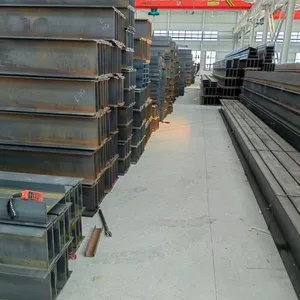
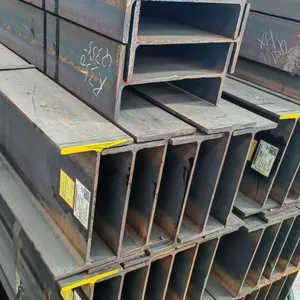
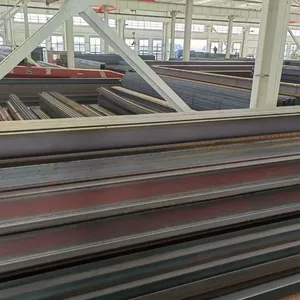
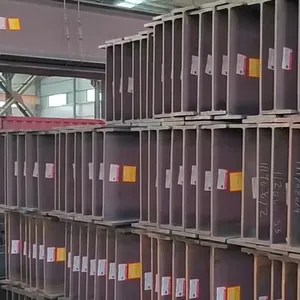
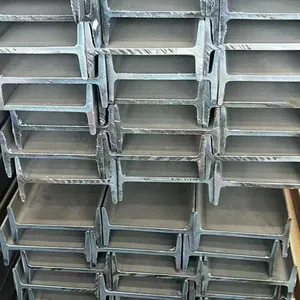
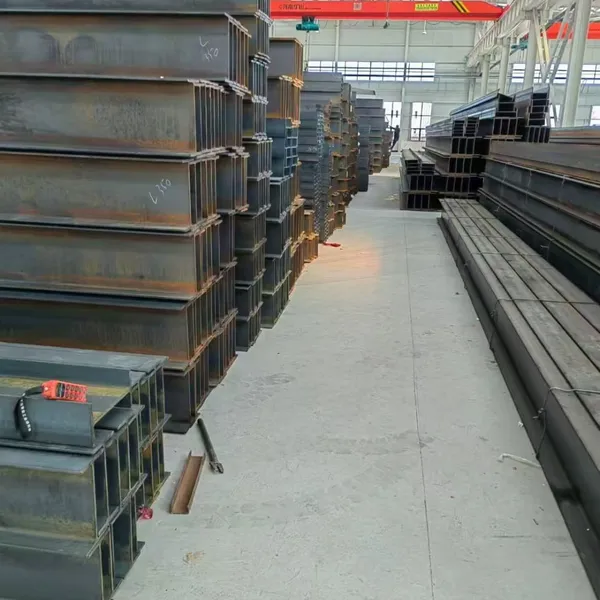
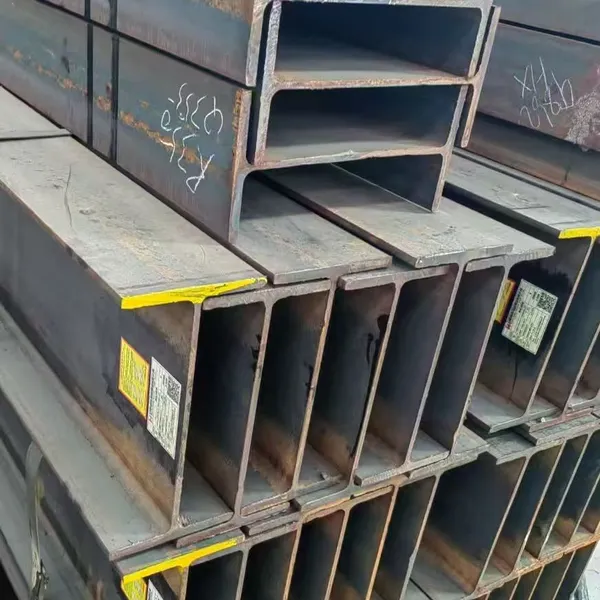
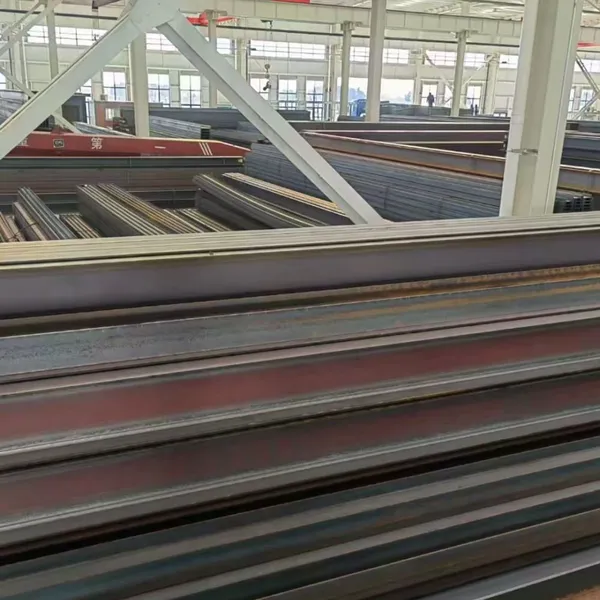
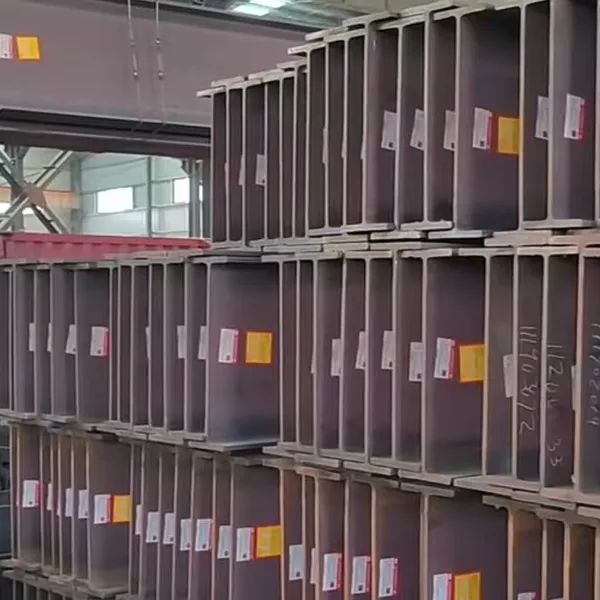
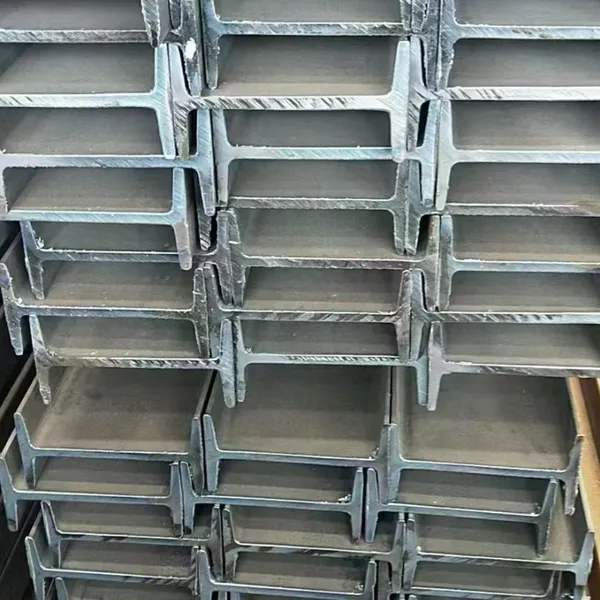
Steel H Beam & H Beam In Stock,Q235B、Q355B、Q420B、SM490、SS400


Related Products
-
 Steel H Beam & H Beam In Stock,Q235B、Q355B、Q420B、SM490、SS400NegotiableMOQ: 5 Metric Tons
 -
Steel H Beam & H Beam In Stock,Q235B、Q355B、Q420B、SM490、SS400NegotiableMOQ: 5 Metric Tons
-
Steel H Beam & H Beam In Stock,Q235B、Q355B、Q420B、SM490、SS400NegotiableMOQ: 5 Metric Tons
-
Steel Angle & Thickened Angle Steel,GB/T 706-2016、GB/T 2101-2017、GB/T 700、GB/T 1591NegotiableMOQ: 5 Metric Tons
-
Steel Angle & Thickened Angle Steel,GB/T 706-2016、GB/T 2101-2017、GB/T 700、GB/T 1591NegotiableMOQ: 5 Metric Tons
H Steel Product Detailed Description
H-beam (commonly known as H steel) is an economical section steel with an H-shaped cross-section and excellent mechanical properties. It is widely used in construction, bridges, factory buildings and heavy equipment foundations. Its core advantages include bidirectional stress bearing, light self-weight, large span and convenient installation.
1. Basic Definition and Section Characteristics
Definition: With an H-shaped cross-section, composed of web (vertical plate) and flange (upper and lower horizontal plates). The inner and outer surfaces of the flange are parallel with right-angle ends, also known as Wide Flange I-beam.
Section Parameter Marking (Example: H300×200×8×12)
H = Section Height (Web Height)
B = Flange Width
t₁ = Web Thickness
t₂ = Flange Thickness
2. Main Classification (In accordance with GB/T 11263-2017)
2.1 Classified by Flange Proportion (Hot Rolled H-beam)
HW (Wide Flange): H≈B (h/b≈1), high stiffness of minor axis, specially used for building columns (such as high-rise frame columns).
HM (Medium Flange): H/B≈1.33~1.75, balanced bending and compression resistance, applied for frame columns and heavy-duty beams.
HN (Narrow Flange): H/B≥2, strong bending resistance of major axis, mainly used as beams (such as main workshop beams).
HT (Thin-walled): Thin web and flange, suitable for light-duty components and supports.
2.2 Classified by Production Process
Hot Rolled H-beam: Produced by heating and rolling steel billets, featuring good integrity and high precision, the first choice for conventional engineering.
Welded H-beam: Made by cutting and welding steel plates with flexible dimensions, applicable for oversized specifications and special load-bearing requirements.
3. Material Grade and Execution Standard
Common Material Grades: Q235B, Q355B (Original Q345B), Q420B; Export grades: SM490, SS400.
Execution Standards:
Hot Rolled: GB/T 11263-2017
Welded: YB/T 5004-2018
4. Mechanical Properties and Core Advantages
Bidirectional Stress Resistance: Double symmetrical section, close moment of inertia of major axis (x) and minor axis (y), excellent performance in bending, torsion and compression resistance.
High Strength-to-Weight Ratio: Under the same load condition, it is 15%-20% lighter than I-beam, reducing foundation and transportation costs.
Good Lateral Stability: Wide flange design effectively prevents instability, ideal for large-span and high-clearance projects.
Efficient Construction: Parallel and right-angle flanges facilitate bolt and welding connection, supporting dry construction and short construction period.
5. Key Differences Between H-beam and I-beam
Section Structure: H-beam features parallel and equal-thickness flanges with right angles; I-beam has inclined inner flanges (1:6 slope) with thinner outer edges and thicker inner edges.
Stress Performance: H-beam realizes bidirectional bending resistance; I-beam is only strong in one direction and prone to instability on the minor axis.
Application Scope: H-beam for columns, large-span beams and high-rise buildings; I-beam for small and medium-span beams and light-duty supports.
6. Typical Application Scenarios
Steel Structure Construction: Frame columns of high-rise buildings, main beams and columns of factory buildings, roof beams and platform supports.
Bridge Engineering: Main beams of highway and railway bridges, large-span steel bridge components.
Industrial Facilities: Blast furnace frames, equipment supports, pipeline brackets, mine support, offshore oil platforms.
Others: Crane main beams, steel piles, underground engineering support structures.
7. Specification Representation and Theoretical Weight
Specification Expression: Height H × Width B × Web Thickness t₁ × Flange Thickness t₂ (e.g. H400×200×8×12).
Theoretical Weight Reference:
H200×100×5.5×8: 21.7kg/m
H300×150×6.5×9: 37.3kg/m
H400×200×8×12: 66.0kg/m
8. Processing and Surface Treatment
Processing Technology: Available for cutting, welding, drilling and bending; customized fixed lengths (standard 6m/9m/12m).
Surface Treatment: Rust removal (shot blasting/sand blasting), anti-rust paint coating, hot-dip galvanizing and fireproof coating can be customized as required.
9. Procurement and Quality Control
Material Certificate Verification: Provide Factory Certificate, Mill Test Certificate (C/M) and Mechanical Performance Test Report.
Dimensional Accuracy Inspection: Check section height, flange width, web/flange thickness and fillet radius to comply with national standard tolerance.
Surface Quality Control: No cracks, delaminations, scabs or folds; flat end face without burrs.
Packaging and Transportation: Firmly bundled with clear marking (specification, material grade, batch number, manufacturer), moisture-proof and rain-proof.

Send Inquiry to This Supplier



You May Also Like
-
Steel Angle & Thickened Angle Steel,GB/T 706-2016、GB/T 2101-2017、GB/T 700、GB/T 1591NegotiableMOQ: 5 Metric Tons
-
Steel Angle & Thickened Angle Steel,GB/T 706-2016、GB/T 2101-2017、GB/T 700、GB/T 1591NegotiableMOQ: 5 Metric Tons
-
Steel Angle & Thickened Angle Steel,GB/T 706-2016、GB/T 2101-2017、GB/T 700、GB/T 1591NegotiableMOQ: 5 Metric Tons
-
Steel Angle & Thickened Angle Steel,GB/T 706-2016、GB/T 2101-2017、GB/T 700、GB/T 1591NegotiableMOQ: 5 Metric Tons
-
Steel Angle & Thickened Angle Steel,GB/T 706-2016、GB/T 2101-2017、GB/T 700、GB/T 1591NegotiableMOQ: 5 Metric Tons
-
Steel Angle & Thickened Angle Steel,GB/T 706-2016、GB/T 2101-2017、GB/T 700、GB/T 1591NegotiableMOQ: 5 Metric Tons
-
Steel Angle & Thickened Angle Steel,GB/T 706-2016、GB/T 2101-2017、GB/T 700、GB/T 1591NegotiableMOQ: 5 Metric Tons
-
Steel Angle & Thickened Angle Steel,GB/T 706-2016、GB/T 2101-2017、GB/T 700、GB/T 1591NegotiableMOQ: 5 Metric Tons
-
Flat Steel & Flat Steel In Stock,Q235B、Q355B、20#、45#、60Si2Mn、50CrVNegotiableMOQ: 5 Metric Tons
-
Flat Steel & Flat Steel In Stock,Q235B、Q355B、20#、45#、60Si2Mn、50CrVNegotiableMOQ: 5 Metric Tons


