








 Contact Platform Support
 Help Center
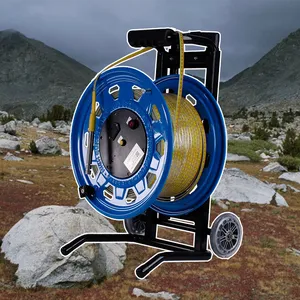
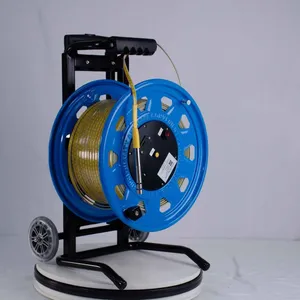
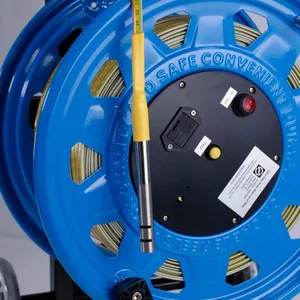
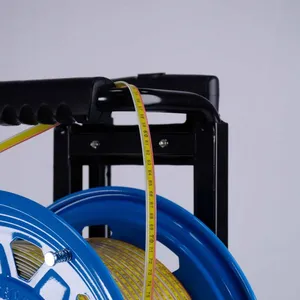
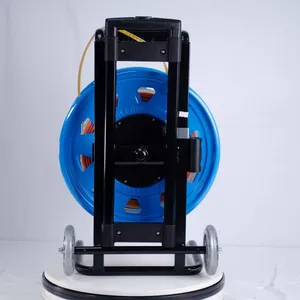
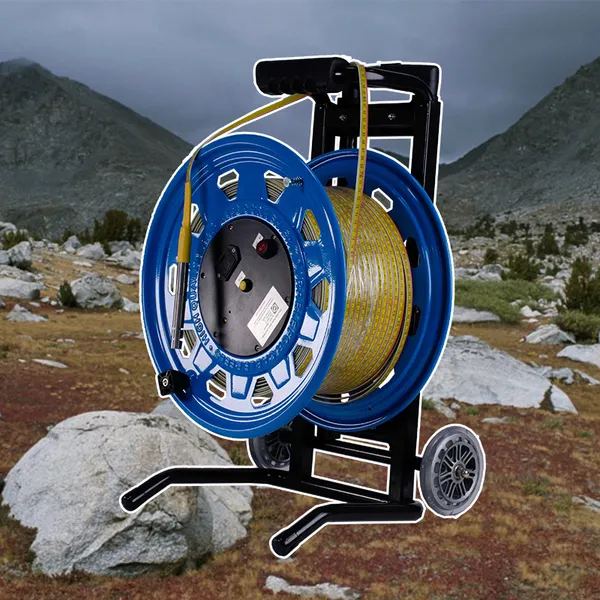
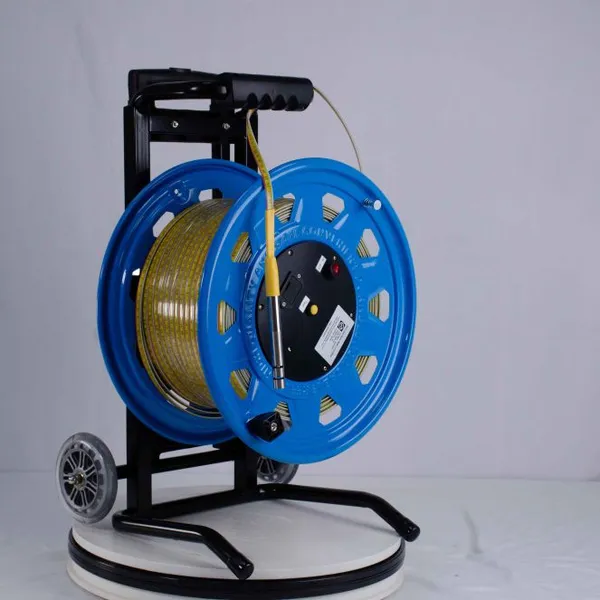
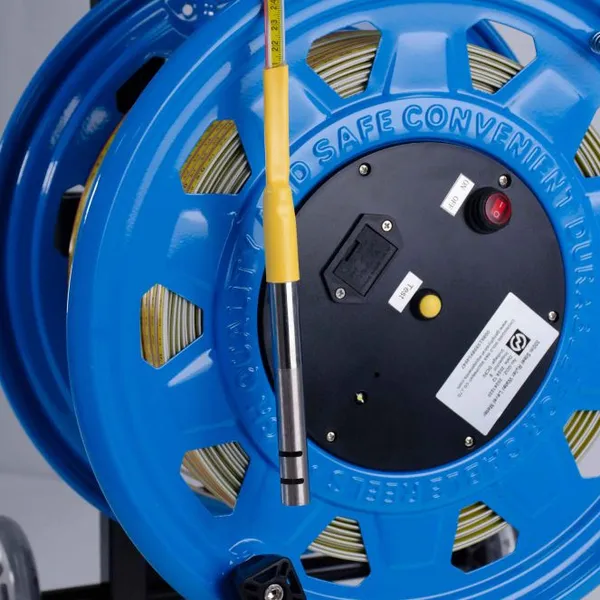
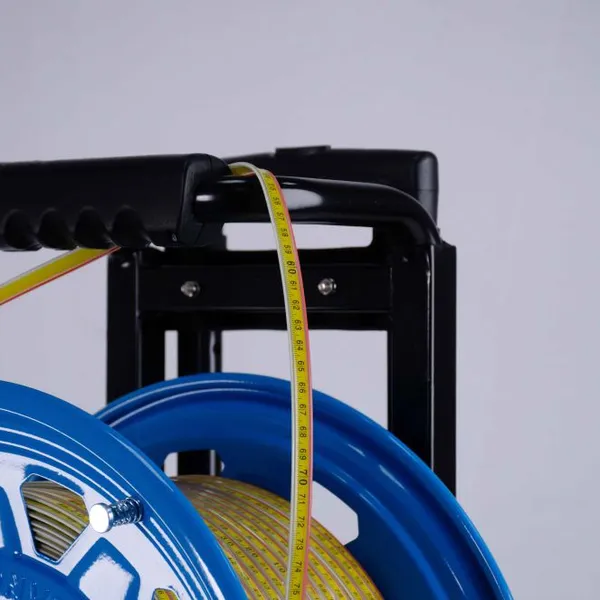
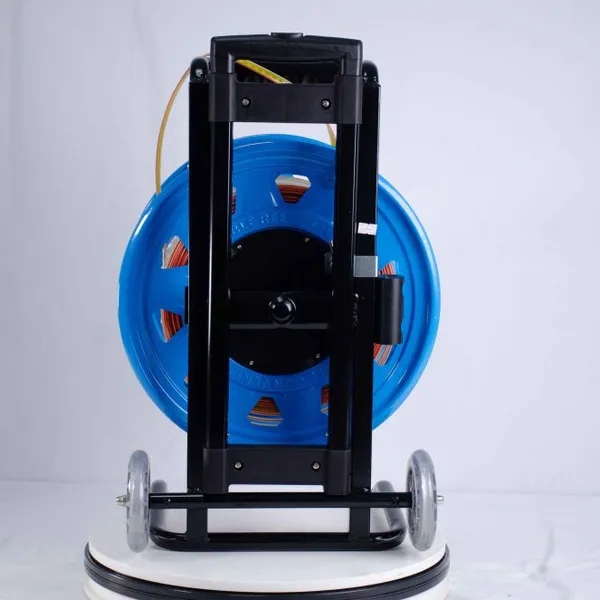
Explosion-proof Water Level Gauge Solar Powered Level Logger



Related Products
-
 Field Geophysical Survey Kit Resistivity Meter Rental ServiceNegotiableMOQ: 1 Set
 -
Rugged Seismic Data Logger Digital Broadband SeismometerUS$ 500MOQ: 1 Set
-
Controlled Source MT System Portable MT Survey KitNegotiableMOQ: 1 Set
-
Pour Point Lowering Wire 8kN Logging CableNegotiableMOQ: 1 Piece
-
Dam Foundation Inspection Cam Tunnel Grouting Check CameraNegotiableMOQ: 1 Set
Floating Production Storage and Offloading (FPSO) Vessel Ballast and Cargo Tank Level Management
Floating Production Storage and Offloading vessels (FPSOs) are massive ship shaped platforms that produce, store, and offload crude oil and natural gas from offshore fields. Maintaining precise ballast tank levels is critical for vessel stability, draft control, and maintaining production uptime during offloading to shuttle tankers. Additionally, cargo tank level monitoring must be continuous and reliable to prevent overfills, which could result in oil spills and catastrophic environmental damage. The FPSO Marine Level Controller provides a unified platform for monitoring both ballast and cargo tanks using redundant level sensors (radar, pressure, and servo based), integrating with auto ballast systems, and generating custody transfer reports for offloading operations. This system enhances vessel safety, optimizes draft for station keeping, and provides auditable oil quantity data for fiscal allocation.
Offshore Marine Technology for FPSO Stability and Cargo Integrity:
Redundant Cargo Tank Level Measurement for Custody Transfer: Each cargo oil tank is equipped with two independent level measurement systems: a radar level gauge (non intrusive) and a servo gauge (float based) for redundancy. The system compares both readings; if they disagree beyond a configurable limit (typically 25 millimeters), it raises a deviation alarm for investigation. For fiscal offloading, the system selects the validated reading and generates a custody transfer ticket accepted by loading masters and oil company auditors.
Dynamic Ballast Control for Vessel Trim and Heel: The FPSO must maintain a specific trim (pitch) and heel (roll) to optimize offloading, weathervaning, and production riser tension. The ballast control system automatically transfers ballast water between tanks to correct trim deviations caused by cargo offloading, wave motion, or changing wind loads. The controller monitors real time level in each ballast tank and commands manifold valves and pumps to shift ballast as needed, keeping the vessel within a 0.2 degree tolerance.
Tank Level Rate of Change for Leak Detection: The system continuously calculates the rate of level change in every ballast and cargo tank. If a tank's level changes in a way that cannot be explained by planned ballasting or cargo loading operations, the system flags a potential leak. For cargo tanks, even a slow leak of 1 cubic meter per hour is detectable within 15 minutes. This early warning prevents uncontrolled oil discharge and minimizes environmental liability.
Integrated Offloading Sequence Automation: During offloading to a shuttle tanker, the system coordinates pump operations based on real time level from cargo tanks and feedback from the shuttle tanker. It automatically adjusts pump speed to maintain a target offload rate, and initiates a controlled stop when the designated low level is reached, preventing pump cavitation or air ingress into the cargo system.
FPSO Marine Operation Workflow for Safety and Fiscal Accuracy:
Tank Configuration and Sensor Calibration: During vessel commissioning, each tank's geometry, strapping table, sensors, and calibration curves are entered. System verification includes cross checking radar vs. servo readings at multiple fill levels.
Continuous Monitoring with Automated Ballast and Leak Detection: During normal operation, the system displays interactive tank diagrams, live levels, and trim status. It operates ballast pumps and valves to maintain stability, while continuously comparing redundant cargo readings for consistency.
Offloading Event Management and Custody Transfer: When offloading begins, the operator initiates an offloading sequence. The system records initial cargo volumes, tracks the offload rate, logs the final volumes, and prints a custody transfer certificate signed by both FPSO and shuttle tanker representatives.
| FPSO Marine Level Specifications | Maritime & Safety Standards |
|---|---|
| Cargo Level Measurement Technology | Radar (Non Contact) + Servo Gauge (Redundant) |
| Custody Transfer Accuracy | ±0.2% of Volume (API MPMS Chapter 3) |
| Ballast Level Measurement | Pressure Transmitter (Submersible) |
| Trim and Heel Control Accuracy | ±0.1 Degree |
| Leak Detection Sensitivity | 1 m³/hr Threshold, 15 Minutes Confirmation |
| Offloading Rate Control | VFD Pumps, Flow Feedback, Automated Shutdown |
| Regulatory Compliance | IMO SOLAS, MARPOL Annex I, OIML R117 |

Send Inquiry to This Supplier


You May Also Like
-
Well Depth Sounding Device Remote Water Level TelemetryNegotiableMOQ: 1 Piece
-
High-Resolution IP Chargeability Meter Cross-Hole Resistivity Tomography SystemNegotiableMOQ: 1 Set
-
Professional Seismic Source Compact Seismic SourceUS$ 500MOQ: 1 Set
-
Fast Measurement Magnetometer GPS MagnetometerNegotiableMOQ: 1 Set
-
Battery Powered Downhole Probe Wireless Geological Direction FinderNegotiableMOQ: 1 Set
-
Screen Condition Downhole Tool Gravel Pack Visual Check CamNegotiableMOQ: 1 Set
-
Differential Pressure Level Transmitter Smart Level Sensor Iot EnabledNegotiableMOQ: 1 Piece
-
Streaming Potential Resistivity Meter Self-Potential Resistivity DeviceNegotiableMOQ: 1 Set
-
Seismic Refraction Equipment Seismic Cable With ConnectorsNegotiableMOQ: 1 Set
-
TEM Data Stacking Software Shallow Subsurface Imaging SystemNegotiableMOQ: 1 Set


