








 Contact Platform Support
 Help Center
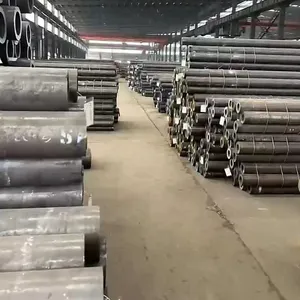
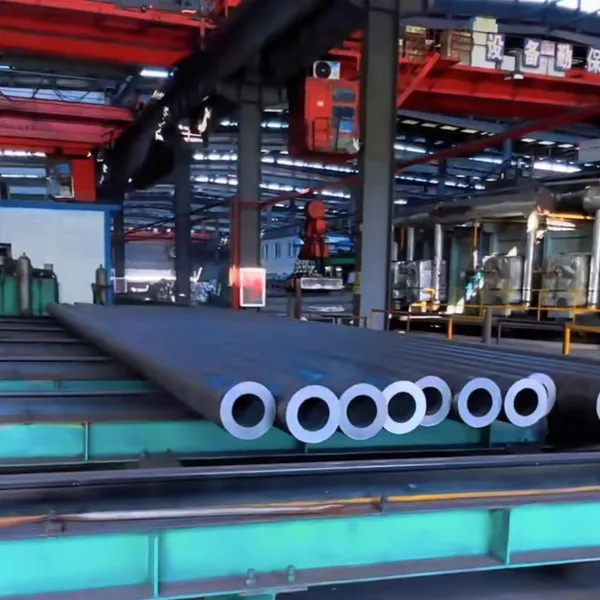
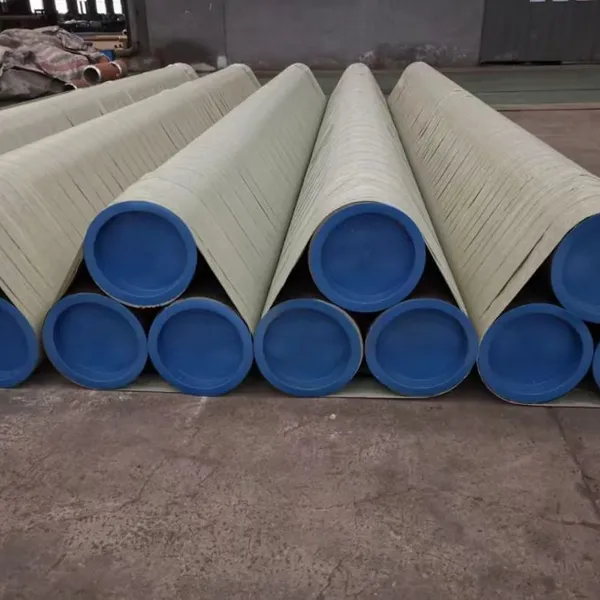
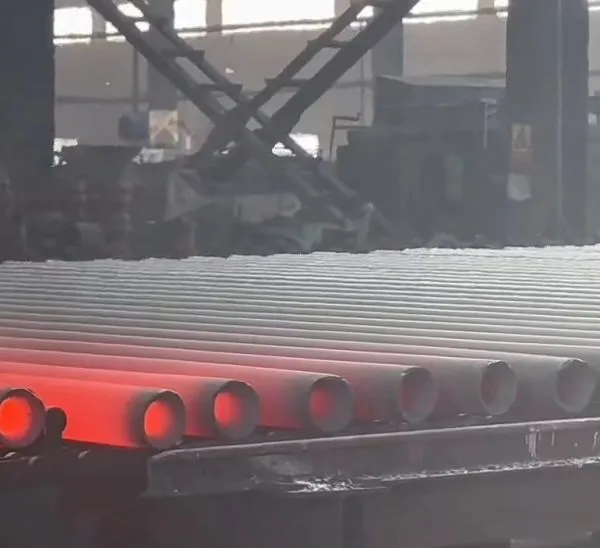
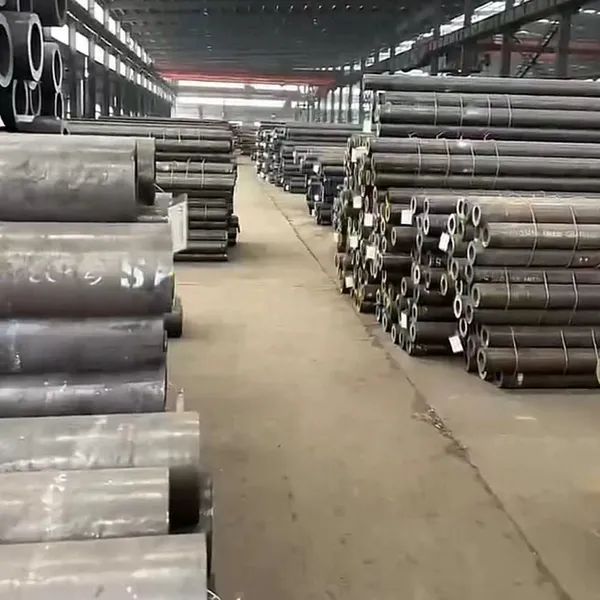
Steel Pipe & Tube & Carbon Steel Pipe,Q195、Q215、Q235、Q355



Related Products
-
 Steel Pipe & Tube & Carbon Steel Pipe,Q195、Q215、Q235、Q355NegotiableMOQ: 5 Metric Tons
 -
Steel Pipe & Tube & Carbon Steel Pipe,Q195、Q215、Q235、Q355NegotiableMOQ: 5 Metric Tons
-
Steel Pipe & Tube & Carbon Steel Pipe,Q195、Q215、Q235、Q355NegotiableMOQ: 5 Metric Tons
-
Steel Pipe & Tube & Precision Steel Pipe,GB/T 3639, GB/T 8162, DIN 2391, EN 10305NegotiableMOQ: 5 Metric Tons
-
Steel Pipe & Tube & Precision Steel Pipe,GB/T 3639, GB/T 8162, DIN 2391, EN 10305NegotiableMOQ: 5 Metric Tons
I. Product Definition
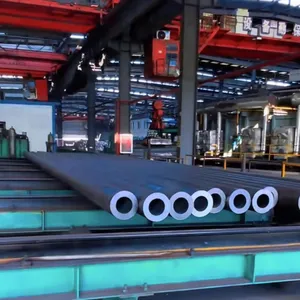
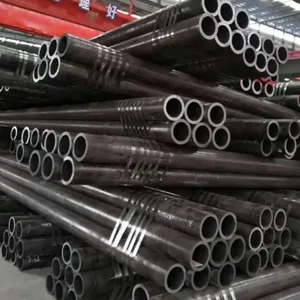
Carbon Steel Pipe is a hollow pipe processed by seamless rolling (hot rolling, cold rolling) or welding (straight seam welding, spiral welding) with carbon structural steel (Q195, Q215, Q235, Q355, etc.) as the base material. According to the production process, it can be divided into two categories: seamless carbon steel pipe and welded carbon steel pipe. Its carbon content is usually between 0.06% and 0.22%, without intentionally added alloying elements (such as chromium, nickel, molybdenum, etc.). Relying on the mechanical properties and processing properties of the base material itself, it meets the bearing and transportation needs of different scenarios, and has the core characteristics of low cost, strong applicability and easy processing. It is an indispensable basic pipe in all walks of life.
II. Core Product Features
(1) Excellent Mechanical Properties and Strong Bearing Capacity
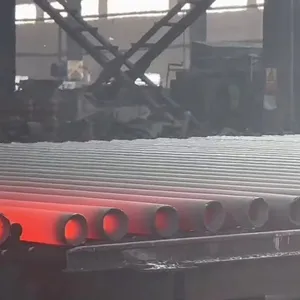
The base material of carbon steel pipe is high-quality carbon structural steel, which has high tensile strength, yield strength and toughness, excellent compression, bending and impact resistance, and can bear a certain pressure and load, suitable for scenarios such as structural support and mechanical parts manufacturing. Seamless carbon steel pipes are processed by hot rolling and cold rolling processes, with uniform and refined grains and more stable mechanical properties; welded carbon steel pipes have firm welds through precise welding processes, which can meet the use requirements of medium and low pressure scenarios.
(2) Easy to Process, Suitable for Various Processing Methods
Carbon steel pipe has good plasticity, and can easily realize various processing operations such as cutting, welding, bending, drawing and threading, without complex pretreatment processes, with high processing efficiency. It can be processed into parts or pipes of different sizes and shapes according to actual needs, adapting to the differentiated processing needs of different fields such as construction, machinery and fluid transportation, and reducing subsequent processing costs.
(3) Outstanding Economy and High Cost-Effectiveness
Compared with alloy steel pipes, carbon steel pipes have low raw material costs, mature production processes, prominent cost-effectiveness in mass production, low procurement costs and sufficient supply, without high procurement and use costs. At the same time, it has a long service life and simple maintenance. In medium and low pressure, non-corrosive scenarios, the comprehensive use cost is much lower than other types of pipes, making it one of the most cost-effective basic pipes.
(4) Diverse Specifications and Wide Adaptability
According to the needs of use scenarios, carbon steel pipes of different diameters, wall thicknesses and lengths can be produced, covering two types: seamless and welded. The diameter ranges from 10mm to 1200mm, the wall thickness can be flexibly customized from 1.0mm to 20.0mm, the conventional length is 6m, 9m and 12m, and the special length can be customized on demand, adapting to various scenarios such as fluid transportation, structural support and mechanical manufacturing.
(5) Strong Applicability and Wide Application Scenarios
Carbon steel pipes can be applied to neutral and dry environments without complex anti-corrosion treatment. If they are subjected to anti-corrosion treatment such as galvanizing and painting, they can be applied to mild corrosion scenarios. It can not only be used to transport fluids such as water, oil and gas, but also be used for building structural support and mechanical parts manufacturing, adapting to many industries such as industry, construction, municipal administration and agriculture, with extremely strong versatility.
III. Main Specification Parameters
Parameter Category |
Specific Description |
Base Material Type |
Carbon structural steel, main models are Q195, Q215, Q235, Q355, 10#, 20#, etc. |
Production Process |
Seamless process (hot rolling, cold rolling), welding process (straight seam welding, spiral welding) |
Diameter Range |
DN10 (10mm) - DN1200 (1200mm), conventional diameter DN15-DN300, special diameter can be customized |
Wall Thickness Range |
1.0mm - 20.0mm, conventional wall thicknesses are 2.75mm, 3.5mm, 4.0mm, 6.0mm, can be customized on demand |
Length Specification |
Conventional lengths are 6m, 9m, 12m, special lengths of 3m-18m can be customized to adapt to different installation scenarios |
Executive Standard |
GB/T 8163-2018 "Seamless Steel Pipes for Fluid Transport", GB/T 3091-2015 "Welded Steel Pipes for Low Pressure Fluid Transport", etc. |
Connection Method |
Thread connection, welding, flange connection, groove connection, adapting to different installation needs |
IV. Base Material Model and Chemical Composition Table
The base material of carbon steel pipe mainly adopts carbon structural steel. Different models have slightly different carbon content and alloy element content, which determine their different mechanical properties and adapt to different scenario needs. The following is the chemical composition (mass fraction) of commonly used material models, which meets relevant national standards and ensures the strength, toughness and processing performance of the pipe.
Material Model |
C (Carbon) |
Si (Silicon) |
Mn (Manganese) |
P (Phosphorus) ≤ |
S (Sulfur) ≤ |
Application Description |
Q235 |
0.17~0.22 |
≤0.35 |
0.35~0.65 |
0.045 |
0.050 |
The most widely used, suitable for conventional scenarios such as low-pressure fluid transport, building structural support, and ordinary mechanical parts |
Q355 |
0.18~0.24 |
≤0.55 |
1.20~1.60 |
0.045 |
0.045 |
High strength, suitable for high-pressure and high-load scenarios such as medium-pressure fluid transport, heavy-duty building structures, and mechanical manufacturing |
10# |
0.07~0.14 |
≤0.17 |
0.35~0.65 |
0.035 |
0.035 |
Low carbon steel, good plasticity and easy welding, suitable for scenarios such as precision mechanical parts and low-pressure fluid transport |
20# |
0.17~0.24 |
≤0.35 |
0.35~0.65 |
0.035 |
0.035 |
Medium carbon steel, moderate strength and toughness, suitable for scenarios such as medium and low pressure fluid transport, mechanical processing, and pipe fittings |
V. Applicable Application Scenarios
With excellent mechanical properties, economy and easy processability, carbon steel pipes are widely used in many industries such as industry, construction, municipal administration, machinery and agriculture, covering a variety of scenarios. The specific applications are as follows:
Fluid Transport Field: Used for transporting medium and low pressure fluids such as water, tap water, sewage, petroleum, natural gas, steam and compressed air, adapting to scenarios such as industrial pipelines, municipal pipe networks and civil water supply pipelines, and is the core pipe for fluid transport.
Construction Field: Used for building structural support, scaffolding, steel structure columns, wall embedded pipes, floor heating pipes, etc. It has high strength and strong bearing capacity, adapting to various construction projects such as residential buildings, factories and bridges.
Mechanical Manufacturing Field: Used for manufacturing mechanical parts, equipment bases, machine tool supports, gears, shafts, etc. It is easy to process and has good toughness, which can meet various needs of mechanical processing and is a basic consumable for mechanical manufacturing.
Industrial Field: Used for equipment pipelines, transport pipelines, supports, etc. in industries such as chemical industry, metallurgy, electric power and mining. It can adapt to medium and low pressure, normal temperature scenarios in industrial production and meet various industrial production needs.
Municipal Field: Used for urban road drainage, municipal pipe networks, street lamp supports, bus station structures, etc. It has high cost-effectiveness and strong versatility, reducing the cost of municipal engineering construction.
Other Fields: Used for agricultural irrigation pipelines, container accessories, auto parts, furniture accessories, etc. Specifications can be customized according to scene needs to adapt to diverse use needs.
VI. Quality Standards and Testing
1. Executive Standard: Strictly produced in accordance with national and industry standards such as GB/T 8163-2018 and GB/T 3091-2015 to ensure that product quality meets regulatory requirements, and can be adapted to international standards (such as ASTM, JIS, etc.) according to customer needs.
2. Testing Items: Each batch of products has undergone strict testing, mainly including: base material chemical composition testing, pipe diameter and wall thickness accuracy testing, surface quality testing, mechanical performance testing (tensile, yield, impact), water pressure test (to ensure no leakage of pipes), weld quality testing (for welded steel pipes only), etc.
3. Quality Commitment: Unqualified products are strictly prohibited from leaving the factory. All products are provided with quality inspection reports to ensure that the products meet the use requirements. If losses are caused by product quality problems, returns and exchanges can be handled in accordance with the contract.
VII. Storage and Transportation Notes
(1) Storage Requirements
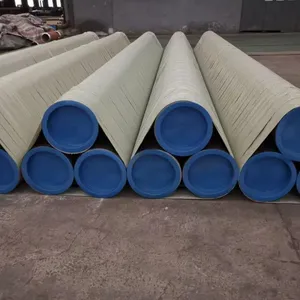
Store in a dry, ventilated and cool warehouse to avoid moisture, rain, exposure to the sun and high temperature, preventing the pipes from rusting and corrosion; the warehouse floor should be flat and dry, and moisture-proof mats should be laid to avoid direct contact between the pipes and the ground, and brackets can be used for overhead storage.
Pipes should be stacked neatly, and the stacking height should not be too high to avoid deformation and damage of the lower pipes due to pressure; carbon steel pipes of different specifications, models and processes should be stacked separately and marked clearly for easy management and access.
Avoid mixing with corrosive substances such as acid, alkali and salt to prevent the pipe surface from rusting; regularly inspect during storage, and timely perform derusting treatment if the pipe surface is rusted to avoid corrosion spread.
(2) Transportation Requirements
During transportation, the pipes must be fixed firmly to avoid collision, friction and extrusion, preventing the pipes from deformation, surface scratches and weld damage; special transport vehicles should be used, fixed with steel wire ropes, wooden wedges, etc. to ensure transportation safety and avoid pipe rolling.
Avoid transportation in bad weather such as rainy days, snowy days and heavy fog to prevent the pipes from getting damp and rusting; if transportation is necessary, rainproof and moisture-proof measures (such as covering with rain cloth) should be taken to avoid the pipes getting wet.
Lift and place gently during loading and unloading, use special spreaders to avoid damage to the ends and surface of the pipes; during loading and unloading, avoid contact between the pipes and sharp objects to prevent surface scratches and affect subsequent use.
VIII. Product Advantages
1. Excellent Mechanical Properties: High strength, good toughness, compression resistance, bending resistance and impact resistance, can bear a certain pressure and load, adapt to various high-demand scenarios, and have a long service life.
2. Strong Processability: Can realize various processing operations such as cutting, welding, bending and threading, with high processing efficiency, no complex pretreatment, and reduce subsequent processing costs.
3. Outstanding Cost-Effectiveness: Low raw material cost, mature production process, low procurement and use cost, preferential prices for bulk procurement, and the comprehensive use cost is much lower than that of alloy steel pipes.
4. Complete Specifications: Covering two types of seamless and welded, the diameter, wall thickness and length can be flexibly customized, adapting to the differentiated needs of different fields and having extremely strong versatility.
5. Sufficient Supply: Mature production process and sufficient production capacity, can undertake large-volume orders, ensure on-time delivery, and guarantee customers' long-term supply needs.
IX. Delivery Cycle
For carbon steel pipes of conventional specifications, the delivery cycle is 5-7 days (calculated from the confirmation of the order and the receipt of payment); for special customized specifications (such as special diameter, wall thickness, length, material), the cycle will be adjusted according to the production difficulty. The specific delivery time will be communicated and confirmed with the customer in advance to ensure on-time delivery without affecting the customer's construction or production plan.

Send Inquiry to This Supplier



You May Also Like
-
Steel Pipe & Tube & Precision Steel Pipe,GB/T 3639, GB/T 8162, DIN 2391, EN 10305NegotiableMOQ: 5 Metric Tons
-
Steel Pipe & Tube & Precision Steel Pipe,GB/T 3639, GB/T 8162, DIN 2391, EN 10305NegotiableMOQ: 5 Metric Tons
-
Steel H Beam & High Frequency H Beam,GB/T 11263-2017、GB/T 33814、YB3301-2005NegotiableMOQ: 5 Metric Tons
-
Steel H Beam & High Frequency H Beam,GB/T 11263-2017、GB/T 33814、YB3301-2005NegotiableMOQ: 5 Metric Tons
-
Steel H Beam & High Frequency H Beam,GB/T 11263-2017、GB/T 33814、YB3301-2005NegotiableMOQ: 5 Metric Tons
-
Steel H Beam & High Frequency H Beam,GB/T 11263-2017、GB/T 33814、YB3301-2005NegotiableMOQ: 5 Metric Tons
-
Steel Angle & Export Angle Steel,Q235B、Q355BNegotiableMOQ: 5 Metric Tons
-
Steel Angle & Export Angle Steel,Q235B、Q355BNegotiableMOQ: 5 Metric Tons
-
Steel Angle & Export Angle Steel,Q235B、Q355BNegotiableMOQ: 5 Metric Tons
-
Steel Angle & Export Angle Steel,Q235B、Q355BNegotiableMOQ: 5 Metric Tons


