








 Contact Platform Support
 Help Center
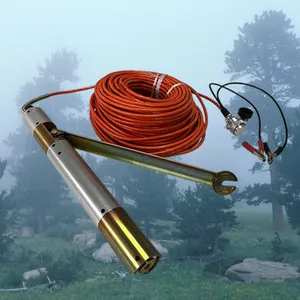
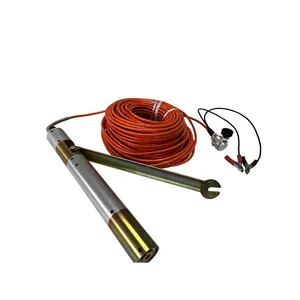
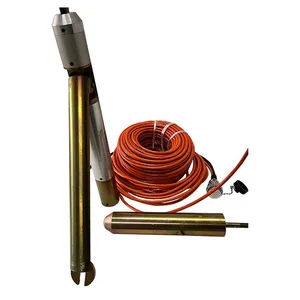
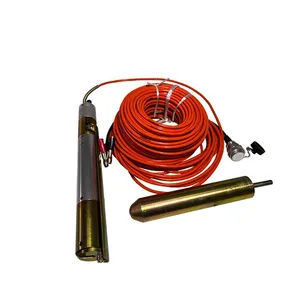
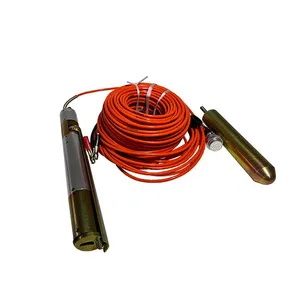
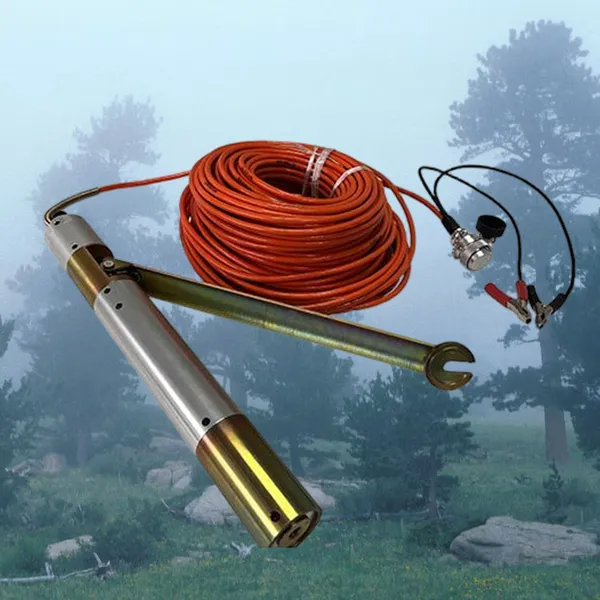
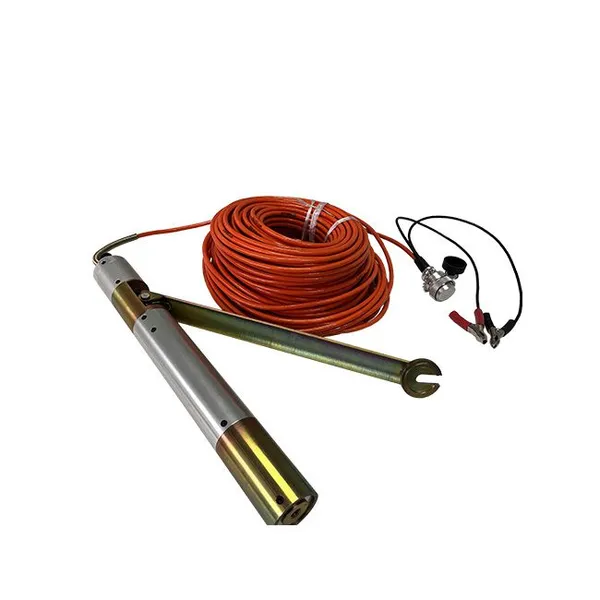
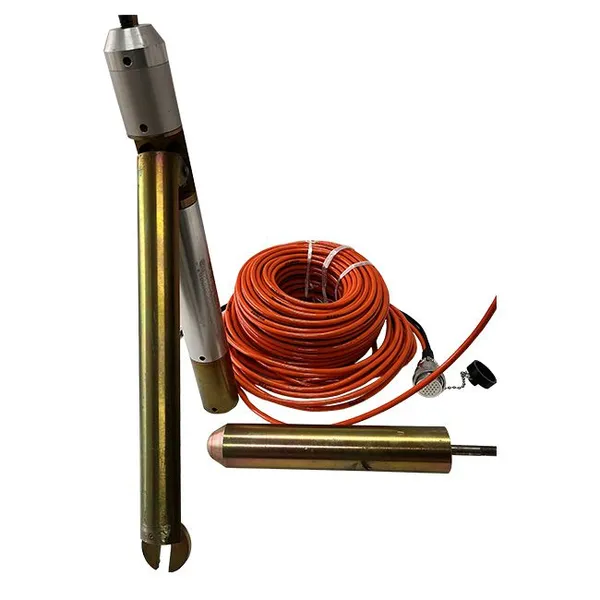
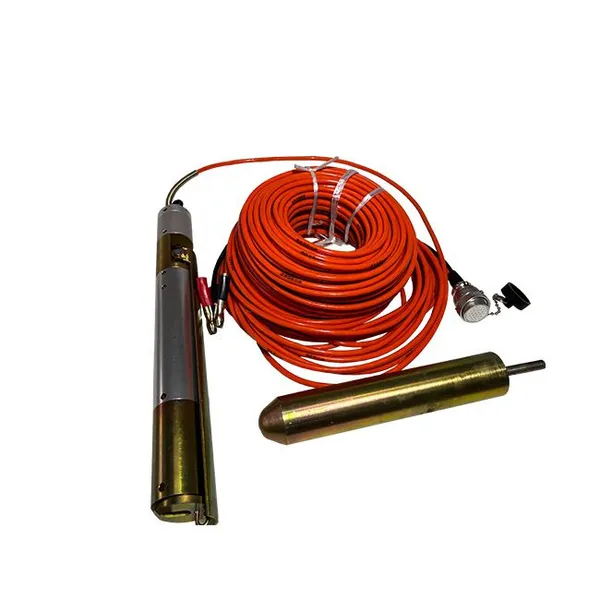
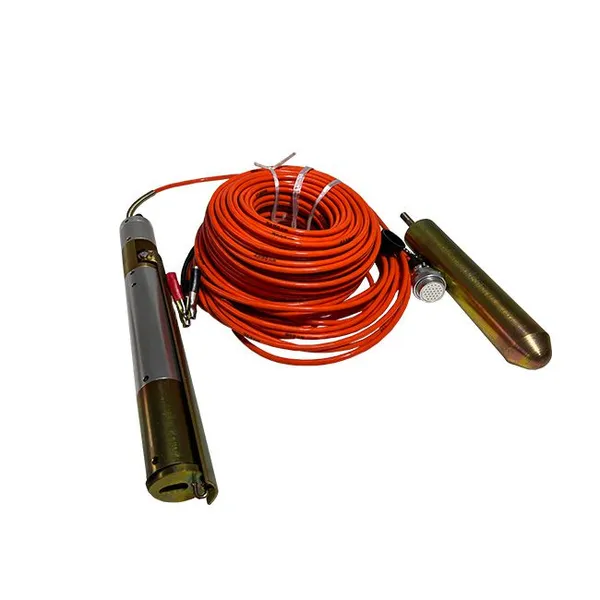
Borehole Geophone Sensor Underground Seismic Sensor



Related Products
-
 Magnetic Surveying System Magnetic Survey EquipmentNegotiableMOQ: 1 Set
 -
Underground Drilling Orientation Tool Portable Hole Alignment InstrumentNegotiableMOQ: 1 Set
-
Portable Geological Imager Subsurface Panoramic CameraNegotiableMOQ: 1 Piece
-
API 5CT Compliant Camera NIST Traceable Measurement CamNegotiableMOQ: 1 Set
-
SCADA Water Level Monitoring 4-20mA Water Level TransmitterNegotiableMOQ: 1 Piece
Solving Five Real World Problems with the Borehole 3C Geophone
Engineers and geoscientists face daily challenges when trying to see underground. This article presents five typical scenarios. For each scenario we show how the Borehole 3C Geophone provides a solution. We repeat the product's key selling points in each story so you never forget what makes this tool special.
Scenario 1: Soft Sediment Site for a New Bridge
A civil engineering firm needed to map soil layers under a riverbed. The boreholes were uncased and prone to collapse. Any tool that pressed hard against the wall would damage the formation. Solution: GDJ-JF Non Adjacent Borehole Geophone. This series does not require wall contact. It sits inside a PVC pipe or simply hangs freely. The 45mm diameter and 6kg weight (with 60m cable) made deployment easy. Frequency was set to 30Hz to balance penetration and resolution. The firm obtained clean S wave velocity profiles and designed pile foundations correctly. Key selling point used: non adjacent coupling plus light weight.
Scenario 2: Deep Cased Well for Carbon Storage
A carbon capture project needed to monitor CO2 injection over five years. The borehole had steel casing from top to bottom. Standard friction based tools would not lock securely. Solution: GDJ-DJ Electromagnetic Borehole Geophone. The magnetic coupling attaches firmly to casing. The 4Hz frequency option allowed deep imaging of the CO2 plume thousands of meters away. Temperature at depth was 52C, within the 25 to 55C range. The 55mm tool diameter fit easily inside the 70mm casing inner diameter. Repeat surveys over 18 months showed consistent coupling. Key selling points: electromagnetic clamping, low frequency 4Hz, high temperature tolerance.
Scenario 3: Narrow Exploration Hole in Hard Rock
A mining company drilled a slim hole (NX size, about 60mm inner diameter) to explore for copper. They needed a 3C geophone that could pass through the drill rods before the hole was cased. Solution: GDJ-JF Non Adjacent Series again because its 45mm outer diameter is the smallest. Height only 300mm allowed the tool to navigate a slight dogleg in the hole. The company chose 100Hz geophone to detect thin mineralized veins within 50 meters of the borehole. They successfully identified a new copper zone. Key selling points: smallest diameter 45mm, short length 300mm, high frequency 100Hz for resolution.
Scenario 4: High Temperature Geothermal Well Monitoring
A geothermal operator wanted to record microseismicity during stimulation. The well temperature reached 54C at 2km depth. Many geophones fail above 50C. Our GDJ-JG Piston Type handled 55C easily. The piston arm provided strong coupling against the rough granite borehole wall. Working mini diameter of the JG series is 50mm to 110mm, matching the well's 90mm average diameter. Weight with 120m cable was 17kg, manageable with a standard winch. Frequency set to 10Hz captured both induced events and ambient noise. Key selling points: piston type coupling for rough walls, 55C temperature rating, wide working diameter range.
Scenario 5: Shallow Environmental Assessment at a Former Factory
Consultants needed to map a DNAPL plume in groundwater. They had three shallow boreholes (20m deep) with PVC casing. No metal for magnetic clamping. Soft sandy formation ruled out aggressive pistons. Solution: GDJ-JF Non Adjacent again. The tool slid easily into PVC casing. 6kg weight allowed one person to lower it by hand. Frequency 40Hz gave good resolution for the thin plume zone. They recorded P wave and S wave data, processed to show high attenuation areas corresponding to contamination. Key selling points: non adjacent operation in PVC casing, ultra light weight, versatile frequency selection.
Consolidated Parameter Table (Same for All Scenarios)
| Model | GDJ-DJ | GDJ-JG | GDJ-JF |
|---|---|---|---|
| Series Type | Electromagnetic | Piston | Non Adjacent |
| Frequency (Hz) | 4 to 100 Optional | 4 to 100 Optional | 4 to 100 Optional |
| Working Mini Diameter (mm) | 70 to 120 | 50 to 110 | Not Applicable |
| Working Temperature (C) | 25 to 55 | 25 to 55 | 25 to 55 |
| Tool Diameter (mm) | 55 | 50 | 45 |
| Tool Height (mm) | 465 | 500 | 300 |
| Weight 60m Cable (kg) | 10 | 12 | 6 |
| Weight 120m Cable (kg) | 14 | 17 | 10 |
Summary of Selling Points Repeated Across Scenarios
We have demonstrated these critical features: three component sensing, wide frequency 4Hz to 100Hz, three coupling methods (electromagnetic, piston, non adjacent), small diameters down to 45mm, light weight starting at 6kg, high temperature 55C, and short lengths for deviated holes. No matter your borehole condition – soft, hard, cased, uncased, narrow, deviated, hot – one of our three series will work.

Send Inquiry to This Supplier


You May Also Like
-
Archaeological Geophysics Resistivity Meter Landslide Monitoring Resistivity SystemNegotiableMOQ: 1 Set
-
Acceleration Canceling Hydrophone 10hz Natural Frequency HydrophoneNegotiableMOQ: 1 Set
-
Geophysical Industry Report Magnetic Survey Equipment RentalNegotiableMOQ: 1 Set
-
Mechanical Logging Winch Winch for Geophysical ExplorationNegotiableMOQ: 1 Piece
-
High Temp Borehole Probe Underwater Rotary CameraNegotiableMOQ: 1 Set
-
Explosion-proof Water Level Gauge Solar Powered Level LoggerNegotiableMOQ: 1 Piece
-
Field Geophysical Survey Kit Resistivity Meter Rental ServiceNegotiableMOQ: 1 Set
-
Rugged Seismic Data Logger Digital Broadband SeismometerUS$ 500MOQ: 1 Set
-
Controlled Source MT System Portable MT Survey KitNegotiableMOQ: 1 Set
-
Pour Point Lowering Wire 8kN Logging CableNegotiableMOQ: 1 Piece
