








 Contact Platform Support
 Help Center
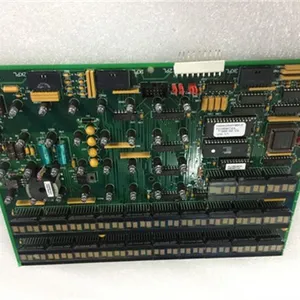
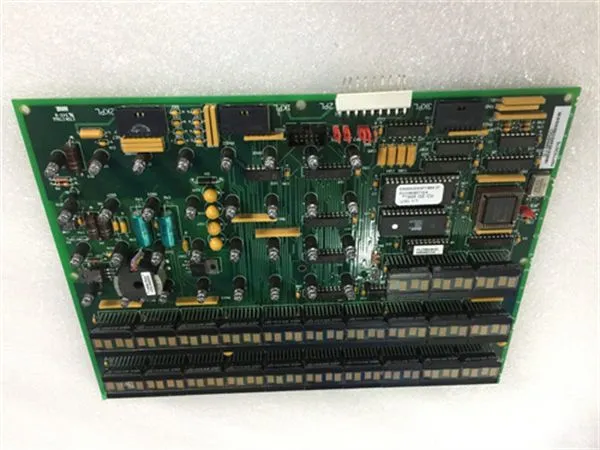
GE DS200UDSAG1ADE Turbine Excitation Card



Related Products
-
 GE DS200PCCAG1ACB Power Connect CardNegotiableMOQ: 1 Piece
 -
GE DS200SIOCG1AEA Instantaneous Overcurrent CardNegotiableMOQ: 1 Piece
-
GE IS200TBCIH1BBC Contact Input Terminal BoardNegotiableMOQ: 1 Piece
-
GE IS200TPROH1BCB Protective Termination BoardNegotiableMOQ: 1 Piece
-
GE DS200SDCCG5AHD Drive Control CardNegotiableMOQ: 1 Piece
I. Basic Information
GE DS200UDSAG1ADE is a multifunctional industrial control module belonging to the GE DS200 series. It is primarily designed for the Mark V series steam turbine control system and can also be widely used in various industrial automation scenarios, serving as a key core component for signal processing, equipment control and system coordination. The module features a multi-functional positioning: its core role is an excitation board, while it also integrates partial functions of analog modules and PLC processor boards (CPU modules). It can flexibly adapt to different industrial control requirements and provide comprehensive signal processing and control support for automation and control systems.
As a dedicated excitation board for the Mark V series steam turbine control system, the core function of this module is to control the generator excitation system. By precisely adjusting the excitation current, it achieves stable control of the generator output voltage and reactive power, ensuring efficient and safe generator operation. Meanwhile, it can seamlessly interface with sensors, actuators and other digital equipment, performing digital input/output, analog signal processing and other functions to meet the special control requirements of industries such as electroplating and electrolysis. Manufactured in the United States with industrial-grade high-quality components, it features high reliability, high precision, strong anti-interference capability and excellent environmental adaptability, enabling stable long-term operation in complex and harsh industrial field environments.
GE DS200UDSAG1ADE has a rational layout and high integration. It is built with an 180196 microprocessor and multiple Erasable Programmable Read-Only Memory (EPROM) modules. The core control unit delivers stable performance and enables high-speed data processing and command execution. The module is equipped with 21 four-character displays and 32 LED indicators, which intuitively reflect the module operating status, parameter settings and fault information, facilitating real-time monitoring and troubleshooting by operation and maintenance personnel. It adopts a compact overall design with a small size and easy installation, allowing flexible integration into various industrial control racks to save installation space.
II. Technical Specifications
Power Specifications: Input voltage range: 85~264VAC; output voltage: 24VDC; output power up to 360W; input current: 500mA; maximum output current: 15A. The power input is stable and can adapt to common voltage fluctuations in industrial sites, ensuring stable operation of the module and external equipment.
Environmental Specifications: Operating temperature range: -25℃~70℃; storage temperature range: -40℃~85℃, suitable for extreme high and low temperature industrial environments. Protection class: IP30, which effectively resists dust interference in industrial sites, prevents foreign matter from entering and damaging the module interior, and meets the requirements of dusty and complex electromagnetic environments.
Dimensions and Weight: Product dimensions: approximately 115mm × 48mm × 150mm; weight: approximately 1.2kg. The compact structure design allows easy installation in standard industrial racks to adapt to different installation space requirements, as well as convenient disassembly and maintenance.
Signal Processing: Integrates digital input/output and analog signal processing capabilities. Output signals support programmable configuration and can be flexibly adjusted according to actual application scenarios. It features high-speed digital input/output, enabling fast response to external signal commands, real-time signal transmission and processing, and adapting to high AC current measurement and control scenarios (e.g., electroplating and electrolysis industries).
Hardware Configuration: Equipped with an 180196 microprocessor and multiple EPROM modules, delivering strong data storage and processing capabilities. Onboard 21 four-character displays and 32 LED indicators provide real-time operating status feedback. Integrated dual redundant processors greatly improve module operation reliability and avoid system shutdown caused by single-component failure.
Communication and Configuration: Supports various mainstream industrial communication protocols, enabling seamless data interaction with various industrial equipment and control systems to eliminate "information islands". It offers flexible configuration methods, supporting parameter setting via three channels: serial console port, telnet console or web browser. It also supports both Chinese menu and command-line operation modes, ensuring user-friendly operation and convenient debugging and maintenance.
III. Functional Features
Core Excitation Control Function: As a dedicated excitation board for the Mark V series steam turbine control system, it can precisely adjust the generator excitation current to control the generator output voltage and reactive power, ensuring stable and consistent generator operation. It provides reliable support for power generation and industrial power supply, serving as a core control component of the generator excitation system.
Diversified Signal Processing Capability: Features high-speed digital input/output for efficient connection with digital equipment such as sensors and actuators, realizing real-time signal acquisition and command issuance. It also supports analog signal processing and can perform high AC current measurement and control, meeting the special application requirements of electroplating, electrolysis and other industries with strong versatility.
High Reliability and Redundancy Protection: Adopts a dual redundant processor design to effectively improve operation reliability and avoid system paralysis caused by single processor failure. Built-in diagnostic and self-test functions monitor the module’s own working status in real time, promptly detecting hardware faults, signal abnormalities and other issues, facilitating quick troubleshooting by operation and maintenance personnel and reducing downtime.
Flexible Configuration and Convenient Operation: Supports three configuration methods (serial console port, telnet console, web browser) to adapt to different operation habits of maintenance personnel. It supports both Chinese menu and command-line operation, with intuitive and easy-to-understand parameter settings and convenient debugging and calibration. Output signals, communication parameters and other configurations can be flexibly adjusted according to actual application scenarios.
High Precision and Anti-Interference Capability: Manufactured with industrial-grade high-precision components, it delivers high signal measurement and control accuracy to meet the demands of high-standard industrial scenarios. The hardware integrates anti-interference design, effectively resisting electromagnetic interference, voltage fluctuations and other impacts in industrial sites, ensuring accurate signal transmission and stable module operation.
Intuitive Status Monitoring: Onboard 21 four-character displays and 32 LED indicators can show real-time module operating parameters, configuration information and fault codes. Operation and maintenance personnel can quickly judge the module status through the indicators and displays, handle abnormalities in a timely manner, and reduce operation and maintenance costs.
IV. Application Areas
Power Industry: As a dedicated excitation board for the Mark V series steam turbine control system, it is mainly used in generator excitation systems of coal-fired power plants, gas-fired power plants, nuclear power plants and other facilities. It regulates generator excitation current, controls output voltage and reactive power, ensuring stable operation of generator units and reliable power supply.
Electroplating and Electrolysis Industry: With its high AC current measurement and control capability, it is widely used in electrical systems of the electroplating and electrolysis industry, realizing precise monitoring and control of high AC current during production, ensuring stable production processes and product quality.
Industrial Automation: Applied to the control of various industrial production lines and automated equipment, performing digital signal input/output, analog signal processing and other functions. It integrates seamlessly with PLCs, sensors, actuators and other equipment to realize automated monitoring and regulation of production processes and improve production efficiency.
Process Control and Monitoring: Used in process control systems of chemical, metallurgical and other industries to monitor key production parameters, control the operation of related actuators, and ensure safe and continuous production. It is also suitable for industrial monitoring systems to realize real-time monitoring and data feedback of equipment operating status.
Other Fields: Also applied in building automation, machine automation, power distribution systems and other scenarios. It provides signal processing, equipment control and communication support for various automated control systems, adapting to the control requirements of different scenarios, especially industrial control scenarios with high requirements for reliability and precision.
V. Operating Notes
Installation Specifications: Install in a well-ventilated and dry location, away from equipment with high temperature, high humidity and strong electromagnetic interference, and reserve sufficient heat dissipation space to prevent performance degradation or damage caused by overheating. Secure the module in strict accordance with standard installation procedures to ensure firm installation and avoid vibration affecting the stability of internal components and terminal connections.
Wiring Requirements: Power wiring must be performed in strict accordance with parameter specifications. Confirm matching of input/output voltage and current, distinguish positive and negative poles, and avoid module damage caused by reverse connection or overload. Route signal cables and power cables separately; shielded cables are recommended to reduce the impact of electromagnetic interference on signal transmission. Check terminal markings during wiring to ensure correct connections and avoid faults caused by poor contact.
Parameter Configuration: Before parameter configuration, clarify parameter requirements based on actual application scenarios and specifications of upstream and downstream equipment. Set parameters through the specified methods (serial console port, telnet console or web browser) and conduct tests after configuration to ensure correct settings and compatibility between the module, control system and external equipment. It is recommended to save configuration files for later maintenance and parameter restoration.
Maintenance: Regularly clean dust from the module surface, check for loose terminal connections and aging lines, and tighten or replace components as needed. Monitor module operation status through onboard displays and LED indicators, perform regular self-tests, and troubleshoot potential faults in a timely manner. Regularly inspect core components such as EPROM modules and processors, and handle abnormalities promptly. Ensure model matching when replacing modules to avoid compatibility issues affecting system operation.
Safe Operation: Do not randomly disassemble or touch internal components during module operation to avoid electric shock or equipment damage. Disconnect the power supply before wiring, maintenance, parameter configuration and other operations, and perform work only after the module is completely powered off. Use the module in strict accordance with equipment operating procedures to prevent faults or potential safety hazards caused by improper operation.

Send Inquiry to This Supplier


You May Also Like
-
GE 531X307LTBAKG1 LAN Terminal BoardNegotiableMOQ: 1 Piece
-
GE IS215UCCCM04A Compact PCI Controller BoardNegotiableMOQ: 1 Piece
-
GE G60E00HAHF8LHXXM8LPXXUXXWXX Generator Control RelayNegotiableMOQ: 1 Piece
-
GE VMIVME-7666-111000 Multifunctional I/O ModuleNegotiableMOQ: 1 Piece
-
GE IS420ESWBH2A Non-hosted Industrial Ethernet (IONet) SwitchNegotiableMOQ: 1 Piece
-
GE VMIVME-3215-000 Thermocouple Signal Acquisition ModuleNegotiableMOQ: 1 Piece
-
GE IS215VCMIH2BB VME Bus Master ControllerNegotiableMOQ: 1 Piece
-
GE IS200VCMIH2BCC Communication Interface CardNegotiableMOQ: 1 Piece
-
GE IS200AEPAH1AHD Excitation Power Control (AEPC) BoardNegotiableMOQ: 1 Piece
-
GE HYDRAN 201TI Dissolved Gas Monitoring System for Transformer OilNegotiableMOQ: 1 Piece


