








 Contact Platform Support
 Help Center
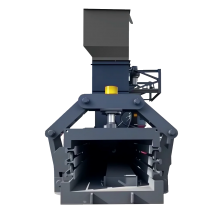
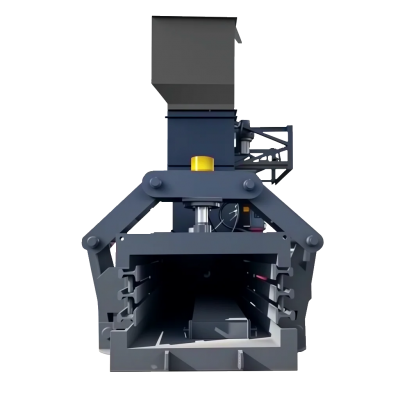
Hydraulic Horizontal Baling Press


Related Products
-
 Hydraulic Horizontal Baling PressNegotiableMOQ: 1 Unit
 -
Fully Automatic Strapping Baler-(Iron Wire)NegotiableMOQ: 1 Unit
-
Fully Automatic Baler for Textile WasteNegotiableMOQ: 1 Unit
-
Fully Auto Textile Horizontal BalerNegotiableMOQ: 1 Unit
-
Industrial Hydraulic Press BalerNegotiableMOQ: 1 Unit
Working Principle of Hydraulic Horizontal Baling Press
A hydraulic horizontal baling press is an automated equipment that realizes material compression through hydraulic transmission system. Its core working principle can be divided into four key systems working together:
Hydraulic power system
The motor drives the hydraulic pump to generate high-pressure oil flow
The pressure regulating valve controls the output pressure (usually 15-30MPa)
The hydraulic cylinder converts the oil pressure into mechanical thrust (typical thrust 50-300 tons)
Material compression system
Horizontally arranged compression chamber (size can be customized)
The push plate is driven by the cylinder Downward linear reciprocating motion
Progressive compression design (pre-compression + main compression two stages)
Automatic control system
PLC programming controls the compression cycle (typical cycle 90-180 seconds)
Photoelectric sensor monitors the material filling amount
Pressure sensor realizes overload protection
Bundling output system
Automatic threading/binding device (optional pneumatic or electric)
Bag discharging mechanism (push bag/conveyor belt two methods)
Door lock linkage safety device
Workflow:
Feeding → pre-compression → main compression → pressure holding and shaping → automatic bundling → bag discharging and resetting. The whole process is automated through electro-hydraulic linkage, and the compression ratio can reach 5:1 to 8:1, significantly reducing the volume of materials.
Maintenance Guide for Hydraulic Horizontal Baling PressI. Daily Maintenance
Hydraulic System Inspection
Check hydraulic oil level daily (keep above midpoint)
Monitor oil temperature (normal range: 30-60°C)
Inspect hoses/fittings for leaks (replace seals immediately if found)
Lubrication
Apply grease to compression chamber rails daily (recommended: lithium-based grease)
Clean hydraulic cylinder rods weekly and apply anti-rust oil
Lubricate bearings with high-temperature grease every 3 months
Key Component Checks
Inspect electrical wiring for wear (visual check monthly)
Test emergency stop button function (weekly)
Clean sensor surfaces to prevent false triggering
II. Scheduled Maintenance (Recommended Intervals)
| Item | Interval | Procedure |
|---|---|---|
| Hydraulic oil change | 2000 hours | Use anti-wear hydraulic oil (ISO VG46) |
| Filter replacement | 500 hours | Clean oil tank simultaneously |
| System pressure calibration | 6 months | Adjust relief valve to nameplate specs |
| Fastener inspection | 3 months | Focus on anchor bolts/cylinder mounts |
III. Common Troubleshooting
Low Pressure
Check relief valve failure
Test hydraulic pump output (requires pressure gauge)
Verify cylinder internal leakage (pressure drop
Overheating (>70°C)
Inspect cooler for clogging
Verify oil viscosity (46±5cSt at 40°C)
Check for continuous overload operation
Abnormal Operation
Solenoid valve sticking (clean or replace spool)
PLC signal failure (inspect sensor wiring)
Mechanical obstruction (remove foreign objects)
IV. Professional Maintenance Advice
Schedule comprehensive inspection by manufacturer every 2 years (including cylinder seal replacement)
Maintain equipment operation log (record pressure/temperature/maintenance)
Operators must hold proper hydraulic equipment certifications
Safety Warnings:
Always power off and release hydraulic accumulator pressure before maintenance
Never disconnect pressurized hydraulic lines
Dispose of waste oil through professional recycling channels

Send Inquiry to This Supplier


You May Also Like
-
Fully Automatic Baling MachinesNegotiableMOQ: 1 Unit
-
Bagging Baling MachinesNegotiableMOQ: 1 Unit
-
Briquetting PressNegotiableMOQ: 1 Unit
-
Vertical Baling Press MachineNegotiableMOQ: 1 Unit
-
Standard Vertical Hydraulic BalerNegotiableMOQ: 1 Unit
-
Fully Automatic Horizontal Baler (PP/PET Strap)NegotiableMOQ: 1 Unit
-
Wood Chip Shaving MachineNegotiableMOQ: 1 Unit
-
Double Shaft ShredderNegotiableMOQ: 1 Unit
-
Single-Shaft ShredderNegotiableMOQ: 1 Unit
-
Single-Shaft CrushersNegotiableMOQ: 1 Unit


