








 Contact Platform Support
 Help Center
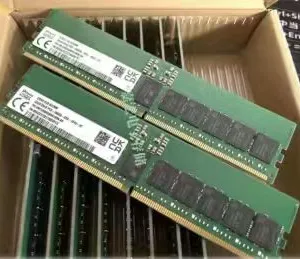
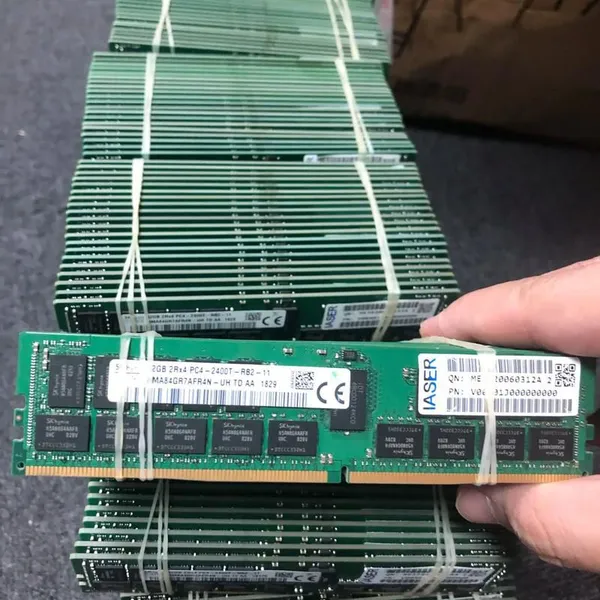
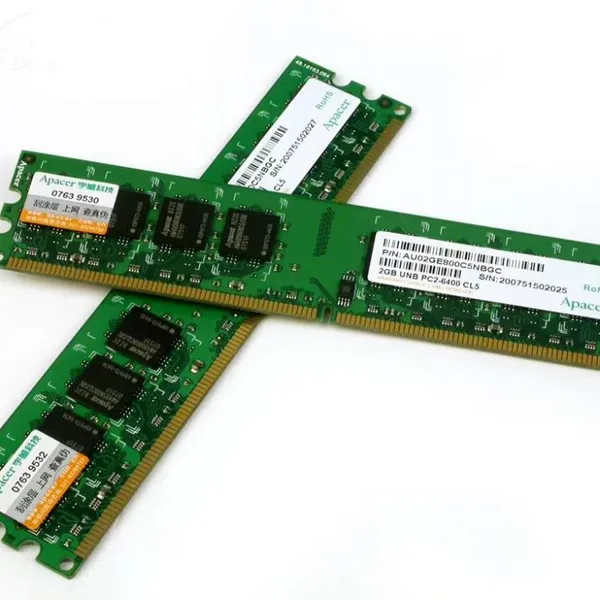
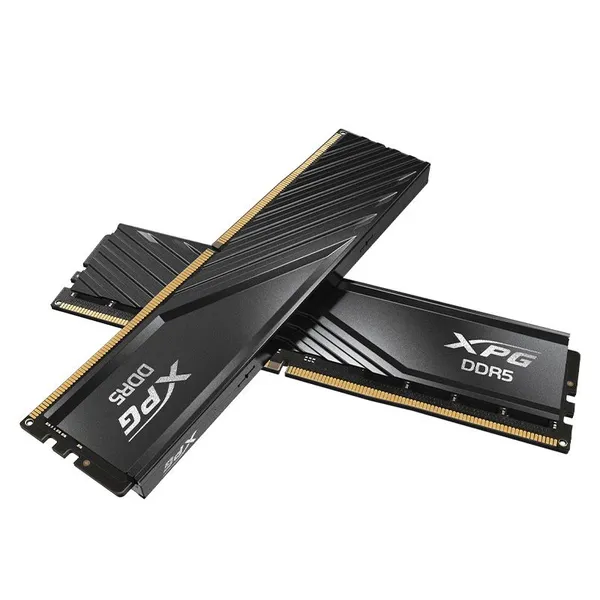
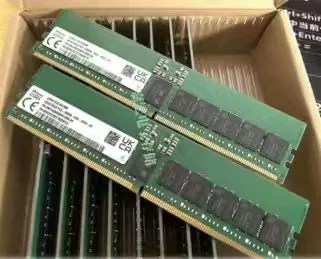
Desktop Computer Memory Module,Laptop Memory Module
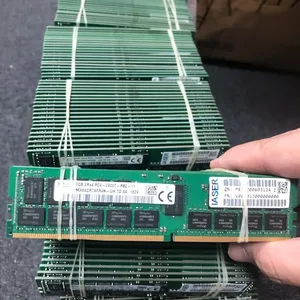
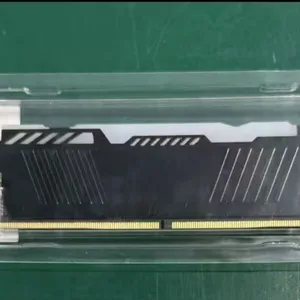
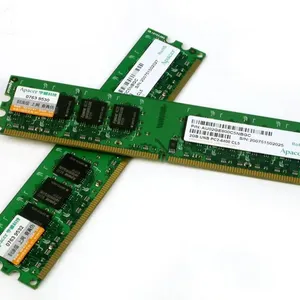
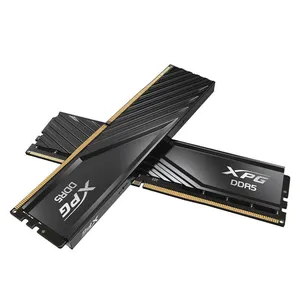
Product Spotlights


Related Products
If you have any needs, please contact us:
whatsapp:+8613528819118
Skype live: pcb-fpcb88@163.com
E-mail : sales@chaoshengpcb-fpc.com
Contact: Mank. Li
The specifications for DDR4 generation 16G desktop computer memory modules are as follows:
• Memory type: DDR4, which is currently the mainstream memory type, has a higher data transfer rate and lower power consumption compared to DDR3.
• Capacity: 16GB, common forms of composition include single 16GB or a set of two 8GB.
• Main frequency: Common main frequencies include 2133MHz, 2400MHz, 2666MHz, 3200MHz, etc.
Voltage: The standard operating voltage is generally 1.2V. Low voltage design can reduce power consumption and heat generation, improve system stability and service life.
Pin count: usually 288 pins, using DIMM slot type, strong compatibility, suitable for various desktop motherboards.
CL latency: The CL latency of memory with different clock frequencies varies, for example, for 2666MHz memory, the CL latency may be 19-19-433200MHz memory, and the CL latency may be 22-22-22.
Module type: Generally UDIMM (Unbuffered Memory Module), can only be installed in desktops/workstations that support DDR4 DRAM.
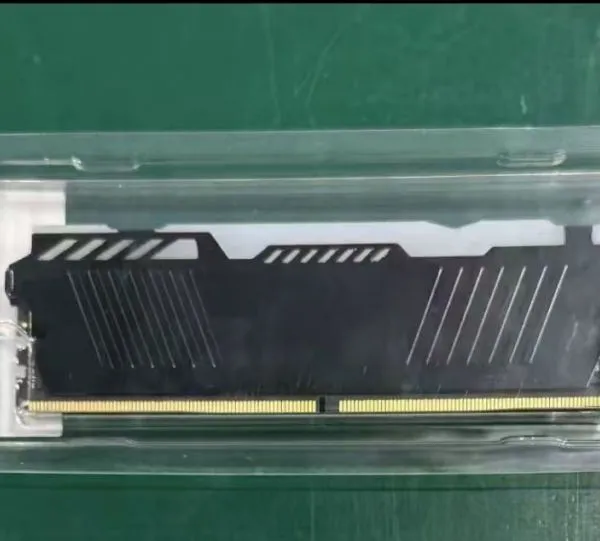
• Heat dissipation design: Some high-end or high-frequency DDR4 16G memory modules are equipped with heat sinks to help dissipate heat and ensure the stability of the memory during high load operation. For example, Crucial DDR4 Pro uses an integrated narrow version heat sink.
Memory module models are mainly divided into three dimensions: technical generation (DDR series), physical specifications (DIMM/SO-DIMM, etc.), and functional types (ECC/RDIMM, etc.). The following is a detailed explanation of the mainstream models:
1. According to technical generation (core model, determining compatibility), this is the most critical classification. Different generations have incompatible physical interfaces and must be matched with the motherboard. Table Generation Release Time Mainstream Frequency Operating Voltage Characteristics Application Scenarios DDR5 2020 4800-8400 MT/s
1.1V Bandwidth Doubling, Lower Power Consumption, Larger Single Line Capacity (up to 128GB+), Supports On die ECC New Platform Desktop, Laptop, Server DDR4 2014 2133-4000 MT/s 1.2V Mainstream, Good Compatibility, High Cost Performance Mainstream Desktop, Laptop, Server DDR3 2007 1066-2133 MT/s 1.5V Old Platform Standard, Gradually Eliminated Old Computers and Some Industrial Control Equipment DDR2 2003 400-800 MT/s 1.8V High Power Consumption, Small Capacity, Basically Eliminated Goodwin Class Computers DDR1 2000 200-400 MT/s 2.5V Early Double Rate Memory, Already Eliminated Early Pentium mobile low-power versions: LPDDR5/LPDDR4/LPDDR3, Specially designed for mobile phones, tablets, and ultrabooks, with lower voltage and lower power consumption.
2、 The physical specifications (size and interface) determine whether the memory can be installed into the device, and the size and pin count are different. UDIMM (Unbuffered DIMM): Standard desktop memory, large size, 288 pins (DDR4/DDR5), no buffering chip, low latency, low cost, mainstream for home/office use. SO-DIMM (Small DIMM): specifically designed for laptops/mini consoles, with a size of approximately half of UDIMM, 260 pins (DDR4)/262 pins (DDR5), saving space. RDIMM (Registered DIMM): Server memory with register chip, reduces CPU load, supports stable operation of multiple memory slots, and supports ECC error correction. LRDIMM (Reduced Load DIMM): High end server memory that goes further than RDIMM, buffers data signals, supports ultra large capacity (single 256GB+), and is used for virtualization and memory databases. CAMM2: a new generation of laptop memory form, replacing SO-DIMM, thinner, better heat dissipation, and stronger scalability, gradually becoming popular.
3、 ECC memory by function and special type: with error checking function, automatically fixes data errors, improves stability, used for servers and workstations, not supported by ordinary home motherboards. Non ECC memory: No error correction function, mainstream for home/consumer use, lower cost. RGB gaming memory: Essentially UDIMM, with RGB lighting effects and overclocking optimization, suitable for DIY gaming consoles, balancing appearance and performance. NVDIMM: Non volatile memory, data is not lost during power outages, used for enterprise level critical data storage, and is expensive.
4、 Common Model Naming Rules (Taking DDR4 as an Example) DDR4-3200 16GB UDIMM • DDR4: Technical Generation • 3200: Data Transfer Rate (MT/s)


Send Inquiry to This Supplier


You May Also Like
-
IB15P Mobile Phone BatteryNegotiableMOQ: 1 Blade
-
IB11P Mobile Phone BatteryNegotiableMOQ: 1 Blade
-
Introduction to China Chaoshengtong Solid State Battery TechnologyNegotiableMOQ: 1 Unit
-
Various Brands of Laptop Memory Modules, Welcome to Customize and Purchase Branded Memory ModulesNegotiableMOQ: 1 Blade
-
Various Brands of SD and SG Memory Storage CardsNegotiableMOQ: 1 Blade
-
Mobile Phones, Dashcams, Cameras, Surveillance Cameras, Videos, and Various SD Storage Cards for DronesNegotiableMOQ: 1 Blade
-
Various Brands of SD and SG Memory Storage Cards for Videos, Surveillance Cameras, Dashcams, Drones, Motion Cameras, Cameras, Mobile Phones,NegotiableMOQ: 1 Blade
-
Metal Edged Ceramic PCB,Non Trace Metal Edging Ceramic PCBNegotiableMOQ: 1 Blade
-
Multi Layer Coil PCB,Thick Copper Coil PCBNegotiableMOQ: 1 Blade
-
Multi-layer Flexible HDIFPC,High Pixel Nickel Palladium Gold Soft Hard Combination FPCNegotiableMOQ: 1 Blade


