








 Contact Platform Support
 Help Center
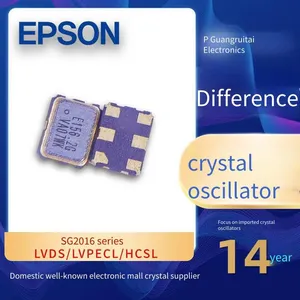
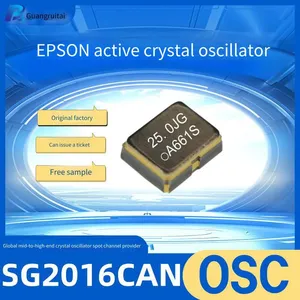
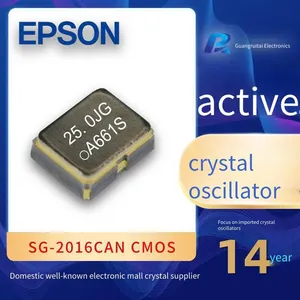
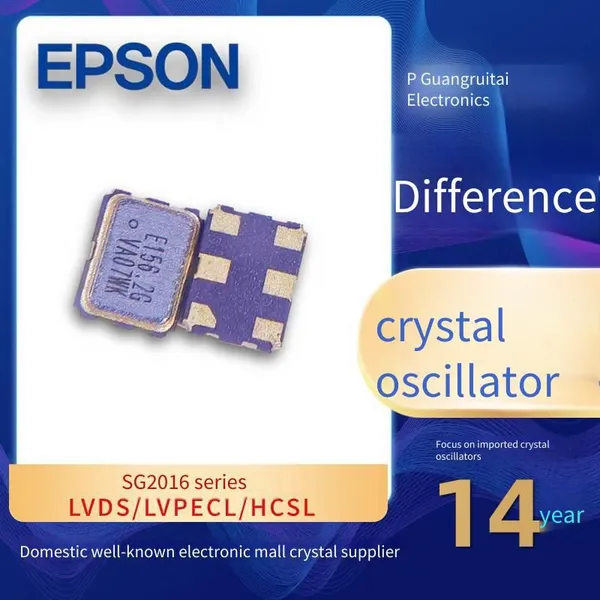
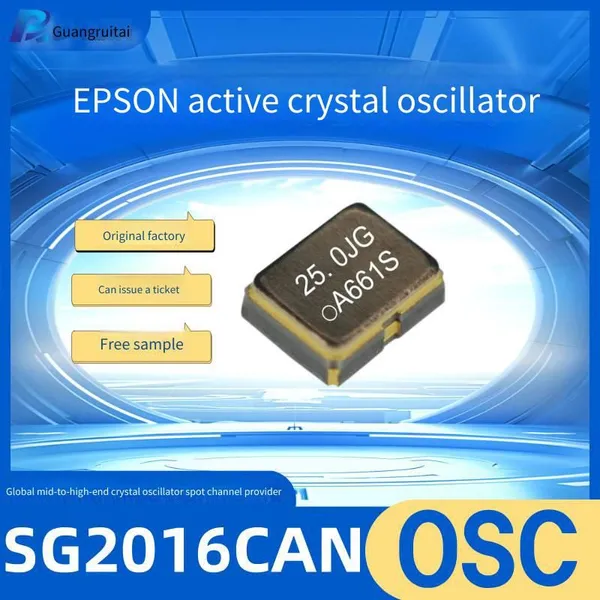
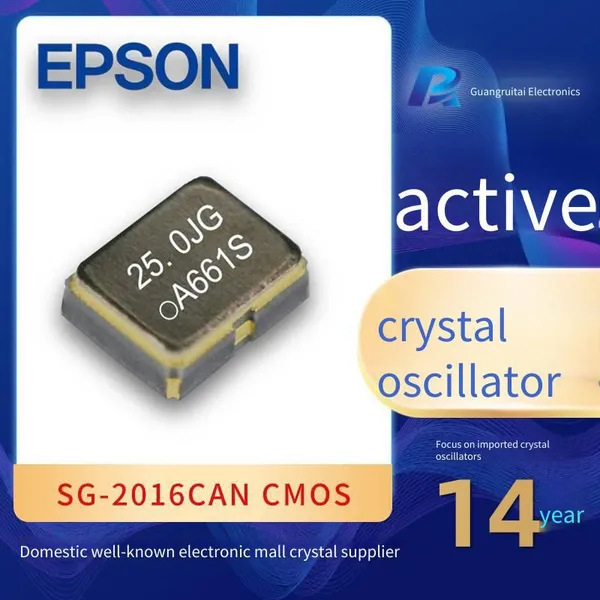
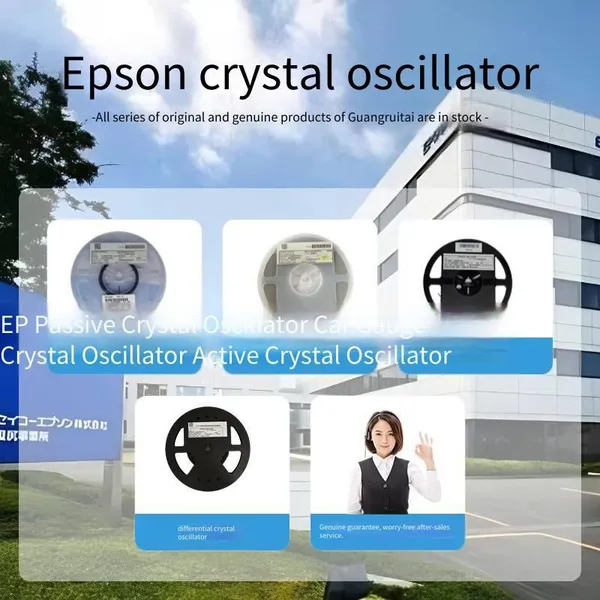
5g Millimeter Wave Base Station Sg2016egn Lv-pecl 156.25mhz Differential Crystal Oscillator, Agent of Epson



Related Products
-
 Quartz SMD Crystal Resonator Manufacturer SMD3225 26.000MHZ 9PF 10PPMUS$ 134MOQ: 1 Roll
 -
SMD2520 Passive Quartz Crystal Resonator 24M 26M 27M China Factory WholesaleUS$ 150MOQ: 1 Pack
-
Mini 49SMD Crystal Resonator 2-Pin 12M 24M 25M Quartz SMD Factory Direct WholesaleUS$ 72.8MOQ: 5 Packs
-
Automotive-grade Quartz Surface-mount Passive Crystal Oscillator Nx3225gb 16.000mhz Exs00a-cg02426US$ 0.14 - 0.15MOQ: 1000 Pieces
-
Txc Active Crystal Oscillator Awz3200001, Quartz Oscillator for ai Computing Power Server, 32.768khz, Taichung Crystal, SmdUS$ 0.34 - 0.38MOQ: 1000 Pieces
The following is a comprehensive analysis of differential crystal oscillators, presenting key information in a structured manner by combining technical principles, application scenarios, and selection points: --- ⚡ I. Core Concept of Differential Crystal Oscillators 1. Working Principle - It outputs two complementary clock signals with a phase difference of 180° (such as LVDS/LVPECL/HCSL). Through differential transmission, common-mode noise is cancelled out, significantly improving the anti-interference ability. - Compared with single-ended output (CMOS), differential signals can reduce jitter by 30%~50% in high-frequency (>100MHz) scenarios. 2. Core Advantages - Anti-electromagnetic interference (EMI): It can cancel out external noise and is suitable for complex environments such as motor control and wireless communication. - Low-power transmission: The differential swing is small (for example, LVDS is only 350mV), saving more than 20% of power compared with CMOS. - Long-distance transmission: The effective transmission distance can reach 10 meters (usually 60dB (a key indicator for suppressing power supply noise). - Skew: The delay difference between the two signals is 25Gbps) | | Automotive electronics | In-vehicle Ethernet (100BASE-T1) | LVDS | | Industrial control | High-speed ADC/DAC clock | LVDS (low jitter) | | Medical imaging | MRI gradient controller | HCSL (low radiation) | --- ⚠️ IV. Design Considerations 1. PCB Layout - The differential traces should be strictly of equal length (the length difference Summary: Differential crystal oscillators are the "heart" of high-speed systems. When selecting, it is necessary to balance the three major factors of interface type, jitter index, and temperature range. When designing, it is recommended to choose the native differential output scheme first and strictly follow the wiring rules for differential signals, which can significantly improve the system reliability.

Send Inquiry to This Supplier

You May Also Like
-
Agent for Imported Kyocera Crystal Oscillators and Crystals Kc2016z13.5600c1kx00 Smd Quartz ActiveUS$ 0.35 - 0.38MOQ: 1000 Pieces
-
Txc Automotive Grade Av27000010 27mhz 8pf Smd3225 Ceramic Surface Four-pin Passive Quartz Smd Crystal OscillatorUS$ 0.12MOQ: 3000 Pieces
-
Agent of South China Ndk Crystal Oscillator Nz2016shb 32.768k, Sufficient Supply, Supports 1.8 - 3.3v VoltageUS$ 0.36 - 0.38MOQ: 1000 Pieces
-
Qualcomm Baseband Clock Tree Nx1210ac Ndk 38.4m Thermosensitive Passive Smd Crystal Oscillator, Ndk Radio Wave AgentUS$ 0.1 - 0.12MOQ: 1000 Pieces
-
Cmos Nz2016sha 32.768k Spxo Active Crystal Oscillator, Ndk Imported Oscillator From Japan RadioUS$ 0.36 - 0.38MOQ: 1000 Pieces
-
vr Glasses Nz1612sh, 32mhz Ndk Active Crystal Oscillator, Cmos Small Crystal OscillatorUS$ 0.36 - 0.38MOQ: 1000 Pieces
-
Metaverse Brain-computer Interface Clock Oscillator Nz1612shb Khzxo 32.768k Active Crystal OscillatorUS$ 0.36 - 0.38MOQ: 1000 Pieces
-
Low Phase Noise and Vibration-resistant Nz2520sha 32.768khz Ndk Active Crystal Oscillator for Vehicle Osc CrystalUS$ 0.36 - 0.38MOQ: 1000 Pieces
-
Ndk Active Crystal Oscillator Ultra-small Oscillator Nz2016shb 32.768khz Smd Osc Low Phase NoiseUS$ 0.36 - 0.38MOQ: 1000 Pieces
-
Ultra-small Surface Mounted Device (smd) Crystal Oscillator Nz1612shb 32.768k Active Crystal Oscillator, Agent for NdkUS$ 0.36 - 0.38MOQ: 1000 Pieces