Contact Platform Support
 Help Center
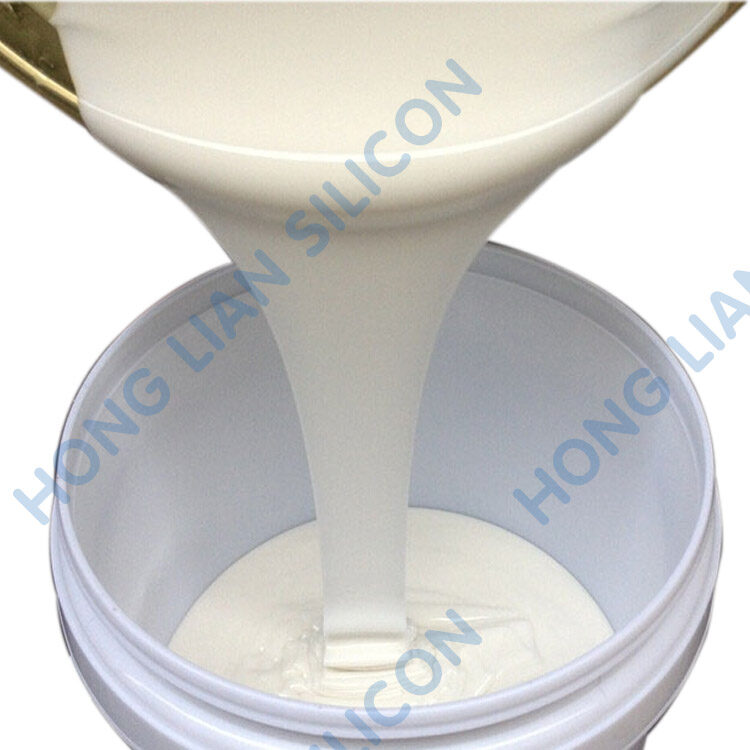
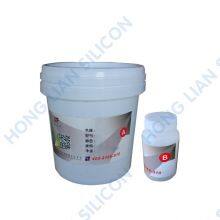
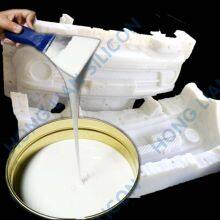
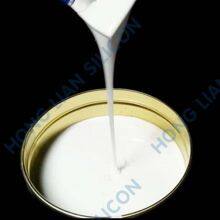
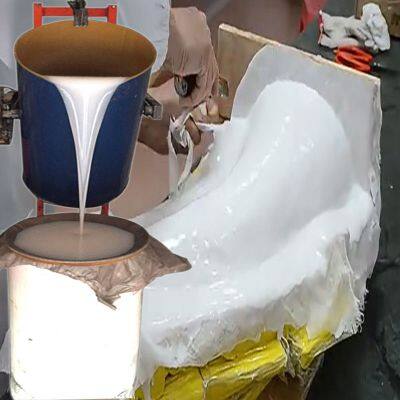
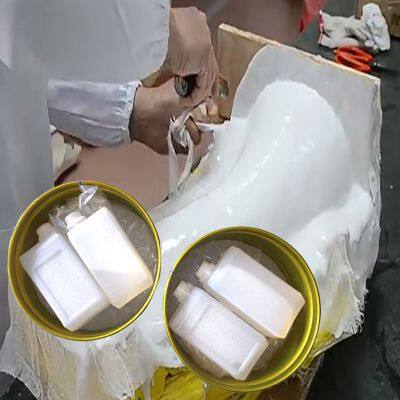
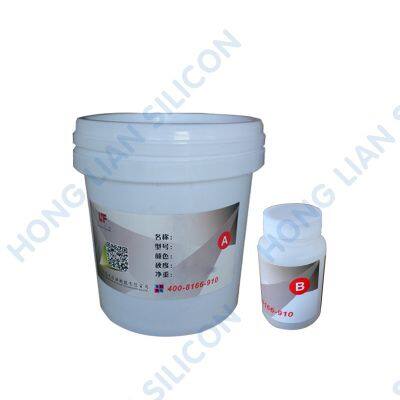
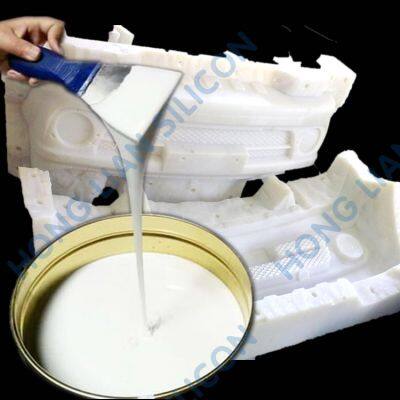
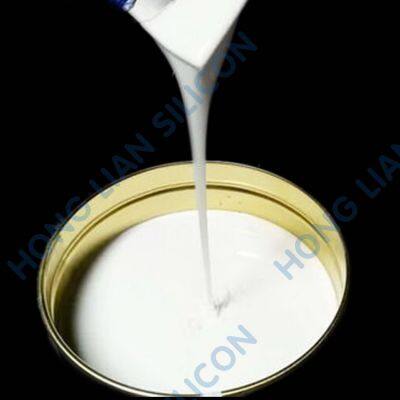
This is a Special Adhesive for Replicating Complex Textures With Low Shrinkage Rate Brushed Silicone Rubber for Handicraft Mold Making


Related Products
-
 High-elasticity and Tear-resistant Mold Adhesive for Brush Mold Forming of Low-shrinkage Tin-cured Silicone Rubber HandicraftsUS$ 5MOQ: 1 Kilogram
 -
RTV2 Liquid Silicone Rubber for Candle Moulds | Custom Hardness 0A–30AUS$ 5MOQ: 1 Kilogram
-
RTV-2 Silicone Rubber Making Resin Mold Liquid Raw Materials Low ViscosityUS$ 4 - 5MOQ: 1 Kilogram
-
Crafts Turning Mold Silicone Rubber Factory Translucent Tear Resistance Strong Room Temperature VulcanizationUS$ 4 - 5MOQ: 1 Kilogram
-
RTV2 Liquid Silicone Rubber Sold in China Factory Can be Customized Color Hardness Making MoldsUS$ 4 - 5MOQ: 1 Kilogram
This is a special adhesive for replicating complex textures with low shrinkage rate brushed silicone rubber for handicraft mold making
Silicone rubber factory contact ADD Whatsapp: 86 13662816580
Key precautions for the brush mold process
Mold release agent is of Paramount importance: Failure to apply mold release agent or uneven application of mold release agent is the main cause of mold sticking, inability to demold, and damage to the prototype. The porous prototype must be sealed first and then coated with mold release agent.
The proportion of silicone should be precise: If too much curing agent is added, it will cause the silicone to cure too quickly, and the operation time during mold brushing will be insufficient, making the mold prone to cracking. If too little curing agent is added, it will lead to incomplete curing of the silicone, making the mold surface sticky to the touch, low strength and unusable.
Layer-by-layer coating + reinforcing material: If too thick is applied at one time, the air bubbles inside the silicone cannot be discharged, which will result in a large number of air bubbles inside the mold, affecting the mold casting accuracy and mold strength. Adding reinforcing materials can effectively increase the service life of molds. Generally, condensation type silicone rubber molds can be remade 10 to 50 times (depending on the mold thickness, reinforcing materials, and remaking materials).
Prototype protection: Condensation type silicone rubber releases small-molecule alcohols during curing. It is prohibited to use it in the prototypes of foams, soft PVC, some plexiglass, and sensitive coatings. If it must be used, a small-area test should be conducted first, or addition-cured silicone rubber (non-corrosive but more expensive) should be used instead.
Environmental control: The environment for brushing the mold and curing should be well-ventilated, dry and dust-free. The humidity should not be too high (humidity over 80% will cause the mold surface to be sticky to the touch and incomplete curing), and the temperature should not be too high or too low (the optimal temperature is 20℃ to 28℃).

Send Inquiry to This Supplier


You May Also Like
-
100:2 Room Temperature Vulcanized Silicone Rubber Manufacturers White Fluidity Good Tear ResistanceUS$ 4 - 5MOQ: 1 Kilogram
-
RTV2 Silicone Rubber Factory 25KG/ Barrel Milky Hardness 20 Free SampleUS$ 4 - 5MOQ: 1 Kilogram
-
RTV2 Silicone Rubber is Vulcanized at Room Temperature to Make the Resin MoldUS$ 4 - 5MOQ: 1 Kilogram
-
Two Component Platinum Cured RTV Silicone Rubber 20A Shore Hardness for Cement MoldsUS$ 3 - 5MOQ: 1 Kilogram
-
HF-318 RTV2 Liquid Silicone Rubber for Mold Making Gypsum Low Shrinkage Free SampleUS$ 3 - 5MOQ: 1 Kilogram
-
Factory Selling 25KG/ Barrel Gypsum Mold Silicone Rubber Tear Resistance Strong Room Temperature VulcanizationUS$ 4 - 5MOQ: 1 Kilogram
-
Brushable Liquid Silicone Rubber Factory Construction Details Statue Can be Cast Mold MaterialUS$ 4 - 5MOQ: 1 Kilogram
-
Cast Molded Mould Silicone Rubber is Used in Large and Small Sculpture Molds With High Temperature ResistanceUS$ 4 - 5MOQ: 1 Kilogram
-
Antique Mold Manufacturing Uses Room-temperature Vulcanized Liquid Silicone Rubber With a Small Shrinkage RateUS$ 3.5 - 4MOQ: 5 Kilograms
-
Replication Mold for AB Liquid Silicone Rubber Castings White 25A Shore Use More TimesUS$ 3.5 - 4MOQ: 5 Kilograms