Contact Platform Support
 Help Center
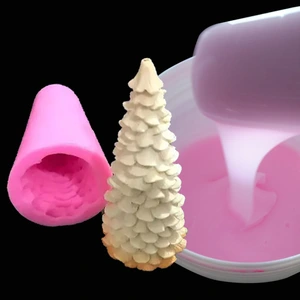
Direct Supply From a Dedicated Manufacturer of Acid and Alkali Resistant Platinum-cured Silicone Rubber Aromatherapy Gypsum Product Molds


Related Products
-
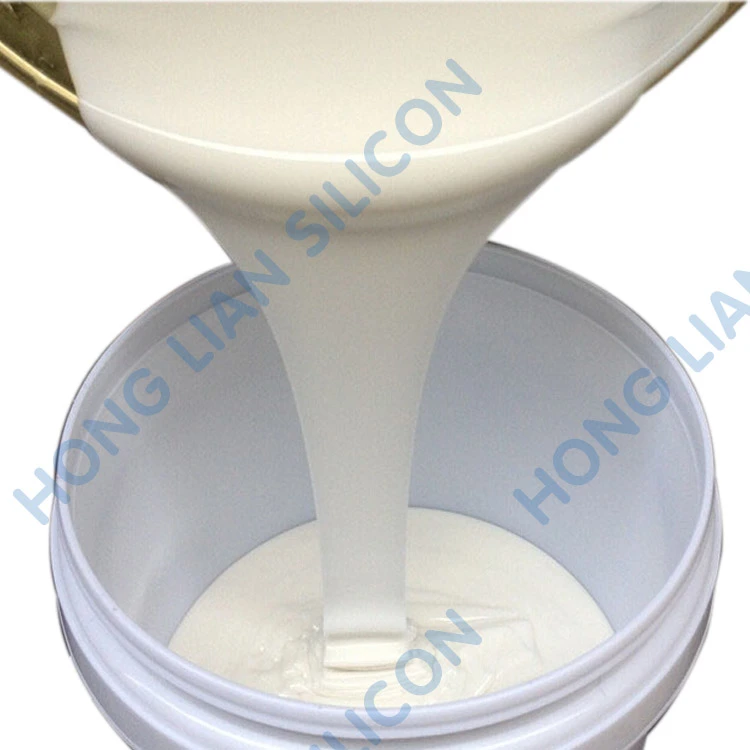
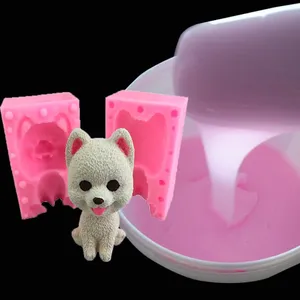
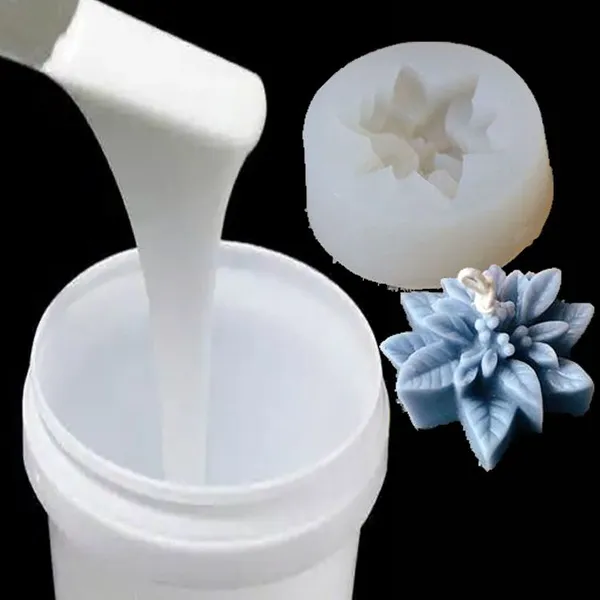
 This is a Special Adhesive for Replicating Complex Textures With Low Shrinkage Rate Brushed Silicone Rubber for Handicraft Mold MakingUS$ 5MOQ: 1 Kilogram
 -
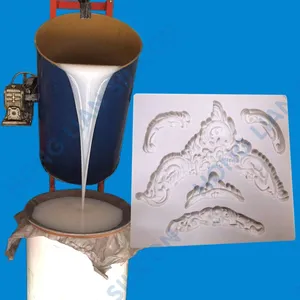
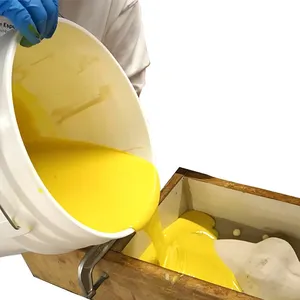
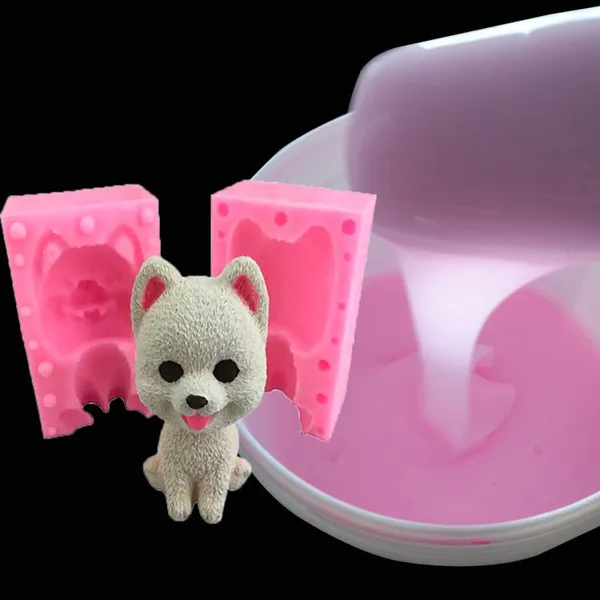
High-elasticity and Tear-resistant Mold Adhesive for Brush Mold Forming of Low-shrinkage Tin-cured Silicone Rubber HandicraftsUS$ 5MOQ: 1 Kilogram
-
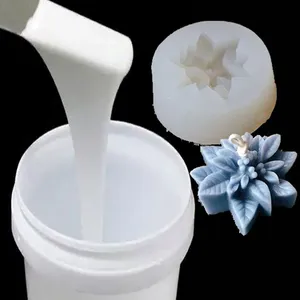
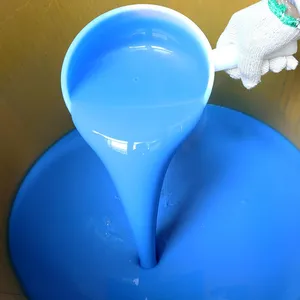
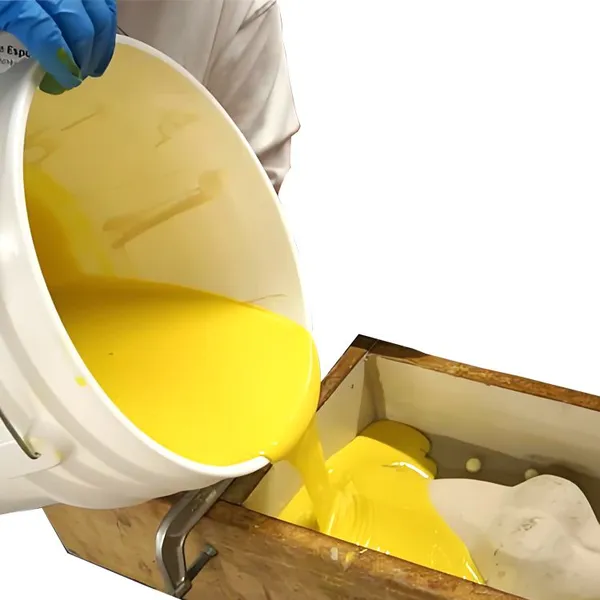
RTV2 Liquid Silicone Rubber for Candle Moulds | Custom Hardness 0A–30AUS$ 5MOQ: 1 Kilogram
-
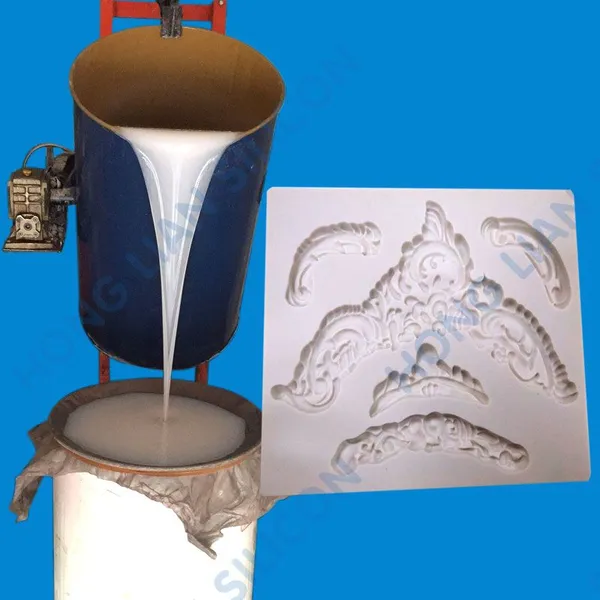
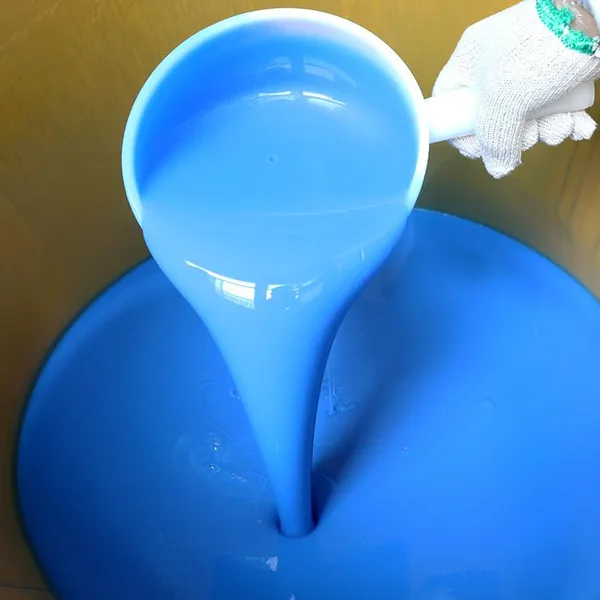
RTV-2 Silicone Rubber Making Resin Mold Liquid Raw Materials Low ViscosityUS$ 4 - 5MOQ: 1 Kilogram
-
Crafts Turning Mold Silicone Rubber Factory Translucent Tear Resistance Strong Room Temperature VulcanizationUS$ 4 - 5MOQ: 1 Kilogram
Direct supply from a dedicated manufacturer of acid and alkali resistant platinum-cured silicone rubber aromatherapy gypsum product molds
For factory inquiries, please contact us via whatsapp: 86 13662816580
Precise weighing
According to the proportion of addition-cured silicone rubber (such as 1:1), weigh Component A and Component B respectively with an electronic scale and place them in clean containers. The proportioning error must not exceed ±2%; otherwise, it will lead to incomplete curing of the silicone rubber and insufficient hardness.
Note: Addition-cured silicone rubber must not come into contact with substances containing sulfur, nitrogen, and tin (such as vulcanized rubber, certain adhesives, and PVC materials), otherwise it may not cure. Such materials should be avoided during mixing and operation.
Stir and mix
Stir in the same direction with A stirring rod for no less than 3 minutes to ensure that components A and B are fully integrated. When stirring, try to do it gently to reduce the formation of bubbles. If a large number of bubbles are produced during the stirring process, you can let the container stand for 1 to 2 minutes to allow the bubbles to rise naturally.
If there are many bubbles, the mixed silicone rubber can be put into a vacuum machine to deaerate (if there is no vacuum machine, a dropper can be used to puncture the surface bubbles).
Iii. Mold Filling/Brushing Operations
The production of scented gypsum molds can be divided into two methods: filling molds (suitable for simple shapes) and brushing molds (suitable for complex and detailed shapes).
Casting method (suitable for flat and simple three-dimensional modeling)
Use the mold enclosure tool to enclose the prototype to form a sealed mold cavity, ensuring that there is no leakage at the bottom and around.
Slowly pour the prepared silicone rubber into the mold cavity, flowing in slowly from one side of the prototype, allowing the silicone rubber to naturally cover the prototype, avoiding direct impact on the prototype that may cause displacement or bubbles.
The thickness of silicone rubber is recommended to be controlled at 3-5mm. If it is a larger mold, the thickness can be appropriately increased to 5-8mm to ensure the strength of the mold.

Send Inquiry to This Supplier

You May Also Like
-
RTV2 Liquid Silicone Rubber Sold in China Factory Can be Customized Color Hardness Making MoldsUS$ 4 - 5MOQ: 1 Kilogram
-
100:2 Room Temperature Vulcanized Silicone Rubber Manufacturers White Fluidity Good Tear ResistanceUS$ 4 - 5MOQ: 1 Kilogram
-
RTV2 Silicone Rubber Factory 25KG/ Barrel Milky Hardness 20 Free SampleUS$ 4 - 5MOQ: 1 Kilogram
-
RTV2 Silicone Rubber is Vulcanized at Room Temperature to Make the Resin MoldUS$ 4 - 5MOQ: 1 Kilogram
-
Two Component Platinum Cured RTV Silicone Rubber 20A Shore Hardness for Cement MoldsUS$ 3 - 5MOQ: 1 Kilogram
-
HF-318 RTV2 Liquid Silicone Rubber for Mold Making Gypsum Low Shrinkage Free SampleUS$ 3 - 5MOQ: 1 Kilogram
-
Factory Selling 25KG/ Barrel Gypsum Mold Silicone Rubber Tear Resistance Strong Room Temperature VulcanizationUS$ 4 - 5MOQ: 1 Kilogram
-
Brushable Liquid Silicone Rubber Factory Construction Details Statue Can be Cast Mold MaterialUS$ 4 - 5MOQ: 1 Kilogram
-
Cast Molded Mould Silicone Rubber is Used in Large and Small Sculpture Molds With High Temperature ResistanceUS$ 4 - 5MOQ: 1 Kilogram
-
Antique Mold Manufacturing Uses Room-temperature Vulcanized Liquid Silicone Rubber With a Small Shrinkage RateUS$ 3.5 - 4MOQ: 5 Kilograms