Water Fin Rubber Dam

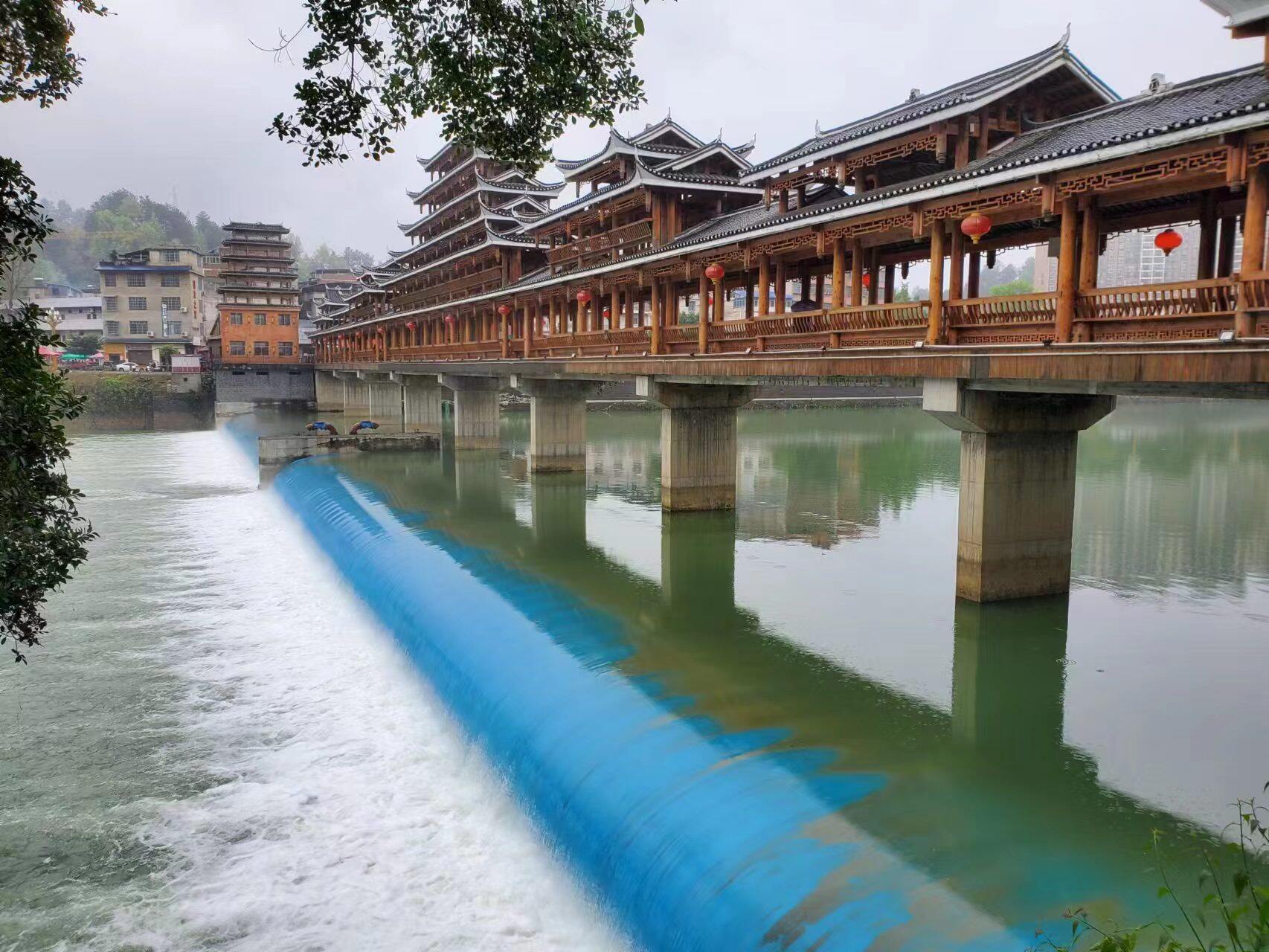
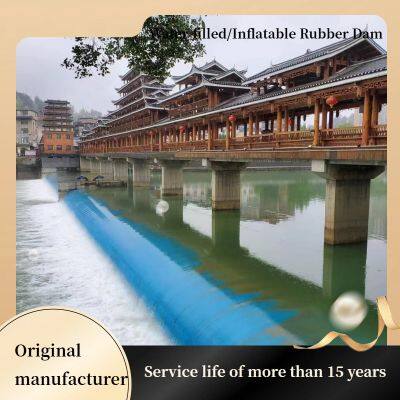
Water Fin Rubber Dam photo-1
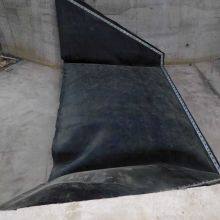
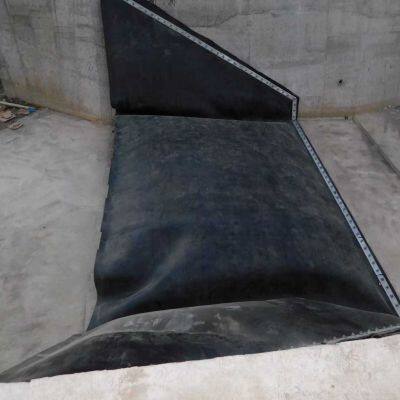
Water Fin Rubber Dam photo-2
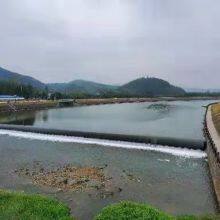
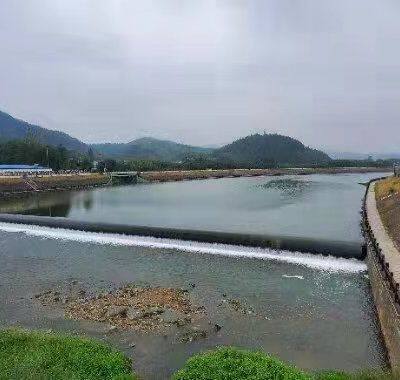
Water Fin Rubber Dam photo-3
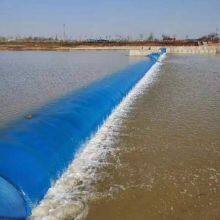
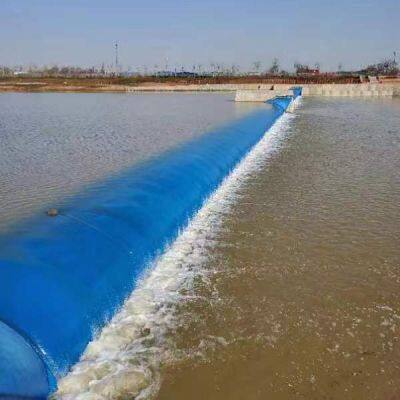
Water Fin Rubber Dam photo-4
Water Fin Rubber Dam photo-5
US$ 450 20 - 49 Meters
US$ 420 50 - 99 Meters
US$ 400 ≥100 Meters
Key Specifications
Get Latest Price
Material:
EPDM
Usage:
Agricultural, Other, River damming
Transport Package:
Woven bag packaging
Payment & Shipping
Payment Methods:
Port of Shipment:
Tianjin/Qingdao
Delivery Detail:
30 days
Material EPDM
Usage Agricultural, Other, River damming
Transport Package Woven bag packaging
Specification Custom-made according to the drawings
Trademark HaoGu
Origin Hebei China

Rubber Dam: A Flexible Hydraulic Structure

A rubber dam, alternatively termed an inflatable rubber dam or flexible dam, is a lightweight, deformable hydraulic structure extensively utilized in low-head water control projects. It is primarily constructed from high-strength synthetic rubber materials, designed to retain, regulate, or divert water by inflating (to form a water barrier) or deflating (to enable unobstructed water flow). Its unique flexibility and adaptability make it a preferred alternative to rigid concrete or steel dams in specific application scenarios.

1. Core Structural Components

Rubber dams feature a streamlined yet highly functional design, comprising four key components that ensure their stability and operational efficiency:
  • Rubber Dam Bag: The primary water-retaining element, typically fabricated from multi-layered synthetic rubber (e.g., neoprene, nitrile rubber, or ethylene-propylene-diene monomer (EPDM) rubber). These materials are chosen for their exceptional tensile strength, resistance to weathering (UV radiation, ozone), and impermeability to water. To enhance load-bearing capacity, the dam bag is often reinforced with polyester or nylon fabric, with thickness ranging from 3mm to 10mm—depending on the designed water head and span of the dam.
  • Anchoring System: Responsible for securing the dam bag to the riverbed (bottom anchorage) and riverbanks (bank anchorages) to prevent displacement when the bag is inflated. Anchors are commonly made of steel plates or reinforced concrete blocks, and the dam bag is either clamped or bonded to these anchors using high-strength bolts. This setup ensures a tight seal, minimizing water leakage at the base of the dam.
  • Inflation/Deflation System: Controls the height of the dam by filling or emptying the dam bag with a working medium (either compressed air or water). This system includes core equipment such as pumps (air compressors for air-inflated dams, water pumps for water-inflated dams), control valves (to adjust the flow rate of the medium), and pipelines (to transport the medium to/from the dam bag). A pressure relief valve is also integrated to prevent over-pressurization, which could damage the dam bag.
  • Auxiliary Structures: Include upstream and downstream protective layers (e.g., gravel beds or concrete pads) to shield the dam bag from abrasion caused by sediment or floating debris. Additionally, trash racks are installed upstream to block sharp objects (e.g., rocks, tree branches) and large debris that might puncture or tear the rubber surface.

2. Working Principle

The operation of a rubber dam revolves around the inflation and deflation of the dam bag, enabling rapid switching between two key operational states:
  • Water-Retaining State: When water storage or upstream water level regulation is required, the inflation system injects compressed air or water into the dam bag. As the bag expands vertically and horizontally, it forms a curved or rectangular barrier across the watercourse, raising the upstream water level to the desired height (typically 1–5 meters for most rubber dams, as material strength limits higher heads). The dam bag’s flexibility allows it to adapt to minor foundation settlements or fluctuations in water pressure without cracking—an advantage over rigid dams.
  • Flow-Passing State: When flood discharge, navigation, or aquatic organism migration is necessary, the deflation system releases the air or water from the dam bag. The deflated bag collapses onto the riverbed, lying nearly flush with the channel bottom. This eliminates obstacles to water flow, ships, or fish, and the process is significantly faster than adjusting rigid gates—usually taking 10–30 minutes, depending on the dam’s size.
Two common types of rubber dams exist, distinguished by their inflation medium:
  • Air-Inflated Rubber Dams: Use compressed air as the medium, making them suitable for cold regions where water is prone to freezing (which could damage the dam bag).

  • Water-Inflated Rubber Dams: Utilize local water sources for inflation, reducing reliance on air compressors and lowering operational costs in areas with abundant water resources.


3. Key Advantages

Compared to traditional rigid dams (e.g., concrete gravity dams), rubber dams offer distinct benefits that make them ideal for low-head projects:
  • Foundation Adaptability: Their flexible nature allows them to tolerate minor uneven settlement of the riverbed, eliminating the need for expensive foundation reinforcement (e.g., deep piles) required for concrete dams. This makes them particularly suitable for soft-soil or geologically unstable foundations.
  • Cost-Effectiveness and Rapid Construction: The lightweight design reduces material and transportation costs—rubber dams are typically 30–50% cheaper than small concrete dams of similar capacity. Most components (e.g., prefabricated dam bags, standardized pumps) are factory-produced, and on-site installation takes only 1–3 months (compared to 6–12 months for concrete structures of the same scale).
  • Minimal Environmental Impact: When deflated, the dam bag does not block natural water flow, sediment transport, or fish migration—preserving aquatic ecosystems more effectively than fixed dams. It also has a smaller footprint, avoiding large-scale excavation and habitat destruction.
  • Simplified Maintenance: Minor damages to the dam bag (e.g., small punctures) can be repaired on-site using rubber patches and specialized adhesives, without draining the entire watercourse. Routine maintenance focuses on inspecting the dam bag for wear and testing the inflation system—requiring less labor and downtime than concrete dam upkeep.

橡胶坝 (52)4. Typical Applications

Rubber dams are primarily designed for low-head (≤6 meters) water control scenarios, with common applications including:
  • Irrigation and Water Supply: Raising water levels in canals or small rivers to divert water for agricultural irrigation or rural/urban water supply. They are widely used in arid or semi-arid regions to capture seasonal rainfall and ensure consistent water access for crops.
  • Urban Landscape and Recreation: Creating artificial lakes, ponds, or waterfront features in cities (e.g., park lakes, scenic waterways). When deflated, they can be temporarily removed to clean the water body or host outdoor events.
  • Small-Scale Hydropower Generation: Acting as a low-head barrier to create a water level difference for small hydropower plants (≤10 MW). This makes them suitable for remote areas with limited access to grid electricity.
  • Flood Control and Drainage: In urban drainage systems or small rivers, rubber dams can be quickly deflated during heavy rains to increase flood discharge capacity, reducing the risk of urban waterlogging.
  • Waterway Navigation: Adjusting water levels in narrow rivers or canals to ensure navigability for small vessels (e.g., tourist boats, fishing boats). When not in use, the deflated bag does not hinder water flow or vessel movement.

5. Limitations and Operational Precautions

Despite their advantages, rubber dams have inherent limitations that require careful consideration during design and operation:
  • Low Head Capacity: They are not suitable for high-water-head projects (typically >6 meters), as excessive hydrostatic pressure can cause the dam bag to rupture or deform permanently.
  • Vulnerability to Physical Damage: The rubber surface is susceptible to abrasion from sediment, puncture by sharp debris (e.g., rocks, metal fragments), or tearing by floating objects. Installing robust trash racks and protective pads is critical to mitigating these risks.
  • Weather Sensitivity: Prolonged exposure to strong UV radiation (from sunlight) or extreme temperatures (e.g.,
  • Dependence on Inflation System: A power outage or pump failure can disrupt inflation/deflation operations. For critical projects (e.g., flood control), backup power supplies (e.g., diesel generators) and redundant pump systems are recommended to ensure reliability.
    橡胶坝 (57)

Product Tags: Inflatable rubber dam , High-Durability Rubber Dam , Waterproof Rubber Dam

Send Inquiry to This Supplier

Message
0/5000

Want the best price? Post an RFQ now!
Gold Verified Supplier
1Yr
Verified Business License
Year Established
2025
Factory Size
3,000-5,000 square meters
Annual Export Value
US$5 Million - US$10 Million
Total Employees
51 - 100 People

You May Also Like

Recommended Categories

Explore top categories and find suppliers for your specific needs