Home > Industrial Equipment & Components > Valve > Gate Valve > Corrosion-Resistant Cast Iron & Stainless Steel Sluice Gate for Wastewater Treatment

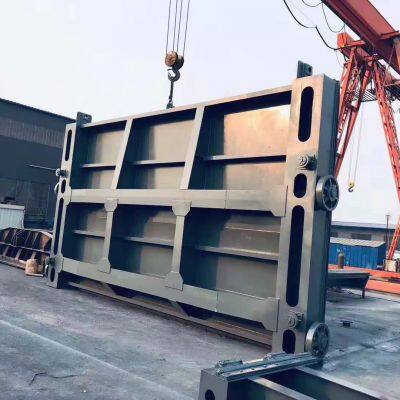
Corrosion-Resistant Cast Iron & Stainless Steel Sluice Gate for Wastewater Treatment
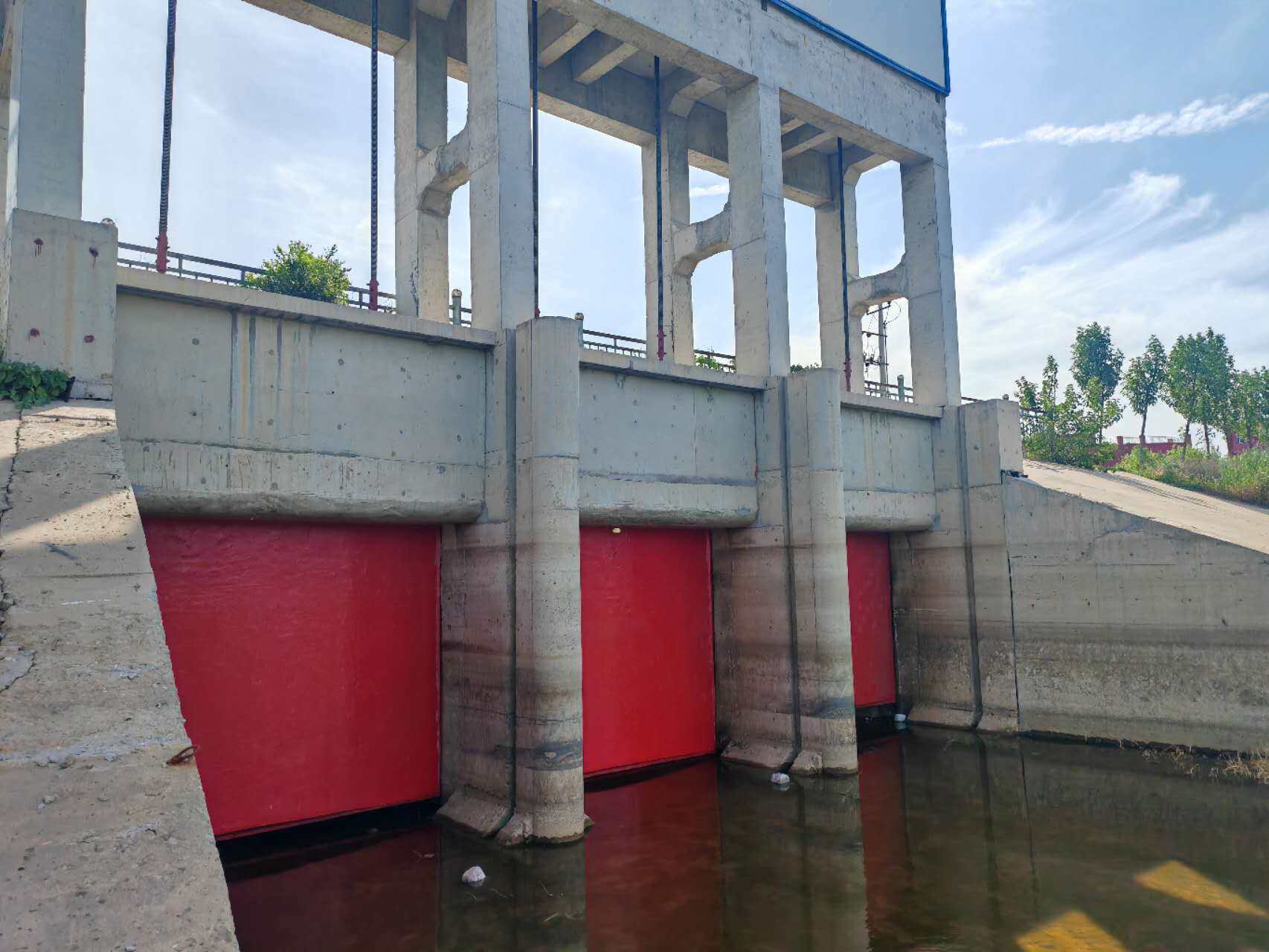
Corrosion-Resistant Cast Iron & Stainless Steel Sluice Gate for Wastewater Treatment photo-1
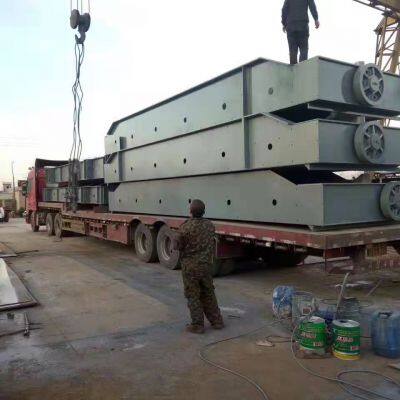
Corrosion-Resistant Cast Iron & Stainless Steel Sluice Gate for Wastewater Treatment photo-2
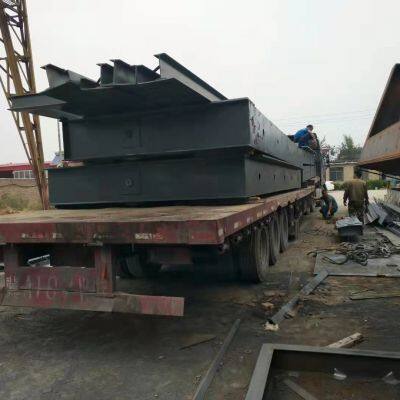
Corrosion-Resistant Cast Iron & Stainless Steel Sluice Gate for Wastewater Treatment photo-3
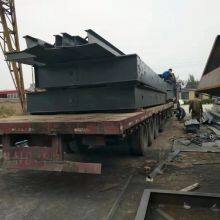
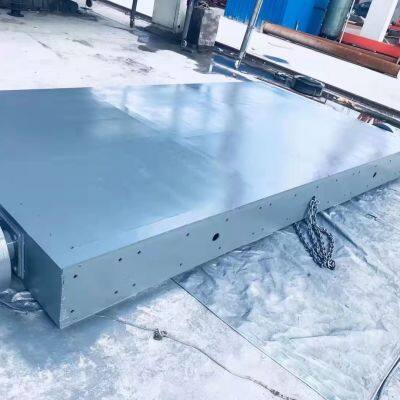
Corrosion-Resistant Cast Iron & Stainless Steel Sluice Gate for Wastewater Treatment photo-4
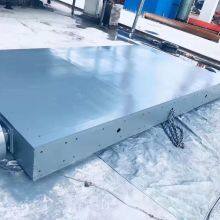
Corrosion-Resistant Cast Iron & Stainless Steel Sluice Gate for Wastewater Treatment photo-5

US$ 100 - 3000 MOQ: 10 Combos
Key Specifications
Get Latest Price
Material:
Steel
Type:
Right-angle
Application:
Water Industrial Usage
Payment & Shipping
Payment Methods:
Port of Shipment:
Tianjin/Qingdao
Delivery Detail:
15 days
Material Steel
Type Right-angle
Application Water Industrial Usage
Usage Drain, Flow Control
Standard Other, ISO9001
Actuator Electric
Seal Surface Parallel Gate Valve
Thread Position of Valve Rod Inside Gate Valve
Media Water
Temperature High Temperature
Pressure Ordinary Pressure
Connection Form Thread
Transport Package Wooden packaging
Specification Custom made according to the drawings
Trademark HaoGu
Origin HeBei

Installation Process of Steel Sluice Gates

Steel sluice gates are critical components in water management systems, including dams, reservoirs, irrigation canals, and wastewater treatment plants. Their installation requires meticulous planning, precision engineering, and adherence to safety and industry standards to ensure structural integrity, operational efficiency, and long-term durability. Below is a detailed, step-by-step guide to the installation process of steel sluice gates.

1. Pre-Installation Planning and Preparation

Before commencing physical installation, thorough planning is essential to mitigate risks and ensure alignment with design specifications.
  • Design and Documentation Review
    The installation team, in collaboration with engineers and project managers, reviews all technical drawings—including structural plans, gate dimensions, material specifications, and alignment tolerances. This review confirms the gate design matches the site’s requirements (e.g., water pressure, flow rate, environmental conditions). Critical details include the gate’s weight, operating mechanism (manual, hydraulic, or electric), and interface with adjacent structures (e.g., concrete frames or guide rails).
  • Material and Equipment Inspection
    All steel sluice gate components—gate leaf (main barrier), frame, hinges, seals (waterstops), fasteners (bolts, nuts), and operating hardware (gears, hydraulic cylinders)—are inspected upon delivery. Checks include verifying material certifications (e.g., steel grade, corrosion-resistant coatings), dimensional accuracy (using calipers, tape measures, laser levels), and absence of defects (cracks, warping, or damage to protective coatings). Non-conforming parts are rejected or repaired before installation.
  • Site Preparation
    The installation site is prepped to create a safe, accessible workspace:
    • Clear debris, vegetation, and obstacles from the area.

    • Level the ground to support heavy equipment (cranes, forklifts) and prevent instability during lifting.

    • Set up temporary barriers or safety zones to restrict unauthorized access, especially near water bodies or excavated areas.

    • Verify foundation readiness: For gates mounted on concrete structures (e.g., dam spillways, canal walls), the concrete must be fully cured (typically 28 days for standard mixes). Inspect the concrete surface for flatness, alignment, and embedded anchor bolts (if specified); repair irregularities (cracks, uneven surfaces) with high-strength mortar or epoxy.

  • 1 (35)1 (29)

2. Positioning and Alignment of the Gate Frame

The gate frame serves as the structural anchor for the gate leaf, guiding its opening/closing movement and ensuring a watertight seal. Precise alignment is critical to avoid binding, leakage, or premature wear.
  • Frame Placement
    Using cranes or hoists, the frame is carefully lifted and positioned onto the prepared foundation. Align the frame’s base with pre-marked reference lines (from design drawings) to center it relative to the water channel or opening. Use temporary supports (steel shims, jacks) to hold the frame in place during adjustment.
  • Leveling and Plumbness Checks
    Verify the frame’s verticality (plumbness) and horizontal level with precision tools:
    • A laser level or spirit level ensures the frame’s top/bottom edges are horizontal, with tolerances typically ±1 mm per meter.

    • A plumb bob or digital inclinometer confirms the frame’s vertical members (stiles) are perfectly vertical—this minimizes friction when the gate leaf moves.

    • Adjust by adding/removing shims between the frame and foundation until all tolerances are met.

  • Securing the Frame
    Once aligned, permanently fasten the frame to the foundation:
    • For concrete foundations with embedded anchor bolts, tighten nuts gradually (in a crisscross pattern) to avoid uneven stress. Use torque wrenches to reach specified tension (e.g., 300–500 N·m, depending on bolt size).

    • For surfaces without pre-embedded bolts, drill and set expansion bolts or chemical anchors into the concrete to ensure a secure bond.

3. Installation of the Gate Leaf

The gate leaf—the movable barrier that controls water flow—is the heaviest component, requiring careful handling to avoid deformation or damage.
  • Lifting and Positioning
    Lift the gate leaf with a crane equipped with a spreader bar (to distribute weight evenly) and slings rated for the leaf’s weight (often several tons). Check pre-drilled or welded lifting points for structural integrity before use. Maneuver the leaf into the frame, ensuring its hinges align with corresponding hinge brackets on the frame.
  • Hinge Assembly
    Install hinges (typically ball or pin hinges) to connect the gate leaf to the frame—this enables smooth rotation or sliding (depending on gate type: hinged, sliding, vertical lift). Lubricate hinge pins with waterproof grease to reduce friction, and add washers to ensure proper clearance (1–2 mm) between moving parts. Test the leaf for free movement by manually lifting/rotating it slightly; check for binding or misalignment.
  • Seal Installation
    Attach waterstops (rubber, neoprene, or polyurethane seals) to the gate leaf’s edges to prevent leakage when closed. Secure seals with stainless steel screws or adhesives, ensuring continuous contact with the frame. Test seal compression by partially closing the gate and checking for uniform contact; adjust by adding shims behind the seal if gaps are detected.
  • 1 (7).jpg1 (12).jpg1 (31).jpg

4. Integration of Operating Mechanisms

Steel sluice gates are operated manually (handwheels, levers) or mechanically (electric motors, hydraulic cylinders, pneumatic systems). Integrate the operating mechanism with the gate leaf for precise control.
  • Manual Operation Systems
    For small gates, mount handwheels or crank handles on gearboxes connected to the gate’s lifting mechanism (screws, chains). Align the gearbox with the gate’s drive shaft, then test the handwheel for smooth rotation—minimal effort should be required to open/close the gate.
  • Mechanical/Electrical Systems
    For larger gates, install electric motors or hydraulic pumps:
    • Electric Systems: Mount motors on a sturdy base plate, align with the gate’s drive screw or chain, and connect via couplings. Route wiring through conduit (to protect against water/corrosion) and link to a control panel with overload protection and emergency stop features.

    • Hydraulic Systems: Mount hydraulic cylinders on brackets adjacent to the gate, connect hoses to a pump unit, and fill the system with hydraulic fluid. Conduct pressure tests to check for leaks, and verify cylinder alignment to ensure even force application on the gate leaf.

  • Calibration
    Calibrate the operating mechanism to ensure the gate opens/closes to precise positions (0–100% openness). Install limit switches to stop movement at fully open/closed positions (prevents over-travel and damage). For automated systems, integrate sensors (e.g., position encoders) to provide real-time feedback to the control system.

5. Corrosion Protection and Finishing

Steel gates are vulnerable to corrosion (especially in aquatic environments), so post-installation protective measures are critical.
  • Surface Preparation
    Clean areas damaged during installation (scratches on painted surfaces, welds) with wire brushes or sandblasting to remove rust, scale, or debris. Grind welded joints smooth to ensure uniform coating adhesion.
  • Coating Application
    Apply a protective coating system, typically consisting of:
    • A primer (epoxy or zinc-rich primer) to enhance adhesion and corrosion resistance.

    • Intermediate and topcoats (polyurethane or acrylic) to provide UV resistance and a durable finish.

      Apply coatings with spray guns or brushes, and observe strict drying times between layers. Use a gauge to measure dry film thickness (DFT) and ensure compliance with specifications (150–300 microns).

  • Sealing Exposed Components
    Coat exposed fasteners, hinges, and electrical connections with anti-corrosion compounds or wrap in waterproof tape. Fill grease fittings with waterproof lubricant to maintain hinge functionality.

6. Testing and Commissioning

Before final acceptance, conduct rigorous testing to verify performance, safety, and compliance with design standards.
  • Leakage Testing
    Close the gate and introduce water to the upstream side (or simulate with hoses) to test for leaks. Measure leakage rates (typically in liters per minute) and ensure they meet industry standards (e.g., ≤0.1 L/min per meter of gate length). Adjust seals or frame alignment if leakage is excessive.
  • Operational Testing
    Cycle the gate through 10–20 open/close operations to test:
    • Smooth movement without binding or unusual noise.

    • Proper function of limit switches and safety features.

    • Consistent performance of the operating mechanism (e.g., motor amperage, hydraulic pressure).

  • Structural Integrity Testing
    For high-pressure applications (e.g., dam gates), conduct a hydrostatic test: Subject the gate to maximum design pressure (1.5 times operating pressure) to check for deformation or failure.
  • Safety Inspections
    Inspect all safety features—emergency stop buttons, guardrails, warning signs—to ensure compliance with OSHA or local safety regulations.

7. Documentation and Handover

Upon successful testing, compile comprehensive documentation:
  • Installation records (alignment measurements, torque values for fasteners).

  • Test reports (leakage rates, operational performance data).

  • Material certificates and warranty information.

  • Maintenance guidelines (lubrication schedules, coating touch-up procedures).

Conduct a handover meeting with the client, provide training on operation and basic maintenance, obtain final approval, and commission the gate for regular use.
In summary, installing a steel sluice gate is a multi-stage process that demands technical expertise, precision, and adherence to safety and quality standards. Each step—from planning to testing—plays a critical role in ensuring the gate operates reliably for decades, even in harsh aquatic environments.


Product Tags: steel sluice gate , Steel Hydraulic Gate , Steel Sluice Gate

Send Inquiry to This Supplier

Message
0/5000

Want the best price? Post an RFQ now!
Gold Verified Supplier
1Yr
Verified Business License
Year Established
2025
Factory Size
3,000-5,000 square meters
Annual Export Value
US$5 Million - US$10 Million
Total Employees
51 - 100 People

You May Also Like