








 Contact Platform Support
 Help Center
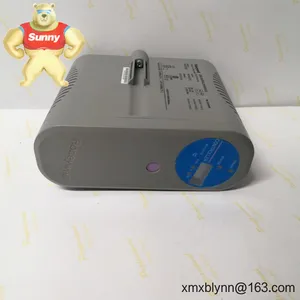
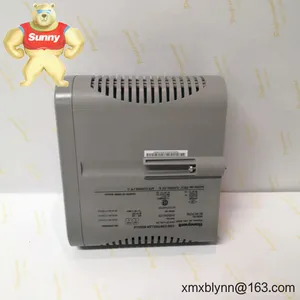
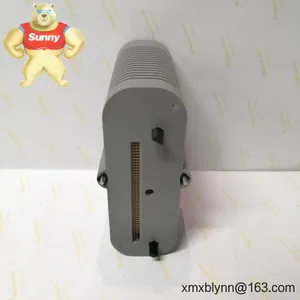
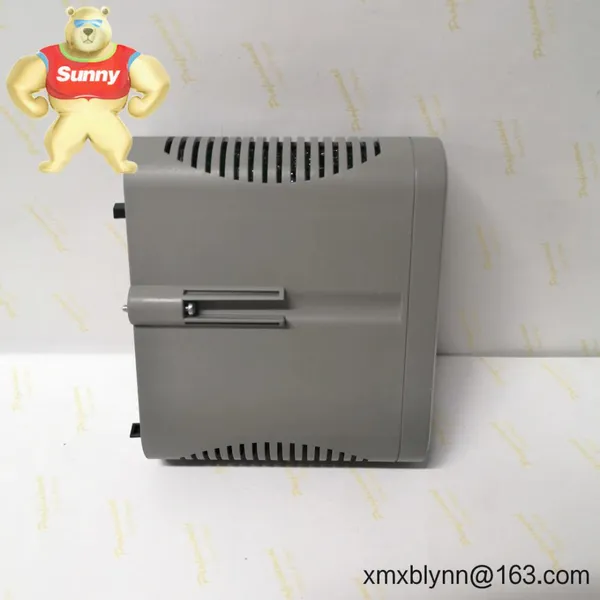
Honeywell CC-PCNT02 + DC-TCNT01 — Compact Pulse Counter and DC Signal Conditioner for Industrial Monitoring





Related Products
-
 Honeywell CC-PUI001 — Compact Universal Input Module for Building & Process ControlsNegotiableMOQ: 1 Combo
 -
Honeywell FC-PSU-UNI2450U — Universal 24V DC Power Supply for Field ControllersNegotiableMOQ: 1 Combo
-
Honeywell FC-TSRO-0824 — Compact I/O & Signal Conditioning Module for Industrial ControlNegotiableMOQ: 1 Combo
-
Honeywell FC-FANWR-24R — 24V Fan Relay Module for Fan Coil ControlNegotiableMOQ: 1 Combo
-
Honeywell FC-TSKUNI-1624 — Universal Temperature Sensor Interface (16–24 V)NegotiableMOQ: 1 Combo
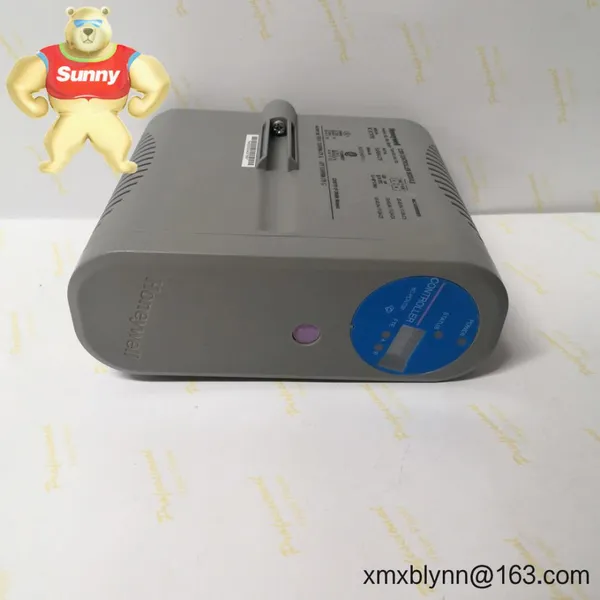
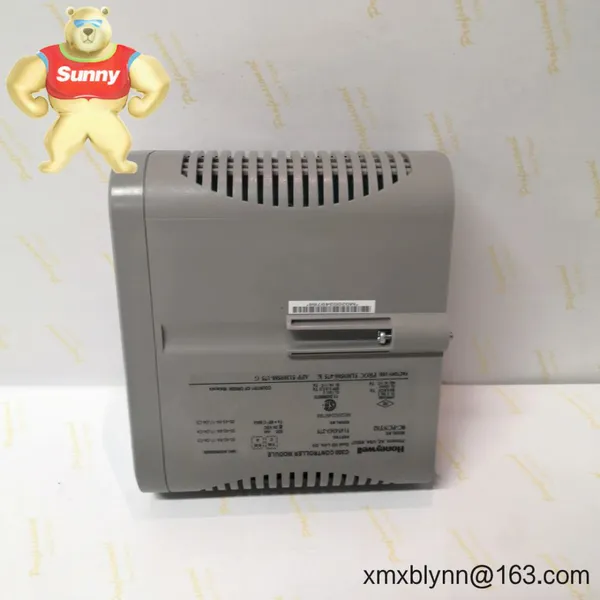
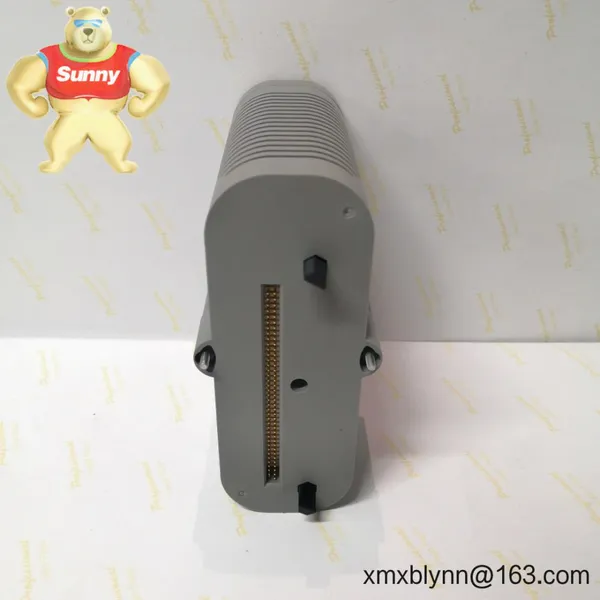
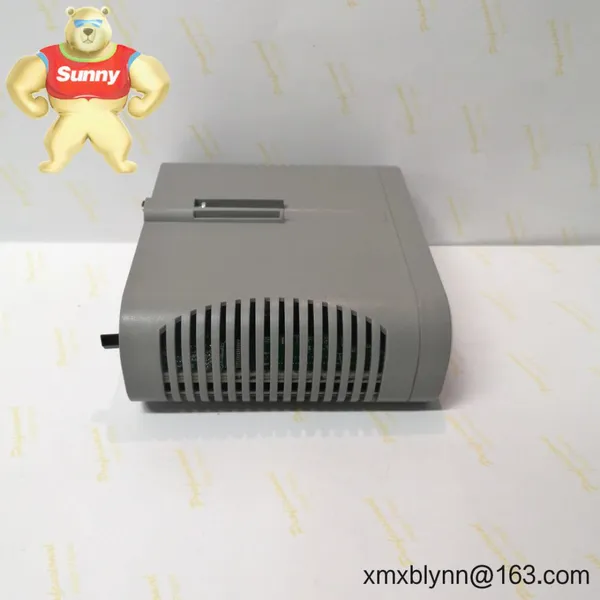
The Honeywell CC-PCNT02 paired with the DC-TCNT01 appears to be a practical two-part solution for pulse counting and DC signal conditioning in process and building automation. Typically used where pulse totalization (meters, flow sensors, energy counters) must be combined with conditioned DC inputs, this combo is compact, DIN-rail friendly and meant for easy integration into existing control cabinets. From my experience with similar Honeywell components, it’s a no-nonsense choice when you need reliable counts, basic signal conversion and straightforward wiring.
Key FeaturesDual-function pairing — CC-PCNT02 handles pulse counting/totalizing while DC-TCNT01 conditions DC or sensor signals for stable input; good for mixed-signal installations.
Selectable input types — accepts dry contacts and common pulse sensor outputs (typical NPN/PNP or volt pulses), with simple input configuration for debounce and scaling.
Compact, DIN-rail mount — saves cabinet space and fits standard control panels; wiring is straightforward and service-friendly.
Basic isolation & protection — typical input transient protection and reverse-polarity safeguards reduce nuisance failures in noisy plant environments.
Quick integration — conventional terminals and a small footprint make it easy to drop into PLC or BMS I/O racks without reworking existing wiring plans.
| Brand / Model | Honeywell CC-PCNT02 + DC-TCNT01 |
| Power Requirements | Typical 24 VDC supply (common in control panels); tolerant range often ~12–30 VDC — verify before wiring |
| Dimensions & Weight | Compact modules — combined footprint typically small (roughly DIN-rail single to double slot each); combined weight ≈ 100–200 g |
| Operating Temperature | Typical -20 °C to +60 °C (ambient) |
| Signal Input / Output Types | Pulse inputs (dry contact / voltage pulses); conditioned DC input from sensors; pulse total output or logic-level status contact for PLC/BMS |
| Communication Interfaces | Hardwired I/O (terminal connections). No native fieldbus unless paired with a gateway or I/O module |
| Installation Method | DIN-rail mounting; pluggable screw terminals for quick field wiring |
This combination typically suits metering and counting tasks: water and gas flow totalizers, energy or pulse meters, conveyor piece counting, and building services where you need a conditioned DC input alongside pulse totals. One thing I appreciate is how it slots into retrofit projects — you can usually keep the original sensors and just add this pair for better signal reliability.
Reliability in noisy environments — conditioned inputs and basic protection reduce false counts and downtime.
Compatibility — integrates with PLCs and BMS using simple hardwired signals, which typically reduces engineering time.
Cost-effective upgrades — often cheaper to add a dedicated pulse counter and conditioner than to replace an entire I/O rack.
Serviceability — modular design and clear terminal labeling make on-site troubleshooting faster; from my experience this saves ops teams time during commissioning.
Basic installation needs a standard electrical cabinet with DIN-rail, proper ventilation and segregation from high-voltage lines. Keep signal cables separate from power runs and use screened cable for long runs or noisy areas. Use appropriate fusing on the DC supply and confirm common/grounding schemes before connecting sensors.
For maintenance: periodically check terminal tightness, inspect wiring for abrasion, and clean dust from the cabinet. Calibrate or validate pulse scaling after changes to upstream sensors. Firmware updates are unlikely for a simple counter/conditioner, but if available, apply them in maintenance windows.
Honeywell components of this class typically carry CE / RoHS markings and are manufactured to ISO9001 quality processes; many models also have UL listings depending on the variant. Warranty terms vary by region but are often a 12-month limited manufacturer warranty — check the product sheet or your distributor for exact coverage.
Verify exact input voltage range and pulse type supported by CC-PCNT02 before wiring — “voltage pulse” and “contact” modes are commonly selectable but confirm in the datasheet.
If you have long cable runs or frequencies above a few kHz, add line termination or buffering — the DC-TCNT01 usually helps stabilize low-level signals.
Simulated customer feedback: “Installed two units on a legacy water skid — counts are stable and wiring was straightforward. Saved several hours of integration work compared to reprogramming our PLC I/O.”
If you’d like, I can outline a simple wiring checklist or a cabinet layout recommendation for a retrofit project using CC-PCNT02 + DC-TCNT01 — in most cases that avoids surprises at commissioning.

Send Inquiry to This Supplier



You May Also Like
-
Honeywell FC-TSRO-08UNI — 8-Channel Universal Input Temperature & Signal ModuleNegotiableMOQ: 1 Combo
-
Honeywell FC-TSAOH-0220M (CCV 1.0) — Compact Process Control Module for Analog/Digital Signal ConditioningNegotiableMOQ: 1 Combo
-
Honeywell FC-SAO-0220M — Analog Output Module for Industrial Control SystemsNegotiableMOQ: 1 Combo
-
HONEYWELL FX-USI-0002 — Universal Signal Interface Module for Control & I/O IntegrationNegotiableMOQ: 1 Combo
-
HONEYWELL FC-PSU-240516 – Industrial 24 VDC Power Supply for FC-series Controllers and I/ONegotiableMOQ: 1 Combo
-
HONEYWELL FC-SAI-1620m – Safety-Grade 16-Channel Analog Input for Process ControlNegotiableMOQ: 1 Combo
-
HONEYWELL CC-PDIS01 – Pulse/Discrete Input Module for Experion Series C and C300 I/ONegotiableMOQ: 1 Combo
-
HONEYWELL FC-SDO-0824 – 8‑Channel 24 VDC Digital Output Module for Discrete ActuationNegotiableMOQ: 1 Combo
-
HONEYWELL FC-IO-0001 – Flexible I/O Interface Module for Reliable Plant ControlNegotiableMOQ: 1 Combo
-
HONEYWELL FC-IO-0002 Field I/O Module – Practical Expansion for Honeywell-based Control PanelsNegotiableMOQ: 1 Combo


