








 Contact Platform Support
 Help Center
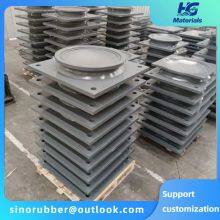
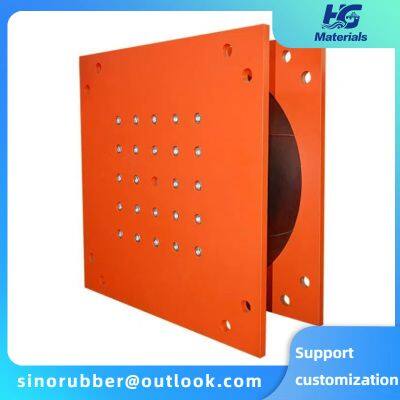
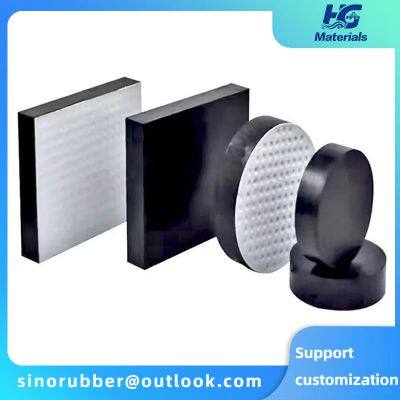
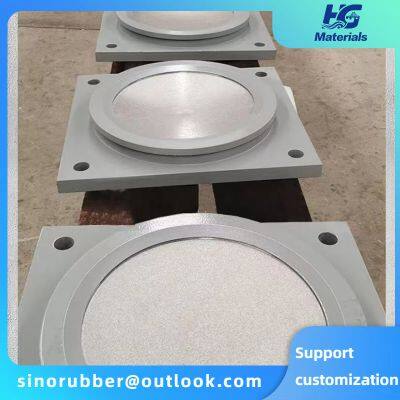
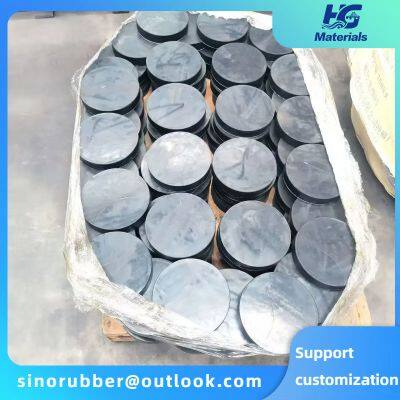
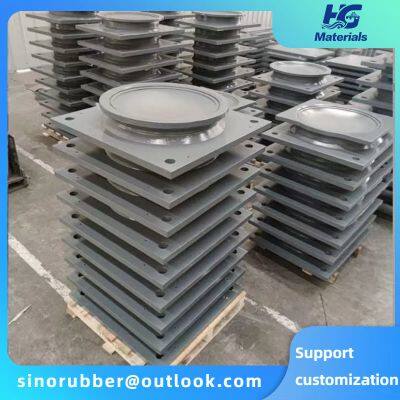
HG004 Elastomeric Laminated Neoprene Rubber Bridge Bearing Pad Nature Rubber Elastomeric Bearing Pad


Related Products
-
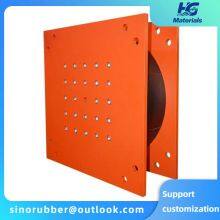
 HG004 Bridge Rubber Bearing Factory Wholesale Bridge Shock-absorbing Rubber Block GJZf4 PTFE Plate Sliding Rubber BearingUS$ 6.7 - 7MOQ: 10 Pieces
 -
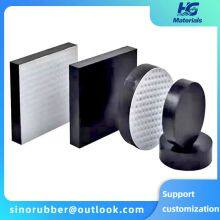
HG004 Bridge Circular PTFE Plate Rubber Bearing, Rectangular National Standard Grid Bearing, Shock-absorbing PadUS$ 6.7 - 7MOQ: 10 Pieces
-
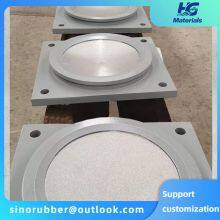
Highway Bridge Rubber Bearings, Plate Rubber Bearings, GJZ Rectangular Bearings, Expansion Joint Bearings Available in StockUS$ 6.7 - 7MOQ: 10 Pieces
-
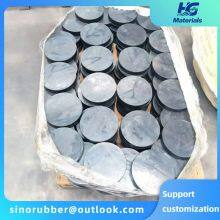
HG004 Bridge Highway Rubber Bearings, Circular and Rectangular Bridge Construction PTFE Rubber Pad Bearings, Shock-absorbing PadsUS$ 6.7 - 7MOQ: 10 Pieces
-
Construction Earthquake Isolation High Damping Lead Rubber BearingUS$ 6.7 - 7MOQ: 10 Pieces
Elastomer (Rubber Layer): The core component for force bearing and deformation. Common materials include natural rubber, neoprene rubber, and nitrile rubber, which possess high elasticity, aging resistance, and fatigue resistance. It can absorb vibration and adapt to displacement through elastic deformation.
Reinforcing Layer: Mostly made of thin steel plates or fiber fabrics, embedded in the rubber layer. Its role is to restrict the lateral expansion of rubber, improve the overall load-bearing capacity of the bearing (preventing excessive deformation of rubber due to compression), and enhance the stiffness and stability of the bearing.
-
Protective Layer/Connecting Components: Some bearings are equipped with anti-corrosion coatings (such as galvanizing or epoxy resin) on the surface to prevent rusting of the metal reinforcing layer. Steel plates or anchor bolts may be installed at both ends to facilitate fixed connection with the upper structure and lower foundation.
3. Main Classifications
Plate-Type Rubber Bearing
Simple structure: Composed of multiple layers of rubber and thin steel plates alternately laminated and vulcanized, presenting a flat plate shape (some with circular or rectangular bosses).
Characteristics: Moderate load-bearing capacity, low cost, and easy installation. It is suitable for medium and small-span bridges (such as highway simply supported beam bridges), low-rise buildings, or structures with small loads.
Subtypes: Ordinary plate-type (only transfers vertical loads + adapts to small displacements), PTFE sliding plate-type (polytetrafluoroethylene (PTFE) sliding plate is attached to the rubber surface to reduce friction and adapt to larger horizontal displacements).
Pot-Type Rubber Bearing
Complex structure: Composed of a steel pot (outer shell), rubber block, sliding plate (PTFE + stainless steel), sealing ring, etc. The rubber block is confined within the steel pot.
Characteristics: High load-bearing capacity (up to several thousand tons), large range of displacement and rotation adaptation, good aging resistance and corrosion resistance. It is suitable for long-span bridges (such as continuous beam bridges and cable-stayed bridges), high-rise buildings, or heavy-duty structures.
Spherical Rubber Bearing
Special structure: Realizes multi-angle rotation and large displacement through the sliding of spherical steel plates and sliding plates, with the rubber layer mainly playing a buffering and vibration-damping role.
Characteristics: Can adapt to complex deformations (such as longitudinal, transverse, and vertical displacements of bridges, as well as rotation in any direction). It is often used in curved bridges, skew bridges, or structures with high seismic requirements.
Natural Rubber Bearings: Good elasticity and low-temperature resistance (-40℃ to 60℃), but poor oil resistance and ozone resistance. Suitable for normal-temperature and non-corrosive environments (such as general highway bridges).
Neoprene Rubber Bearings: Excellent aging resistance, ozone resistance, and acid-alkali resistance. Applicable temperature range is -30℃ to 80℃. Suitable for open-air, humid, or slightly corrosive environments (such as municipal bridges and structures in coastal areas).
-
Nitrile Rubber Bearings: Strong oil resistance, suitable for scenarios where oil contact may occur (such as industrial plants and structures near gas stations), but poor low-temperature resistance (-20℃ to 70℃).
Load-Bearing Principle: The load of the upper structure is transmitted to the bearing through connecting components. The rubber layer undergoes elastic deformation under compression, and the reinforcing steel plates restrict the lateral expansion of the rubber, enabling the bearing to withstand large vertical pressure without excessive deformation.
Displacement Adaptation Principle: When the structure generates horizontal displacement due to temperature changes (e.g., bridge elongation in summer and shortening in winter) or settlement, plate-type bearings achieve displacement compensation through rubber shear deformation, sliding plate bearings through the sliding of PTFE sliding plates and stainless steel plates, and pot-type/spherical bearings through the relative movement of internal components. This avoids additional stress in the structure.
-
Vibration-Damping Principle: When vibration loads (caused by earthquakes or vehicle operation) act on the structure, the rubber layer absorbs vibration energy through elastic deformation, converting high-frequency vibration into low-frequency deformation. This reduces the transmission of vibration to the upper structure and lowers the risk of structural damage.
Bridge Engineering: The largest application area. For example, between the beam body and pier of highway bridges, railway bridges, and municipal overpasses, it bears the load of the beam body and adapts to the expansion, contraction, and rotation of the bridge.
Building Engineering: Used between the foundation and main structure of high-rise buildings, large workshops, exhibition halls, etc. It reduces the impact of foundation settlement and earthquakes on buildings and improves the seismic performance of structures.
Rail Transit: In subway track beams and light rail bridges, it is necessary to adapt to track displacement caused by temperature differences and vibration from train operation. High-damping rubber bearings (with stronger vibration-damping effect) are commonly used.
-
Special Structures: For nuclear power plants, large storage tanks, and stadium grid structures, which have high requirements for the load-bearing stability and weather resistance of bearings. Customized pot-type or spherical rubber bearings are mostly adopted.
Load Requirements: Determine the bearing capacity grade of the bearing based on the vertical load (dead load + live load) and horizontal load (earthquake, wind force) of the upper structure (e.g., the common load range of plate-type bearings is 100kN to 3000kN, and that of pot-type bearings can exceed 10000kN).
Displacement and Rotation: Combine the structural span, temperature variation range, and foundation settlement to select a bearing type that can adapt to the corresponding displacement (e.g., horizontal displacement of ±50mm to ±500mm) and rotation (e.g., 0.01rad to 0.05rad).
Environmental Conditions: Natural rubber bearings are suitable for normal-temperature and dry environments; neoprene rubber bearings are preferred for humid, coastal, or corrosive environments; nitrile rubber bearings are selected for scenarios where oil contact may occur.
Regular Inspection: Inspect the bearing every six months to one year for issues such as rubber aging (cracking, hardening), steel plate rusting, excessive displacement, and loose anchor bolts. Focus on inspection after earthquakes or floods.
Cleaning and Protection: Remove sediment and debris from the bearing surface to prevent sharp objects from scratching the rubber layer; promptly derust and touch up the anti-corrosion coating on rusted parts of steel components.
Replacement and Repair: If the rubber layer is severely aged or cracked (depth exceeding 5mm) or the bearing displacement exceeds the limit, replace it in a timely manner; minor damages can be repaired by pasting rubber patches or adding lubricants (for sliding plate bearings).

Send Inquiry to This Supplier



You May Also Like
-
Elastomeric Bearing Rubber Bridge Bearing Pad Neoprene Bridge Bearing for HighwayUS$ 6.7 - 7MOQ: 10 Pieces
-
High Damping Bearing Elastomeric Seismic Isolation Rubber Bearing Pad Bridge Rubber Bearing for Bridge and BuildingUS$ 6.7 - 7MOQ: 10 Pieces
-
Pot Bearing Bridge Rubber Bearing Pad Used for Seismic Isolation Support Shock AbsorptionUS$ 6.7 - 7MOQ: 10 Pieces
-
Seismic Rubber Bearing Anti-seismic Rubber Bearings for Steel Structures Horizontal Dispersion Force Rubber BearingUS$ 6.7 - 7MOQ: 10 Pieces
-
Laminated Rubber Bearings (LRBs) Rubber Pads Laminated Elastomeric Bridge BearingsUS$ 6.7 - 7MOQ: 10 Pieces
-
Low-Friction PTFE Sliding Rubber Bearings, Adaptable to Temperature-Induced Bridge DeformationUS$ 6.7 - 7MOQ: 10 Pieces
-
Pot Bearing Bridge Rubber Bearing Pad Used for Seismic Isolation Support Shock AbsorptionUS$ 6.7 - 7MOQ: 10 Pieces
-
Laminated Rubber Bearings for Medium-Span Highway Bridges Up to 50m - Excellent Shock Absorption and Easy InstallationUS$ 6.7 - 7MOQ: 10 Pieces
-
High-Damping Rubber Bearings Made of EPDM for Seismic Zones - Superior Energy Dissipation in Earthquake AreasUS$ 6.7 - 7MOQ: 10 Pieces
-
Bridge Rubber Bearings With Steel Reinforcement for Railway Use - Low Noise and Vibration Reduction PropertiesUS$ 6.7 - 7MOQ: 10 Pieces


