








 Contact Platform Support
 Help Center
Home > Chemicals > Rubber & Rubber Products > Rubber Sheet & Mat > HG004 Bridge Circular PTFE Plate Rubber Bearing, Rectangular National Standard Grid Bearing, Shock-absorbing Pad
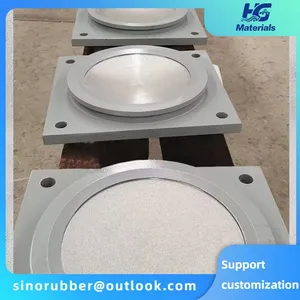
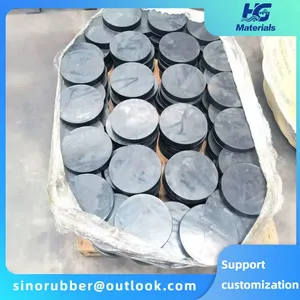
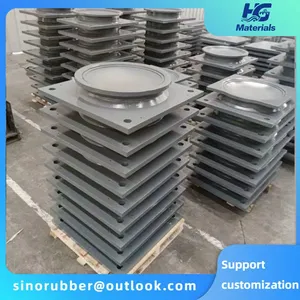
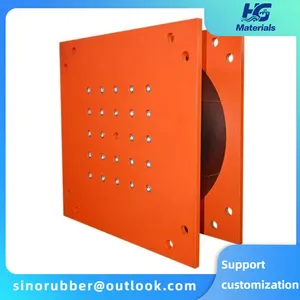
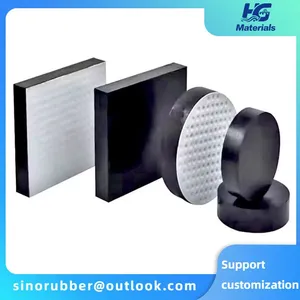
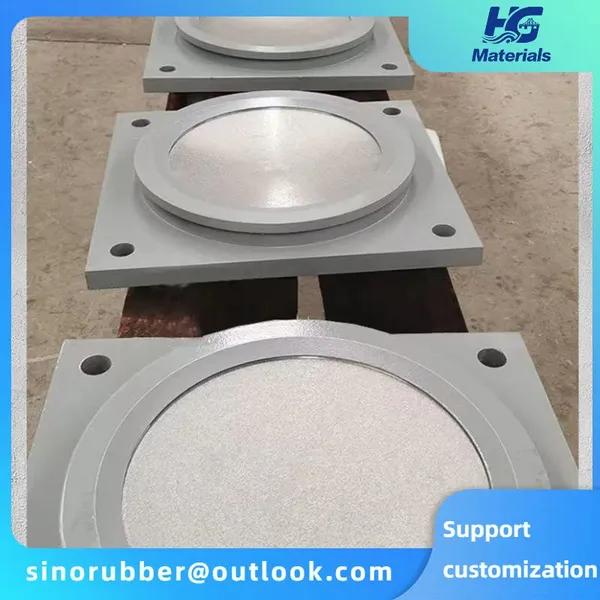
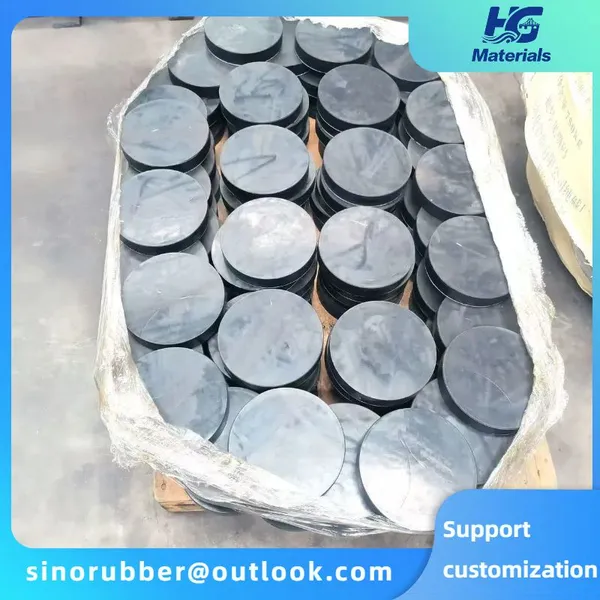
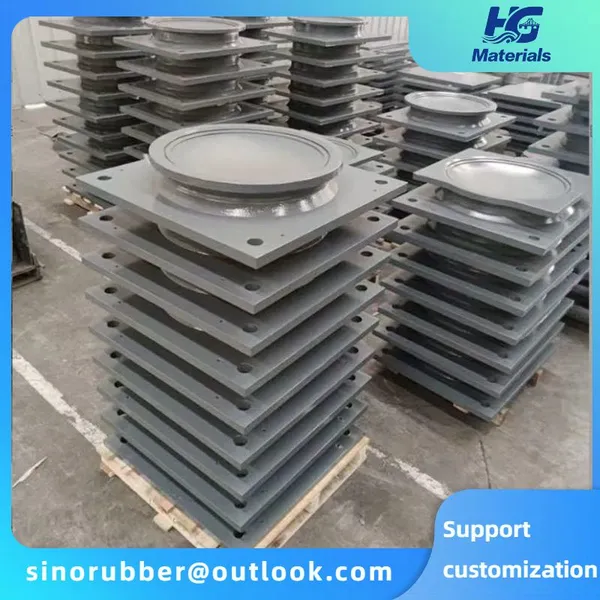
HG004 Bridge Circular PTFE Plate Rubber Bearing, Rectangular National Standard Grid Bearing, Shock-absorbing Pad
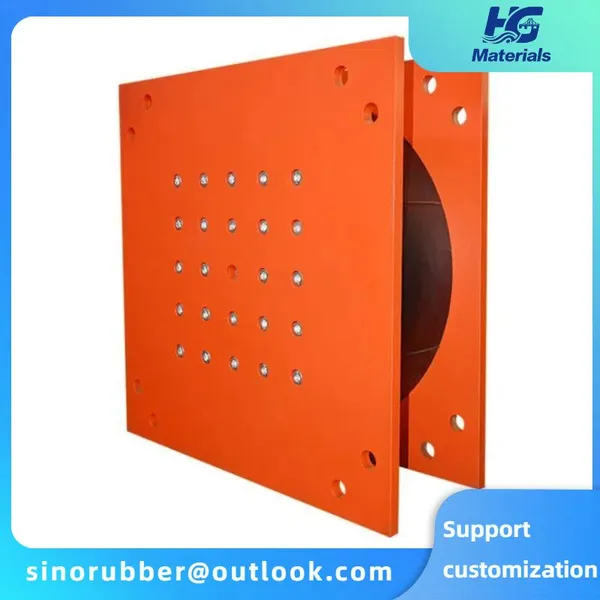
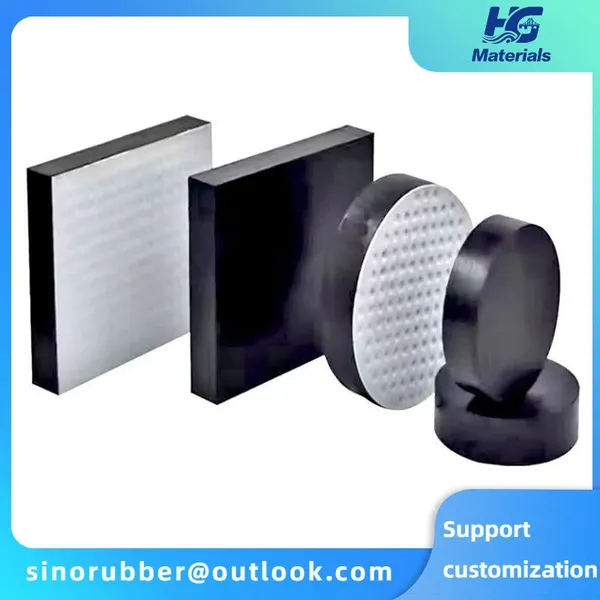
US$ 7
10 - 99 Pieces
US$ 6.7
≥100 Pieces
Key Specifications
Get Latest Price
Material:
EPDM
Color:
Black Rubber Sheet
Feature:
Wear-Resistant, Impact-resistant

Payment & Shipping
Payment Methods:


Port of Shipment:
Tianjin/QIngdao
Delivery Detail:
15 days
Related Products
-
 Highway Bridge Rubber Bearings, Plate Rubber Bearings, GJZ Rectangular Bearings, Expansion Joint Bearings Available in StockUS$ 6.7 - 7MOQ: 10 Pieces
 -
HG004 Bridge Highway Rubber Bearings, Circular and Rectangular Bridge Construction PTFE Rubber Pad Bearings, Shock-absorbing PadsUS$ 6.7 - 7MOQ: 10 Pieces
-
Construction Earthquake Isolation High Damping Lead Rubber BearingUS$ 6.7 - 7MOQ: 10 Pieces
-
Elastomeric Bearing Rubber Bridge Bearing Pad Neoprene Bridge Bearing for HighwayUS$ 6.7 - 7MOQ: 10 Pieces
-
High Damping Bearing Elastomeric Seismic Isolation Rubber Bearing Pad Bridge Rubber Bearing for Bridge and BuildingUS$ 6.7 - 7MOQ: 10 Pieces
Material
EPDM
Color
Black Rubber Sheet
Feature
Wear-Resistant, Impact-resistant
Usage
Other, Bridge rubber bearing
Performance
Round Buckle Antiskid Rubber Sheet
Medium
Metal Frame Layer Rubber Sheet
Transport Package
Wooden crate packaging
Specification
Customized according to the blueprints
Trademark
Haogu
Origin
Hebei
# Rubber Bearings: The "Invisible Structural Safeguard" You Can’t Build Without Think of rubber bearings as a structure’s "flexible backbone"—they sit between a building/bridge and its foundation, quietly handling loads, absorbing shocks, and letting structures move without breaking. Unlike rigid steel parts, they blend elasticity and strength to solve real-world engineering problems. Below’s a straightforward, scenario-driven guide to what they are, who uses them, and why they matter.
## 1. Who Actually Uses Rubber Bearings? (Spoiler: Every Big Structure) Rubber bearings aren’t just "parts"—they’re critical for projects where stability + flexibility = safety. Here are the most common use cases, with real-world context: - **Bridges (Highway/Railway)** Imagine a highway bridge in winter: cold temperatures make the concrete deck shrink; summer heat makes it expand. Rubber bearings let the deck slide or shift *slightly* (without cracking) while still holding up the weight of trucks. For railways, they also absorb vibrations from passing trains—reducing noise for nearby homes. - **Tall Buildings & Hospitals** In earthquake-prone areas (e.g., Japan, California), buildings with rubber bearings (specifically lead-reinforced ones) act like "shock absorbers." When the ground shakes, the bearings deform gently to dissipate energy—protecting walls, floors, and even medical equipment in hospitals. - **Industrial Factories** Factories with heavy machines (like metal presses or turbines) generate intense vibrations. Rubber bearings isolate these vibrations so they don’t spread to other parts of the factory—preventing damage to delicate tools and making workspaces quieter. - **Stadiums & Airports** Large, wide structures (like football stadium roofs or airport terminals) need to handle uneven loads (e.g., wind pushing on one side). Rubber bearings let these structures "tilt" slightly to balance forces—avoiding stress cracks in concrete or steel. ## 2. 3 Main Types: Which One Fits Your Project? Not all rubber bearings are the same—each is designed for a specific challenge. Here’s how to tell them apart (no complex jargon!): | Type | How It Works | Best For | |------|--------------|----------| | **Laminated Rubber Bearings (LRBs)** | Made of alternating rubber layers + thin steel plates (like a "rubber-steel sandwich"). The steel keeps it strong vertically (to hold weight), while the rubber lets it slide horizontally (for temperature shifts). | Small-to-medium bridges, residential buildings, pedestrian overpasses. | | **Pot Bearings** | A rubber pad inside a steel "pot" (like a cylindrical shell) with a super-smooth PTFE sliding plate on top. The pot stops the rubber from bulging, and the PTFE lets it slide *a lot* (for big structures). | Long-span bridges (e.g., cable-stayed bridges), stadiums, airports. | | **Lead-Rubber Isolators (LRIs)** | A laminated bearing with a lead core in the middle. The lead acts like a "shock absorber"—it bends during earthquakes to soak up energy, while the rubber keeps the structure stable. | Earthquake zones, nuclear power plants, historical buildings (where preservation matters). | ## 3. Why Rubber Bearings Beat Rigid Parts (5 Unignorable Benefits) If you’re wondering why engineers don’t just use steel or concrete instead, here’s the breakdown: - **They Prevent Cracks (and Disasters)** Rigid parts (like steel rollers) don’t let structures move—so when a bridge expands or a building shakes, concrete cracks, and steel bends. Rubber bearings let movement happen *controlled*—no damage, no risk. - **They Last Decades (With Minimal Work)** Made from tough rubbers (EPDM, natural rubber) that resist sun, rain, and aging. Most last 30–50 years, and maintenance is simple: just check for wear once a year (no expensive repairs). - **They Save Money (Long-Term)** Yes, they cost more upfront than basic steel parts—but they avoid costly fixes (e.g., repairing a cracked bridge deck or a damaged factory machine). For a 50-year bridge, they cut lifecycle costs by 20–30%. - **They Reduce Noise & Vibration** Unlike steel, rubber absorbs sound and shocks. For residential areas near railways or factories, this means quieter neighborhoods—and happier people. - **They Work in Extreme Weather** From -40°C (freezing Canadian winters) to +80°C (scorching Middle Eastern summers), rubber bearings stay flexible. No freezing, no melting—just reliable performance. ## 4. Quick Glance: Key Specs to Remember | Feature | Typical Range | |---------|---------------| | Vertical Load Capacity | 50 kN (small buildings) → 15,000 kN (large bridges) | | Horizontal Movement | 5 mm (LRBs) → 300 mm (pot bearings) | | Operating Temperature | -40°C to +80°C | | Service Life | 30–50 years | ## Final Thought: Rubber bearings are the "unsung heroes" of construction. They don’t get as much attention as skyscraper designs or bridge arches—but without them, even the strongest structures would fail. Whether you’re building a small bridge or a hospital in an earthquake zone, they’re the flexible, durable solution that keeps projects safe and functional for decades.

Send Inquiry to This Supplier


1Yr

Year Established
2025
Factory Size
3,000-5,000 square meters
Annual Export Value
US$5 Million - US$10 Million
Total Employees
51 - 100 People
You May Also Like
-
Pot Bearing Bridge Rubber Bearing Pad Used for Seismic Isolation Support Shock AbsorptionUS$ 6.7 - 7MOQ: 10 Pieces
-
Seismic Rubber Bearing Anti-seismic Rubber Bearings for Steel Structures Horizontal Dispersion Force Rubber BearingUS$ 6.7 - 7MOQ: 10 Pieces
-
Laminated Rubber Bearings (LRBs) Rubber Pads Laminated Elastomeric Bridge BearingsUS$ 6.7 - 7MOQ: 10 Pieces
-
Low-Friction PTFE Sliding Rubber Bearings, Adaptable to Temperature-Induced Bridge DeformationUS$ 6.7 - 7MOQ: 10 Pieces
-
Pot Bearing Bridge Rubber Bearing Pad Used for Seismic Isolation Support Shock AbsorptionUS$ 6.7 - 7MOQ: 10 Pieces
-
Laminated Rubber Bearings for Medium-Span Highway Bridges Up to 50m - Excellent Shock Absorption and Easy InstallationUS$ 6.7 - 7MOQ: 10 Pieces
-
High-Damping Rubber Bearings Made of EPDM for Seismic Zones - Superior Energy Dissipation in Earthquake AreasUS$ 6.7 - 7MOQ: 10 Pieces
-
Bridge Rubber Bearings With Steel Reinforcement for Railway Use - Low Noise and Vibration Reduction PropertiesUS$ 6.7 - 7MOQ: 10 Pieces
-
Lead-Rubber Bearings for Earthquake-Resistant Structures - Absorbs Seismic Impact With Minimal Force TransmissionUS$ 6.7 - 7MOQ: 10 Pieces
-
Laminated Rubber Neoprene Pad Elastomeric Bearing Pads For BridgesUS$ 6.7 - 7MOQ: 10 Pieces


