








 Contact Platform Support
 Help Center
Home > Chemicals > Rubber & Rubber Products > Rubber Sheet & Mat > Highway Bridge Rubber Bearings, Plate Rubber Bearings, GJZ Rectangular Bearings, Expansion Joint Bearings Available in Stock
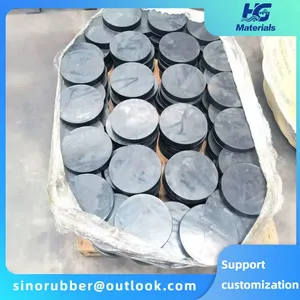
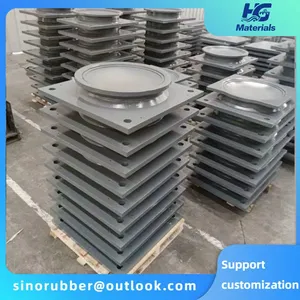
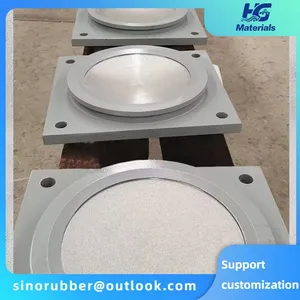
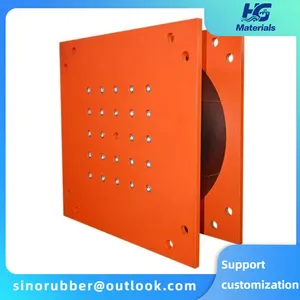
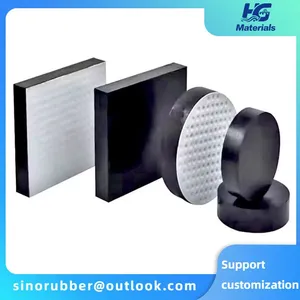
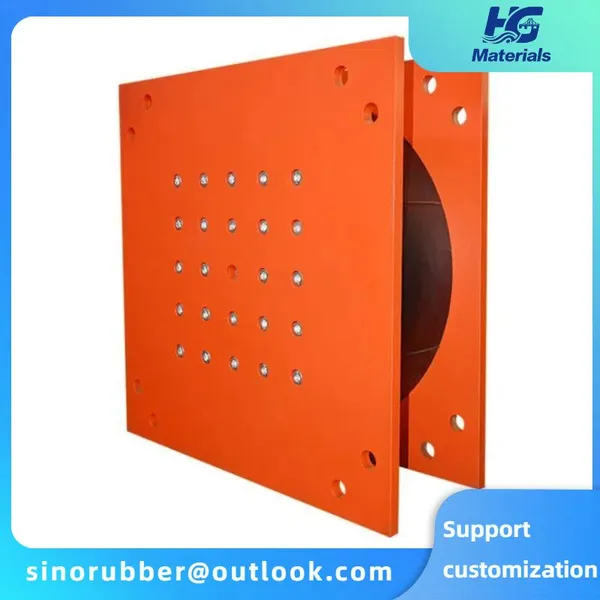
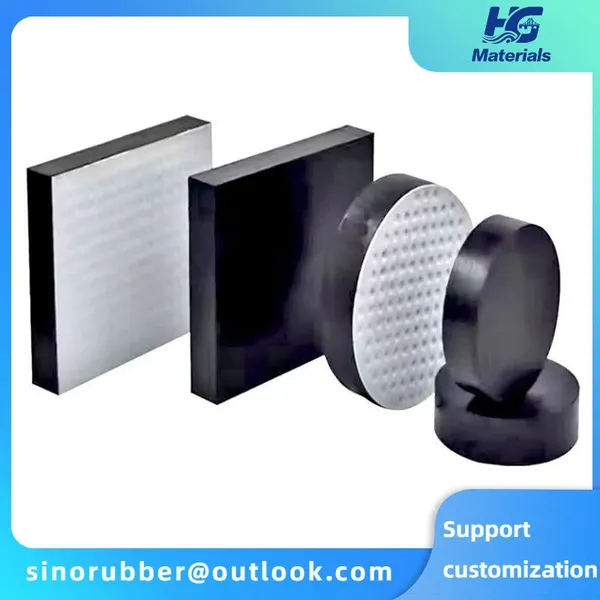
Highway Bridge Rubber Bearings, Plate Rubber Bearings, GJZ Rectangular Bearings, Expansion Joint Bearings Available in Stock
US$ 7
10 - 99 Pieces
US$ 6.7
≥100 Pieces
Key Specifications
Get Latest Price
Material:
EPDM
Color:
Black Rubber Sheet
Feature:
Wear-Resistant, Impact-resistant

Payment & Shipping
Payment Methods:


Port of Shipment:
Tianjin/QIngdao
Delivery Detail:
15 days
Related Products
-
 HG004 Bridge Highway Rubber Bearings, Circular and Rectangular Bridge Construction PTFE Rubber Pad Bearings, Shock-absorbing PadsUS$ 6.7 - 7MOQ: 10 Pieces
 -
Construction Earthquake Isolation High Damping Lead Rubber BearingUS$ 6.7 - 7MOQ: 10 Pieces
-
Elastomeric Bearing Rubber Bridge Bearing Pad Neoprene Bridge Bearing for HighwayUS$ 6.7 - 7MOQ: 10 Pieces
-
High Damping Bearing Elastomeric Seismic Isolation Rubber Bearing Pad Bridge Rubber Bearing for Bridge and BuildingUS$ 6.7 - 7MOQ: 10 Pieces
-
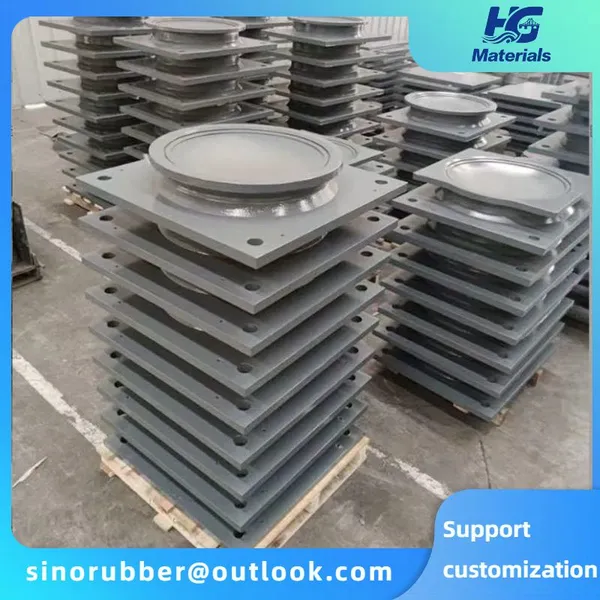
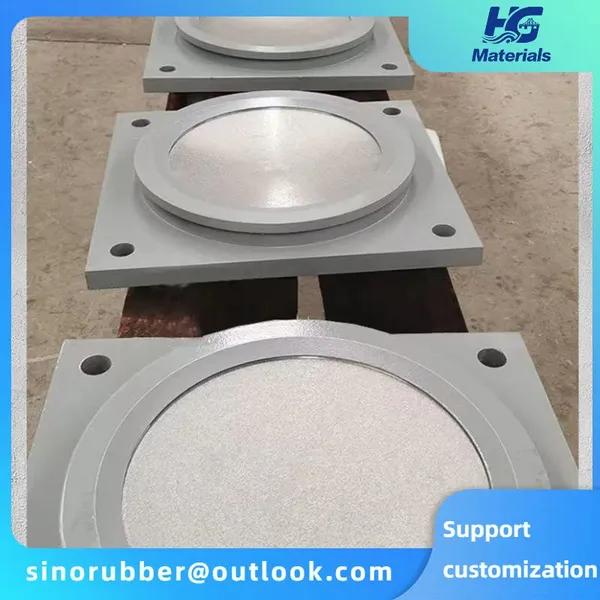
Pot Bearing Bridge Rubber Bearing Pad Used for Seismic Isolation Support Shock AbsorptionUS$ 6.7 - 7MOQ: 10 Pieces
Material
EPDM
Color
Black Rubber Sheet
Feature
Wear-Resistant, Impact-resistant
Usage
Other, Bridge rubber bearing
Performance
Round Buckle Antiskid Rubber Sheet
Medium
Metal Frame Layer Rubber Sheet
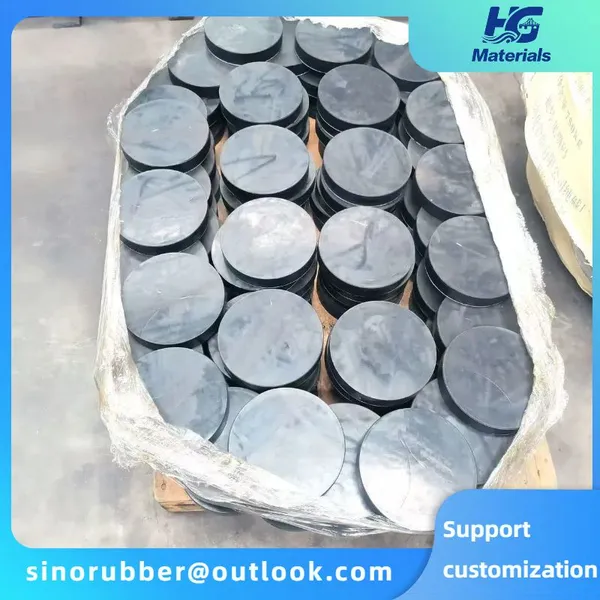
Transport Package
Wooden crate packaging
Specification
Customized according to the blueprints
Trademark
Haogu
Origin
Hebei
# Rubber Bearings: How They Work? + Key Advantages Rubber bearings are the "adaptive backbone" of modern infrastructure—they connect structures (bridges, buildings, factories) to their foundations, transferring heavy loads *while* enabling safe movement. Their functionality is rooted in smart design, and each type’s working principle directly translates to unique advantages. Below, we break down how the three most common rubber bearings operate, with their key benefits woven into every step. ## 1. Laminated Rubber Bearings (LRBs): Balancing Strength & Flexibility LRBs are the workhorse of medium-load, small-displacement projects (residential buildings, short-span highways). Their simple yet effective design makes them a top choice—and their working process explains why. ### How They Work #### Step 1: The "Reinforced Sandwich" Structure LRBs consist of alternating layers of **high-elastic rubber** (natural rubber or EPDM) and **thin steel plates** (1–3mm thick), bonded under high pressure and heat. The steel plates are fully embedded—they don’t protrude, but they shape the bearing’s performance. #### Step 2: Handling Vertical Loads When a structure’s weight (e.g., a bridge deck) presses down: - Without steel plates, rubber would bulge sideways (like a squashed sponge). But the rigid steel plates block lateral expansion, forcing the rubber to absorb loads *vertically* instead. - The steel layers also distribute weight evenly across the bearing’s surface, preventing localized stress (which cracks concrete or damages foundations). #### Step 3: Allowing Gentle Horizontal Movement For temperature-induced expansion (summer heat) or light wind: - The rubber layers stretch/compress slightly—their natural elasticity lets them return to shape once the force fades. The steel plates don’t hinder this movement; they simply provide structural stability. ### Key Advantages (Built Into Their Workings) - **Cost-Effective Durability**: The simple rubber-steel design means lower manufacturing/installation costs (30% less than rigid steel bearings) and a 30–50-year lifespan—no complex parts to replace. - **Crack Prevention**: Gentle, controlled movement (5–50mm range) avoids stress buildup in concrete/steel, eliminating costly repairs from expansion/contraction. - **Low Maintenance**: No lubrication or frequent checks needed—just annual visual inspections, saving time and labor. ## 2. Pot Bearings: Handling Heavy Loads & Large Displacements Pot bearings are engineered for heavy-duty projects (long-span cable-stayed bridges, stadiums) where "strength + big movement" is non-negotiable. Their design turns extreme demands into advantages. ### How They Work #### Step 1: The "Contained Rubber" Structure A pot bearing has three core components: a **steel pot** (cylindrical shell), a **tight-fitting rubber pad** inside the pot, and a **PTFE (Teflon-like) sliding plate** on top of the rubber. #### Step 2: Supporting Massive Vertical Loads When 1,000+ ton loads (e.g., a bridge’s main deck) press down: - The rubber pad tries to bulge outward, but the steel pot’s rigid walls trap it—forcing the rubber to compress vertically instead. This "containment" lets pot bearings handle up to 15,000 kN (1,500 metric tons) of load. #### Step 3: Enabling Smooth Large-Displacement Sliding For wind-driven shifts or long-span expansion (100+ mm): - The PTFE sliding plate has an ultra-low friction coefficient (#### Step 2: Normal Operation (Everyday Use) Under light loads (building weight, gentle wind): - The lead core stays rigid, so the LRI acts like a standard LRB—transferring vertical loads evenly and allowing small horizontal movements (5–20mm) without issues. #### Step 3: Earthquake Mode (Energy Dissipation) When seismic waves hit, pushing the structure sideways violently: - The horizontal force bends the lead core. Unlike brittle steel, lead is *ductile*—it deforms plastically (like soft clay) instead of breaking. - As the lead bends, it converts seismic energy into mild heat (via internal friction). This "dissipation" reduces the vibration reaching the structure by 50–80%. - The rubber layers keep the structure stable: they limit excessive sway and help the bearing reset post-earthquake. ### Key Advantages (Built Into Their Workings) - **Seismic Protection**: Cuts earthquake damage drastically—saves lives and avoids multi-million-dollar repairs for hospitals, nuclear plants, or historical buildings. - **Dual Performance**: Works as a standard bearing daily and a shock absorber during disasters—no need for separate systems (saves space and cost). - **Long-Term Reliability**: Lead and rubber resist aging; LRIs last 40–50 years with minimal maintenance (ideal for critical infrastructure). ## 4. Universal Working Principles & Overall Advantages All rubber bearings share three core design rules—each tied to their collective benefits: 1. **Elasticity = Adaptability**: Rubber’s ability to stretch/compress (and reset) enables movement without damage—something steel/concrete can’t do (advantage: no cracked structures). 2. **Load Path Optimization**: Components (steel plates, pots, lead cores) direct loads safely—vertical loads to the foundation, horizontal forces to rubber/lead (advantage: maximum strength with minimal size). 3. **Low-Cost Longevity**: Simple designs mean lower upfront costs, and durable materials (EPDM, PTFE, lead) mean minimal maintenance (advantage: 30–50% lower lifecycle costs vs. rigid bearings). ## Why This Matters Understanding "how rubber bearings work" reveals their true value: they don’t just "hold things up"—they let structures *adapt* to the world around them. Whether it’s a bridge expanding in the sun, a building surviving an earthquake, or a factory reducing noise, their working principles directly deliver advantages that make infrastructure safer, cheaper, and longer-lasting.#,
## 1. Laminated Rubber Bearings (LRBs): Balancing Strength & Flexibility LRBs are the workhorse of medium-load, small-displacement projects (residential buildings, short-span highways). Their simple yet effective design makes them a top choice—and their working process explains why. ### How They Work #### Step 1: The "Reinforced Sandwich" Structure LRBs consist of alternating layers of **high-elastic rubber** (natural rubber or EPDM) and **thin steel plates** (1–3mm thick), bonded under high pressure and heat. The steel plates are fully embedded—they don’t protrude, but they shape the bearing’s performance. #### Step 2: Handling Vertical Loads When a structure’s weight (e.g., a bridge deck) presses down: - Without steel plates, rubber would bulge sideways (like a squashed sponge). But the rigid steel plates block lateral expansion, forcing the rubber to absorb loads *vertically* instead. - The steel layers also distribute weight evenly across the bearing’s surface, preventing localized stress (which cracks concrete or damages foundations). #### Step 3: Allowing Gentle Horizontal Movement For temperature-induced expansion (summer heat) or light wind: - The rubber layers stretch/compress slightly—their natural elasticity lets them return to shape once the force fades. The steel plates don’t hinder this movement; they simply provide structural stability. ### Key Advantages (Built Into Their Workings) - **Cost-Effective Durability**: The simple rubber-steel design means lower manufacturing/installation costs (30% less than rigid steel bearings) and a 30–50-year lifespan—no complex parts to replace. - **Crack Prevention**: Gentle, controlled movement (5–50mm range) avoids stress buildup in concrete/steel, eliminating costly repairs from expansion/contraction. - **Low Maintenance**: No lubrication or frequent checks needed—just annual visual inspections, saving time and labor. ## 2. Pot Bearings: Handling Heavy Loads & Large Displacements Pot bearings are engineered for heavy-duty projects (long-span cable-stayed bridges, stadiums) where "strength + big movement" is non-negotiable. Their design turns extreme demands into advantages. ### How They Work #### Step 1: The "Contained Rubber" Structure A pot bearing has three core components: a **steel pot** (cylindrical shell), a **tight-fitting rubber pad** inside the pot, and a **PTFE (Teflon-like) sliding plate** on top of the rubber. #### Step 2: Supporting Massive Vertical Loads When 1,000+ ton loads (e.g., a bridge’s main deck) press down: - The rubber pad tries to bulge outward, but the steel pot’s rigid walls trap it—forcing the rubber to compress vertically instead. This "containment" lets pot bearings handle up to 15,000 kN (1,500 metric tons) of load. #### Step 3: Enabling Smooth Large-Displacement Sliding For wind-driven shifts or long-span expansion (100+ mm): - The PTFE sliding plate has an ultra-low friction coefficient (#### Step 2: Normal Operation (Everyday Use) Under light loads (building weight, gentle wind): - The lead core stays rigid, so the LRI acts like a standard LRB—transferring vertical loads evenly and allowing small horizontal movements (5–20mm) without issues. #### Step 3: Earthquake Mode (Energy Dissipation) When seismic waves hit, pushing the structure sideways violently: - The horizontal force bends the lead core. Unlike brittle steel, lead is *ductile*—it deforms plastically (like soft clay) instead of breaking. - As the lead bends, it converts seismic energy into mild heat (via internal friction). This "dissipation" reduces the vibration reaching the structure by 50–80%. - The rubber layers keep the structure stable: they limit excessive sway and help the bearing reset post-earthquake. ### Key Advantages (Built Into Their Workings) - **Seismic Protection**: Cuts earthquake damage drastically—saves lives and avoids multi-million-dollar repairs for hospitals, nuclear plants, or historical buildings. - **Dual Performance**: Works as a standard bearing daily and a shock absorber during disasters—no need for separate systems (saves space and cost). - **Long-Term Reliability**: Lead and rubber resist aging; LRIs last 40–50 years with minimal maintenance (ideal for critical infrastructure). ## 4. Universal Working Principles & Overall Advantages All rubber bearings share three core design rules—each tied to their collective benefits: 1. **Elasticity = Adaptability**: Rubber’s ability to stretch/compress (and reset) enables movement without damage—something steel/concrete can’t do (advantage: no cracked structures). 2. **Load Path Optimization**: Components (steel plates, pots, lead cores) direct loads safely—vertical loads to the foundation, horizontal forces to rubber/lead (advantage: maximum strength with minimal size). 3. **Low-Cost Longevity**: Simple designs mean lower upfront costs, and durable materials (EPDM, PTFE, lead) mean minimal maintenance (advantage: 30–50% lower lifecycle costs vs. rigid bearings). ## Why This Matters Understanding "how rubber bearings work" reveals their true value: they don’t just "hold things up"—they let structures *adapt* to the world around them. Whether it’s a bridge expanding in the sun, a building surviving an earthquake, or a factory reducing noise, their working principles directly deliver advantages that make infrastructure safer, cheaper, and longer-lasting.#,

Send Inquiry to This Supplier


1Yr

Year Established
2025
Factory Size
3,000-5,000 square meters
Annual Export Value
US$5 Million - US$10 Million
Total Employees
51 - 100 People
You May Also Like
-
Seismic Rubber Bearing Anti-seismic Rubber Bearings for Steel Structures Horizontal Dispersion Force Rubber BearingUS$ 6.7 - 7MOQ: 10 Pieces
-
Laminated Rubber Bearings (LRBs) Rubber Pads Laminated Elastomeric Bridge BearingsUS$ 6.7 - 7MOQ: 10 Pieces
-
Low-Friction PTFE Sliding Rubber Bearings, Adaptable to Temperature-Induced Bridge DeformationUS$ 6.7 - 7MOQ: 10 Pieces
-
Pot Bearing Bridge Rubber Bearing Pad Used for Seismic Isolation Support Shock AbsorptionUS$ 6.7 - 7MOQ: 10 Pieces
-
Laminated Rubber Bearings for Medium-Span Highway Bridges Up to 50m - Excellent Shock Absorption and Easy InstallationUS$ 6.7 - 7MOQ: 10 Pieces
-
High-Damping Rubber Bearings Made of EPDM for Seismic Zones - Superior Energy Dissipation in Earthquake AreasUS$ 6.7 - 7MOQ: 10 Pieces
-
Bridge Rubber Bearings With Steel Reinforcement for Railway Use - Low Noise and Vibration Reduction PropertiesUS$ 6.7 - 7MOQ: 10 Pieces
-
Lead-Rubber Bearings for Earthquake-Resistant Structures - Absorbs Seismic Impact With Minimal Force TransmissionUS$ 6.7 - 7MOQ: 10 Pieces
-
Laminated Rubber Neoprene Pad Elastomeric Bearing Pads For BridgesUS$ 6.7 - 7MOQ: 10 Pieces
-
Natural Rubber Bearings for Urban Pedestrian Bridges - Compact Height 50-150mm and Low Maintenance DesignUS$ 6.7 - 7MOQ: 10 Pieces


