Material
Other, Global universal model
Condition
Other, Global universal model
Task
Other, Global universal model
Mathematical Model
Other, Global universal model
Signal
Other, Global universal model
Customized
Non-Customized
Structure
Other, Global universal model
Operating Temperature
-20℃~+70℃
Relative Humidity
5%~95% (non-condensing)
Storage Temperature
-40℃~+85℃
I. Overview
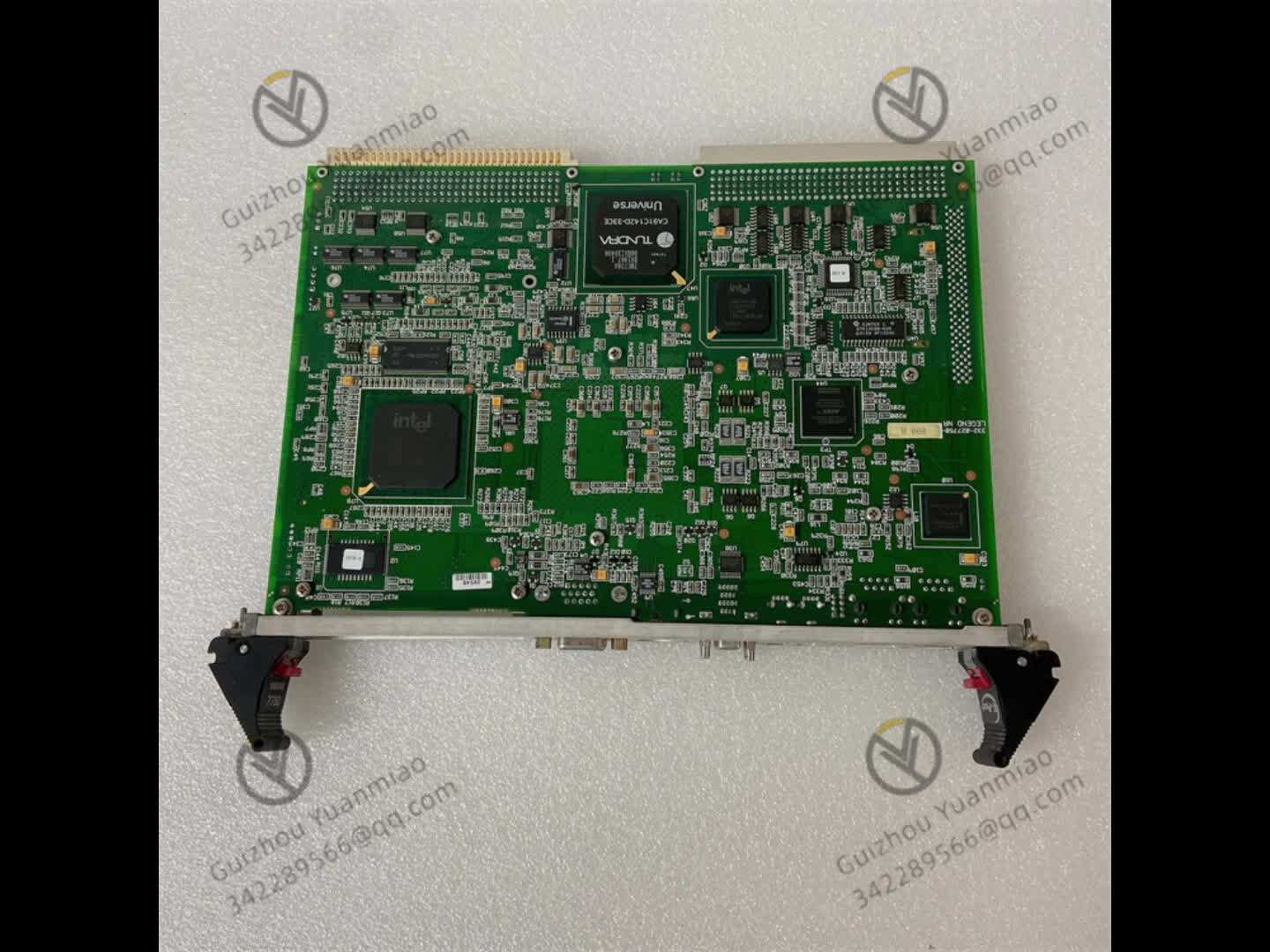
GE IS230TNSVH3A is a primary trip rail module, which plays the role of a "core hub for safety protection" especially in complex steam turbine systems with extremely high reliability requirements. It is specifically designed to address potential safety risks caused by equipment abnormalities and parameter overruns in industrial production. Its core task is to continuously monitor the key parameters of the system. When an abnormal situation occurs, it quickly and accurately executes the trip action, cuts off the power supply of relevant equipment, prevents the expansion of faults, and ensures the safe and stable operation of the entire production process.
This module has significant advantages of "high-sensitivity monitoring + rapid-response tripping + robust and reliable design". It can access up to [X] channels of key signals simultaneously, covering core operating parameters of steam turbines such as rotational speed, vibration, oil temperature, and oil pressure. Relying on high-precision sensors and advanced signal processing algorithms, it can monitor parameter changes at the millisecond level and detect subtle abnormalities. Once a parameter is detected to exceed the preset safety threshold, the built-in high-speed trip logic circuit can trigger a trip command within an extremely short time (≤ [X] ms), drive the relay to cut off the power supply circuit of the corresponding equipment, and its response speed is far faster than that of similar products. In terms of hardware design, the module adopts industrial-grade components and has passed strict environmental tests such as high-low temperature, vibration, and electromagnetic interference tests. It can adapt to extreme temperature environments from -20℃ to +70℃ and operate continuously and stably in harsh industrial sites with strong electromagnetic interference and high vibration, building a solid safety barrier for the long-term and reliable operation of steam turbine systems.
IS230TNSVH3A has obvious advantages in the comprehensiveness of signal monitoring and the timeliness of trip response, which can effectively reduce the risk of equipment damage caused by delayed protection. Compared with customized protection solutions with complex functions but low integration, its standardized DIN rail mounting design and highly integrated circuit layout greatly simplify the system wiring, installation, and commissioning processes, significantly improving system integration efficiency. It is an ideal choice for various steam turbine systems to achieve efficient and safe operation.
II. Technical Specifications
(I) Core Hardware and Signal Monitoring Parameters
(II) Communication and Compatibility Parameters
Communication Interface Configuration: 1 RS-485 communication interface supports the Modbus RTU protocol, enabling data interaction with upper computers and DCS systems for remote monitoring and parameter configuration. The baud rate can be flexibly adjusted within the range of 9600-115200bps; 1 CAN bus interface is used to form a high-speed and reliable control network with other on-site intelligent devices, with a maximum communication rate of 1Mbps and a data transmission delay of ≤ 1ms to ensure system real-time performance.
Protocol Compatibility: In addition to the Modbus RTU and CAN protocols, it also supports GE's dedicated communication protocol, facilitating seamless integration with other GE series devices to achieve system collaborative work; it can adapt to new industrial communication protocols that may emerge in the future through software upgrades, maintaining the technological advancement of the product.
System Compatibility: Fully compatible with various sensors, actuators, and other control modules (e.g., IS215UCVEM10A) in GE steam turbine control systems; supports communication connections with mainstream brand DCS (e.g., Siemens, Honeywell) and PLC (e.g., Rockwell), facilitating the construction of comprehensive industrial automation control systems.
(III) Electrical and Power Supply Parameters
Power Supply Requirements: Supports a wide voltage range of 24V DC ±15% for power supply and has a power reverse connection protection function—even if the power polarity is reversed, the module will not be damaged. The operating current is ≤ [X] mA (no load), and the full-load current is ≤ [X] mA, featuring low power consumption, energy conservation, and environmental protection. It supports redundant power input: when the main power supply fails, the backup power supply can switch seamlessly within 5ms to ensure the continuous and stable operation of the module.
Electrical Isolation: The input/output signals and the module's internal circuit adopt multiple isolation technologies such as photoelectric isolation and magnetic isolation, with an isolation voltage of ≥ 2500Vrms, which effectively prevents external electrical interference from entering the module and avoids malfunctions caused by interference. The communication interface and power circuit are also isolated with an isolation voltage of ≥ 1500Vrms to ensure stable and reliable communication.
Grounding Requirements: The module is equipped with a dedicated grounding terminal and requires single-point grounding with a grounding resistance of ≤ 1Ω. The signal ground and power ground are independent of each other to reduce ground loop interference and ensure the module operates normally in complex electromagnetic environments.
(IV) Environmental Parameters
Operating Environment: The operating temperature range is -20℃ to +70℃, allowing normal operation in extreme temperature environments such as outdoor areas in northern winters (severe cold) and industrial workshops in southern summers (extreme heat). The storage temperature range is -40℃ to +85℃, adapting to different storage conditions. The humidity range is 5%-95% (no condensation), complying with the IEC 60068-2-3 standard, enabling stable operation in high-humidity environments.
Interference Resistance and Protection: Complies with the EN 61000-6-2 industrial immunity standard. The electrostatic discharge (ESD) protection level reaches ±15kV (air discharge)/±8kV (contact discharge), which can resist high-intensity electrostatic interference; the radio frequency radiation immunity level is 10V/m (80MHz-1GHz), effectively preventing radio frequency signal interference; the electrical fast transient (EFT) burst immunity level is 4kV (power terminal)/2kV (signal terminal), ensuring the module operates stably in complex electromagnetic environments; the protection level is IP20, which can effectively prevent dust when used with a cabinet.

III. Functional Features
(I) High-Sensitivity Parameter Monitoring for Real-Time Insight into Equipment Status
Centered on "comprehensive monitoring + accurate perception", IS230TNSVH3A conducts all-round and high-precision monitoring of the key parameters of steam turbine systems:
Collaborative Monitoring of Multiple Parameters: Through analog and digital input channels, it simultaneously monitors core parameters of the steam turbine such as rotational speed, vibration, oil temperature, and oil pressure in real time. For example, during the operation of the steam turbine, the analog input channel collects oil temperature signals (4-20mA corresponding to 30℃-80℃) and oil pressure signals (0-10V corresponding to 0.1MPa-1MPa) in real time, while the digital input channel acquires pulse signals from the speed sensor and converts them into real-time rotational speed through internal algorithms. A single module realizes synchronous monitoring of multiple parameters, providing comprehensive data support for evaluating the equipment's operating status.
High-Precision Signal Processing: The analog input adopts a 16-bit AD converter, combined with advanced digital filtering algorithms, achieving a measurement accuracy of ±0.1% F.S. and enabling accurate detection of subtle parameter changes. For instance, when the oil temperature rises from 50℃ (corresponding to 12mA) to 50.1℃ (corresponding to 12.0064mA), the module can accurately identify the 0.0064mA current change and convert it into a temperature change value, providing a precise data basis for subsequent control decisions.
Abnormal Signal Early Warning: It has a built-in intelligent algorithm that conducts real-time analysis of the monitored parameters. When a parameter approaches the preset safety threshold, it sends an early warning signal in advance. For example, when the oil pressure drops to 0.15MPa (corresponding to 7.5V), which is close to the lower limit threshold of 0.1MPa, the module sends early warning information to the upper computer through the RS-485 communication interface, reminding operation and maintenance personnel to inspect the equipment in a timely manner and prevent potential faults.
(II) Rapid-Response Trip Mechanism to Instantly Cut Off Fault Sources
The module has a built-in high-speed trip logic circuit, which quickly executes the trip action once an abnormality is detected:
Millisecond-Level Trip Response: When a monitored parameter exceeds the preset safety threshold (e.g., the steam turbine speed exceeds 110% of the rated speed, triggering a speed signal change), the high-speed trip logic circuit inside the module responds quickly within ≤ [X] ms, drives the relay to output a trip signal, and cuts off the power supply of the steam turbine to prevent serious accidents caused by speed runaway. Its response speed is much faster than that of traditional protection devices.
Multiple Trip Protection: Supports multiple trip triggering methods. In addition to trip due to parameter overrun, it can also be set for logical interlock tripping. For example, when the oil temperature is too high (≥80℃) and the oil pressure is too low (≤0.1MPa) simultaneously, the module immediately executes the trip action, avoiding protection failure caused by misjudgment of a single fault. At the same time, it has a manual trip function to facilitate manual intervention in emergency situations and ensure the safety of equipment and personnel.
Trip Status Feedback: While the relay outputs the trip signal, the module records the trip event through the internal circuit, including information such as trip time and trip cause (corresponding to specific overrun parameters), and feeds back the trip status signal to the upper computer through the communication interface. This allows operation and maintenance personnel to remotely understand the equipment's trip situation and quickly conduct fault troubleshooting and handling.
(III) Robust and Reliable Hardware Design for Adaptation to Harsh Industrial Environments
In terms of hardware design, IS230TNSVH3A fully considers the harsh conditions of industrial sites to ensure long-term stable operation:
Wide-Temperature Adaptability: It adopts industrial-grade components that have undergone special high-low temperature aging treatment, enabling normal operation in extreme temperature environments from -20℃ to +70℃. For example, in steam turbine equipment used outdoors in northern winters, even if the ambient temperature is as low as -15℃, the module can still maintain stable parameter monitoring and trip response performance without affecting control accuracy, ensuring the safe operation of the equipment.
Anti-Interference Design: Through multiple anti-interference measures such as multi-layer circuit board design, shielded enclosure packaging, and power supply filtering, it effectively resists the impact of harsh environments such as strong electromagnetic interference and high vibration. In high-electromagnetic-interference environments such as steel plants and substations, the module can operate stably, avoiding false monitoring and false tripping caused by electromagnetic interference, and ensuring the reliable execution of protection functions.
High-Reliability Components: Key components are selected from internationally renowned brands and have passed strict screening and quality testing, with a mean time between failures (MTBF) of ≥ [X] hours, greatly reducing the probability of faults in the module itself. At the same time, it adopts a redundant design (e.g., redundant power input, backup of key circuits) to further improve the module's reliability and fault tolerance, ensuring the long-term stable operation of the steam turbine system.
(IV) Convenient Communication and Configuration to Improve System Operation and Maintenance Efficiency
The module supports multiple communication methods, facilitating remote monitoring and parameter configuration:
Remote Communication and Monitoring: Through communication interfaces such as RS-485 and CAN bus, it can establish communication connections with upper computers and DCS systems to realize remote data transmission and monitoring. Operation and maintenance personnel can view the steam turbine's operating parameters, the module's working status, and historical fault records in real time in the central control room, and perform remote parameter configuration and function testing on the module without on-site operation, greatly improving operation and maintenance efficiency.
Local Configuration and Commissioning: Equipped with a local debugging interface, it supports parameter configuration and fault diagnosis through dedicated debugging software. Debugging personnel can connect a laptop to the module to intuitively set monitoring parameter thresholds, trip logic, and communication parameters, with simple and convenient operation. At the same time, the software can display the module's operating status and monitoring data waveforms in real time, facilitating quick fault location and resolution.
Software Upgrade and Function Expansion: It supports online software upgrades. Users can download the latest system programs through the communication interface according to actual needs to realize function optimization and expansion. For example, when the steam turbine system undergoes technical transformation and needs to add new monitoring parameters or trip logic, only the module's software needs to be upgraded to easily achieve function expansion without replacing hardware equipment, reducing system upgrade costs.









 Contact Platform Support
 Help Center