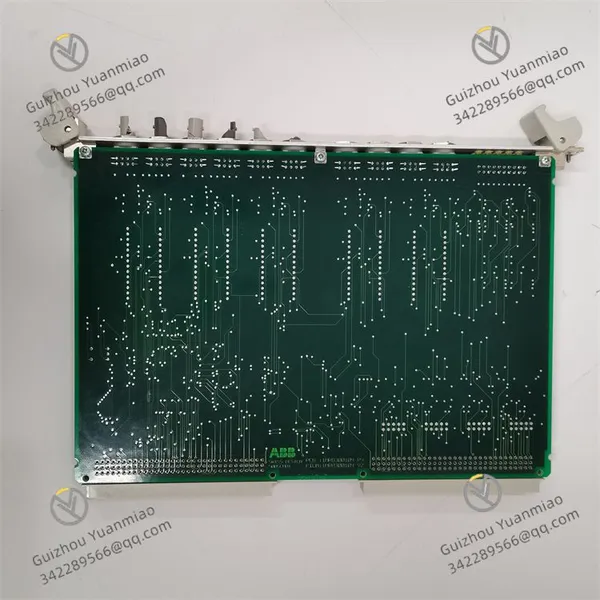
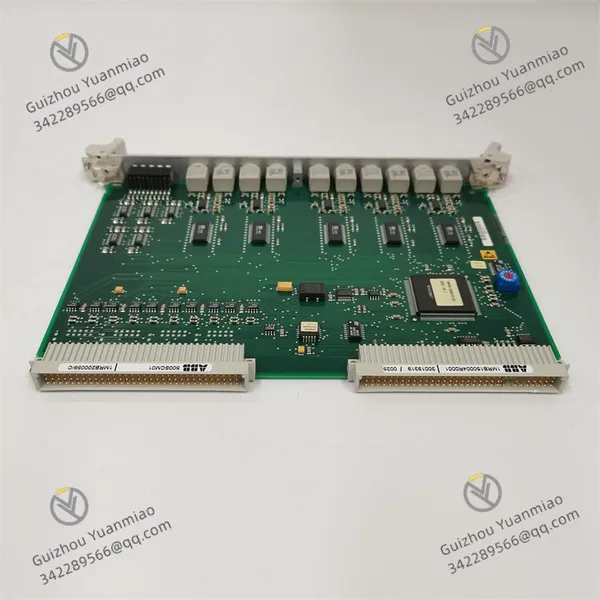
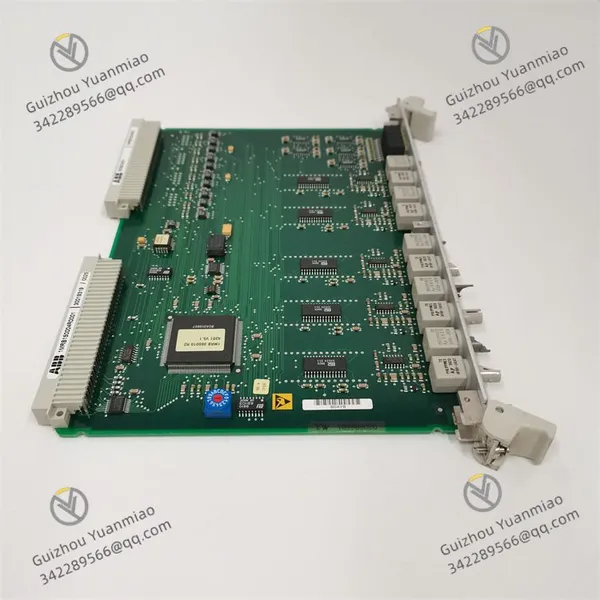
Material
Other, Global universal model
Condition
Other, Global universal model
Task
Other, Global universal model
Mathematical Model
Other, Global universal model
Signal
Other, Global universal model
Customized
Non-Customized
Structure
Other, Global universal model
Operating Temperature
-40℃~70℃
Storage Temperature
-55℃~85℃
Relative Humidity
5% - 95% (non-condensing)
Size
120mm×80mm×30mm
I. Overview
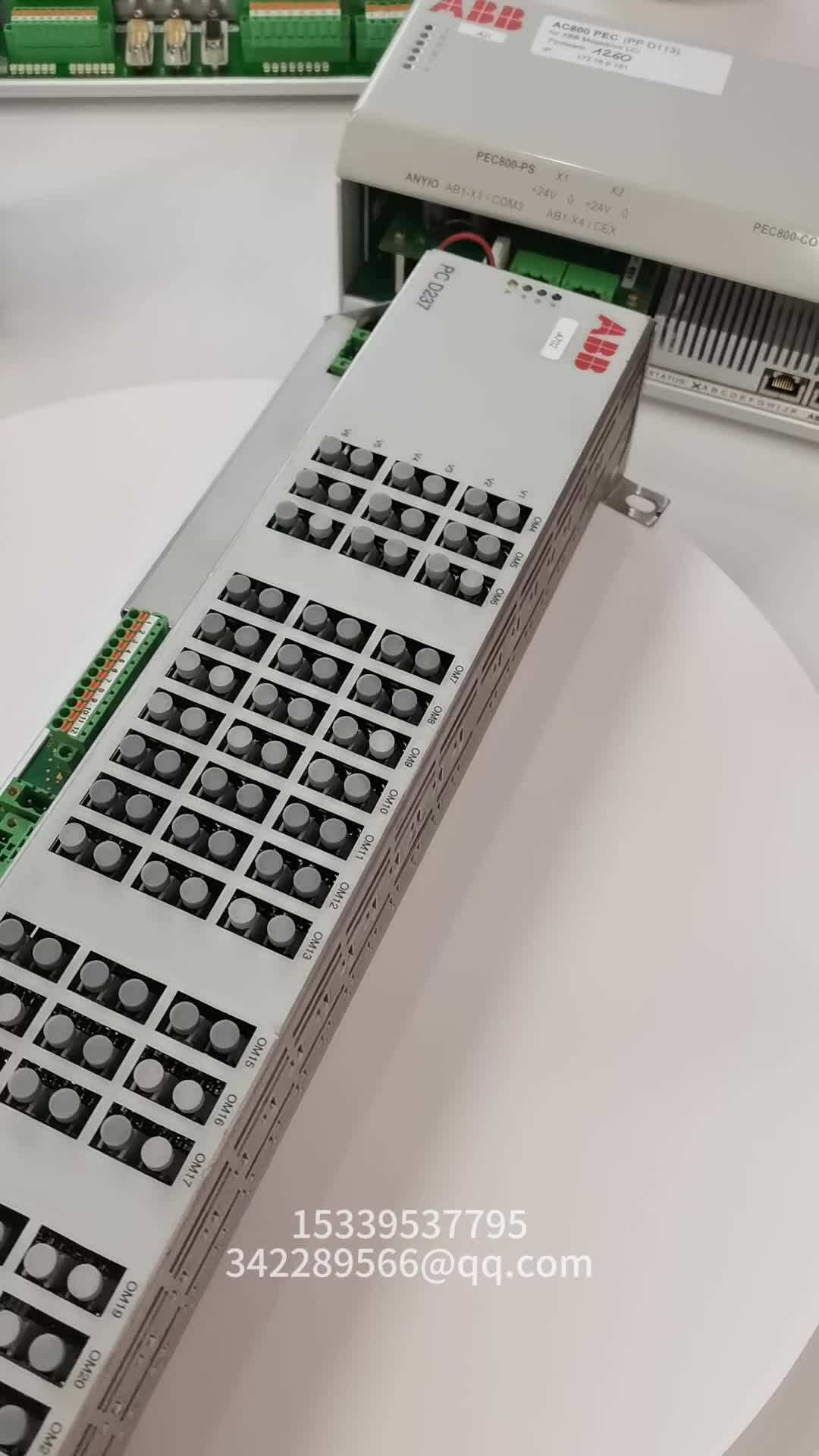
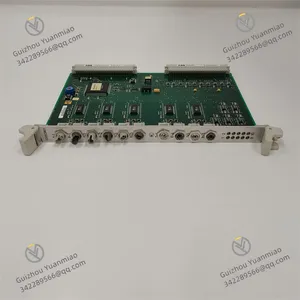
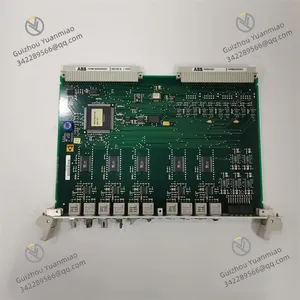
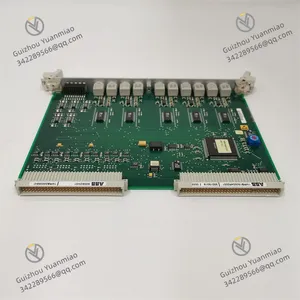
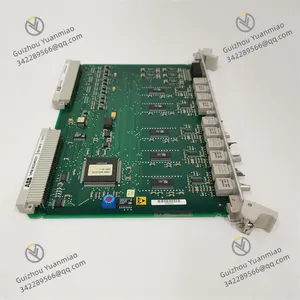
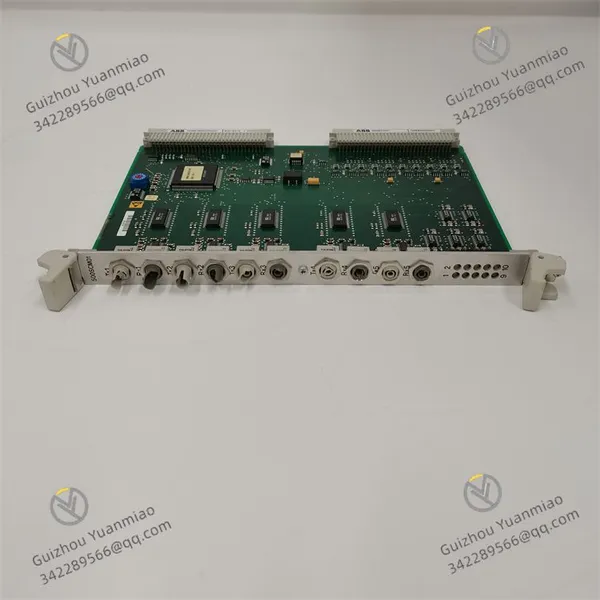
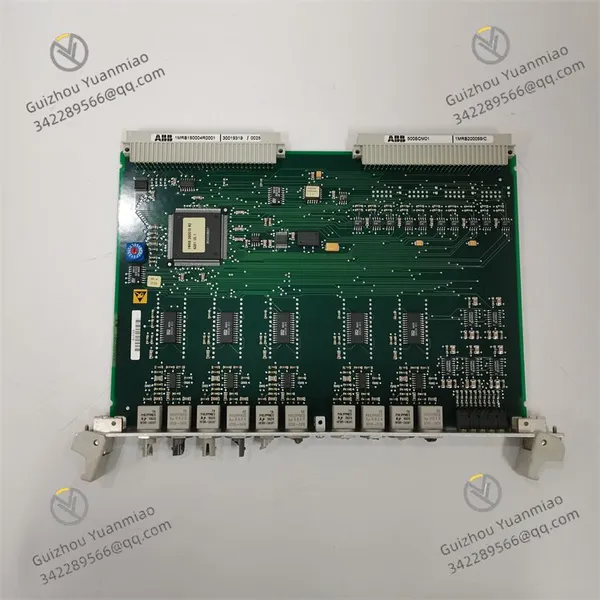
The ABB 500SCM01 1MRB150004R0001 is a high-performance system communication module belonging to the ABB AC 500 series PLC product family. Its core positioning is to address the key requirements of industrial systems, including "cross-protocol interconnection of multiple devices, distributed data collaboration, long-distance signal transmission, and stable communication in harsh environments". It provides an integrated communication solution of "protocol conversion - data forwarding - remote interaction - fault diagnosis" for automation systems in industries such as power generation, petrochemicals, smart manufacturing, and water treatment (e.g., distributed units in large chemical parks, multi-production line collaboration in smart factories, and urban water supply network monitoring). This module breaks down the "communication barriers" between devices of different brands and types, enabling efficient circulation of on-site industrial data and collaborative control, thus ensuring the stable operation of distributed systems.

In 10 sets of distributed PVC production units in a large chemical park, this communication module enables cross-protocol communication between the PLCs (ABB AC 500) of each unit and the DCS (ABB 800xA) of the central monitoring center. It supports Profinet and EtherNet/IP protocol conversion with a data transmission delay of ≤10ms, ensuring the central center can real-time acquire key parameters such as reactor temperature and pressure from each unit to achieve global process optimization. In 3 stamping production lines of an intelligent automotive parts factory, it can connect the on-site PLCs (ABB AC 500) of the production lines to the workshop MES system (Siemens Opcenter). Through the Modbus TCP protocol, it real-time uploads data such as production cycles and qualification rates at a frequency of 1 time per second. The MES system can dynamically adjust production plans, increasing capacity utilization by 12%. In 20 remote booster pump stations of an urban water supply network, the module interacts with the SCADA system of the central control room via 4G/5G wireless communication (supported by expansion modules), enabling remote monitoring of pump speed and pipeline pressure. The communication interruption rate is ≤0.1%, avoiding the risk of pipeline bursts caused by unattended on-site operations.
The 500SCM01 1MRB150004R0001 adopts an industrial-grade compact module structure with dimensions of 120mm×80mm×30mm. It is compatible with standard racks (4-slot/8-slot/12-slot) of the ABB AC 500 series and supports parallel expansion of multiple modules (up to 8 modules), meeting the communication needs of large-scale distributed systems. The core of the module uses a 32-bit ARM Cortex-M4 processor (with a main frequency of 168MHz) paired with a dedicated protocol processing chip (supporting parallel parsing of multiple protocols), achieving a protocol processing capability of 1000 frames per second (for Profinet/EtherNet/IP protocols). The housing is made of UL94 V-0 grade flame-retardant ABS material with an IP20 protection rating, and has a built-in dust filter and electromagnetic shielding layer to enhance dust protection and anti-interference capabilities. It has an operating temperature range of -40℃~70℃ and a relative humidity of 5%~95% (non-condensing), making it compatible with low-temperature outdoor pump station control cabinets and high-temperature workshop equipment cabinets. Internally, it adopts an independent three-module design of "protocol processing - data caching - interface isolation". Both analog and digital signal interfaces use photoelectric isolation (isolation voltage ≥2kVrms), effectively resisting electromagnetic interference in industrial sites (such as high-frequency noise from frequency converters and startup shocks of high-power motors). The Mean Time Between Failures (MTBF) is ≥180,000 hours (per Telcordia standard at 25℃). It is compatible with ABB Control Builder M programming software and third-party configuration software (e.g., WinCC, Intouch), and supports mainstream industrial protocols such as Profinet, EtherNet/IP, and Modbus TCP/RTU, reducing the difficulty of system integration.

II. Technical Parameters
1. Communication Performance Parameters
2. Protocol Conversion and Data Processing Parameters

3. Electrical and Isolation Parameters
4. Environmental and Reliability Parameters

III. Functional Characteristics
1. Multi-Protocol Compatibility and Cross-Device Interconnection
With "breaking communication barriers" as its core, the 500SCM01 1MRB150004R0001 achieves seamless interconnection of devices of different brands and types through parallel parsing and flexible conversion of multiple protocols:
Parallel Support for Multiple Protocols: It standardly supports Profinet IRT, EtherNet/IP, and Modbus TCP/RTU protocols, enabling connection to devices of brands such as Siemens (Profinet), Rockwell (EtherNet/IP), and Schneider (Modbus) without additional hardware. In smart factories, the module can simultaneously connect to Siemens S7-1200 PLCs (Profinet), Rockwell PowerFlex frequency converters (EtherNet/IP), and Schneider human-machine interfaces (Modbus TCP), realizing real-time data interaction among the three and avoiding "information silos" caused by protocol incompatibility.
Low-Latency Protocol Conversion: The protocol conversion delay between Profinet and EtherNet/IP is ≤10ms, much lower than that of traditional gateways (≥50ms), ensuring fast transmission of real-time control signals. In distributed units of chemical parks, the central DCS (EtherNet/IP) sends "reactor temperature adjustment" commands to on-site PLCs (Profinet) via the module, completing protocol conversion and command transmission within 10ms, which increases the temperature control response speed by 80%.
Flexible Expansion for Wireless Communication: It supports external 4G/5G and LoRa expansion modules, meeting the communication needs of remote distributed devices (e.g., outdoor pump stations, remote wind farms). In urban water supply network monitoring, the module communicates with the SCADA system of the central control room 20 kilometers away via a 4G module, achieving a data transmission rate of 1Mbps and a monthly communication interruption time of ≤1 minute, ensuring real-time controllability of the status of remote devices.
2. Stable Data Transmission and Fault Tolerance
In response to the communication requirements of "strong interference, long distance, and high reliability" in industrial sites, the module ensures stable data transmission through hardware protection and software fault tolerance design:
Multi-Layer Electromagnetic Interference Resistance: Both Ethernet and RS485 interfaces adopt ESD protection and surge protection, complying with the EN 55024 immunity standard. In workshop environments with dense frequency converters (e.g., automotive welding workshops), the data transmission bit error rate is ≤10⁻⁹ under RF radiation of 10V/m, much lower than that of traditional modules (≥10⁻⁶).
Optimization for Long-Distance Transmission: The RS485 interface supports differential transmission and bus topology, with a maximum transmission distance of 1200 meters (shielded twisted pair) without additional repeaters. The Ethernet interface supports fiber optic expansion (requiring external fiber optic transceivers) with a transmission distance of up to 2km, meeting the cross-workshop communication needs of large factories (e.g., 1.5km between units in a chemical park).
Data Fault Tolerance and Retransmission: It supports the retransmission mechanism of the TCP protocol and CRC check of Modbus RTU. When packet loss or errors occur during data transmission, retransmission is automatically triggered with a retransmission success rate of ≥99.99%. In the aeration tank control of a sewage treatment plant, if the first transmission of the "speed adjustment" command sent by the module to the frequency converter fails, retransmission is automatically performed within 10ms, ensuring 100% delivery of the command and avoiding water quality exceeding standards due to insufficient aeration.

3. Convenient Configuration and Operation & Maintenance
Through standardized software tools and user-friendly design, it reduces the configuration difficulty and operation & maintenance costs of the communication system:
Visual Protocol Configuration: Compatible with ABB Control Builder M software, it supports graphical configuration of communication parameters (e.g., protocol type, IP address, number of slaves) without manual protocol code writing. During the commissioning of smart production lines, engineers can complete the configuration of Profinet slaves within 30 minutes through the software interface, which is 3 times more efficient than traditional command-line configuration.
Real-Time Status Monitoring: The module has built-in LED indicators (power, Ethernet communication, RS485 communication, fault) for intuitive judgment of the operating status. It supports viewing of communication traffic, data frame statistics, and the number of error frames through software, allowing operation & maintenance personnel to remotely monitor the module's operating status without on-site visits. In the central control room of a chemical park, the communication status of 10 modules can be monitored in real-time. When a module experiences Ethernet communication interruption, an alarm is triggered immediately, reducing the troubleshooting time from 2 hours to 10 minutes.
Fault Self-Diagnosis and Alarm: It supports self-diagnosis of interface faults (e.g., Ethernet disconnection, RS485 short circuit) and protocol faults (e.g., slave offline, data check error) with a diagnostic coverage rate of ≥95%. Fault information is uploaded to the AC 500 PLC CPU via the backplane bus, which can trigger HMI pop-up alarms or SMS notifications to operation & maintenance personnel. In remote pump stations, if the RS485 interface of the module is short-circuited, it immediately reports "RS485 fault" and triggers local sound and light alarms at the pump station, avoiding pump station out of control due to communication faults.
4. Wide Environmental Adaptability and High Reliability
In response to the operating conditions of "extreme temperature, high humidity, and strong vibration" in industrial sites, the module ensures long-term stable operation through hardware reinforcement design:
Wide-Temperature Operation (-40℃~70℃): It uses industrial-grade wide-temperature components (e.g., capacitors with an operating temperature of -55℃~125℃, chips with an operating temperature of -40℃~85℃). In outdoor pump stations in northern winters (-35℃) or workshops in southern summers (65℃), the communication performance of the module does not degrade, enabling 1 year of trouble-free continuous operation.
Vibration and Shock Resistance: It has a vibration resistance rating of 2g (10-500Hz) and a shock resistance rating of 15g (11ms). In mining equipment with severe vibration (e.g., crusher control cabinets), the module has no solder joint detachment or interface loosening, complying with the ISO 16750-3 mechanical load standard.
Long Service Life and Low Maintenance: It uses gold-plated RJ45 interfaces (with a plug-in service life of ≥1000 times) and flame-retardant housings (aging-resistant). The MTBF is ≥180,000 hours, and the maintenance cycle is extended to 24 months. In unattended remote wind farms, it can significantly reduce the frequency of on-site maintenance and lower maintenance costs.