Material
Other, Global universal model
Condition
Other, Global universal model
Task
Other, Global universal model
Mathematical Model
Other, Global universal model
Signal
Other, Global universal model
Customized
Non-Customized
Structure
Other, Global universal model
Power Supply
24VDC
Operating temperature
- 40°C to + 85°C
I. Overview
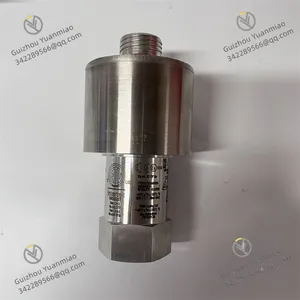
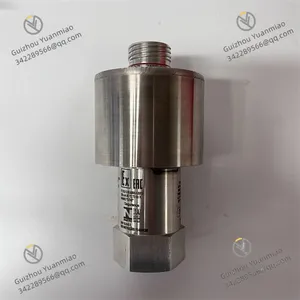
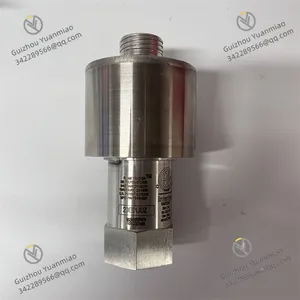
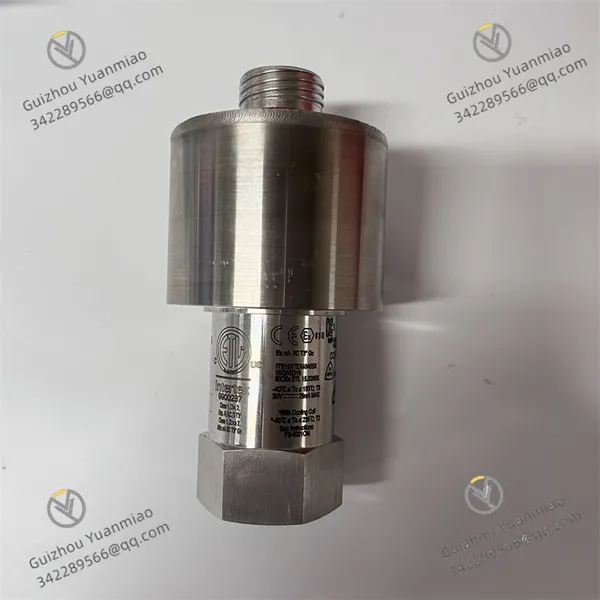
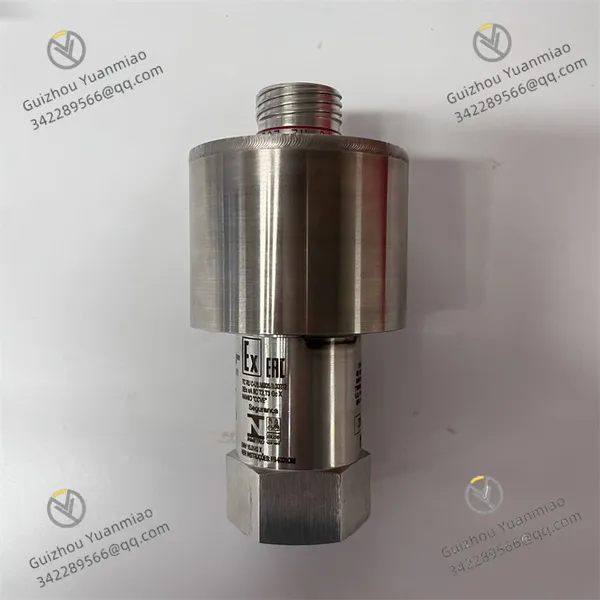
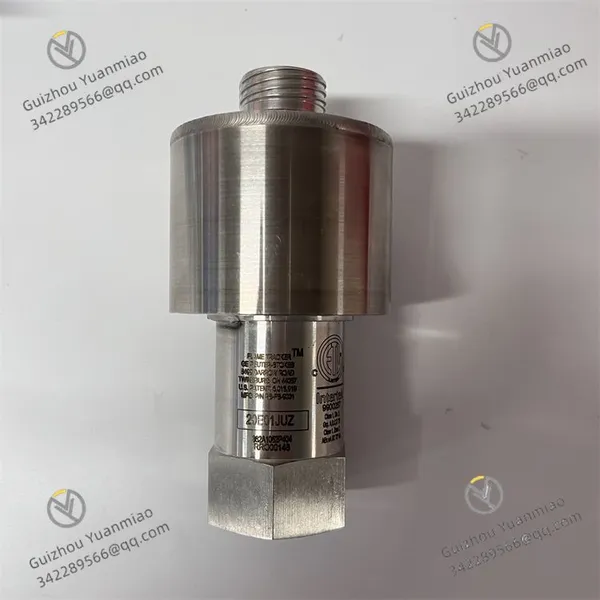
GE RS - FS - 9001 362A1052P404 is a flame sensor with excellent performance, specially designed for flame detection tasks in harsh industrial environments. In industrial production, the accurate monitoring of flame status plays a key role in ensuring the safe and stable operation of equipment. With its own advantages, this sensor has become a reliable choice for flame detection in many industries. It can quickly and accurately sense the presence or absence of flames, providing key data support for the safety control of industrial systems.

II. Core Features
Highly accurate flame detection: It adopts advanced sensing technology and has extremely high detection accuracy. It can accurately identify weak flame signals and effectively avoid false alarms and missed alarms. Whether in an environment with complex light or under working conditions where the flame intensity is unstable, it can reliably detect the flame status, providing a solid guarantee for the safe operation of equipment. For example, in industrial furnace scenarios where the combustion process is prone to fluctuations, it can feedback the flame situation in real - time and accurately, ensuring the stability and efficiency of the combustion process.
Stable and reliable operation: The GE brand has always been known for the high stability and reliability of its products, and RS - FS - 9001 362A1052P404 is no exception. In terms of hardware design, it uses high - quality and wear - resistant materials, and has undergone strict quality control and testing processes, so it can operate stably for a long time in harsh industrial environments. In complex environments such as high temperature, high humidity, and dusty conditions, like the production workshops of steel smelters and cement plants, the sensor can still maintain a good working state, continuously and accurately detect flames, reduce the downtime of equipment caused by sensor failures, and improve the continuity and stability of industrial production.
Good compatibility: This flame sensor has fully considered the need for collaborative work with various industrial automation equipment in its design and has excellent compatibility. It can be easily and seamlessly connected with GE's own Distributed Control System (DCS) to realize the rapid transmission of data and the collaborative control of the system. At the same time, it can also be smoothly integrated with industrial automation equipment of other brands as long as they follow the general communication protocol standards, which is convenient for enterprises to choose flexibly according to the existing system architecture, reduces the difficulty and cost of system upgrading and transformation, and helps enterprises build an efficient and unified industrial automation monitoring system.

III. Technical Parameters
Detection principle: It uses [specific advanced detection principles, such as ultraviolet detection, infrared detection, etc.] technology to capture and analyze the specific spectral signals emitted by flames, so as to accurately judge the existence and state of flames. This advanced detection principle enables it to quickly respond to flame changes, with an extremely short detection response time, which can generally complete the detection and output signals within [X] milliseconds, meeting the industrial application scenarios with high requirements for the timeliness of flame detection.
Working voltage: It supports a working voltage input of [specific voltage range, such as 24V DC], which can flexibly adapt to the power output specifications of different industrial equipment. Whether it is powered by a small power module or connected to a large - scale industrial power system, the sensor can work stably without the need for additional complex power conversion equipment, reducing the wiring complexity and cost of the system, and enhancing the flexibility and stability of the power supply.
Working temperature range: It can operate stably in a wide temperature range from - [minimum temperature value, such as 40]°C to + [maximum temperature value, such as 85]°C. This enables it to adapt to various extreme temperature environments, from cold outdoor industrial facilities to high - temperature furnaces and boilers, and can reliably perform flame detection tasks in industrial scenarios in different regions and under different working conditions, greatly expanding its application range and improving the environmental adaptability and reliability of industrial systems.
Protection level: It meets the [specific protection level, such as IP65] protection standard and has good ability to prevent dust, water, and other pollutants from entering. In dusty industrial scenarios such as mining and grain processing with flying dust, as well as in environments that may be exposed to water splashes such as chemical production and shipbuilding, the internal precision circuits of the sensor can be effectively protected, ensuring its stable operation, extending the service life of the equipment, and reducing the probability of failures caused by environmental factors.

IV. Application Scenarios
Power industry: In thermal power plants, this flame sensor is used to monitor the flame status in the boiler combustion chamber. It detects the stability of the flame and whether it is extinguished in real - time. Once an abnormality is found, it immediately sends a signal to the control system to trigger corresponding protection mechanisms, such as cutting off the fuel supply and starting the backup burner, to prevent serious safety accidents such as explosions caused by flame extinction, ensure the safe and stable operation of the power plant, and guarantee the continuous and reliable supply of electricity.
Petrochemical industry: In various heating furnaces, cracking furnaces and other equipment in refineries and chemical plants, flame sensors play a key role. Accurately monitoring the flame status helps to optimize the combustion process, improve fuel utilization, and reduce energy consumption and exhaust emissions. At the same time, in case of accidental flameout or abnormal flame, timely measures are taken to avoid the accumulation of unburned fuel causing safety risks, ensuring the safety and efficiency of the chemical production process.
Industrial kilns: In the application of industrial kilns such as ceramic firing, glass melting, and steel forging, accurate flame detection is crucial for ensuring product quality and improving production efficiency. By mastering the flame situation in real - time, operators can adjust the combustion parameters in a timely manner to ensure that the temperature in the kiln is uniform and stable, so that products can be fired or melted under the best process conditions, improving the product yield and quality stability, and reducing production costs.