








 Contact Platform Support
 Help Center
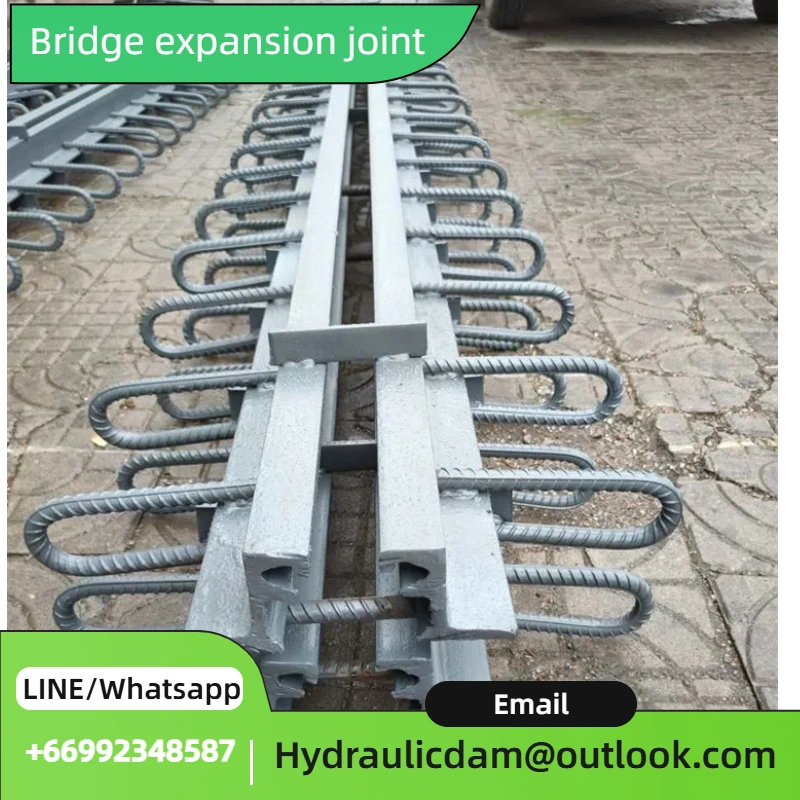
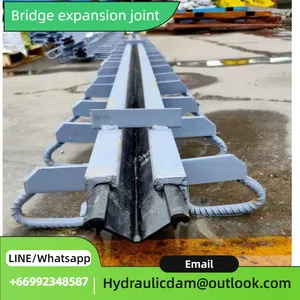
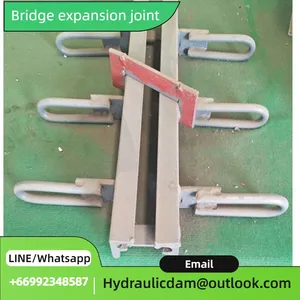
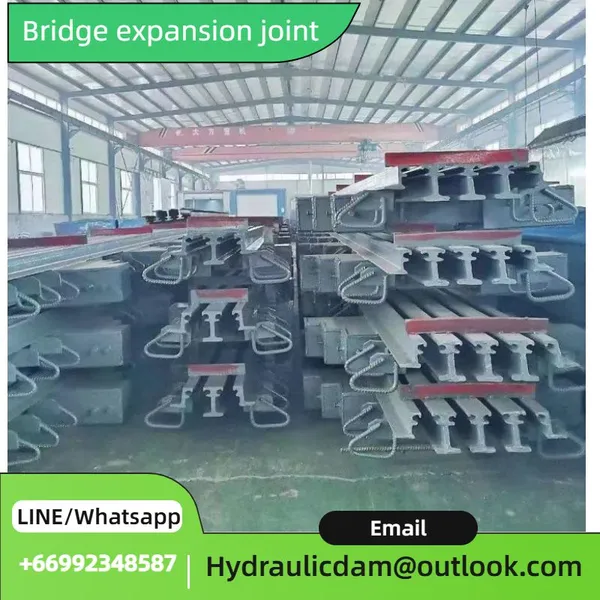
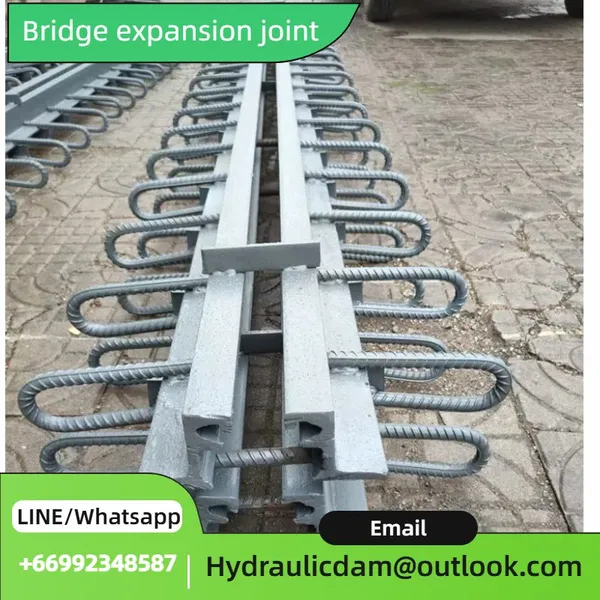
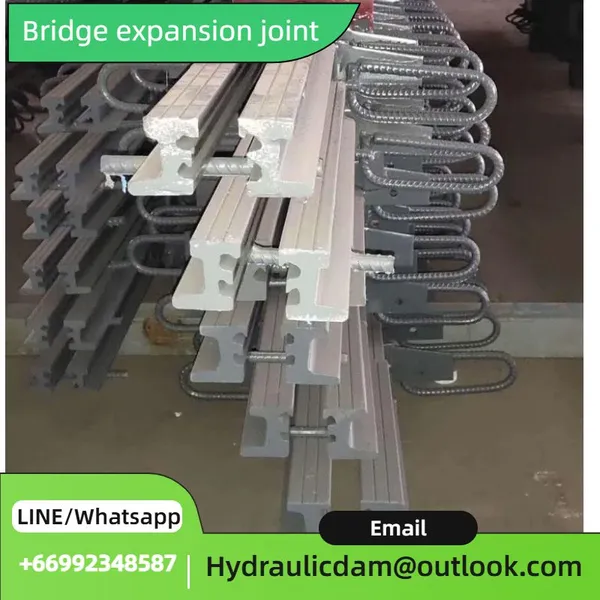
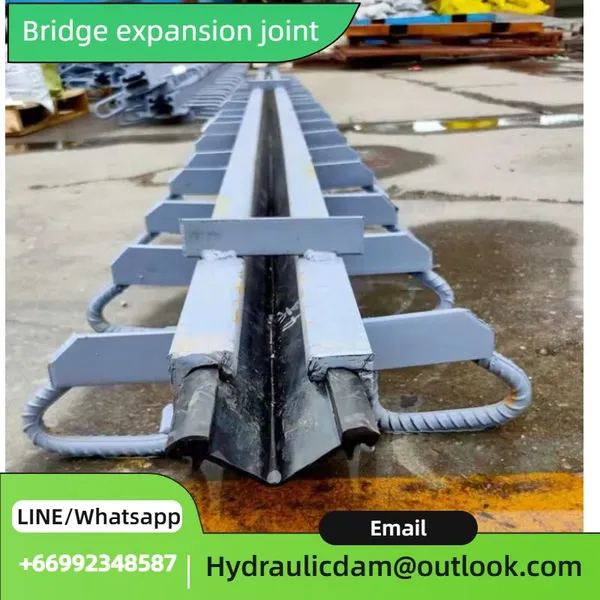
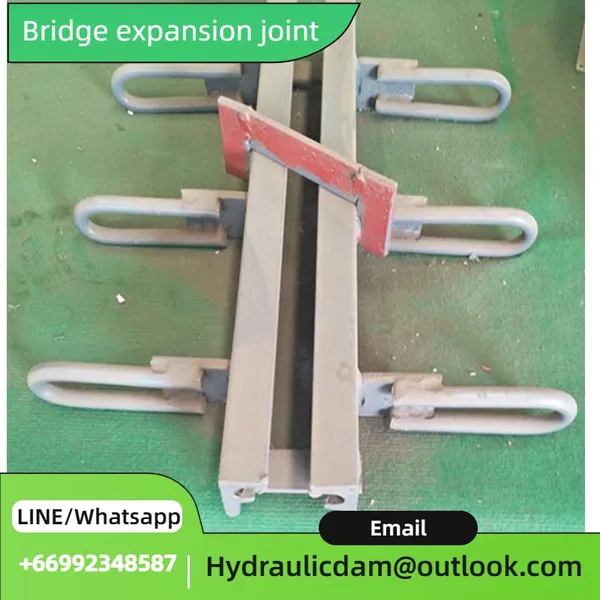
High-Performance Bridge Expansion Joint - Smooth & Reliable Operation



Related Products
-
 Industrial Bridge Expansion Joint - Professional Grade for ConstructionUS$ 699 - 799MOQ: 5 Combos
 -
All-Purpose Polyurethane Sealant - Perfect for Gaps, Joints & Sealing in Bathroom, Kitchen & ExteriorsUS$ 90 - 100MOQ: 5 Barrels
-
High-Strength Geotextile - Durable, Permeable for Road Construction & Drainage ProjectsUS$ 2 - 3MOQ: 100 Cubic Meters
-
High-Density Polyethylene Foam Board - Lightweight, Shock-Absorbing for Packaging & InsulationUS$ 90 - 100MOQ: 100 Cubic Meters
-
High-Gain Tower Antenna - Improve Signal Strength for Telecom Towers & Outdoor UseUS$ 489 - 500MOQ: 5 Combos
Sliding Plate Joints: These joints are often constructed in a sandwich - like structure with an upper and a lower slide plate. They are simple in design and cost - effective, making them suitable for short and medium - span bridges. The sliding action between the plates allows for small - scale movement.
Compression Seal Joints: These seals are adaptable, relatively inexpensive, and easy to replace. They work by compressing or expanding in response to the bridge's movement, maintaining a seal to prevent water and debris ingress.
Asphaltic Plug Joints: Filled with asphalt material, these joints provide a smooth roadway surface for traffic. They offer good resistance against water and snow and prevent debris from accumulating at the joint surface.
Poured Sealant Joints: These joints are easy to install and self - leveling. They can be set up quickly, making them ideal for rehabilitation or repair projects. They also exhibit good elastic properties over a wide temperature range.
Strip Seal Joints: Composed of elastomeric glands mechanically trapped between two steel edge members, strip seal joints form an excellent watertight sealing system. They are designed to handle high - volume vehicular traffic and can accommodate movements within the 45 - 130 mm range.
Finger Plate Joints: These joints can accommodate both horizontal and vertical movements of the bridge structure. They are suitable for medium - to - long - span bridges, operate silently, and are free from skidding and vibration issues. They also allow for easy inspection, maintenance, repair, or replacement.
Bolt - down Panel Joints: These joints are fabricated in different widths according to the overall allowable movement range. They provide a secure connection and can withstand large - scale displacements.
Modular Elastomeric Seal Joints: These joints offer water - resistance and can transfer vehicular loads across extensive expansion joint openings. They are highly effective in handling large - displacement requirements in bridges.

Send Inquiry to This Supplier


You May Also Like
-
Bridge Rubber Bearing | Laminated Elastomeric Support for Bridge Construction | Anti-Seismic Shock AbsorptionUS$ 28 - 30MOQ: 10 Combos
-
Lead Core Bridge Rubber Bearing | Seismic Isolation Elastomeric Pad | Natural Rubber Material for Bridge EngineeringUS$ 28 - 31MOQ: 10 Combos
-
[Size Options] Bridge Laminated Rubber Bearing | Customizable Elastomeric Bearing for Highway/Railway BridgesUS$ 28.5 - 30MOQ: 10 Combos
-
Professional Waterproof Steel Plate Supplier - High-Quality Waterstop Steel for Construction ProjectsUS$ 8 - 10MOQ: 10 Meters
-
Leading Manufacturer & Exporter of Waterstop Steel Sheets - Customized Waterproof Solutions for Concrete StructuresUS$ 8 - 10MOQ: 10 Meters
-
Premium Waterstop Steel Plate Supplier - ISO Certified Waterproofing Materials for Dam, Tunnel & Building ProjectsUS$ 8 - 10MOQ: 10 Meters
-
Professional Gabion Net Supplier | High-Quality Galvanized & PVC-Coated SolutionsUS$ 2.8 - 3MOQ: 40 Square Meters
-
Reliable Gabion Mesh Manufacturer & Exporter | Customized Sizes for Erosion ControlUS$ 2.79 - 3MOQ: 40 Square Meters
-
Premium Gabion Cage Suppliers | ISO-Certified Materials for Hydraulic Engineering ProjectsUS$ 2.79 - 3MOQ: 40 Square Meters
-
Premium Rubber Waterstop Supplier - Your Trusted Source for Quality Sealing SolutionsUS$ 26 - 28MOQ: 100 Meters