Home > Electrical & Electronics > Electrical Control System > ALSTOM MCGG52H1CB0753C High-Performance Control Module

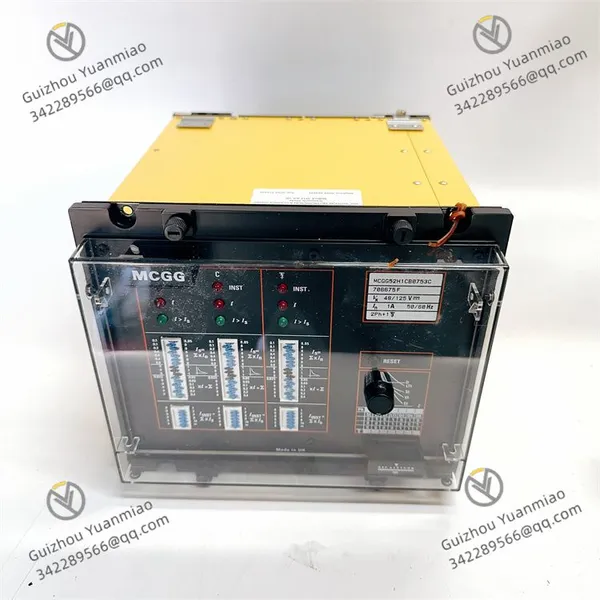
ALSTOM MCGG52H1CB0753C High-Performance Control Module
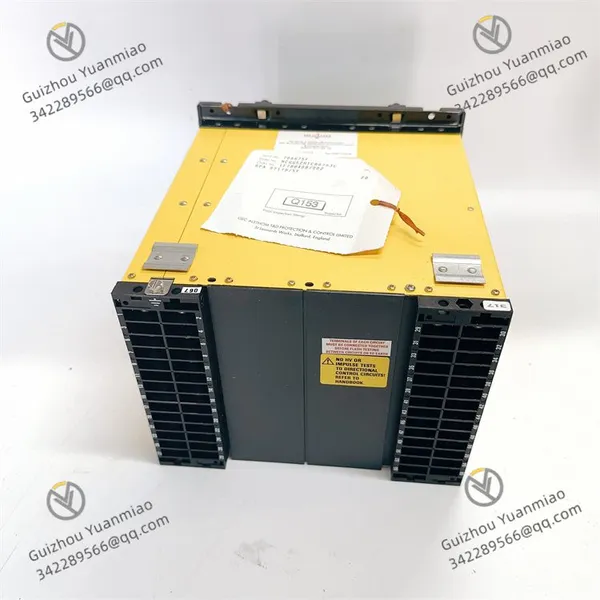
ALSTOM MCGG52H1CB0753C High-Performance Control Module photo-1
ALSTOM MCGG52H1CB0753C High-Performance Control Module photo-2

ALSTOM MCGG52H1CB0753C High-Performance Control Module photo-3
Negotiable MOQ: 1 Piece (Price negotiable depending on order volume and customization)
Key Specifications
Get Latest Price
Material:
Other, Global universal model
Condition:
Other, Global universal model
Task:
Other, Global universal model

Payment & Shipping
Payment Methods:
Port of Shipment:
China
Delivery Detail:
Delivery time depends on order quantity.
Material Other, Global universal model
Condition Other, Global universal model
Task Other, Global universal model
Mathematical Model Other, Global universal model
Signal Other, Global universal model
Customized Non-Customized
Structure Other, Global universal model
Working voltage 220V, 60Hz
Weight 20.72 pounds
Origin United States
ALSTOM MCGG52H1CB0753C
Features
  • Overcurrent Protection Function
    As an overcurrent relay, it acts when the current exceeds the set value, effectively protecting circuits and equipment from damage caused by overload currents.

  • Rugged and Durable
    With a weight of 20.72 pounds, it can be inferred that the device adopts a relatively robust housing and internal structure design to adapt to industrial environments.

Working Principle
MCGG52H1CB0753C operates based on the principle of electromagnetic induction. When current passes through the coil, a magnetic field is generated, acting on the movable parts of the relay (such as the armature). Under normal operating current, the magnetic force is insufficient to make the movable parts act; when the current exceeds the set value, the generated magnetic force increases, causing the armature to act, thereby driving the relevant contacts to switch, sending an alarm signal or cutting off the circuit to achieve overcurrent protection.
Installation Steps
  • Selection of Installation Location
    Choose a well-ventilated location free from strong electromagnetic interference, vibration, and convenient for operation and maintenance.

  • Fixed Installation
    According to the equipment's mounting holes, use appropriate screws or clamps to firmly fix the relay on the mounting plate or control cabinet.

  • Electrical Connection

    • Connect the power supply circuit to the corresponding terminals according to the relay's wiring diagram, ensuring the power voltage matches the relay's rated operating voltage.

    • Pass the circuit wires requiring current monitoring through the relay's current transformer or connect them to the corresponding current input terminals.

    • Connect alarm output or control output lines to external devices such as alarms and circuit breakers.

  • Grounding Treatment
    Reliably ground the relay's grounding terminal to ensure safety and reduce electromagnetic interference.

MCGG52H1CB0753C (3)

MCGG52H1CB0753C (2)

MCGG52H1CB0753C (1)

Debugging Steps
  • Pre-power-on Inspection
    Use a multimeter to check the resistance between power input terminals to ensure no short circuit. Verify that all wiring is secure, terminal screws are tightened, and cables are free from damage or poor contact. Confirm the correct installation and connection of the current transformer.

  • Power-on Test
    Switch on the power and observe whether the relay's power indicator light is normally on. Check if the relay can correctly identify the power status through the upper-level software or the relay's own display function.

  • Input Signal Test
    Simulate different current signals input to the relay to check if it can correctly detect current changes and issue corresponding alarm or action signals when the current exceeds the set value. For example, use an adjustable current source to input currents of different magnitudes and observe the relay's action.

  • Function Test
    Test the relay's overcurrent protection function by simulating overcurrent faults to check if the relay can act within the set time to cut off the circuit or send an alarm signal. Meanwhile, check whether its reset function is normal, i.e., whether the relay can return to the normal working state after the fault is eliminated.

  • Parameter Setting and Optimization
    Set parameters such as overcurrent protection thresholds and action times through the relay's local setting interface or upper-level software according to actual application needs. After setting, conduct actual operation tests, observe the relay's performance under real working conditions, and further optimize parameters as needed to achieve the best protection effect.

Product Tags: MCGG52H1CB0753C

Send Inquiry to This Supplier

* Message
0/5000

Want the best price? Post an RFQ now!
Verified Business License
Business Type
Trading Company
Year Established
2014
Factory Size
1,000-3,000 square meters
Product Certifications
SA8000