








 Contact Platform Support
 Help Center
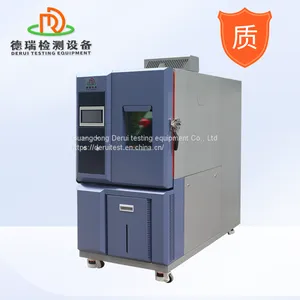
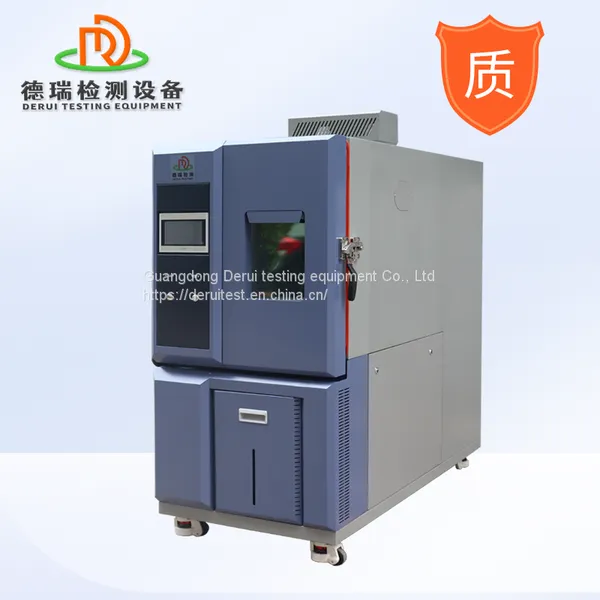
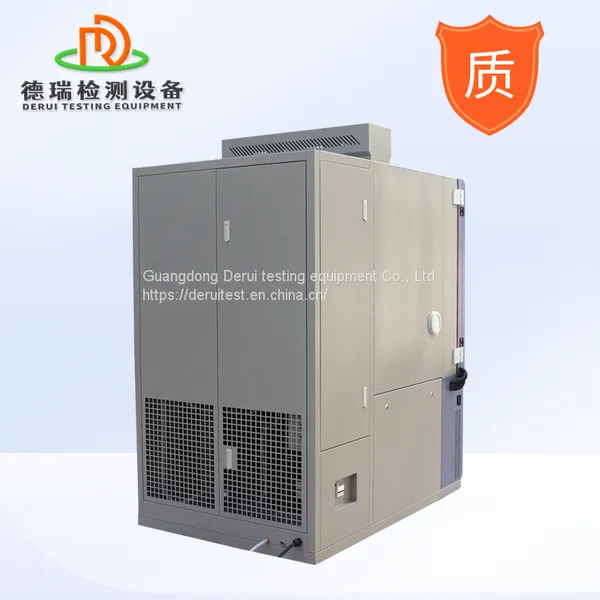
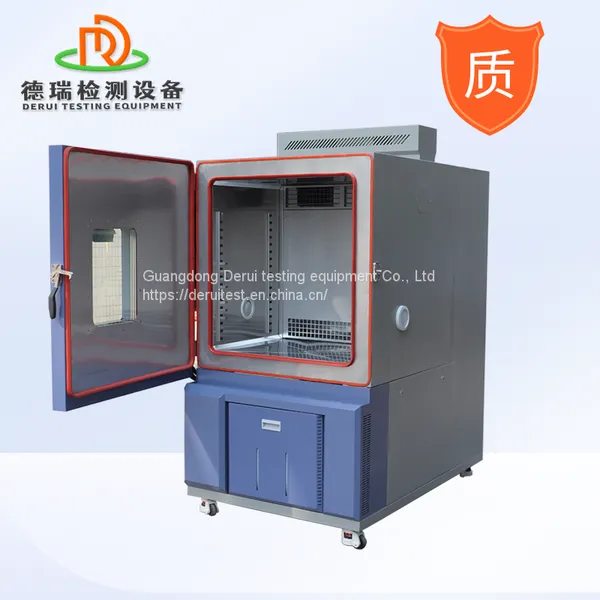
LED Display Constant Temperature and Humidity Test Chamber


Related Products
-
 Backlight Module Reliability Constant Temperature and Humidity Test ChamberUS$ 3999 - 9999MOQ: 1 Set
 -
Low Temperature and Low Humidity Complex Alternating Constant Temperature and Humidity Test ChamberUS$ 3999 - 9999MOQ: 1 Set
-
Energy Saving Constant Temperature and Humidity Test ChamberUS$ 3999 - 9999MOQ: 1 Set
-
Carton Moisture Permeability Constant Temperature and Humidity Test BoxUS$ 3999 - 9999MOQ: 1 Set
-
LED UV Accelerated Weathering Test Machine for PlasticsUS$ 3500 - 6000MOQ: 1 Set
Temperature and Humidity Test Chamber is used to test the performance of materials in various environments and test the heat resistance, cold resistance, dry resistance and humidity resistance of various materials. Suitable for testing the quality of products such as electronics, electrical appliances, mobile phones, communications, meters, vehicles, plastic products, metals,food, chemicals, building materials, medical care, aerospace, etc.
TEST CHAMBER APPLICATIONS
1. To simulate test environment with different temperature and humidity
2. Cyclic test includes climatic conditions: holding test, cooling-off test, heating-up test, moistening test and drying test…
3. Cable port with flexible silicone plug for cable routing to provide the condition of test unit under operation
4. Uncover test unit weakness in a short-term test with accelerated time effect
1. High performance and quiet operation (68 dBA)
2. Space-saving designed for flush installation to wall
3. Full thermal break around doorframe
4. One 50mm diameter cable port o left, with flexible silicone plug
5. Accurate wet/dry-bulb humidity measurement system for easy maintain
1. PLC controller for test chamber
2. Step types include: ramp, soak, jump, auto-start, and end
3. RS-232 interface to connect computer for output
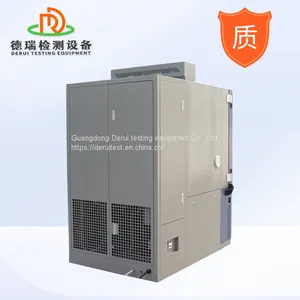
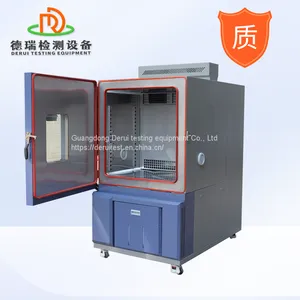
LED display screen constant temperature and humidity test chamber is a special equipment used to test the performance and reliability of LED display screens under different temperature and humidity conditions. Here is a detailed introduction to this test chamber:
Test Items- High Temperature and High Humidity Test: Place the LED display screens in a high temperature and high humidity environment, such as at 40℃ and 90%RH, for a certain period of time, to detect their electrical performance, optical performance, and mechanical performance in a humid environment. For example, check whether the LED display screens will have problems such as leakage, short circuit, brightness reduction, color distortion, screen fogging, and shell deformation, and assess their moisture-proof, waterproof, and corrosion resistance capabilities.
- Low Temperature and Low Humidity Test: In a low temperature and low humidity environment, such as at -20℃ and 10%RH, test the LED display screens to examine their start-up performance, display effect, and stability in a dry and cold environment. For example, observe whether the LED display screens can start up normally in low temperature, whether the displayed images are clear, whether the colors are accurate, whether there are flickering or dead pixel phenomena, and whether the shell material will become brittle, etc., to assess their cold resistance and anti-static capabilities.
- Temperature Cycling Test: Simulate the temperature changes that LED display screens may encounter in actual use, such as performing multiple cycles in a temperature range from -40℃ to +85℃. Through this temperature cycling test, the performance changes of LED display screens under sudden temperature changes can be detected, such as whether the electrical connections are reliable, whether the internal components will be damaged due to thermal expansion and contraction, and whether the display effect will change, etc., to assess their anti-temperature shock capability and long-term stability.
- Humidity Cycling Test: Perform cyclic tests under different humidity conditions, such as in a humidity range from 10%RH to 98%RH for multiple cycles, to simulate the usage conditions of LED display screens in different humidity environments. Through humidity cycling tests, the moisture-proof performance, sealing performance, and long-term reliability of LED display screens can be evaluated. Check whether there will be performance degradation and increased failure rate during the humidity change process.
- Comprehensive Environmental Test: Combine multiple environmental factors such as temperature, humidity, and light to simulate the complex environmental conditions that LED display screens may encounter in actual use. For example, perform tests under high temperature and high humidity conditions while applying light to detect the performance changes of LED display screens under the combined action of light and heat; or perform vibration tests under low temperature and low humidity conditions to examine their vibration resistance and stability under harsh environments. This comprehensive environmental test can more comprehensively evaluate the environmental adaptability and reliability of LED display screens, providing a more accurate basis for product improvement and optimization.
- Quality Inspection and Evaluation: In the production process of LED display screens, strict environmental tests are carried out through the constant temperature and humidity test chamber to timely discover potential problems of the products under different environmental conditions, such as unstable performance, poor reliability, and short lifespan. This allows for accurate quality inspection and evaluation of the products, ensuring that the products leaving the factory meet quality standards and user requirements.
- Product Improvement and Optimization: Based on the test results of the constant temperature and humidity test chamber, R&D personnel can gain a deep understanding of the performance of LED display screens under different environments and their weak links. Targeted improvements and optimizations can be made to the products. For example, improve the packaging process to enhance the moisture-proof performance of the products, optimize the circuit design to enhance the anti-temperature shock capability, and adjust the material formula to improve the corrosion resistance, etc. This continuously improves the quality and performance of the products and enhances market competitiveness.
- Reliability Prediction and Lifespan Assessment: Through long-term tests and data analysis of LED display screens under different temperature and humidity conditions, reliable models and lifespan prediction models of the products can be established. This accurately predicts the reliability and lifespan of the products under actual usage environments. This has important reference value for formulating product quality assurance strategies, after-sales service policies, and user procurement decisions.
- Standard Compliance Verification: Many countries and industries have formulated relevant standards and specifications, which put forward clear requirements for the environmental adaptability of LED display screens. The constant temperature and humidity test chamber can strictly test and verify the products according to these standards and specifications, ensuring that the products meet the relevant standards and obtain market access qualifications, promoting the international trade and popular application of the products.

Send Inquiry to This Supplier


You May Also Like
-
UVA-340 Lamp UV Accelerated Weathering TesterUS$ 3500 - 6000MOQ: 1 Set
-
UV Accelerated Weathering Test Chamber With Water SprayUS$ 3500 - 6000MOQ: 1 Set
-
UV Accelerated Weathering Test Equipment for CoatingsUS$ 3500 - 6000MOQ: 1 Set
-
Automotive Component UV Accelerated Weathering TesterUS$ 3500 - 6000MOQ: 1 Set
-
Building Material UV Weathering Test MachineUS$ 3500 - 6000MOQ: 1 Set
-
Packaging Material UV Accelerated Aging TesterUS$ 3500 - 6000MOQ: 1 Set
-
Packaging Material UV Accelerated Aging TesterUS$ 3500 - 6000MOQ: 1 Set
-
Rubber UV Weathering Test Equipment for Ozone ResistanceUS$ 3500 - 6000MOQ: 1 Set
-
Paints UV Accelerated Weathering Tester for DurabilityUS$ 3500 - 6000MOQ: 1 Set
-
Electronics UV Weathering Test Chamber for PCB StabilityUS$ 3500 - 6000MOQ: 1 Set


