








 Contact Platform Support
 Help Center
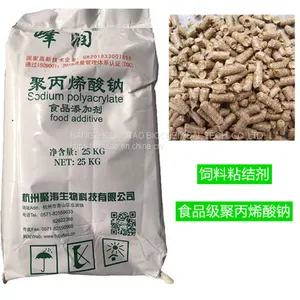
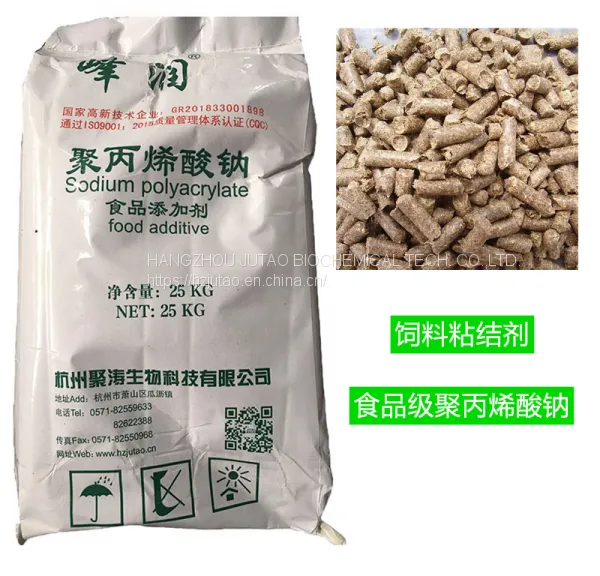
Feed Binder Sodium Polyacrylate

Related Products
-
 Sodium Polyacrylate Food Additive, Thickener, Binder, Emulsion Stabilizer, Hangzhou Jutao ManufacturerNegotiableMOQ: 1 Metric Ton
 -
Feed Additive - Food Grade Sodium Polyacrylate Manufacturer - Adhesive for Aquatic and Poultry FeedNegotiableMOQ: 500 Kilograms
-
Instant Noodles, Noodle Gluten Enhancers, Smooth and Non Stick Soup StripsUS$ 3.1 - 3.7MOQ: 100 Kilograms
-
Sodium Polyacrylate Thickening Agent, Lubricant, Putty Powder Additive, Mortar Thickening Lubricant, Bentonite Thickening AgentNegotiableMOQ: 500 Kilograms
-
Sodium Polyacrylate is Used for Cat Litter, With Strong Moisture Absorption and Adhesive StrengthNegotiableMOQ: 500 Kilograms
Sodium polyacrylate is a polymer compound with hydrophilic groups, white powder, odorless and tasteless. Slowly dissolve in water to form an extremely viscous transparent solution. The viscosity of a 0.5% solution is about 1000 cp, and its viscosity is not like that of CMC and sodium alginate, which absorb water and expand. Instead, the ionic phenomenon of many anionic groups inside the molecule causes the molecular chain to grow, resulting in an increase in apparent viscosity and the formation of a highly viscous solution. The viscosity is about 15-20 times that of carboxymethyl cellulose sodium (CMC) and sodium alginate. It has good alkali resistance, small viscosity changes after long-term storage, and is not easily decomposed.
1、 Product application
Compared with animal feed, aquatic feed has special requirements for processing and granulation. Generally, it is required that fish feed particles have a water resistance of at least 0.5 hours and shrimp feed particles have a water resistance of at least 2 hours in water to reduce loss and improve feed utilization efficiency.
There are generally two methods to solve the water resistance problem of aquatic pellet feed: one is to increase the raw materials with high starch content, such as secondary flour and wheat flour, which will produce a certain bonding force after gelatinization to improve the water resistance of the pellets; The second is to add a special adhesive (or granulation aid) to the feed, which gives the particles a certain degree of water resistance through its unique adhesive force. The first method takes a longer time and causes significant damage to certain thermosensitive substances in feed materials, such as vitamins, enzyme preparations, probiotic preparations, and active factors; The second method has minimal damage to vitamins, enzyme preparations, etc., with low dosage, low cost, and good effect, and has become mainstream and accepted by most aquatic feed manufacturers.
Our aquatic feed additives are particularly suitable for aquatic products such as eels, shrimp, turtles, and fish. They can increase adhesion and do not gelatinize in water, providing incremental and fattening effects on various aquatic products such as fish and shrimp.
The main use of our product for fish feed is bonding. Currently, the bonding agents used include guar gum, CMC, and sodium polyacrylate. In terms of water solubility, PAAS is the best, followed by CMC, and guar gum is prone to clumping. Our product is mainly added to the premix of fish, and the main raw materials for feed are starch and 40-50% fish meal (which is the powder after fish is crushed, but currently fish meal is very expensive). Adding our product can effectively improve the adhesion.
2、 Usage and precautions
Mix sodium polyacrylate into feed at a concentration of 0.1% to 0.2% to alter the physical state of the feed and allow it to stay in the stomach for a normal duration. Firstly, attention should be paid to the management and preparation of feed. Ensure comprehensive and reasonable nutrition, avoid crushing feed too finely or too coarse, and clarify the content of vitamin E and selenium in the feed.

Send Inquiry to This Supplier

You May Also Like
-
Feed Binder Sodium PolyacrylateNegotiableMOQ: 25 Kilograms
-
Sodium Lignosulfonate Dispersant Additives/Coal Binder/Feed BinderUS$ 163 - 346MOQ: 1 Metric Ton
-
Lignin Powder MG Feed Binder AdhesiveUS$ 450 - 600MOQ: 5 Metric Tons
-
Eco-Friendly Feed Binders: Strong Adhesion, Sustainable Formula, Cost-Effective SolutionNegotiableMOQ: 1 Ton
-
Feed Sodium Alginate for Feed Binder, Fish Feed Binder, Animal Feed Binder, Sodium AlginateUS$ 1 - 1.2MOQ: 1 Ton
-
Mycotoxin Binder/feed AntibioticsNegotiableMOQ: 22 Tons
-
Half-feed Self-walking Mini Reaper Binder-mini Rice Combine HarvesterUS$ 5,200 - 10,500MOQ: 1 Set
-
XYDCHEM XYD-MN001 Low Viscosity Sodium Lignosulfonate MN Dispersant For Ceramic Slurry Raw MaterialUS$ 270 - 355MOQ: 2 Metric Tons
-
Pellet of Feed Binder,fish Feed Binder,feed Additive for PoultryUS$ 1 - 2.5MOQ: 1000 Kilograms
-
PNS SNF A Naphthalene Sulphonate Powder Feed Binder PelletUS$ 700 - 900MOQ: 5 Metric Tons