








 Contact Platform Support
 Help Center
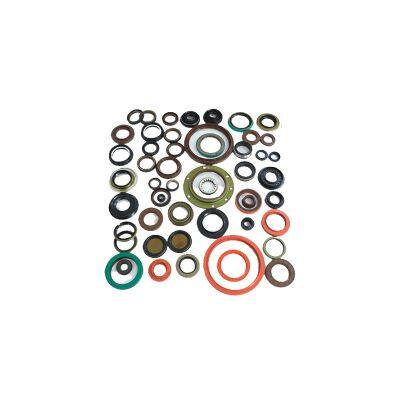
China Oil Seal Factory Wholesale High Wear Resistance Oil Seal



Related Products
-
 Oil Seal Manufacturers NBR HNBR PTFE Wear Resistant TC Oil SealUS$ 0.1 - 0.5MOQ: 500 Pieces
 -
NQK SF High Quality FKM Skeleton Oil Seals Temperature Resistance Oil SealUS$ 0.1 - 0.5MOQ: 500 Pieces
-
High Quality NBR FKM Rubber Oil Seal Wear Resisting Shaft Oil SealsUS$ 0.1 - 0.75MOQ: 500 Pieces
-
High Temperature Resistance Shaft Seal With Customizable Sizes Durable Oil SealUS$ 0.1 - 0.55MOQ: 500 Pieces
-
VA Water Seal V-shaped Rotating Seal Ring Waterproof NBR FKM V-ringsUS$ 0.1 - 0.55MOQ: 500 Pieces
Oil seals are critical components in various mechanical systems. Their primary function is to prevent the leakage of lubricants and the ingress of contaminants, thereby ensuring the efficient and reliable operation of machinery. One of the key performance criteria for oil seals is their wear resistance. The material composition of these seals plays a pivotal role in determining their durability and effectiveness. This article explores the different materials used in the manufacturing of oil seals, focusing on their wear-resistant properties.
Types of Materials Used in Oil Seals
Nitrile Rubber (NBR):
Nitrile rubber, also known as Buna-N, is one of the most commonly used materials for oil seals. Its popularity stems from its excellent resistance to oil, fuel, and other chemicals. Additionally, NBR exhibits good wear resistance, making it suitable for applications involving moderate to high-speed rotations. However, its performance may degrade at higher temperatures or in the presence of certain chemicals.
Fluorocarbon Rubber (FKM):
Fluorocarbon rubber, widely known by the brand name Viton, is renowned for its superior chemical resistance and high-temperature tolerance. FKM seals offer excellent wear resistance, making them ideal for harsh environments where they may be exposed to aggressive chemicals, high pressures, and temperatures up to 200°C. Their durability ensures long service life even under demanding conditions.
Silicone Rubber (VMQ):
Silicone rubber is prized for its flexibility and wide operating temperature range, from -60°C to 200°C. While silicone seals provide good wear resistance, they are generally used in applications where extreme temperatures are a concern, rather than for their abrasion resistance. They are not recommended for use in applications involving petroleum-based fluids due to swelling and degradation issues.
Polytetrafluoroethylene (PTFE):
PTFE, commonly known as Teflon, offers outstanding chemical resistance and the lowest coefficient of friction among all seal materials. Its wear resistance is exceptional, particularly in dry running conditions or where lubrication is minimal. PTFE seals are often used in applications where low friction and high wear resistance are paramount, such as in aerospace and high-precision machinery.
Polyurethane (PU):
Polyurethane seals are known for their exceptional toughness and abrasion resistance. They can withstand high pressures and provide excellent wear resistance, making them suitable for hydraulic and pneumatic applications. However, their performance can be compromised at higher temperatures, limiting their use in extreme conditions.
Factors Influencing Material Choice
The choice of material for oil seals depends on several factors:
Operating Environment: The presence of chemicals, temperature extremes, and the type of lubricant used can significantly influence material selection.
Speed and Pressure: High-speed applications require materials with low friction and good wear resistance to minimize heat generation and wear.
Compatibility: The material must be compatible with the fluids it will contact to avoid swelling, degradation, or loss of sealing properties.
Cost and Availability: While performance is critical, cost and material availability also play important roles in the selection process.
Innovations in Wear-Resistant Materials
Recent advancements in material science have led to the development of composite materials and specialized coatings that enhance the wear resistance of oil seals. For instance, incorporating carbon or glass fibers into rubber compounds can significantly improve their abrasion resistance. Similarly, advanced coatings like Diamond-Like Carbon (DLC) or ceramic coatings can be applied to seal surfaces to reduce wear and extend the service life.
The choice of material for oil seals is a critical factor in determining their wear resistance and overall performance. While traditional materials like NBR, FKM, and silicone rubber offer good wear resistance, innovations in composite materials and advanced coatings promise even better performance in challenging environments. The future of oil seal technology lies in the continuous improvement and optimization of material properties to meet the ever-increasing demands of modern machinery.

Send Inquiry to This Supplier


You May Also Like
-
Factory Prices TC HTC TB TG SC TA Oil Seal NBR FKM ACM High Pressure Oil SealUS$ 0.1 - 0.56MOQ: 500 Pieces
-
Wear Resistance Rotary Shaft Lip Seals High Quality High Pressure Oil SealUS$ 0.1 - 0.51MOQ: 500 Pieces
-
Quickly Find Washing Machine Seals NBR FKM Washing Machine Oil SealUS$ 0.1 - 0.55MOQ: 1000 Pieces
-
Factory Direct Sale Engineering Machinery Oil Seal Durable Machinery Oil SealUS$ 0.1 - 1.1MOQ: 1000 Pieces
-
China Wholesales High Temperature Oil Seal NBR FKM PTFE Material Common Types Oil SealsUS$ 0.1 - 1.11MOQ: 1000 Pieces
-
Wholesale High Quality National Oil Seal NBR FKM ACM Industrial Skeleton Oil SealUS$ 0.1 - 1.01MOQ: 1000 Pieces
-
NQKSF EC End Caps Oil Seals Gearbox Oil Seal NBR FKM PTFE End Caps SealUS$ 0.1 - 1.01MOQ: 1000 Pieces
-
Hot Sale NBR FKM Oil Seal Good Quality Low Price Shaft Oil SealsUS$ 0.1 - 1.21MOQ: 1000 Pieces
-
Factory Wholesales TC TG SC VC TB TA Oilseal NBR FKM PTFE ACM PU Oil SealsUS$ 0.1 - 1.12MOQ: 1000 Pieces
-
Standard Full Size Oil Seals NBR FKM ACM Rubber Oil Seal ManufacturersUS$ 0.1 - 1.22MOQ: 1000 Pieces


