








 Contact Platform Support
 Help Center
Hot Sale NBR FKM Oil Seal Good Quality Low Price Shaft Oil Seals

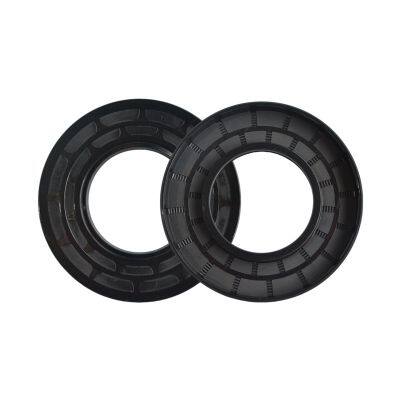
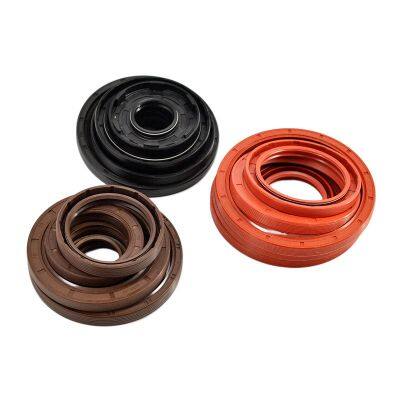


Related Products
-
 Factory Wholesales TC TG SC VC TB TA Oilseal NBR FKM PTFE ACM PU Oil SealsUS$ 0.1 - 1.12MOQ: 1000 Pieces
 -
Standard Full Size Oil Seals NBR FKM ACM Rubber Oil Seal ManufacturersUS$ 0.1 - 1.22MOQ: 1000 Pieces
-
High Quality Oil Seal NBR FKM Various Mechanical Bearings Oil SealUS$ 0.1 - 1.12MOQ: 1000 Pieces
-
China Bonded Seal Manufacturer Industry Universal Bonded Oil SealUS$ 0.1 - 1.1MOQ: 1000 Pieces
-
High Quality Fluororubber Oilseal FKM Skeleton Oil Seal for AutomotiveUS$ 0.1 - 1.15MOQ: 1000 Pieces
Fitting oil seals over shafts is a critical process in ensuring the longevity and efficiency of mechanical systems. Proper installation prevents leaks, reduces wear, and maintains the integrity of the machinery. This article explores the essential steps and considerations when fitting oil seals over shafts from multiple perspectives.
Preparation
1. Inspection: Before installation, inspect the oil seal, shaft, and housing for any signs of damage or contamination. Ensure that all components are clean and free from debris. Any imperfections can compromise the seal’s effectiveness.
2. Measurement: Verify the dimensions of the oil seal and the shaft. The seal should match the shaft’s diameter precisely to ensure a tight fit. Using a caliper can help achieve accurate measurements.
3. Lubrication: Apply a thin layer of compatible lubricant to the sealing lip and the shaft. This reduces friction during installation and helps the seal slide into place smoothly. Avoid over-lubrication as it can cause hydraulic pressure during installation.
Installation Techniques
1. Alignment: Ensure that the oil seal is aligned perpendicularly to the shaft and the housing bore. Misalignment can lead to uneven pressure distribution, causing premature wear and potential leakage.
2. Protective Measures: If the shaft has irregularities such as splines or threads, cover it with oil-soaked paper, tape, or a protective sleeve to prevent damage to the sealing lip during installation.
3. Pressing the Seal: Use an appropriate installation tool to press the oil seal into the housing evenly. The tool should be perpendicular to the shaft to avoid tilting the seal. Applying even pressure ensures that the seal is seated correctly and securely.
Post-Installation Checks
1. Visual Inspection: After installation, visually inspect the oil seal to ensure it is seated properly and there are no visible gaps or misalignments. The sealing lip should be in contact with the shaft uniformly.
2. Functional Testing: Run the machinery at low speed initially to check for any leaks or abnormal noises. This helps identify any issues early before the machinery is put into full operation.
Properly fitting oil seals over shafts is crucial for the optimal performance of mechanical systems. By following the steps of inspection, measurement, lubrication, alignment, and post-installation checks, you can ensure a reliable and long-lasting seal. Remember, attention to detail during installation can prevent costly repairs and downtime, making it a worthwhile investment in the longevity of your equipment.

Send Inquiry to This Supplier


You May Also Like
-
TC TG NBR Rubber Oil Seal High Temperature Oil Seal FKM Fluororubber Skeleton Oil Seal Made in ChinaUS$ 0.1 - 1.11MOQ: 1000 Pieces
-
Buy High-quality Wear-resistant and Oil-resistant Industrial Oil SealsUS$ 0.1 - 1.12MOQ: 1000 Pieces
-
High Quality Industrial Oil Seal NBR FKM Wear-resistant and High Temperature Resistant Skeleton Oil SealsUS$ 0.1 - 1.1MOQ: 1000 Pieces
-
Hot Sale Wear Resistant Oil Seals NBR FKM ACM Frame Oil Seals TC TB TG TA DC SC Type SealsUS$ 0.1 - 1.8MOQ: 1000 Pieces
-
NQKSF Wear-Resistant Oil Seals And High Temperature Resistant Seals Are Available From StockUS$ 0.1 - 2.1MOQ: 1000 Pieces
-
Complete Range of Industrial Skeleton Oil Seals Durable NBR/FKM/EPDM/ACM Materials for Demanding ApplicationsUS$ 1 - 18MOQ: 1000 Pieces
-
Tunnel Boring Machine Seals – Wear Resistant High Temperature Resistant Seals RingingUS$ 1 - 18MOQ: 1000 Pieces
-
Multi-Material Bonded Seals for Industrial and Automotive UseUS$ 0.91 - 9MOQ: 1000 Pieces
-
Customized Ec End Cap Oil Seal Series Industrial Machinery Equipment SealsUS$ 4.5 - 30MOQ: 1000 Pieces
-
Pneumatic Seals Technology Leader Innovative Pneumatic Oil Seals for Automation SystemsUS$ 4.5 - 30MOQ: 1000 Pieces

