








 Contact Platform Support
 Help Center
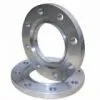
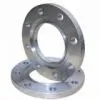
Lap Joint Flanges
Negotiable
MOQ: 1 Piece (Price negotiable depending on order volume and customization)
Key Specifications
Get Latest Price
Business Type:
Manufacturer
Year Established:
2000
Annual Export Value:
US$10 Million - US$50 Million

Payment & Shipping
Payment Methods:


Port of Shipment:
China
Delivery Detail:
7 days
Related Products

Lap Joint Flanges
-
Lap Joint flanges are used on piping fitted with with lapped pipe or with lap joint stub ends. The lap joint flange with the stub end assembly are normally used in systems requiring frequent dismantling for inspection and cleaning and where the ability to swivel flanges and to align bolt holes materially eases the erection of large diameter or unusually stiff piping. These flanges are also used in applications where there is a need to facilitate bolt alignment.
- These type of flanges are similar to slip-on flanges. The only difference is that it has a curved radius at the bore and face to accommodate a lap joint stub end. They may be used at all pressures and are available in a full size range. These lap joint flanges slip over the pipe, and are not welded. They are otherwise fastened to it. Here the bolting pressure is transferred to the gasket by the pressure of the flange against the back of the pipe lap.
- Alloy Steel : ASTM A 182, GR F1, F11, F22, F5, F9, F91
-
Nickel Alloys : Monel 400 & 500, Inconel 600 & 625, Incolloy 800, 825, Hastelloy C22,C276
- B.S : BS4504 , BS4504, BS1560, BS10
- Lap Joint flanges have the freedom to swivel around the pipe. This facilitates the lining up of opposing flange bolt holes.
- Lack of contact with the fluid inside the pipe leads to the greater durability of these flanges.
- In piping systems which corrode or erode quickly, the lap joint flanges may be salvaged for re-use.
- The pressure-holding capacity of lap joint flanges is little. But it is better than that of slip-on flanges.
- The Lap Joint works as a backing ring on the stub.
- The main advantage of lap joint flange is that the bolt holes can be aligned with the matching flange after the welds have been completed.
- They allow rotational alignment capability.
- Carbon Steel : ASTM A 105, ASTM A 181
- Alloy Steel : ASTM A 182, GR F1, F11, F22, F5, F9, F91
- Nickel Alloys : Monel 400 & 500, Inconel 600 & 625, Incolloy 800, 825, Hastelloy C22,C276
- B.S : BS4504 , BS4504, BS1560, BS10
- Lap Joint flanges have the freedom to swivel around the pipe. This facilitates the lining up of opposing flange bolt holes.
- Lack of contact with the fluid inside the pipe leads to the greater durability of these flanges.
- In piping systems which corrode or erode quickly, the lap joint flanges may be salvaged for re-use.
- The pressure-holding capacity of lap joint flanges is little. But it is better than that of slip-on flanges.
- The Lap Joint works as a backing ring on the stub.
- The main advantage of lap joint flange is that the bolt holes can be aligned with the matching flange after the welds have been completed.
- They allow rotational alignment capability.
- ANSI : ANSI B16.5, ANSI B16.47, MSS SP44, ANSI B16.36, ANSI B16.48
- DIN :DIN2527, DIN2566, DIN2573, DIN2576, DIN2641, DIN2642, DIN2655, DIN2656, DIN2627, DIN2628, DIN2629, DIN 2631, DIN2632, DIN2633, DIN2634, DIN2635, DIN2636, DIN2637, DIN2638, DIN2673
- Nickel Alloys : Monel 400 & 500, Inconel 600 & 625, Incolloy 800, 825, Hastelloy C22,C276
- B.S : BS4504 , BS4504, BS1560, BS10
- Lap Joint flanges have the freedom to swivel around the pipe. This facilitates the lining up of opposing flange bolt holes.
- Lack of contact with the fluid inside the pipe leads to the greater durability of these flanges.
- In piping systems which corrode or erode quickly, the lap joint flanges may be salvaged for re-use.
- The pressure-holding capacity of lap joint flanges is little. But it is better than that of slip-on flanges.
- The Lap Joint works as a backing ring on the stub.
- The main advantage of lap joint flange is that the bolt holes can be aligned with the matching flange after the welds have been completed.
- They allow rotational alignment capability.
- ANSI : ANSI B16.5, ANSI B16.47, MSS SP44, ANSI B16.36, ANSI B16.48
- These type of flanges are similar to slip-on flanges. The only difference is that it has a curved radius at the bore and face to accommodate a lap joint stub end. They may be used at all pressures and are available in a full size range. These lap joint flanges slip over the pipe, and are not welded. They are otherwise fastened to it. Here the bolting pressure is transferred to the gasket by the pressure of the flange against the back of the pipe lap.
- Carbon Steel : ASTM A 105, ASTM A 181
- Alloy Steel : ASTM A 182, GR F1, F11, F22, F5, F9, F91
- Nickel Alloys : Monel 400 & 500, Inconel 600 & 625, Incolloy 800, 825, Hastelloy C22,C276
- B.S : BS4504 , BS4504, BS1560, BS10
- Lap Joint flanges have the freedom to swivel around the pipe. This facilitates the lining up of opposing flange bolt holes.
- Lack of contact with the fluid inside the pipe leads to the greater durability of these flanges.
- In piping systems which corrode or erode quickly, the lap joint flanges may be salvaged for re-use.
- The pressure-holding capacity of lap joint flanges is little. But it is better than that of slip-on flanges.
- The Lap Joint works as a backing ring on the stub.
- The main advantage of lap joint flange is that the bolt holes can be aligned with the matching flange after the welds have been completed.
- They allow rotational alignment capability.
- ANSI : ANSI B16.5, ANSI B16.47, MSS SP44, ANSI B16.36, ANSI B16.48
- DIN :DIN2527, DIN2566, DIN2573, DIN2576, DIN2641, DIN2642, DIN2655, DIN2656, DIN2627, DIN2628, DIN2629, DIN 2631, DIN2632, DIN2633, DIN2634, DIN2635, DIN2636, DIN2637, DIN2638, DIN2673
- Nickel Alloys : Monel 400 & 500, Inconel 600 & 625, Incolloy 800, 825, Hastelloy C22,C276
- B.S : BS4504 , BS4504, BS1560, BS10
- Lap Joint flanges have the freedom to swivel around the pipe. This facilitates the lining up of opposing flange bolt holes.
- Lack of contact with the fluid inside the pipe leads to the greater durability of these flanges.
- In piping systems which corrode or erode quickly, the lap joint flanges may be salvaged for re-use.
- The pressure-holding capacity of lap joint flanges is little. But it is better than that of slip-on flanges.
- The Lap Joint works as a backing ring on the stub.
- The main advantage of lap joint flange is that the bolt holes can be aligned with the matching flange after the welds have been completed.
- They allow rotational alignment capability.
- ANSI : ANSI B16.5, ANSI B16.47, MSS SP44, ANSI B16.36, ANSI B16.48
- B.S : BS4504 , BS4504, BS1560, BS10
- DIN :DIN2527, DIN2566, DIN2573, DIN2576, DIN2641, DIN2642, DIN2655, DIN2656, DIN2627, DIN2628, DIN2629, DIN 2631, DIN2632, DIN2633, DIN2634, DIN2635, DIN2636, DIN2637, DIN2638, DIN2673
-
Nickel Alloys : Monel 400 & 500, Inconel 600 & 625, Incolloy 800, 825, Hastelloy C22,C276
- B.S : BS4504 , BS4504, BS1560, BS10
- Lap Joint flanges have the freedom to swivel around the pipe. This facilitates the lining up of opposing flange bolt holes.
- Lack of contact with the fluid inside the pipe leads to the greater durability of these flanges.
- In piping systems which corrode or erode quickly, the lap joint flanges may be salvaged for re-use.
- The pressure-holding capacity of lap joint flanges is little. But it is better than that of slip-on flanges.
- The Lap Joint works as a backing ring on the stub.
- The main advantage of lap joint flange is that the bolt holes can be aligned with the matching flange after the welds have been completed.
- They allow rotational alignment capability.
- Carbon Steel : ASTM A 105, ASTM A 181
- Alloy Steel : ASTM A 182, GR F1, F11, F22, F5, F9, F91
- Nickel Alloys : Monel 400 & 500, Inconel 600 & 625, Incolloy 800, 825, Hastelloy C22,C276
- B.S : BS4504 , BS4504, BS1560, BS10
- Lap Joint flanges have the freedom to swivel around the pipe. This facilitates the lining up of opposing flange bolt holes.
- Lack of contact with the fluid inside the pipe leads to the greater durability of these flanges.
- In piping systems which corrode or erode quickly, the lap joint flanges may be salvaged for re-use.
- The pressure-holding capacity of lap joint flanges is little. But it is better than that of slip-on flanges.
- The Lap Joint works as a backing ring on the stub.
- The main advantage of lap joint flange is that the bolt holes can be aligned with the matching flange after the welds have been completed.
- They allow rotational alignment capability.
- ANSI : ANSI B16.5, ANSI B16.47, MSS SP44, ANSI B16.36, ANSI B16.48
- DIN :DIN2527, DIN2566, DIN2573, DIN2576, DIN2641, DIN2642, DIN2655, DIN2656, DIN2627, DIN2628, DIN2629, DIN 2631, DIN2632, DIN2633, DIN2634, DIN2635, DIN2636, DIN2637, DIN2638, DIN2673
- Nickel Alloys : Monel 400 & 500, Inconel 600 & 625, Incolloy 800, 825, Hastelloy C22,C276
- B.S : BS4504 , BS4504, BS1560, BS10
- Lap Joint flanges have the freedom to swivel around the pipe. This facilitates the lining up of opposing flange bolt holes.
- Lack of contact with the fluid inside the pipe leads to the greater durability of these flanges.
- In piping systems which corrode or erode quickly, the lap joint flanges may be salvaged for re-use.
- The pressure-holding capacity of lap joint flanges is little. But it is better than that of slip-on flanges.
- The Lap Joint works as a backing ring on the stub.
- The main advantage of lap joint flange is that the bolt holes can be aligned with the matching flange after the welds have been completed.
- They allow rotational alignment capability.
- ANSI : ANSI B16.5, ANSI B16.47, MSS SP44, ANSI B16.36, ANSI B16.48
- These type of flanges are similar to slip-on flanges. The only difference is that it has a curved radius at the bore and face to accommodate a lap joint stub end. They may be used at all pressures and are available in a full size range. These lap joint flanges slip over the pipe, and are not welded. They are otherwise fastened to it. Here the bolting pressure is transferred to the gasket by the pressure of the flange against the back of the pipe lap.
- Carbon Steel : ASTM A 105, ASTM A 181
- Alloy Steel : ASTM A 182, GR F1, F11, F22, F5, F9, F91
- Nickel Alloys : Monel 400 & 500, Inconel 600 & 625, Incolloy 800, 825, Hastelloy C22,C276
- B.S : BS4504 , BS4504, BS1560, BS10
- Lap Joint flanges have the freedom to swivel around the pipe. This facilitates the lining up of opposing flange bolt holes.
- Lack of contact with the fluid inside the pipe leads to the greater durability of these flanges.
- In piping systems which corrode or erode quickly, the lap joint flanges may be salvaged for re-use.
- The pressure-holding capacity of lap joint flanges is little. But it is better than that of slip-on flanges.
- The Lap Joint works as a backing ring on the stub.
- The main advantage of lap joint flange is that the bolt holes can be aligned with the matching flange after the welds have been completed.
- They allow rotational alignment capability.
- ANSI : ANSI B16.5, ANSI B16.47, MSS SP44, ANSI B16.36, ANSI B16.48
- DIN :DIN2527, DIN2566, DIN2573, DIN2576, DIN2641, DIN2642, DIN2655, DIN2656, DIN2627, DIN2628, DIN2629, DIN 2631, DIN2632, DIN2633, DIN2634, DIN2635, DIN2636, DIN2637, DIN2638, DIN2673
- Nickel Alloys : Monel 400 & 500, Inconel 600 & 625, Incolloy 800, 825, Hastelloy C22,C276
- B.S : BS4504 , BS4504, BS1560, BS10
- Lap Joint flanges have the freedom to swivel around the pipe. This facilitates the lining up of opposing flange bolt holes.
- Lack of contact with the fluid inside the pipe leads to the greater durability of these flanges.
- In piping systems which corrode or erode quickly, the lap joint flanges may be salvaged for re-use.
- The pressure-holding capacity of lap joint flanges is little. But it is better than that of slip-on flanges.
- The Lap Joint works as a backing ring on the stub.
- The main advantage of lap joint flange is that the bolt holes can be aligned with the matching flange after the welds have been completed.
- They allow rotational alignment capability.
- ANSI : ANSI B16.5, ANSI B16.47, MSS SP44, ANSI B16.36, ANSI B16.48
- B.S : BS4504 , BS4504, BS1560, BS10
Type of Flanges:
- Blind Flanges, Lap Joint Flanges, Orifice Flanges, Reducing Flanges, Slip-on Flanges, Threaded Flanges, Weldneck Flanges, Large size Flanges , Socket weld Flanges, Spectacle Blind Flanges, Pipe Flange Bolts, Pipe Flange Gaskets
- A flange is used to mechanically connect two pipes together.
-
© PipeFitting.Asia | E-mail: pfAsia8@gmail.com

Send Inquiry to This Supplier

Business Type
Manufacturer
Year Established
2000
Annual Export Value
US$10 Million - US$50 Million
Total Employees
101 - 200 People
You May Also Like
-
Spectacle Blind FlangesNegotiableMOQ: 1 Piece
-
Socket Weld FlangesNegotiableMOQ: 1 Piece
-
NW Long Weld Neck FlangesNegotiableMOQ: 1 Piece
-
Orifice FlangesNegotiableMOQ: 1 Piece
-
Spherical Flange NutsNegotiableMOQ: 1 Piece
-
Bend PipeNegotiableMOQ: 1 Piece
-
Abrasion Resistant Ceramic Lined PipeNegotiableMOQ: 1 Piece
-
Ceramic Lined Elbows and BendsUS$ 1000 - 1000MOQ: 1 Meter
-
Bi Metal Clad Pipe, BendNegotiableMOQ: 1 Piece
-
Honed Tubes for Hydraulic, Pneumatic CylinderNegotiableMOQ: 1 Ton


