








 Contact Platform Support
 Help Center
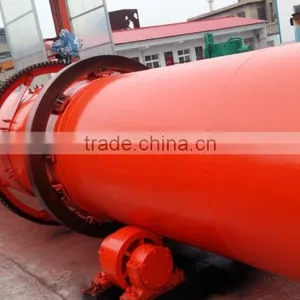
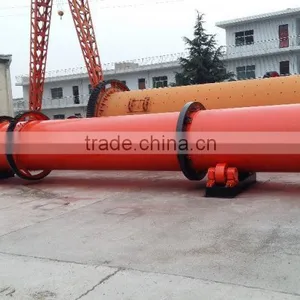
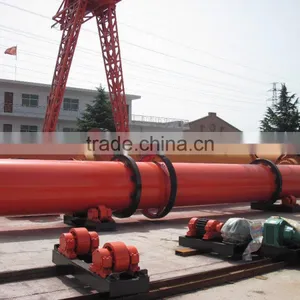
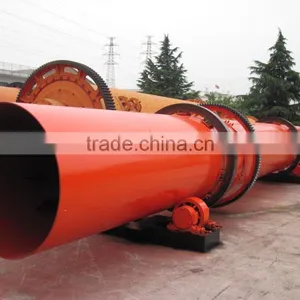
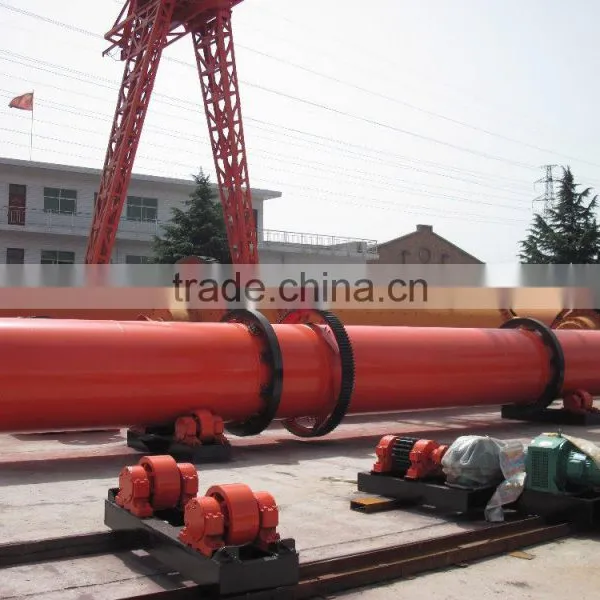
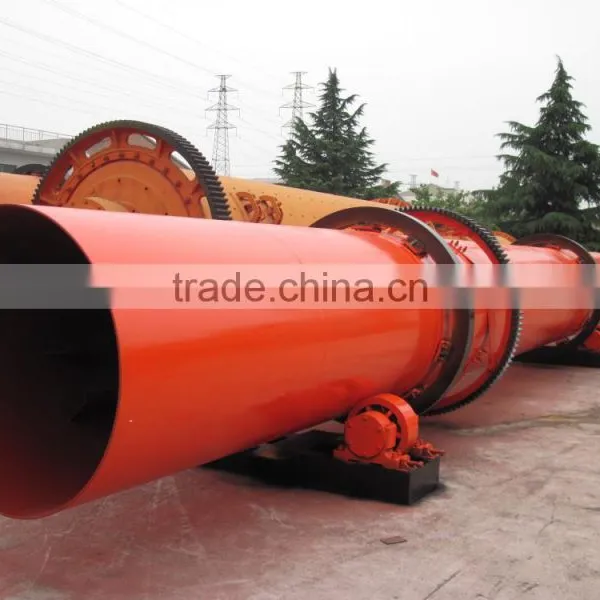
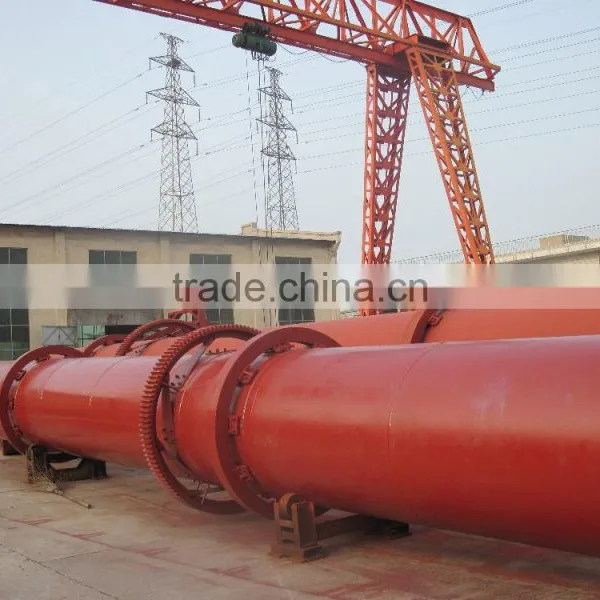
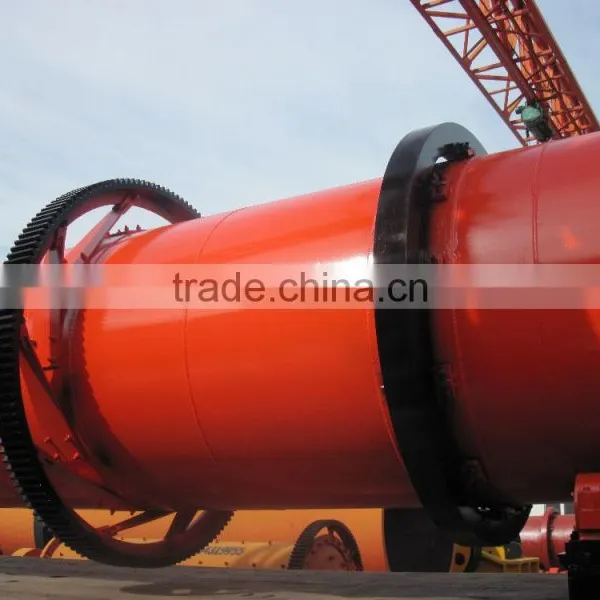
Competitive Price Rotary Dryer for Drying Slurry With Trade Assurance


Related Products
-
 Competitive Price Double Cone Rotary Vaccum Dryer With Trade AssuranceUS$ 99,999 - 99,999MOQ: 1 Set
 -
Competitive Price Industrial Rotary Dryer With Trade AssuranceUS$ 99,999 - 99,999MOQ: 1 Set
-
High Quality Coal Rotary Dryer/ MIning Materials Rotary Dryer Professional Manufacture -- DeRui CompanyUS$ 12,000 - 100,000MOQ: 1 Set
-
Clay Dryer of Bentonite Drying Machine for Clay Production LineUS$ 12,000 - 50,000MOQ: 1 Set
-
Kaolin and Bentonite Clay Drying Machine for SaleUS$ 12,000 - 100,000MOQ: 1 Set
Competitive Price Rotary Dryer for Drying Slurry With Alibaba Trade Assurance
1. Working Principle of Rotary Dryer for Drying Slurry
In many industrial processes, rotary dryer for drying slurry is relied upon for high capacity, consistent drying of bulk solids — and for good reason. They offer innumerable benefits, both to the process and the product.
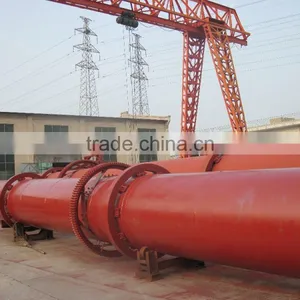
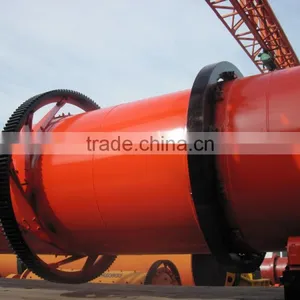
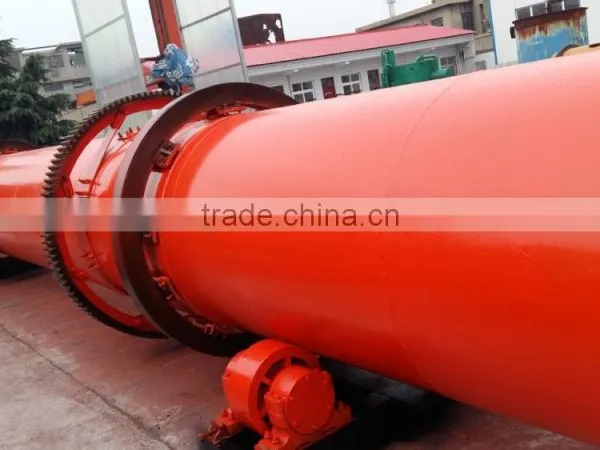
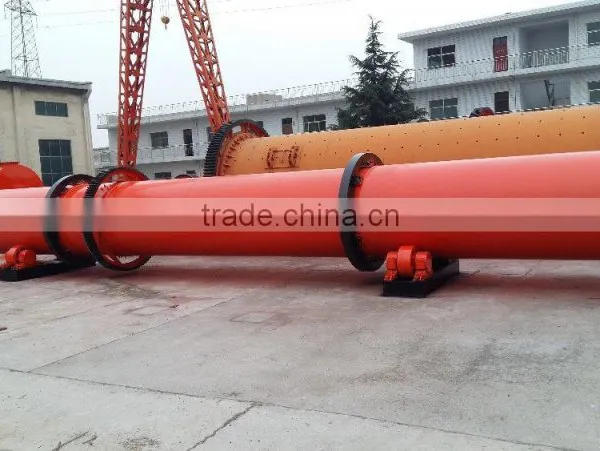
One of the most prominent components of a rotary dryer for drying slurry is a large, rotating cylinder called the drum shell. Drying air or process gas flows through the drum in co-current or counter-current modes. In co-current mode, material travels in the same direction as the process gas. In counter-current mode, material travels in the opposite direction of the process gas. Regardless of the direction of travel, the drying air comes in direct contact with the material being dried.
2. Application of Rotary Dryer for Drying Slurry
Rotary dryer for drying slurry is used both for post-drying and pre-conditioning. Post-drying is a method of reducing the moisture content of a final product. Pre-conditioning is a method of drying a material prior to subsequent processing.
Rotary dryer for drying slurry offers major benefits when it comes to processing bulk solids. Here are eight reasons why processors choose rotary dryer for drying slurry for their bulk solids drying needs.
3. Distinguished Advantage of Rotary Dryer for Drying Slurry
1. Custom processing capabilities
While standard, one-size-fits-all rotary dryer for drying slurry is available, our rotary dryer for drying slurry design is customizable and incorporate options that can increase processing efficiency.
For instance, by designing around a material’s unique characteristics and the overall goals of the process, rotary dryer for drying slurry can attain optimum processing efficiency. Various material characteristics affect how the material behaves during the drying process. The characteristics of the material to be dried also influence rotary dryer for drying slurry design to ensure the thermal processing satisfies the production goals. When designing a rotary dryer for drying slurry , consider key material characteristics such as:
• Raw material moisture level.
• Outlet material moisture goal.
• Specific heat of the material to be processed.
• The heat transfer properties of the material to be processed.
• Material limitations (fragility, consistency, end use, particle size, etc.).
• Material surface quality (abrasive, corrosive, etc.).
In addition, site-specific factors can affect how a rotary dryer for drying slurry performs and should be taken into account during the design phase. Typical factors include the humidity level, the elevation and ambient temperatures.
A multitude of components can be customized to suit most processing needs. Factors such as airflow configuration, flight design and pattern, percent fill, retention time and size will affect how the rotary dryer for drying slurry performs to meet its intended goal. Additional customizations such as knocking systems, seal options and materials of construction can be combined to create an efficient drying solution tailored to your unique processing requirements.
2. Creating a Refined Product
When used to dry pellets or granules, rotary dryer for drying slurry offers an advantage over other drying mediums. The tumbling action on the bed of material further rounds and “polishes” the granules, knocking off any loose edges and creating a more refined product.
3. Heavy-Duty Processing
Rotary dryer for drying slurry is robust and offer a heavy-duty design. While they can be used to process fines, they are particularly adept at processing heavier materials such as those found in the mining industry. For this reason, materials commonly processed in a rotary dryer for drying includes potash, phosphates, gypsum, limestone, minerals and ores.
A well-designed and constructed rotary dryer for drying slurry also has the potential to last for decades when properly maintained.
4. Consistent Processing
In addition to their heavy-duty processing capabilities,rotary dryer for drying slurry is perhaps most valued for their ability to churn out a consistent-quality product despite inconsistencies in the feedstock or process. Flights within the rotating drum lift and cascade material as it tumbles through the drum, preventing material clumps and promoting an evenly dried final product. They are able to take what is given — lumpy or uniform, wet or dry – and produce a quality product.
Rotary dryer for drying slurry is particularly valuable in settings where variance in the feedstock is a given such as when processing minerals. While a change in moisture or particle size distribution might leave a fluid bed drying operation at a standstill, a rotary dryer for drying slurry will continue to put out a fairly consistent product. This is also true of processing environments where upsets are likely such as power outages or lapses in fuel availability.
.
5. High Capacity
While rotary dryer for drying slurry does occupy a larger footprint than some other dryer types, this also means they offer significantly higher capacities.Rotary dryer can offer capacities ranging from as little as 1 ton per hour to in excess of 200 tons per hour. Continuous, high capacity processing is a necessity in many processing environments.
6. Energy Savings
Rotary dryer for drying typically requires less energy than some other drying alternatives such as a fluid bed dryer. In addition, they offer the opportunity to save on energy costs when running at reduced capacities. For example, fluid bed dryers require a certain amount of energy, even when running at decreased capacities, because it takes a set amount of energy to fluidize a material. With a rotary dryer for drying, however, energy consumption is reduced without process upset when running at lower capacities.
Heat transfer efficiency is increased with a rotary dryer for drying slurry through the use of lifting flights. The flights pick up the material and drop it through the airstream, creating a curtain of material as the drum rotates. Exposing the material to the airflow improves drying and moisture leveling.
7. Ease of Operation
Rotary dryer for drying slurry offers fairly hands-off operation. While a rotary dryer for drying slurry does need to be monitored, there are few things that can cause a process upset with a rotary dryer for drying slurry. There are also minimal variables to be adjusted, allowing for ease of operation.
In conclusion, rotary dryer for drying slurry is the backbone of many modern industrial processes, helping to reduce the moisture content of final products and prepare material for additional processing. They offer a number of advantages for both the end product and the process itself. While rotary dryer for drying slurry is available in standardized models, a dryer tailored to the unique characteristics of the material to be processed will produce the most efficient and reliable results.
3. Specification of Rotary Dryer for Drying Slurry
4. Workflow of Rotary Dryer for Drying Slurry
1. Pre-sale services
Act as a good adviser and assistant of clients, enable them to get rich and generous returns on their investments.
1>. Select equipment model;
2>. Design and manufacture products according to clients' special requirement;
3>. Train technical personnel for clients.
2. Services during the sale
Respect clients, devote ourselves to improving the total value of clients.
1>. Pre-check and accept products ahead of delivery;
2>. Help clients to draft solving plans.
3. After-sale services
Provide considerate services to minimize clients' worries.
1>. Assist clients to prepare for the first construction scheme;
2>. Install and debug the equipment;
3>. Train the first-line operators;
4>. Examine the equipment;
5>. Take initiative to eliminate the troubles rapidly;
6>. Provide perfect service;
7>. Provide technical exchanges.
custome site of Rotary Dryer for Drying Slurry
In order to give you a professional reply, could you tell me the following information in your inquiry?
1. What is the material ?
2. What is the moisture of the feed materials?
3. What is the final moisture you want to get?
4. What is the production capacity in per hour or per day?
If per day, could you tell me how many hours you want the machine to work?
This piece of information is from Alibaba.

Send Inquiry to This Supplier

You May Also Like
-
Gravity Separation 6-S Shaking TableNegotiableMOQ: 1 Set
-
Industrial Using Backhoe Loader With 7600KG CapacityNegotiableMOQ: 1 Set
-
ISO9001 Certificated Bimetal Wear Resistant Clad Plate Bucket Excavator WheelUS$ 160 - 160MOQ: 1 Piece
-
ExcavatorNegotiableMOQ: 2300 Sets
-
Excavator 3ton Crawler Mini Digger With Hydraulic ThumbNegotiableMOQ: 1 Set
-
Track Mini Excavator for Sale 2 Ton 2.5 3 Ton 5 Ton Small Rubber China Cheap Price 0.6 Ton 0.8 Ton 1 Ton 1.5 Ton 1.7 Ton 175mmNegotiableMOQ: 1
-
Essential Vibrating Bowl Feeder/vibrating FeederUS$ 9,700 - 10,000MOQ: 1 Set
-
Drilling Fluid Cyclone DesanderNegotiableMOQ: 1 Set
-
Ceramic Particle Production Line With ISO9001:2008 CertificateUS$ 5,000 - 50,000MOQ: 1 Set
-
Hot Sell High Frequency GTS Series Drum ScreenUS$ 500 - 40,000MOQ: 1 Set


