








 Contact Platform Support
 Help Center
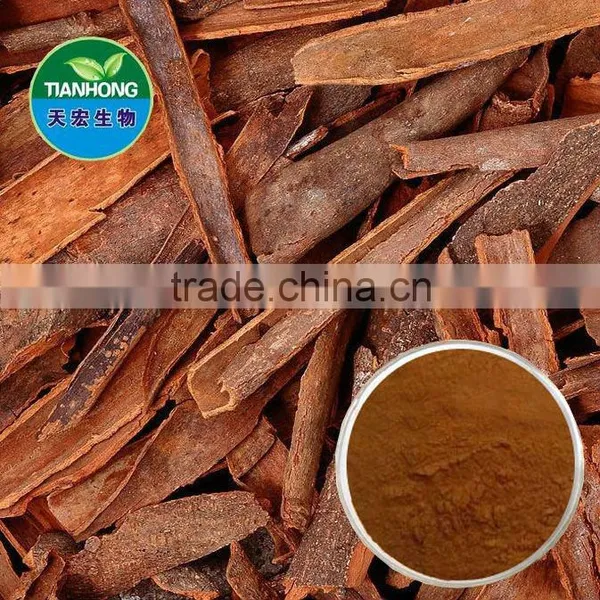
Cinnamon Bark Extract Polyphenols



Related Products
-
 Chili Bell Pepper Extract of High QualityNegotiableMOQ: 1 Kilogram
 -
Herbal Genista Extract GenisteinNegotiableMOQ: 1 Kilogram
-
Coleus Forskohlii Extract of High QualityNegotiableMOQ: 1 Kilogram
-
Catharanthus Roseus Periwinkle Extract VinblastineNegotiableMOQ: 1 Kilogram
-
Natural Alfalfa Extract of High Quality FlavoneNegotiableMOQ: 1 Kilogram
Cinnamon has been proposed for use as an insect repellent, although it remains untested.Cinnamon leaf oil has been found to be very effective in killing mosquito larvae. The compounds cinnamaldehyde, cinnamyl acetate, eugenol, and anethole, that are contained in cinnamon leaf oil, were found to have the highest effectiveness against mosquito larvae.
The use of cinnamon dates back over 4,000 years and is also mentioned in the Bible. It has a broad range of historical health applications in different cultures, and over those years some of the anecdotal uses included boosting cognitive function and memory, treating rheumatism, helping with digestion and relieving certain menstrual disorders. In addition, when added to food, it inhibits bacterial growth and food spoilage, making it a natural food preservative. Cinnamon is also being recommended in a more current use: to help curb the urge for tobacco. The National Institute of Health recommends chewing cinnamon sticks when trying to quit the use of tobacco. Another effective product that people use to help with overeating and tobacco use is cinnamon toothpicks.
In medicine it acts like other volatile oils and once had a reputation as a cure for colds. It has also been used to treat diarrhea and other problems of the digestive system. Cinnamon is high in antioxidant activity.The essential oil of cinnamon also has antimicrobial properties, which can aid in the preservation of certain foods.
Cinnamon could have some pharmacological effects in the treatment of type 2 diabetes mellitus and insulin resistance. The plant material used in the study was mostly from Chinese cinnamon (see Chinese cinnamon's medicinal uses).Recent studies in phytochemistry have indicated that cinnamtannin B1 isolated from C. Verum bears possible therapeutic effect on type 2 diabetes, with the exception of the postmenopausal patients studied on C. Cassia.Cinnamon has traditionally been used to treat toothache and fight bad breath and its regular use is believed to stave off common cold and aid digestion.
Regularly drinking tea made from the bark of Sri Lanka cinnamon could be beneficial to oxidative stress related illness in humans, as the plant part contains significant antioxidant potential.
In Indian traditional medicine (Ayurveda)more than 600 formulations of Cinnamon are mentioned.It is useful in conditions like Flatulence, Piles, Amenorrhea, Diarrhoea, Toothache, Amoebiasis, Heart diseases, Fever, Cough, Cold, Headache etc.
1kg/bag, 5kg/bag, 25kg/drum, double layers plastic bags inside.
Stored in a cool and dry well-closed container. Keep away from moisture and strong light/heat.

Send Inquiry to This Supplier

You May Also Like
-
Silymarin Milk Thistle Extract FactoryNegotiableMOQ: 1 Metric Ton
-
CHINA Wholesale Genyond Hair-Loss Prevention Hair Growth Hair Oil Rosemary Growth Essential OilNegotiableMOQ: 1
-
Cumin Seed PowderUS$ 4.79 - 4.79MOQ: 100 Kilograms
-
Fuzz Cashmere Comb For Cashmere Sweaters With High QualityUS$ 0.6 - 0.8MOQ: 5000 Pieces
-
Gama Aminobutyric Acid/gaba RiceUS$ 9.5 - 10.5MOQ: 2 Kilograms
-
High Quality Hot Sell Senna PowderNegotiableMOQ: 200 Kilograms
-
High Quality Andrographis Paniculata Extract Powder Andrographis Extract Andrographolide PowderNegotiableMOQ: 1 Kilogram
-
Food Grade Sodium Copper Chlorophyllin Powder E141ii Natural Green Pigment for Beverage & CosmeticsNegotiableMOQ: 1 Kilogram
-
High Quality Best Quality Vine Tea Extract Dihydromyricetin DHM Cas Number 27200-12-0US$ 50 - 65MOQ: 1 Kilogram
-
Portulaca Oleracea ExtractNegotiableMOQ: 1 Kilogram
