








 Contact Platform Support
 Help Center
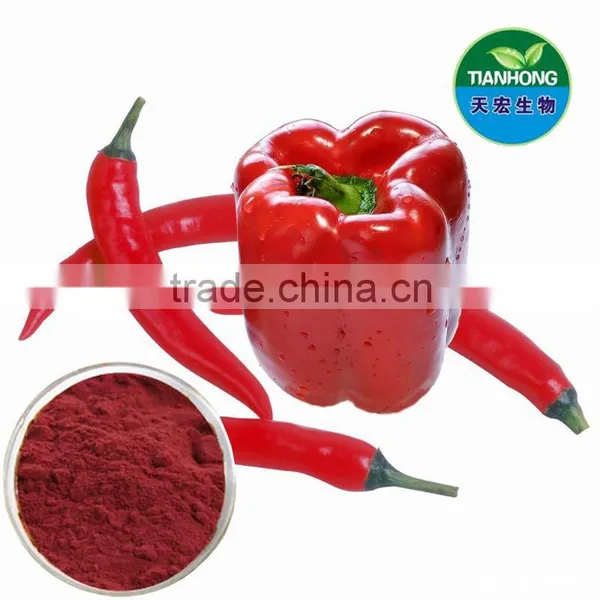
Chili Bell Pepper Extract of High Quality


Related Products
-
 Herbal Genista Extract GenisteinNegotiableMOQ: 1 Kilogram
 -
Coleus Forskohlii Extract of High QualityNegotiableMOQ: 1 Kilogram
-
Catharanthus Roseus Periwinkle Extract VinblastineNegotiableMOQ: 1 Kilogram
-
Natural Alfalfa Extract of High Quality FlavoneNegotiableMOQ: 1 Kilogram
-
Cacao Extract in Good Quality TheobromineNegotiableMOQ: 1 Kilogram
Specifications
Chili(Bell Pepper) Extract:Appearance:Dark Red powder
Specification:Capsaicin(95%)
Capsaicin is currently used in topical ointments, as well as a high-dose dermal patch (trade name Qutenza), to relieve the pain of peripheral neuropathy such as post-herpetic neuralgia caused by shingles. It may be used in concentrations of between 0.025% and 0.075%. It may be used as a cream for the temporary relief of minor aches and pains of muscles and joints associated with arthritis, simple backache, strains and sprains, often in compounds with other rubefacients.The treatment typically involves the application of a topical anesthetic until the area is numb. Then the capsaicin is applied by a therapist wearing rubber gloves and a face mask. The capsaicin remains on the skin until the patient starts to feel the "heat", at which point it is promptly removed. Capsaicin is also available in large bandages that can be applied to the back.
Capsaicin creams are used to treat psoriasis as an effective way to reduce itching and inflammation.
According to animal and human studies, the oral intake of capsaicin may increase the production of heat by the body for a short time. Due to the effect on the carbohydrates breakdown after a meal, cayenne may also be used to regulate blood sugar levels. Further research is required to see if capsaicin would be useful to treat obesity. Substance P, a neuropeptide released by capsaicin, has been shown to reverse diabetes in mice,[38][39] but the effects to insulin secretion seems to be species dependent. In humans, substance P seems to decrease insulin release and cause fluctuations in blood sugar levels.
In 1997, a research team led by David Julius of UCSF showed that capsaicin selectively binds to a protein known as TRPV1 that resides on the membranes of pain and heat sensing neurons.[41] TRPV1 is a heat activated calcium channel, which opens between 37 and 45 °C (98.6 and 113 °F, respectively). When capsaicin binds to TRPV1, it causes the channel to open below 37 °C (normal human body temperature), which is why capsaicin is linked to the sensation of heat. Prolonged activation of these neurons by capsaicin depletes presynaptic substance P, one of the body's neurotransmitters for pain and heat. Neurons that do not contain TRPV1 are unaffected.
The result appears to be that the chemical mimics a burning sensation, the nerves are overwhelmed by the influx, and are unable to report pain for an extended period of time. With chronic exposure to capsaicin, neurons are depleted of neurotransmitters, leading to reduction in sensation of pain and blockade of neurogenic inflammation. If capsaicin is removed, the neurons recover.[citation needed]
Capsaicin is being explored as a possible prophylaxis for Type 1 diabetes by researchers in Toronto, Canada. Capsaicin was injected subcutaneously in neonatal diabetes-prone NOD mice to permanently remove a prominent subset of pancreatic sensory neurons, which express the transient receptor potential vanilloid-1 (TRPV1) protein. Insulin resistance and beta cell stress of prediabetic NOD mice are prevented when TRPV1+ neurons are eliminated. In other words, mice who were genetically predisposed to Type 1 diabetes were prevented from developing Type 1 via removal of these neurons, which are thought to attract pathogenic T-cells to attacking pancreatic beta cells (i.e., the cause of Type 1 diabetes).
The American Association for Cancer Research reports studies suggesting capsaicin is able to kill prostate cancer cells by causing them to undergo apoptosis. The studies were performed on tumors formed by human prostate cancer cell cultures grown in mouse models, and showed tumors treated with capsaicin were about one-fifth the size of the untreated tumors. There have been several clinical studies conducted in Japan and China that showed natural capsaicin directly inhibits the growth of leukemic cells.
Another study carried out at the University of Nottingham suggests capsaicin is able to trigger apoptosis in human lung cancer cells as well.
Capsaicin is also the key ingredient in the experimental drug Adlea, which is in Phase 2 trials as a long-acting analgesic to treat post-surgical and osteoarthritis pain for weeks to months after a single injection to the site of pain. More over, it reduces pain resulted rheumatoid arthritis as well as joint or muscle pain from fibromyalgia or other causes.
1kg/bag, 5kg/bag, 25kg/drum, double layers plastic bags inside.
Stored in a cool and dry well-closed container. Keep away from moisture and strong light/heat.

Send Inquiry to This Supplier

You May Also Like
-
Silymarin Milk Thistle Extract FactoryNegotiableMOQ: 1 Metric Ton
-
CHINA Wholesale Genyond Hair-Loss Prevention Hair Growth Hair Oil Rosemary Growth Essential OilNegotiableMOQ: 1
-
Cumin Seed PowderUS$ 4.79 - 4.79MOQ: 100 Kilograms
-
Fuzz Cashmere Comb For Cashmere Sweaters With High QualityUS$ 0.6 - 0.8MOQ: 5000 Pieces
-
Gama Aminobutyric Acid/gaba RiceUS$ 9.5 - 10.5MOQ: 2 Kilograms
-
High Quality Hot Sell Senna PowderNegotiableMOQ: 200 Kilograms
-
High Quality Andrographis Paniculata Extract Powder Andrographis Extract Andrographolide PowderNegotiableMOQ: 1 Kilogram
-
Food Grade Sodium Copper Chlorophyllin Powder E141ii Natural Green Pigment for Beverage & CosmeticsNegotiableMOQ: 1 Kilogram
-
High Quality Best Quality Vine Tea Extract Dihydromyricetin DHM Cas Number 27200-12-0US$ 50 - 65MOQ: 1 Kilogram
-
Portulaca Oleracea ExtractNegotiableMOQ: 1 Kilogram
