








 Contact Platform Support
 Help Center
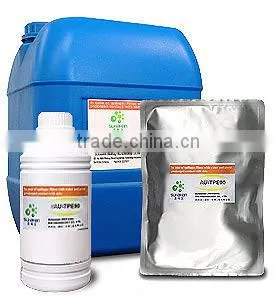
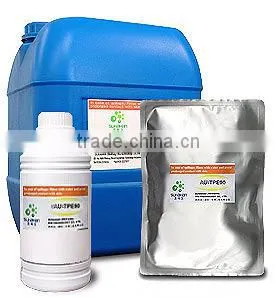
SUKAZYM PW-011 Biological Agent for Treatment of Wastewater From Pulp and Paper Mills


Related Products
-
 SUKAZYM IW011/TX Biological Agent for Treatment of Textile WastewaterNegotiableMOQ: 200 Kilograms
 -
SUKACLEAN ANM1000 Animal Farm Wastewater DeodorizationNegotiableMOQ: 200 Kilograms
-
Treatment for Landfill LeachateUS$ 18.00 - 18.00MOQ: 100 Kilograms
-
Bacteria Formula for Waste Water Denitrification TreatmentUS$ 17 - 18MOQ: 100 Kilograms
-
Biological Product for Waste Water Denitrification TreatmentUS$ 17 - 18MOQ: 100 Kilograms
Biological agent for treatment of wastewater from pulp and paper mills
SUKAZYM PW-011 is a microbial-based product containing a highly concentrated blend of non-pathogenic, aerobic and facultative, autotrophic beneficial organisms and multi-enzyme producing microorganisms which are able to grow and degrade various carbohydrates and organic substances present in wastewater from industrial sources under aerobic as well as anaerobic conditions. Beneficial organisms in SUKAZYM PW-011 can rapidly degrade the organic materials in industrial, municipal and agricultural wastewater.
The product also contains enzymes of high activities that aid in the digestion of suspended particles and complex materials in the bottom sludge for subsequent conversion into molecules that can be utilized by different microorganisms for metabolism.
MECHANISM:
Supplementation of the inherent microbial populations with concentrations of selected and adapted microbial strains having better survival ability, faster increase in bacterial population and multiple enzyme production will enhance the decomposition of organic matter. Aerobic and facultative microorganisms in the product with specific biodegradative abilities are able to grow and degrade organic substances in the aerobic and anaerobic portions of the river system, respectively. The digestion process begins with the microbial hydrolysis of the input materials (ex. carbohydrates, proteins and fats) into sugars, amino acids and fatty acids for use of other bacteria. Hydrolysis can be performed by both aerobic and facultative organisms.
The survival of the added microorganisms and the rate of organic matter decomposition are enhanced by the addition of digestive enzymes that convert part of the complex organic matter in to simple sugars for instant use by the added cultures. During the decomposition of organic matter in the sludge, the volume of the sludge is reduced while degradation products that are released into the water are rapidly decomposed. Clarity is enhanced by the continuous degradation of suspended cellulosic materials by both the enzyme and microbial components of the product.
FEATURES AND BENEFITS
· Eliminates hydrogen sulfide gas, and its accompanying odors, and health hazards.
· Converts suspended particles and accumulated waste and soluble organics in the sludge to carbon dioxide, nitrogen and oxygen gases, water and sulfates.
· Breaks down proteins, starches, fats and food-based oils, xylans and cellulose.
· Reduces TSS, COD and BOD.
· Reduces nitrate and ammonia efficiently.
· Eliminates inhibitory effects of hydrogen sulfide (H2S) on nitrification.
· Can utilize a wide range of carbon sources.
· Produces less sludge than alternative methods.
· Non-toxic, non-corrosive. Safer to handle than chemical oxidizers.
· Environmentally friendly, all-natural process.
Paper mill wastewater treatment case:
|
Date |
Inflow of the south line, m3/d |
Inflow CODmg/L |
Inflow SS,mg/L |
Effluent CODmg/L |
Effluent SS, mg/L |
SVI |
|||||
South |
North |
South |
North |
South |
North |
South |
North |
South |
North |
|||
A |
7.25~8.11 Add Enzyme Adjustment period |
17919 |
2248 |
2214 |
1100 |
1084 |
450 |
406 |
85 |
81 |
181 |
173 |
B |
8.12~8.23 Add Enzyme Adjustment period |
21683 |
2305 |
2267 |
1166 |
1148 |
395 |
390 |
80 |
79 |
177 |
177 |
C |
8.25~9.7 Blank Period |
22635 |
2303 |
2264 |
1154 |
1137 |
406 |
405 |
81 |
81 |
178 |
188 |
D |
9.8~9.24 Add enzyme Maintenance Period |
26502 (North line: 23007) |
2256 |
2270 |
1124 |
1137 |
376 |
411 |
59 |
272 |
179 |
215 |
BENEFICIAL MICROORGANISMS + BIOENZYMES
¨ The biological process of wastewater treatment uses beneficial microorganisms and higher plant life to decompose organic matter in wastewater itself and sewage.
¨ Supplementation of the inherent microbial populations with concentrations of selected and adapted microbial strains having better survival ability, faster increase in bacterial population and multiple enzyme production will enhance the decomposition of organic matter.
¨ The survival of the added microorganisms and the rate of organic matter decomposition are enhanced by the addition of digestive enzymes that convert part of the complex organic matter in to simple sugars for instant use by the added cultures.
¨ Effective combination of beneficial microorganisms and bio-enzymes will result to a reduction in COD, BOD and TSS levels, improved water clarity and reduction in odor.
SPECIFICATION
Bacterial Count: 1 x 10⁹CFU/gram
(Bacteria: Bacillus subtilis 50%, Bacillus subtilis 50%, Bacillus licheniformis 30%, 20%Bacillus polymyxa).
Appearance:
Liquid: Light brown colored liquid
Powder: Cream to light brown, free flowing powder
Odor: Slight fermentation odor
pH range: 3.0 - 10.0 (optimum at 7.0)
Temperature range: 20-35°C (optimum performance at 25-32°C)
Moisture content: 8.0%
STORAGE
Store in a cool, dry place and away from direct sunlight. SUKAZYM PW-011 maintains its activity for considerably longer time when stored at lower temperatures (below 25°C). The product should not be frozen.
HANDLING PRECAUTIONS
SUKAZYM PW-011 is non-toxic and biodegradable. However, unnecessary contact with the product should be avoided. Long term exposure to protein based products such as SUKAZYM PW-011 may sensitize certain individuals to the product. Wash hands with warm soapy water after handling. Keep out of reach of children.
CAUTIONS
Because different wastewater will need different treatment requirements, please contact us immediately without any hesitation when you have any problems with our products.
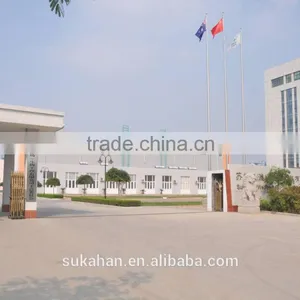
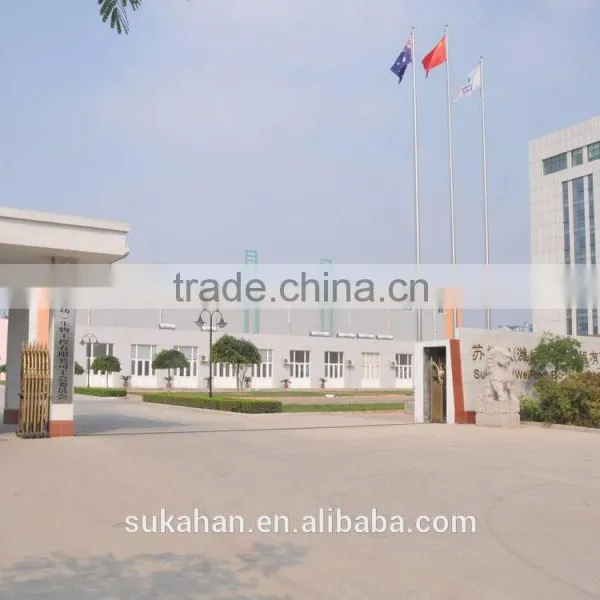
Shandong Sukahan Bio-technology Co., Ltd. is always ready to provide help for using our product properly.

Send Inquiry to This Supplier
You May Also Like
-
Fertilizer Plant FRP Neutralization Reaction Tank Waste Acid Sewage Storage VesselNegotiableMOQ: 1 Piece
-
Multi-effect Evaporator Concentrator for Chemical Effluent Reduction With Automatic CIP SystemUS$ 2790 - 68300MOQ: 1 Combo
-
Urban Garbage Disposal Machine Domestic Waste Power Generation Equipment Construction Waste Sorting System Recycling Plant EPCUS$ 39055 - 200055MOQ: 1 Set
-
220V Electric Composting Equipment for Organic Waste ProcessingNegotiableMOQ: 1 Piece
-
Equipo de Cremación Humana de Alto Volumen Horno de Cremación Estilo Americano Equipo de Crematorio Horno Para CremaciónNegotiableMOQ: 1 Set
-
Water Bath SterilizerNegotiableMOQ: 1 Set
-
PPS Needle Felt Filter Cloth for Thermal Power Plants for Boiler Gas PurifyNegotiableMOQ: 1 Piece
-
Ceramic Ink Printing On Glass Inorganic Glass Paint Enamel Pigments High Coverage For Range Hood GlassNegotiableMOQ: 0
-
Landfill Waste Trommel Screening Mahcine Domestic Waste Trommel SeparatorUS$ 23500 - 68500MOQ: 1 Set
-
Waste Treatment EquipmentNegotiableMOQ: 2500 Sets


