Water Purifier Insights & Buyer's Guide
Access to clean and safe drinking water is necessary to maintain health and well-being. Contaminants seep into the water, making it impossible to depend on untreated water sources. Water purifiers are what come into play. When you want to water your family with health, taste, and quality, selecting the best water filter can feel overwhelming with so many choices. This guide will go through what water purifiers are so that you can better understand which option is suitable for you. We will cover filtration technologies and some of the more important points to consider.
Understanding Water Purifiers
What Is a Water Purifier?
Water purifier is an essential household appliance that serves to enhance the quality of drinking water by removing various types of contaminants and impurities. These devices work with various filtration technologies to treat tap water and make it fit and safe for human consumption. Water purifiers strengthen the process of improving water quality by removing chemicals-laden chlorines, fluorides, PFAS, bacteria, and numerous other harmful substances. In the market, innumerable varieties exist: reverse osmosis systems, UV filters, and gravity water purifiers, among many others. Upon further filtration, water purifiers provide the household with clean and pure drinking water, also helping in enhancing their taste. As increasing concern exists about water purity, the right choice of purifier system will become imperative in households trying to protect their health.
How Do Water Filters Work?
Water filters put into use various methods of purification to effectively remove foreign substances or contaminants from drinking water. Every particular filtration system is capable of addressing particular impurities found in water supplies, such as sediment, chlorine, lead, or bacteria. Some commonly favored instances include:
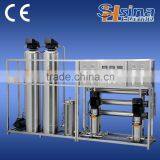
Reverse-osmosis systems: This method filters out dissolved solids and impurities with a semi-permeable membrane and results in RO water with dramatically lowered TDS.
UV water purifier: Utilizes ultraviolet light for killing viruses and bacteria to make water safe microbially.
Activated carbon filter: It is excellent for chlorine reduction and improves taste.
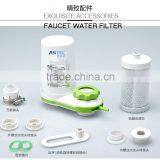
Depending on the water source and the contaminants found in it, the choice of water filter varies, including simple installations on the faucet itself, under-the-sink installations, and countertop water filtration systems. Knowing how water purifiers work is the first step towards deciding which water filter suits your household best.
Types of Water Purification Method
There are many methods of water purification serving different demands, differing in their technologies and mechanisms to ensure safe delivery of clean water. Below are some of the generally accepted methods:
Reverse osmosis systems are known to be thorough in the removal of numerous contaminants and are best suited to users requiring full-fledged water purification. They usually have multistage filters in an effort to further enhance water quality and taste.
UV purification inactivates harmful organisms using ultraviolet light, rendering it a safe, chemical-free solution to microbial objection.
Activated carbon filters are best known for reducing chlorine and organic compounds, removing bad odors, and improving taste.
Gravity water purifiers by brands like Berkey and Katadyn use natural gravitational force to filter water and hence, make a perfect choice for backcountry or emergency water purification.
Each purification method has its pros and cons and is chosen according to budget considerations, water quality concerns, and actual household needs.
Benefits of Using a Water Purifier
Improved Water Quality
The main advantage of any water purifier is in ensuring enhanced water quality. Water purifiers are designed to remove a wide range of contaminants that might adversely impact the safety and taste of water. Through advanced filtration techniques, such as reverse osmosis and activated carbon filtration, these units isolate chlorine, fluoride, and PFAS, among other pollutants. This makes the water perfectly safe for drinking and improves the water's taste and odor; it cleans up bad-tasting water. Other contaminants are usually chlorides, so water purifiers also help reduce the total dissolved solids, thus producing pure and refreshing water. A good water purification system, be it a tabletop or under-the-counter model, will assure the user of clean, pure water that not only caters to health standards but to one's palate as well.
Removal of Contaminants
A critical function of a water purifier is cleansing the tap water of contaminants. If contaminants are never sufficiently removed, bacteria, viruses, or chemical contaminants pose serious threats to human health. RO systems, for example, provide one of the filtration methods that can effectively filter out many of these impurities through their semi-permeable membranes, ensuring that the RO water is devoid of any toxic substances. Likewise, a UV water purifier uses ultraviolet light to kill bacteria and virus threats without the use of chemicals in the disinfection process. Other filters, such as activated carbon filters, are good at removing chlorine and organic compounds that compromise the water's safety and flavor. Properly setting up a water purifier at home ensures that contaminants do not get into the water supply to be consumed by residents, keeping in good health all along the way.
Enhanced Health Outcomes
Water purifiers foster not only better health outcomes but also cleaner water used in daily life. Purified water is not only a source of numerous chemical contaminants, associated with health issues from gastric disease to long-term chronic diseases. A water purification filter system can reduce the risk of waterborne diseases by drastically purifying tap water and lessening exposure to harmful agents. Clean water, in turn, encourages hydration, which is very much necessary for a perfect functioning of the human body and takes pride in its health. A water purifier contributes to gradually reducing the term-based dependence on bottles for at least the drinking solutions and so plays a key role in keeping the environment safe. Therefore, investing in a water purifier of good quality ensures not only clean drinking water but also a healthy lifestyle for the individual and the family.
Environmental Impact of Water Purifiers
Reduction of Plastic Wastes
Water purifiers contribute at least in some small way toward mitigating the environmental impact of plastic wastes. The public disenchantment with plastic pollution has meant that increasingly, households are exploring bottled water as unsustainable. By buying their water purifier-from reverse osmosis systems to UV water purifiers-the consumer can greatly reduce the use of plastic water bottles for personal use. Such conscious consumption helps reduce the accumulation of plastic wastes along with the sustenance of conservation efforts. Countertop water filters and water filter pitchers such as Brita and ZeroWater can filter water efficiently for those who simply want an easy and quick alternative to bottled water. Filters eliminate the necessity for purchasing bottled water frequently, thus ensuring that a great helping of purified water is readily available from their homes. Water purifiers reduce plastic consumption, thus potentially increasing carbon reduction associated with the manufacture and disposal of plastic bottles. This encourages green living.
Healthier Living Being Promoted
Water purifiers support better health by removing contaminants from tap water to provide safe and pure drinking water. They provide pure water free from harmful substances such as chlorine, fluoride, and PFAS, which are widespread in tap water. After removing such purification substances and contaminants with water purifiers, one lowers their chances of being affected by waterborne diseases and having long-term side effects of ill health. Of course, one can name systems like reverse osmosis (RO) that are known to eliminate a broad spectrum of contaminants, thus providing RO water that is safe to drink. When germicidal UV light is used, UV water purifiers kill bacteria and viruses effectively, offering a chemical-free method of combating microbial threats. The availability of safe, pure water encourages people to hydrate well. Water purifiers promote better living quality via improved access to safe drinking water.
Sustainability and Development by Water Purifiers
That water purifiers help in promoting sustainability by making clean water available while minimizing environmental hazards is now an accepted fact. These systems, including advanced filtering solutions such as iSpring and Berkey purifiers, are very effective in purification of tap water so as to minimize bottled water and its consequences on the environment. Giving purified water straight from the faucet and through under-sink installations is one of the ways water purifiers promote the sustainable use of water. At the same time, they are also working to reduce pollution from plastic wastes and promote conservation of our planet and other resources. Gravity water purifiers, like Katadyn, are also quite useful in backcountry areas where they allow one to access drinking water without depending upon disposable containers. With increasing concern over water purity and sustainability, water purifiers stand ready to take the forefront in helping build a more sustainable development trajectory by ensuring that clean, potable water is made available to all, thereby ensuring decreased ecological footprints.
Frequently Asked Questions (FAQs)
What is a water purifier and how does it work?
A water purifier is a device that removes contaminants from water to make it safe for drinking. It works through various filtration methods, such as reverse osmosis or UV purification, depending on the type of system employed. Water purifiers can effectively remove heavy metals, chlorine, and even microorganisms, ensuring that you have access to great-tasting water. Some systems, like the countertop reverse osmosis system, are designed for easy installation and can fit on limited counter space. In addition, many purifiers feature filter replacements that are easy to change, maintaining the effectiveness of the filtration process.
What are the benefits of using a reverse osmosis water purifier?
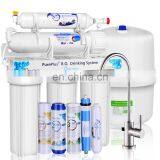
Using a reverse osmosis (RO) water purifier offers numerous benefits, including the removal of a wide range of contaminants, such as arsenic, fluoride, and cysts. These systems are effective at removing impurities while retaining essential minerals, providing you with clean and safe drinking water. Many RO systems are also compact and can be installed under-sink or as a countertop model, making them suitable for various kitchen layouts. Additionally, they often come equipped with a TDS meter to monitor water quality, ensuring you have access to purified water at all times.
How can I improve the taste of my tap water?
Improving the taste of tap water can be easily achieved by using a water filter system. Filters designed to remove chlorine and heavy metals can significantly enhance the flavor of your drinking water. Options like a water filter pitcher or a countertop water purifier can provide you with filtered water that tastes great. Additionally, investing in a filter with an elite filter option can ensure longer-lasting performance and better taste. Monitor your water level and replace filters as needed to maintain optimal water quality.
What is the difference between a countertop water filter and an under-sink system?
The primary difference between a countertop water filter and an under-sink system lies in their installation and space requirements. A countertop water filter sits on your counter and is easy to install, making it ideal for those who may not want permanent modifications to their plumbing. In contrast, an under-sink system is installed beneath the sink, providing a more discreet solution while saving counter space. Both options can effectively purify water, but your choice may depend on available space and personal preference for aesthetics. Additionally, many under-sink systems offer advanced filtration capabilities, including multi-stage processes for comprehensive purification.
How often should I change the filter in my water purification system?
Changing the filter in your water purification system is crucial to ensure optimal performance and water quality. Most manufacturers recommend changing the filter every 6 to 12 months, depending on the type of filter and usage. For systems with filter replacements designed for easy installation, this process can be quick and hassle-free. Monitoring your water taste and performance can also be indicators of when it’s time to change the filter. Regular maintenance will help you avoid contaminants and ensure that you always have access to clean, filtered water.
Can a water purifier remove viruses and bacteria?
Yes, many water purifiers are designed to effectively remove viruses and bacteria, which are common contaminants in untreated water sources. Systems that utilize UV purification or advanced filtration methods are particularly effective at eliminating these harmful microorganisms. A gravity-fed water purifier can also provide safety from pathogens, especially in backcountry settings. When selecting a purifier, be sure to check its specifications and certifications, such as NSF approval, to ensure it meets safety standards for virus removal. This will give you peace of mind that your drinking water is safe and clean.