Touch Screen Insights & Buyer's Guide
The rise of touch screen has radically changed the interaction with many devices and gadgets to the point that it is hard to imagine life without them now. From all kinds of smartphones and tablets to public booths and household appliances, touch screen devices have changed the way people search for information, communicate, and carry out all activities. The current article looks at the interesting origin and the use of touch screen technology in different sectors, as well as recent developments in this area. If you are somebody who is into technology, a consumer who likes to know more, or even a person who has an interest in user interface, in this blog post, you will get an overview of how touch screens have altered the relationships between men and machines, and what else can be expected in this fast-developing area.
The History of the Development of Touch-Sensitive Technology
Early Advancements and Achievements
The evolution of touch screen technology is characterized by different spectacular and landmark efforts of the industry. Below is a brief history of this technology with main events presented in historical perspective:
Touch screen technology first emerged in the 1960s when E.A. Johnson from the Royal Radar Establishment, United Kingdom, designed one. It was a capacitive touch screen which set a platform for the latter developments.
In the 1970s, people were introduced to the resistive touch screen, another important innovation that introduced touch input as pressure. Resistive touch technology improved over the years, and became widespread due to its low cost and ease of use, especially in kiosks and primitive personal computers and devices.
The ten years between 1980 and 1990 played host to the development of surface acoustic wave technology, which used ultrasonic waves for touch detection, and was an improvement in terms of durability and clarity over past technologies.
These developments further revolutionized the field of touch screens, especially because they created a pathway to these advanced touch screen systems used in this century.
Types of Touch Screen Technologies Over the Years
The development of touch screen technology included enhancement and integration of all touch inputs. At first, resistive touch screens were the most common type, known for registering any type of touch, such as tagged gloves or stylus input. However, as the technology evolved, resistive touch screens were replaced by capacitive touch screens, which provide a less interrupted user experience as touch is registered with any conducting object, e.g., fingers. Capacitive technology became popular with all the other modern touch interface devices, providing possibilities for multi-touch – a breakthrough for interactivity of devices. Still another important technology was infrared touch screen, where touch points were detected using unlike microwaves for image sensors, invisible rays which are durable and clear. There was also an addition to that surface acoustic wave technique, as it also has advantages of being crisp and precise without the use of conductive material. Thus, the presence of such differences in structure and operable touch devices has enriched the market as each of the technologies possesses the inherent strength and operational disadvantages in its unique way.
Key Players in Touch Screen Development
The technology behind touch screen devices has evolved over the years, but this would not have been possible without industry players who have invested in innovation and taken the first steps to obtain a new technology. For instance, companies such as IBM and Hewlett-Packard were some of the first to incorporate touch technology in their products, such as IBM’s Simon Personal Communicator, which was regarded as one of their first smartphones that used a touch screen. When Apple, in 2007, released the iPhone with the capacitive touch screen, it revolutionized the mobile phone industry. Of course, Microsoft delivered some substantial contributions as well, especially the exposure of the Windows Touch interfaces on specific types of operating systems, meaning the touch screen monitors and notebooks had more utilities. In terms of production of touchscreen solutions, it is worth noting such companies as LG and Samsung, which have reached significant developments in liquid crystal and organic light-emitting diode (OLED) touch screens, such as improving screen resolution, reaction time, and lowering consumption of energy. It is these key players that have made the technological breakthroughs we enjoy today, as well as the use of touch screens easy to adopt in any market sector.
Types of Touch Screens
Resistive Touch Screens
Among the various touch screen systems, resistive touch screens are an early adaptation - they depend on pressure to operate. These screens contain several tiers, whereby two thin flexible clear sheets are placed in parallel separated by a small gap. When a user presses down on the surface of the screen, the two sheets touch each other thus registering the touch points on the device. This form of touch screen technology is robust and flexible because it can be operated using any input device such as a stylus or even a gloved hand. Resistive touch screens find applications where high levels of accuracy are required, for example in industrial touch screen displays, POS systems and information kiosks. Resistive touch screens, although outperformed by tablets in many portable electronic devices, have not lost their place in applications where high precision and stability are significant requirements.
Capacitive Touch Screens
A Touch Screen Interface finds considerable usage due to its easy and efficient nature. Touch screens do not require the use of touch physically, as is the case in resistive touch screens; capacitive touch screens function by altering electric fields around the screen where there’s interference from a conductive object (human finger). These overlays contain an electric current coming from a finger or another metallic device. The result is an enhancement which allows a user to execute standard and more elaborate gestures that make use of more than one touch simultaneously. Capacitive touch screens have found extensive usage in the field of consumer gadgets such as mobile phones, tablets, and computer devices because using such touch screens does not compromise the user and, in fact, it enhances precision and sensitivity. Additionally, the progress of technology in capacitive touch screen systems has seen the creation of elegant, lightweight, thin panels for touch screens that give off beautiful colors and are of high quality, the best available for touch screen monitors and interactive display screens.
Comparative Analysis of Touch Screen Types
Each type of touch screen technology offers its benefits and drawbacks that make them more appropriate for one situation or another. The resistive touch screens are strong, conservative touchpads which are best fit for such environments where high accuracy and robustness matter. They can also accept touches from many different objects, but they do not support gestures or multiple touches like capacitive touch screens do. Instead, capacitive touch screens allow more enjoyable and smooth interactions with the device because they can detect many fingers touching the screen simultaneously. Such screens are thus more popular among consumer gadgets and devices that have advanced touch input. However, it should be noted that since these screens rely on the use of conductive material, they can’t be used with non-conductive materials such as gloves. Also, with the advancement in the field of technology, alternative systems are developed keeping in mind the basic requirements, which benefit, like impeccable clarity, is maintained along with durability in the case of infrared and surface acoustic wave approaches. However, the preferred technology is generally chosen based on the functional requirements of the display application, following criteria including as well as cost, desired user experience, and the external environment.
Applications of Touch Screen Technology
Healthcare: Revolutionizing Patient Interaction
Health care delivery has undergone a noticeable change in recent years with the application of touch screen technology, which has made patient care delivery more engaging and enabled health practitioners throughout their tasks. Health care practitioners in today’s facilities utilize touch screen monitors and displays for various purposes, which may include patient registration kiosks as well as high-tech medical/diagnostic machines, etc. These models are designed such that health workers can easily pull up the patient’s record, fix appointments, and even adjust or control medical equipment effectively. Capacitive touch screens have removed the necessity of input tools like styluses to a great extent, as such touch screens are used in the field of medicine for easy access to large chunks of data. The muscle of the body is figured extremely well whilst carrying out different medical procedures to reduce errors as much as possible, but mainly in engaging with patients in which immediate repair instructions and feedback are presented. More so, Industrial touch screen series that can help with the problems in busy environments will even make them multiply in clinical as well as non-clinical spaces that would probably have occupations with heavy utilization.
Retail: Enhancing Customer Experience
The propane gas and other natural gas agencies have included the concept of a touch screen in their consumer services and marketing methods. Retail outlets have now reached the level of sophistication where they use screens and kiosks to immerse the customers into a new experience of browsing their products or making use of the equipment available. Most touch screens are made on the basis of capacitive technology, which allows users to place several fingers on it at one time to zoom images, swipe through pages of the catalog, or address compatibility issues on products, or even more significantly, help in revenue increase. Screens have also been transformed into alternative forms of transaction; this is to say that customers are not only served promptly, reducing the lines formed by customers, but also products and services are dispensed in a user-friendly and quick manner. Finally, the versatility of touch screens cannot be ignored in mobile billboards as well, and this is because flat screens are integrated in creating graphs that implore viewers to take action. In other words, the adoption of touch technologies kiosks within red laser installations serves to increase the turnover and internal processes efficiency but as well as aims to create a shopping environment that is less hostile and more engaging and interactive to customers.
Education: Interactive Learning Environments
When it comes to education and training, touch screen technology has transformed the teaching and learning process for students and teachers. Traditional chalkboards have been replaced by touchscreen monitors and interactive whiteboards built with capacitive touchscreen technology in learning and teaching. In teaching, this type of technology helps instructors explain lessons, show movies, add marks on the surface, and involve learners by taking them through interactive activities, among others. Moreover, interaction through touch screens has drastically enhanced the involvement of many learners as they perform different activities together, hence promoting cooperation and working in groups to solve problems. Furthermore, touch screen panels are now embedded in education tablets and laptops, giving students opportunities to do research and use e-books. These devices are helpful as they accommodate those students who are visual learners as well as those who are kinesthetic or auditory, thereby enhancing learning. The application of touch screen modernizing education makes the process of education more attractive to the students, and also, they will be prepared for future advanced gadgets.
Automotive: Driving Future Interfaces
Touch screen shows how automotive looks will evolve in the future. Automobiles with touch screen technology are the trend, and this is simply because touch screens make it super easy for the autopilot driver and the passengers to operate the systems on a full-time basis. In today’s cars, most drivers use and appreciate the infotainment touchscreens, which slightly take the place of other assets such as air conditioning and ventilation. Automakers also use capacitive screen machines because they are faster, and can be made to operate any modern touch so as to enable drivers to perform operations such as zoom maps, change settings, and find data in the car with ease. There will be more improvement in the production of the touch panels in cars since it will be able to provide a better-looking and more contemporary control panel that will make the existence of scattered controls simple and easy to use. However, soft-touch screen evolution in motoring brings more than elements of change in automobiles, for instance, the prospect of widespread introduction of flexible screens that will be capable of adjusting to limiting comfort or relaxation while driving. In the dynamic development of the automotive sector, touch screen devices are the current frontier in the transformation of in-car user experience and the paradigm of vehicular interaction.
Frequently Asked Questions (FAQs)
What are the different types of touch screen technologies?
There are several types of touch screen technologies, including capacitive touch, resistive touch screens, and infrared touch screens. Capacitive touch screens are widely used in smartphones and tablets due to their high responsiveness and support for multi-touch gestures. On the other hand, resistive touchscreen monitors are often found in industrial and medical applications because they can be used with gloves and styluses. Each type has its advantages and disadvantages, making them suitable for specific applications. Understanding these differences can help you choose the right touch display for your needs.
What is a resistive touch screen monitor?
A resistive touch screen monitor is a type of touch screen that uses a resistive layer to detect touch. When pressure is applied to the screen, the resistive layers make contact, triggering a touch event. These monitors are generally less expensive than their capacitive counterparts and are excellent for environments where users may need to wear gloves or use styluses. They are commonly used in industrial settings and kiosks due to their durability. However, they typically support only single touch and have lower clarity compared to capacitive touch screens.
What are the advantages of a capacitive touch screen panel?
Capacitive touch screen panels offer several advantages over resistive touch screens. They support multi-touch functionality, allowing users to perform gestures such as pinch-to-zoom. Their sensitivity to touch events means that they can detect a touch from a bare finger without needing pressure, making them easier to use for many people. Additionally, capacitive touch screens typically provide better image clarity and are more responsive than their resistive counterparts. However, they may not work as effectively with gloves or styluses, which can limit their use in certain environments.
What are portable touchscreen options available today?
Portable touchscreens come in various forms, including tablets and portable touch monitors, which are designed for ease of use on the go. These devices often utilize LCD technology, providing clear displays and vibrant colors. Some portable touchscreens are designed with sunlight-readable features, making them suitable for outdoor use. Additionally, many of these devices support multi-touch capabilities, enhancing user interaction. When selecting a portable touchscreen, consider its battery life, size, and compatibility with touchscreen drivers to ensure it meets your needs.
How does a touch screen digitizer work?
A touch screen digitizer is an essential component that translates touch events into digital signals that the device can understand. When you touch the screen, the digitizer detects the position of the touch event and sends this information to the device's processor. This process enables the device to respond accurately to user inputs. Digitizers can be found in both capacitive and resistive touch screens, with each type working differently to detect touch. Understanding how a digitizer works is crucial for troubleshooting touch screen issues and ensuring optimal device performance.









 Contact Platform Support
 Help Center
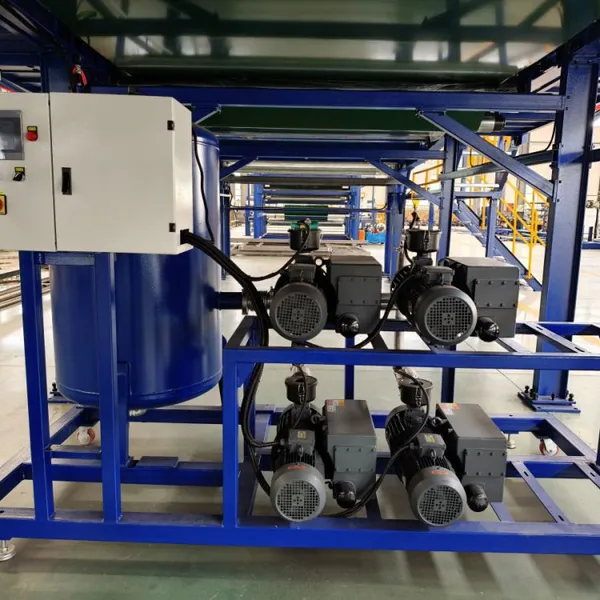 Automatic CIPP Liner Machine 100m Roving Capacity and Touch Screen PLCNegotiableMOQ: 1 PieceType: CIPP Liner Production MachineRoving Capacity: 100mControl System: Touch Screen PLCOperation: AutomaticQingdao Yongke Machinery Co.,ltd
 1 Yr
1 Yr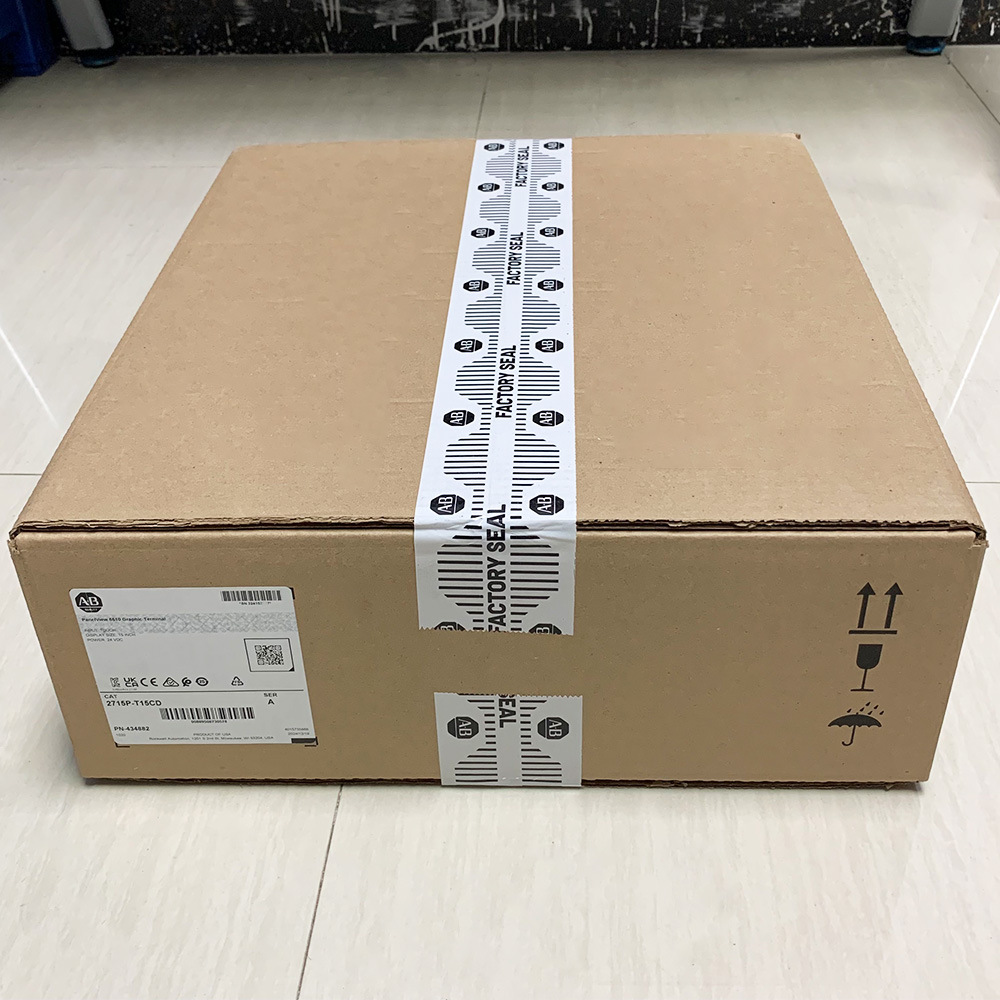 2715P-T15CD Touch Screen Rockwell Allen-Bradley New 2715PT15CDNegotiableMOQ: 1 PieceBrand Name: Allen-BradleyModel Number: 2715P-T15CDRossonix Co.,limited
 Plastic Pellet Dryer Featuring Stainless Steel Construction and Touch Screen OperationNegotiableMOQ: 1 SetApplication: Other, Plastic Injection Molding, ExtrusionMaterial: Stainless Steel (304)Capacity: Customizable (e.g., 50-500 kg/hour)Control System: Touch Screen OperationDeqing Leixin Coating Equipment Co., Ltd.
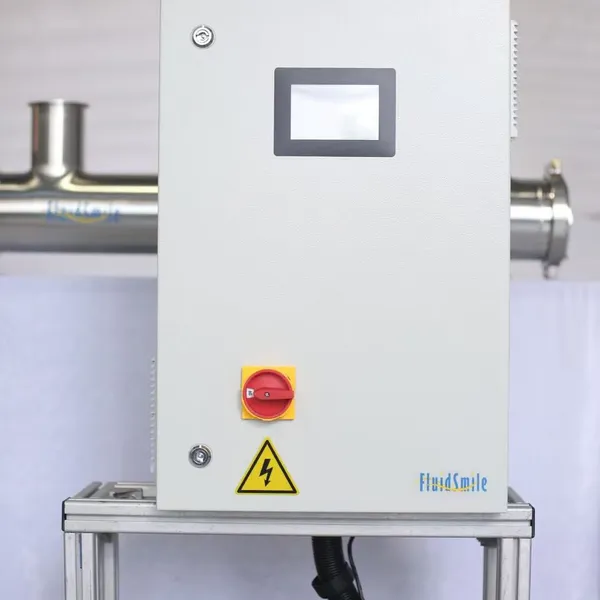 UV Magic Food Grade Disinfection System With Touch Screen and Lamp Life PredictionNegotiableMOQ: 50 SetsCertification: Other, Compliant with food safety standardsBrand: Shanghai CAMPApplication: Food processing industry disinfectionInterface: Touch screen control panelShanghai CAMP Environmental Protection Technology Co., Ltd.
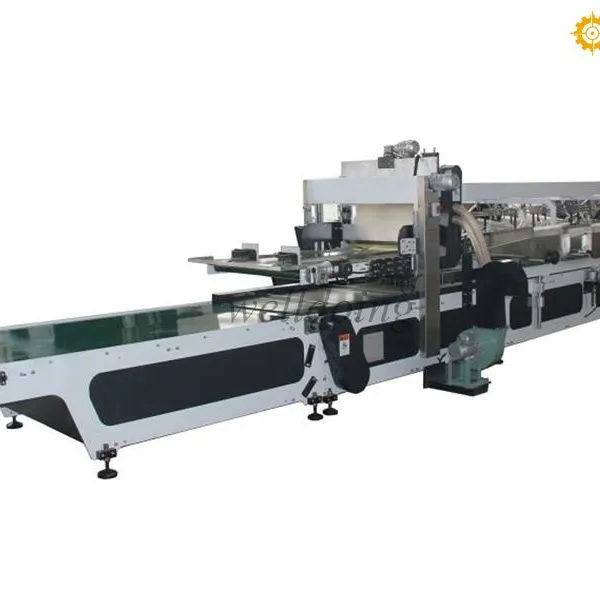 Touch Screen Partition Assembler MachineUS$ 19000 - 30000MOQ: 1 SetType: Carton Packaging MachineryCertification: ISO9001Warranty: 1yearAutomatic Grade: AutomaticCang Zhou Welldoing Trade Co.,Ltd.
 1 Yr
1 Yr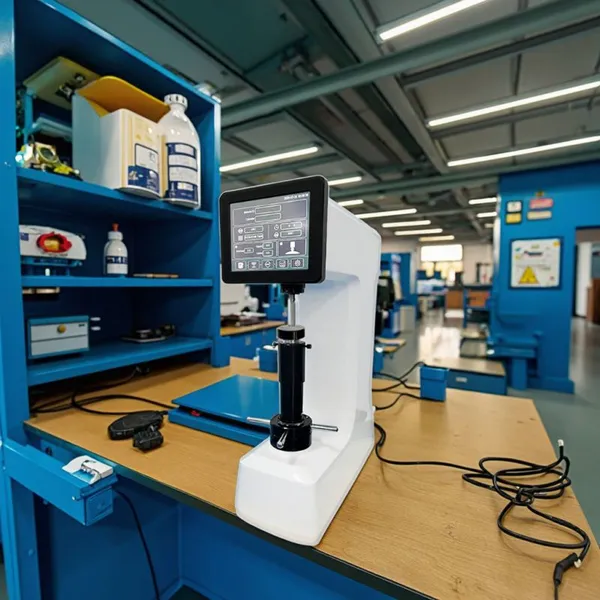 HST-HRS150T Touch Screen Rockwell Hardness Tester Touch Screen Digital Display,Electronic DrivenUS$ 1280 - 1480MOQ: 1 SetAccuracy: ≤±1%brand name: HSTplace of origin: Shandong, ChinaHst Group Co.,ltd.
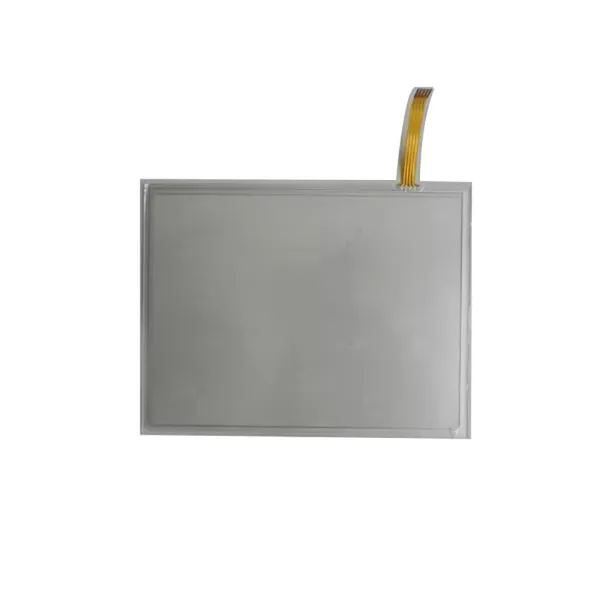 451597 PX Touch Screen 451702 PXR Touch Screen for Hitachi PX PXR Inkjet Coding PrinterNegotiableMOQ: 1 PieceUsage: Other, Touch Screen ReplacementAfter-sales Service: Online Technical SupportCategory: Other, Touch ScreenCompatible Brand: For HitachiGuangzhou Zichen Inkjet Printer Co., Ltd
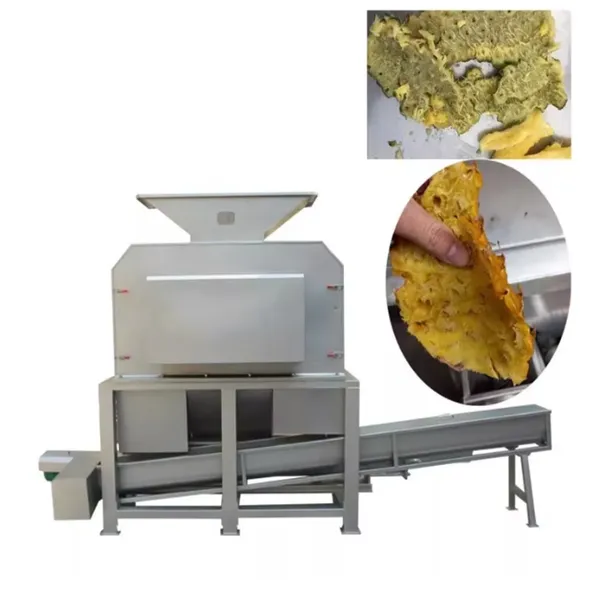 Touch Screen Vacuum Degasser Equipment for PromotionUS$ 5000.00 - 5500.00MOQ: 1 Setprocessing: Degasservideo outgoing-inspection: Providedmachinery test report: Providedcore components: PLC, Engine, Bearing, Motor, Pressure VesselZhangjiagang Genyond Machine Co Ltd.
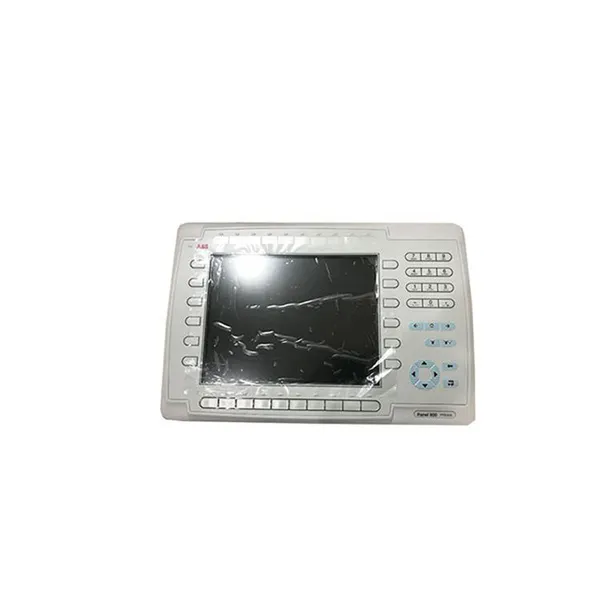 PP846 3BSE042238R1 Touch Screen Controller DS200TCPDG1BECUS$ 3905.00MOQ: 1 PalletI/O Number: PP846 3BSE042238R1Place of Origin: AmericaCommunication Interface: ModubusProduct name: Touch screenXiamen Xiongba E-commerce Co., LTD
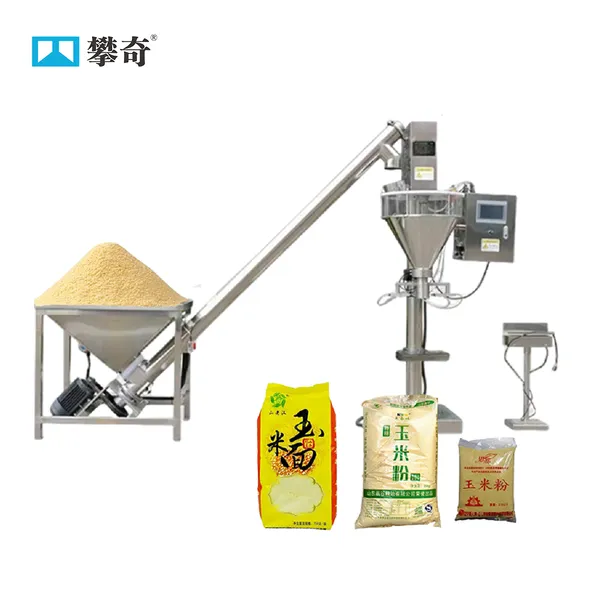 Industrial Coffee Powder Packaging Machine With Touch Screen InterfaceNegotiableMOQ: 1 PieceApplication: Other, Coffee Powder PackagingOperation Interface: User-friendly Touch ScreenProduction Capacity: 20-50 bags/minuteCertification: ISO9001 CertifiedHenan Panqi Heavy Industry Technology Co., Ltd.
 Touch Screen Panel Electric Kettle(Wechat:13510231336)NegotiableMOQ: 2000 PiecesCertification: CEWuhan Kebaite Technology Co,.ltd
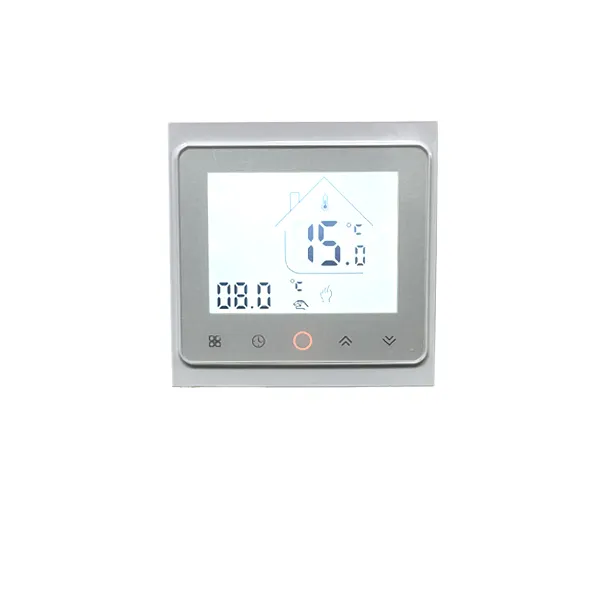 Intelligence WiFi Function Touch Screen Temperature ThermostatUS$ 12 - 28MOQ: 10 PiecesWarranty: 2 Yearstype: Temperature Controllermodel number: OEMAnhui Youyu Electric Heating Equipment Co., Ltd.
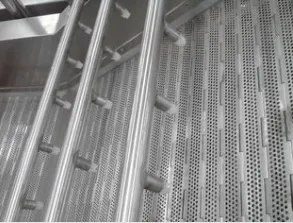 220V Beverage Bottling Machine With Touch Screen InterfaceNegotiableMOQ: 1 SetVoltage: 220V ACInterface: Touch ScreenApplication: Beverage BottlingMaterial: Stainless SteelShandong Gongda Intelligent Equipment Co., Ltd.
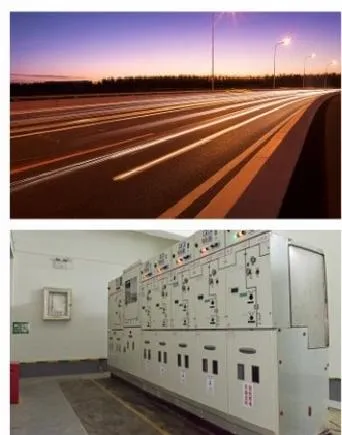 Hot Sale Customized Electrical Cabinet With PLC Control and Touch ScreenNegotiableMOQ: 1 SetType: Distribution BoxXiAn Wisdom Computer Info&tech Co., Ltd
 00PSG000281600 CEPL130595-01-R Carrier 30XAXQXW Touch Screen Display PanelCNY 800 - 9900MOQ: 1 PieceBrand Name: CarrierPlace of Origin: ChinaModel Number: 00PSG000281600 CEPL130595-01-R Carrier 30XAXQXW Touch Screen Display PanelCertification: CEDongguan Shun Chi Mechanical And Electrical Equipment Co. , Ltd.
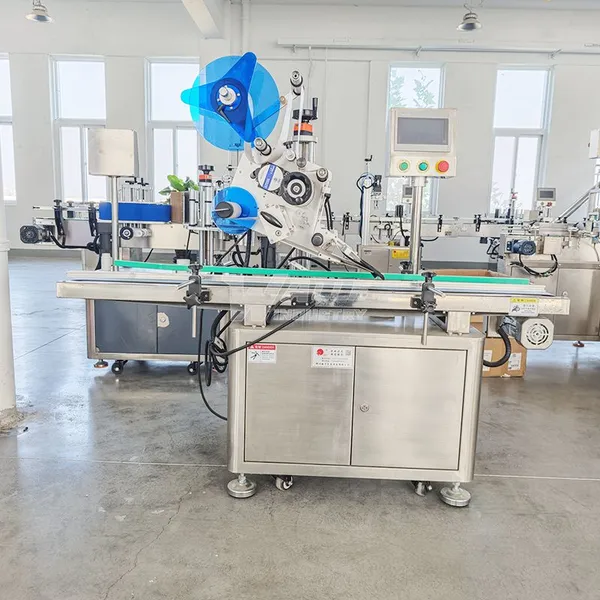 Intelligent Granule & Powder Packaging Machine Touch Screen Control Packing EquipmentUS$ 9880MOQ: 2880 CombosPackaging: BagWarranty: 1 yearAutomatic Grade: AutomaticPackaging Material: Composite MaterialsHenan Walle Industry Co., Ltd
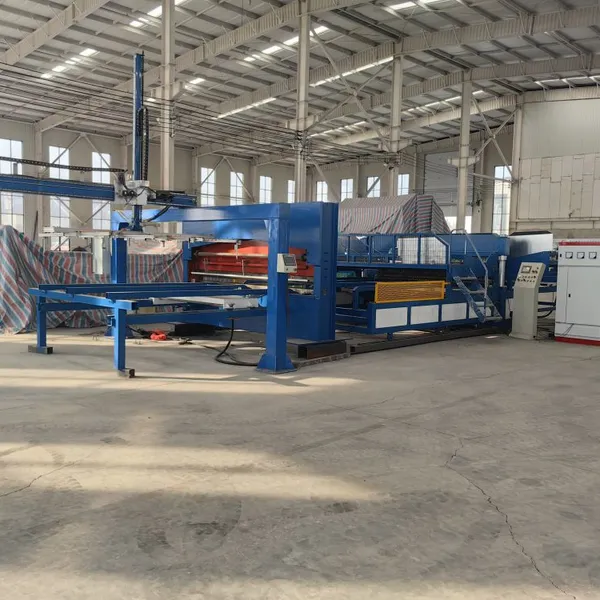 Barbed Wire Machine With Touch Screen Control for Custom ConfigurationsNegotiableMOQ: 1 UnitControl System: Touch Screen PLC Control PanelMain Function: Barbed Wire Production with Custom ConfigurationsWire Material Compatibility: Galvanized Steel Wire, Mild Steel Wire, etc.Barb Spacing Customization: Adjustable from 50mm to 200mmHebei Jinlongyu Import And Export Trade Co., Ltd.
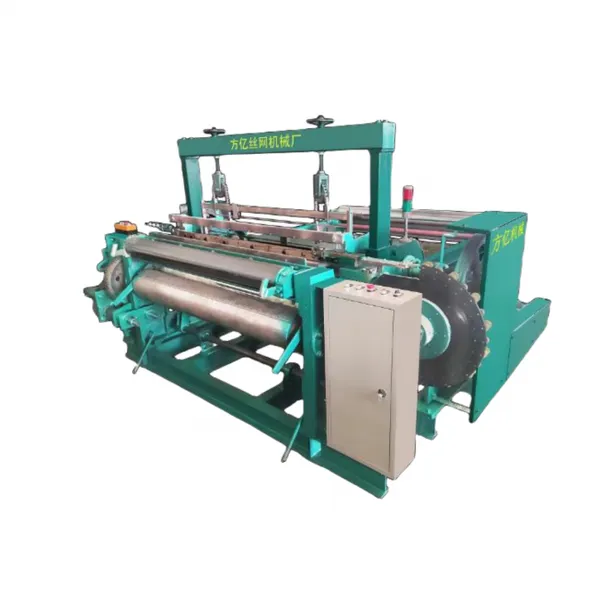 Wire Mesh Machine With Servo Motor and Touch Screen InterfaceNegotiableMOQ: 1 PieceCertification: Other, ISO9001Drive System: Servo Motor ControlInterface Type: Touch Screen OperationApplication: Industrial Wire Mesh ProductionAnping Kexing Wire Mesh Manufacturing Co., Ltd.
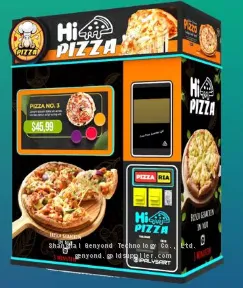 Fully Automatic Smart Touch Screen Pizza Vending MachineNegotiableMOQ: 1 SetBrand Name: genyondPlace of Origin: ChinaAfter-sales Service Provided: Overseas third-party support availableCondition: NewShanghai Genyond Technology Co., Ltd.
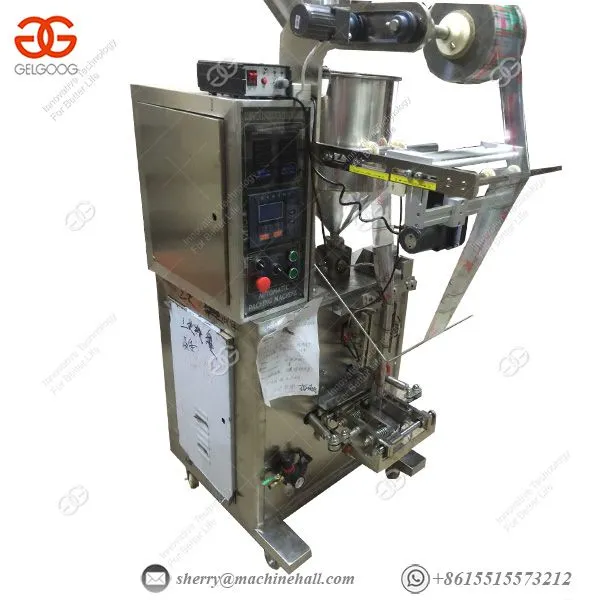 Juice Filling Machine With Touch Screen Sauce Packing MachineNegotiableMOQ: 1 SetAfter-sales Service Provided: Engineers available to service machinery overseasCertification: CEHenan Gelgoog Machinery CO,LTD
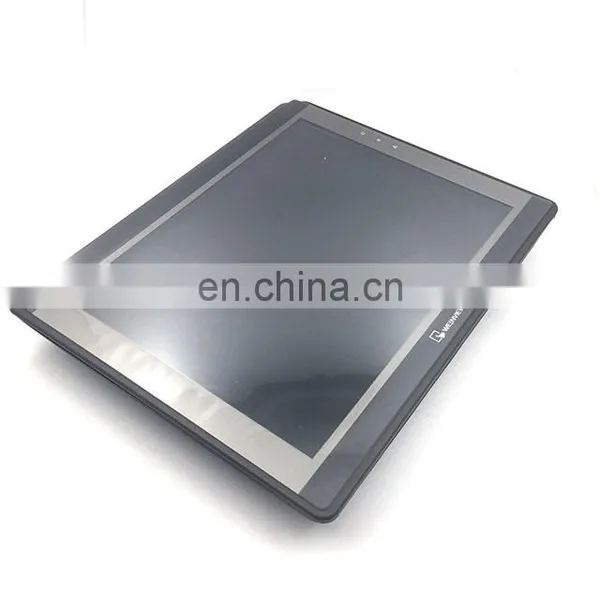
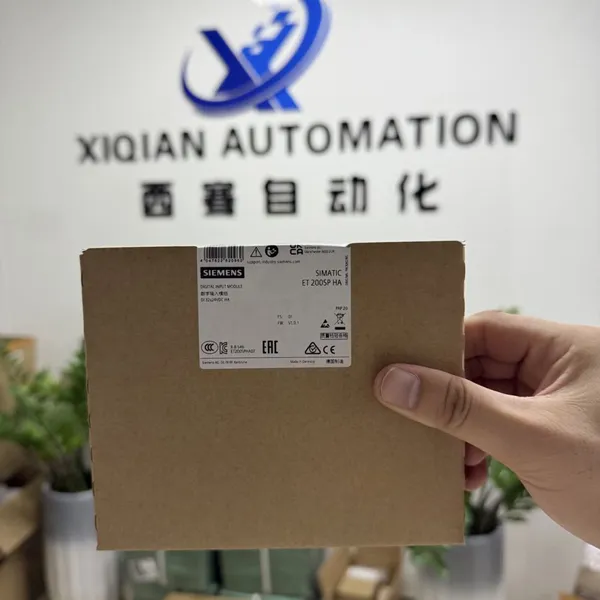 For Siemens Simatic OP177B HMI Touch Screen 6AV6642-0DC01-1AX1US$ 399 - 499MOQ: 1 UnitFunction: Automatic ControlOrigin: germanyShanghai Xiqian Automation Technology Co., Ltd.
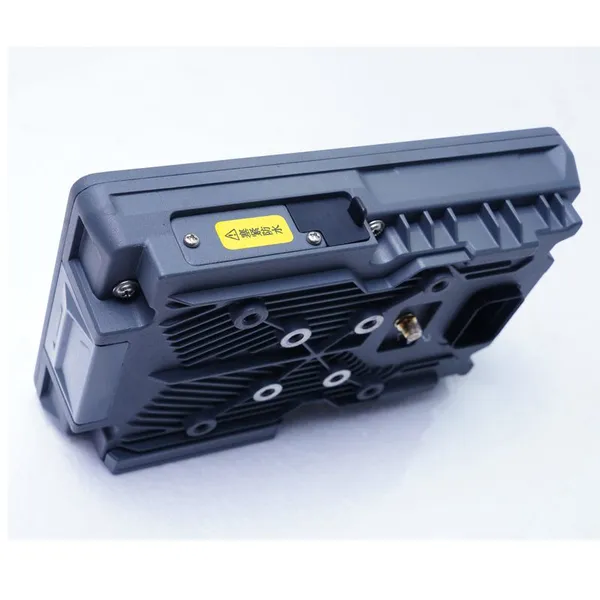 140703000022B Touch Screen SEED-7I0A-55(10TS) Excavator Engine Display Screen Monitor for Sany ExcavatorUS$ 6311.34 - 7012.60MOQ: 1 PieceWarranty: UnavailableCondition: NewVideo outgoing-inspection: ProvidedHS Electrical Technology Co,LTD
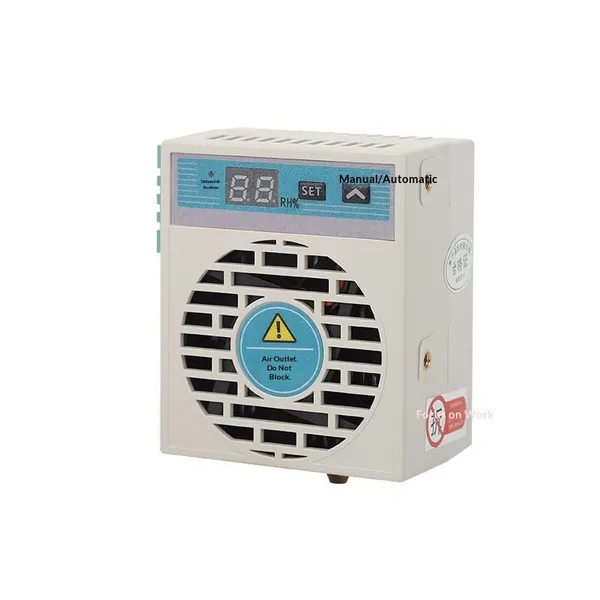 Intelligent Dehumidification Controller for High-voltage Switchgear Cabinet With Touch Screen and Standard Compliant DesignUS$ 13 - 30MOQ: 10 PiecesMaterial: ABS + Metal AlloyDisplay: 7-inch Capacitive Touch ScreenWorking Voltage: AC 110V-240V / DC 24VHumidity Control Range: 10% – 90% RHJinhua Dika Electrical Equipment Co., Ltd.
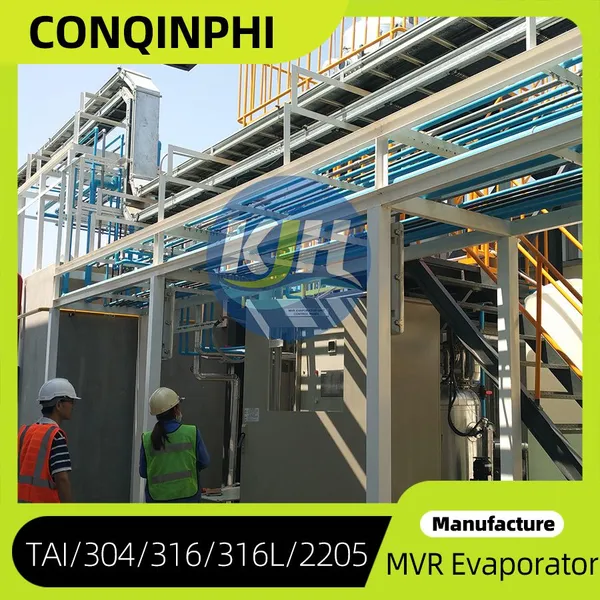 MVR Evaporation System With 3-Stage Compressor and Touch Screen PLC for 95% Energy SavingUS$ 6280 - 879000MOQ: 1 ComboApplication: Other, Wastewater treatmentMaterial: Stainless Steel 316L / 304Evaporation Capacity: 500 – 50,000 kg/h (customizable)Compressor Type: 3-Stage Centrifugal CompressorQingdao Conqinphi Environmental Technology Group Co., Ltd.
 Gloves Manufacturer Wholesales Fashion Women Winter Warm Touch Screen PU Leather GlovesUS$ 1.1 - 1.5MOQ: 100 PairsMaterial: VelvetColor: Other, black gray blown pinkGender: UnisexSize: LHebei Dishixiao Gloves Manufacturing Co., Ltd.
 Import Coordinator placed an order for Fully Automatic Touch Screen Dielectric Oil Breakdown Voltage Tester, Transformer Oil BDV Test Kit2026-08-11 05:17:16
 Procurement Lead requested specs for Touch screen for ipad2026-08-09 07:40:59
 Purchasing Director submitted an RFQ for 12 layers of flexible multi-layer,soft hard combined FPC,Mobile phone motherboard, touch screen12 hours ago
 Procurement Specialist requested a quote for Touch screen thermostat plastic cases with large LCD display, plastic touch screen cases2026-08-12 10:41:29
 Buyer requested a quote for Mini Screen Lcd Touch Screen Monitor2026-08-10 15:57:51
 Verified Buyer requested a quote for touch screen HMIGXU55122026-08-12 17:04:54
 Buyer inquired about Decanter Centrifuge for Dewatering Tailings, 100-200 Mesh, PLC Touch Screen Control, 0-60Hz2026-08-11 00:17:49
 Import Coordinator submitted an RFQ for Touch Screen Printer3 hours ago
 Procurement Lead requested specs for Heavy Duty Steel Smart Electronic Locker with Touch Screen for Commercial Venue Storage-Large Scale Manufacturer2026-08-12 13:49:43
 Procurement Lead verified certifications for Compact Metal Body Noodle Cooker M5A Professional Instant Ramen Machine with Induction Heating and Touch Screen Control2026-08-11 08:43:46
 Advanced Food Packing Machine With Touch Screen Control for User-Friendly OperationUS$ 76.5 - 80MOQ: 10 CombosMaterial: Stainless steelCapacity: CustomizableDimensions: Available upon requestControl System: Touch screen interfaceGoldsupplier Tests Store
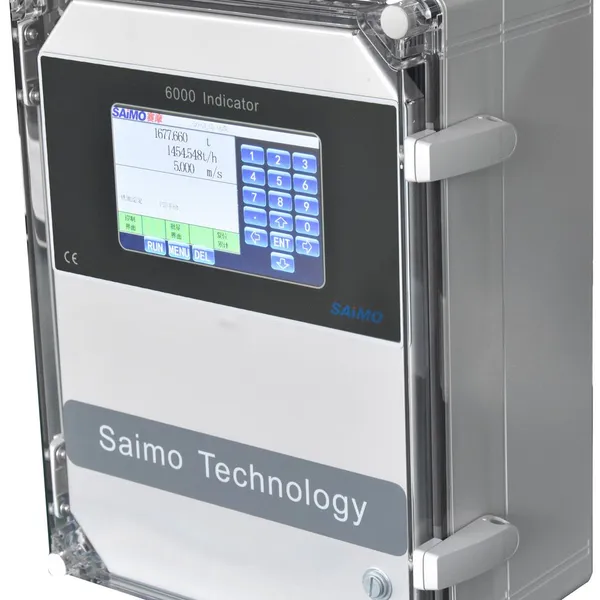 Saimo 6301F(FH-03T-6000F Touch Screen) Belt Scale IntegratorNegotiableMOQ: 1 PieceCertification: ISOApplication: Heavy IndustrialDisplay Type: LCDMeasure Method: AutomaticSaimo Technology Co., Ltd
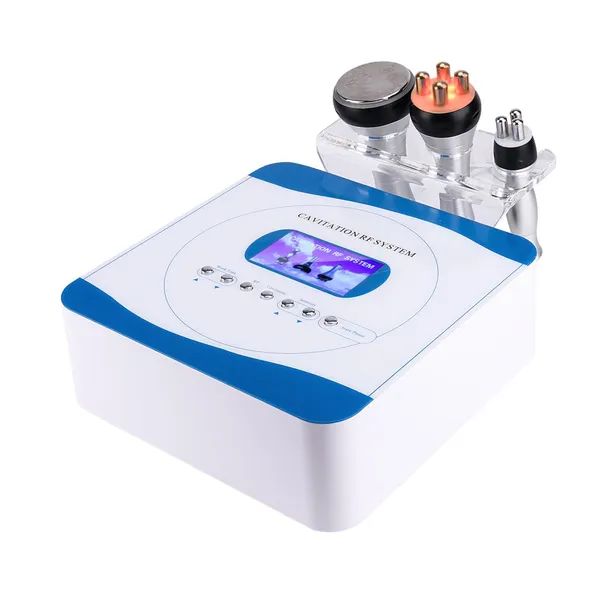 3-in-1 Cavitation RF Machine With LCD Touch Screen & Programmable SettingsUS$ 180 - 200MOQ: 1 UnitType: Other, 3-in-1 Cavitation & RF MachineApplication: Other, Body SlimmingDisplay: LCD Touch ScreenSettings: ProgrammableSolana (Guangzhou) Beauty Technology Co., Ltd.
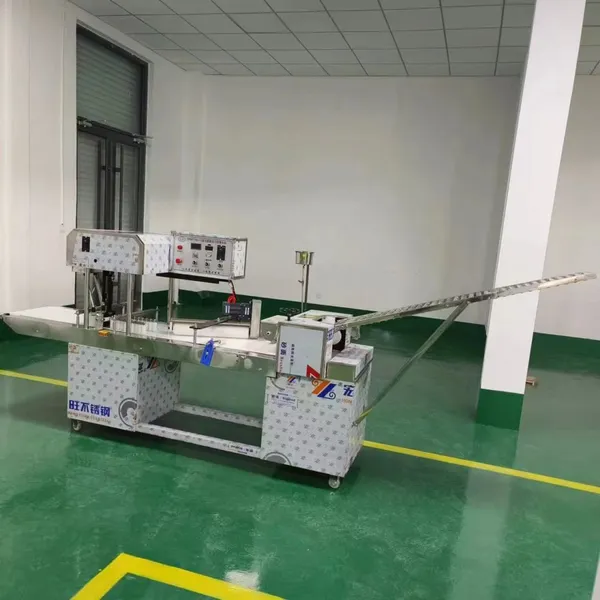 Automatic Knife-Cut Steamed Bun Machine With PLC Control and Touch ScreenNegotiableMOQ: 1 SetWarranty: One yearAfter-sales Service: Change accessoriesControl System: PLC with Touch ScreenApplication: Steamed Bun ProductionJinan Xinyuqi Food Machinery Co., Ltd.
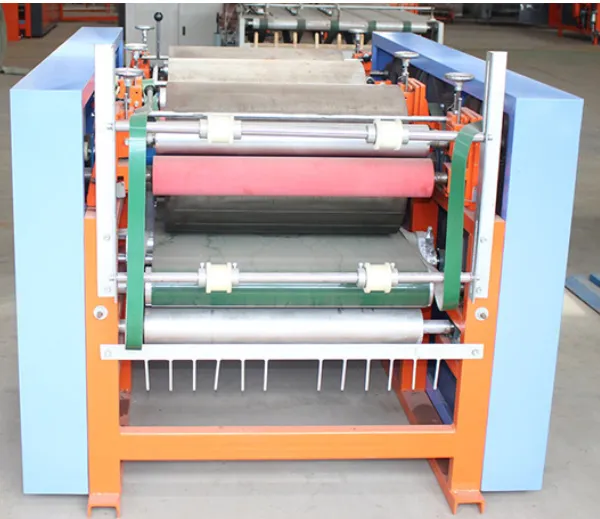 Energy-Efficient Woven PP Bag Printing Machine With Touch Screen InterfaceNegotiableMOQ: 1 SetMaterial Compatibility: Polypropylene (PP) woven bagsPrinting Technology: High-resolution digital printingControl System: Touch screen interfaceEnergy Efficiency: Reduced power consumption designXuzhou Guozi Intelligent Technology Co., Ltd.
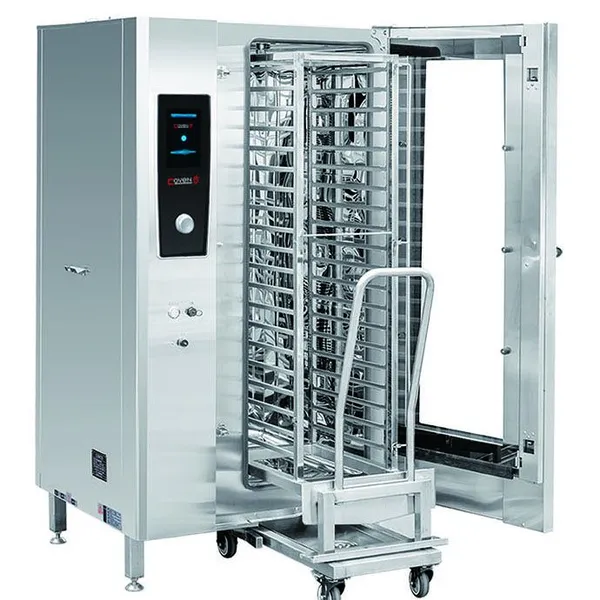 High Efficiency Touch Screen Gas Combi Oven for Restaurant Hotel Kitchen EquipmentNegotiableMOQ: 1 SetType: Other, Gas Combi OvenHeating Method: Gas and Steam CombinationControl Interface: Touch Screen PanelCapacity: Customizable to RequirementsJinan JINBAITE Commercial Kitchen Equipment Co., Ltd.
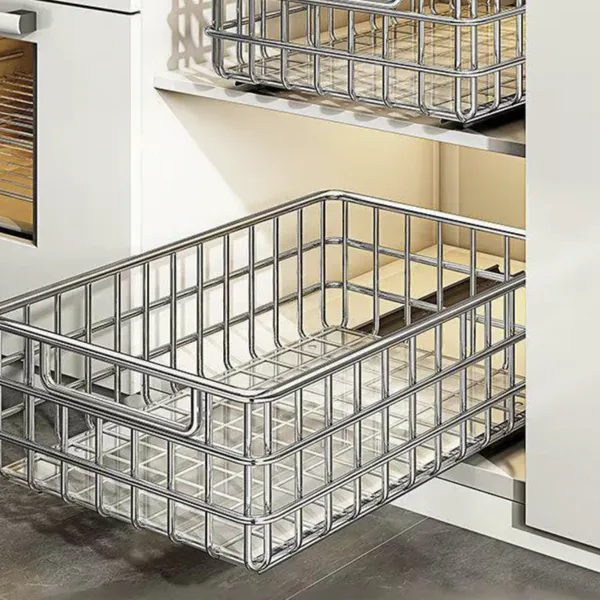 Digital Display Disinfection Container, 304 Material, 1200W, 40L, Touch Screen ControlNegotiableMOQ: 1 PieceMaterial: Other, 304 Stainless SteelApplication: Other, Medical & LaboratoryPower: 1200WCapacity: 40LAnping County Boli Hardware Wiremesh Products Factory