Copper Wire Insights & Buyer's Guide
Copper wire is crafted, and its properties are well known in the electrical world, as well as other fields. Sectors like Engineering, DIY, Telecommunications, and other similar industries require a certain level of understanding when it comes to wires and cables, especially with bare copper conductors, which is extremely helpful. This guide aims to shed light on some important bare copper wire topics, including its applications, manufacturing processes, advantages, and much more, to help you make educated decisions.
What is Bare Copper Wire and How is it Used?
What is Bare Copper and Where is It Applied?
Bare copper wire has no insulation, is highly conductive, and resists corrosion, which makes it ideal for many uses. Its natural properties, such as its outstanding abilities of flexibility and versatility, allow it to be utilized in everything from electrical systems to advanced craft wire projects. Because there is no insulation, specific measures need to be taken to ensure safety, but this same trait makes it easy to work with for specific uses, such as wire wrapping and coil formation.
More Applications in Electrical Wiring and Others
Bare copper wire is crucial for electrical wiring, power distribution, and telecommunications. In many electrical systems, it acts as a reliable conductor that allows electricity to flow properly. Apart from these other areas, it also serves useful in custom craft projects, in transformers as magnet wire, and even in automotive wiring, further showcasing its use across various fields.
Why You Should Consider Using Bare Copper in Cables
The main advantages of using bare copper in cables is its incredible conductivity compared to any other material. Being rich in copper, pure copper wire exhibits high conductivity which indicates that it is able to transmit electrical current more effectively. In addition, bare copper does not corrode and retains its features for a long period, which lends to its reliability in many environmental conditions. Its accessibility also makes it popular among professionals and hobbyists.
How is Copper Wire Manufactured?
How Pure Copper Wire is Made
Making copper wire starts with obtaining copper metal from ores and then refining it to its purest form. After the initial steps, the refining process, which involves drawing the copper into wires, must be completed. The copper wire has to be easy to work with while still being conductive. To fulfill this requirement, processes like annealing must be employed so that the copper wire retains its flexibility.
Difference Between Solid Copper and Stranded Wire
In stranded copper wire, multiple strands of copper are twisted together. This structure provides the stranded wire with increased flexibility, making it less prone to breakage. Because of these features, the stranded wire is ideal for use in appliances and automobiles that require movement. On the other hand, domestic electrical wiring uses solid copper wire, which is a single strand of copper. Solid copper wires have better conductivity and strength, which allows them to be preferred for domestic electrical wiring.
Understanding AWG and Its Significance
The American Wire Gauge (AWG) is important in the industry because it determines the thickness of the electrical wires. Understanding AWG is critical because the resistance and current capacity of the wires depend on it. For example, an 18-gauge wire is used in small household appliances because it is flexible and can carry an adequate amount of current. Knowing the right AWG for your application is critical for performance and safety.
What are the Benefits of Using Copper Conductors?
Conductivity and Efficiency Explained
The value of power conductors is significantly increased due to their specific and exceptional property of electrical conductivity, which allows for easy power transmission with negligible power wastage. This value appreciates further when considering power systems, energy costs, or efficiency of other systems, such as in telecommunications networks. Because of the metallic conductivity, copper is rewound over many metallic conductors because of its other important electrical properties and is, therefore, very relevant in critical electrical applications.
Comparing Copper to Other Metallic Conductors
In comparison to other metals like aluminum, copper has lower tensile strength and greater corrosion resistance, making copper stand out. These attributes make copper wire more durable and reliable, reducing the need for frequent maintenance or replacement. The safety of the metal in high temperature, electrically active, or surge conditions is ensured by other distinguishing attributes like a melting point.
Why Choose Copper for Electrical and Craft Applications
It's sensible to opt for copper in electrical projects and crafts, as it ensures workability and flexible applications. Soldering is can be done effortlessly and makes for a strong fused joint, favorable in any scale undertaking. In terms of crafts too, copper's ability to be shaped allows its use in wonderful forms, which makes it a favorite among many artists and jewelers looking to blend aesthetic and practical value.
How to Insulate Bare Copper Wire?
Forms Of Insulation Used For Copper Cables
Copper wire must be shielded to prevent short circuits, electrocution, or damage. A wide variety of materials, such as PVC, rubber, and thermoplastic, offer different types of protection, flexibility, and withstand different temperatures. Insulation type selection depends on application and condition parameters.
Maintaining Safety In Electrical Wiring
Electrical wiring safety is of utmost priority and utilizing insulated copper wires greatly helps with this layer of safey. Insulated copper conductors not only mitigate risk, but also ensure that copper wires have a longer lifespan by averting damage and environmental factors such as moisture and corrosive chemicals.
Ways Through Which Insulation Provides Protection From Other Factors
Choosing the correct insulation type is crucial, as it provides protection from moisture, extreme temperatures, and corrosion. Insulation is vital in maintaining the safety and functionality of electrical systems in both industrial and domestic settings.
Where to Buy High-Quality Copper Wire and Cable?
Selecting a Supplier that Meets Your Requirements
Purchasing copper wire and cable for your projects requires attention to detail. Always remember to check the supplier's reputation, product quality, and their ability to offer adequate support and consultation. A good supplier will always ensure that you receive copper wire which is pure and of high quality and seamlessly fits into your requirements.
What to Look For When Buying Copper Cables
When buying copper cables, factors such as gauge, purity, and type of insulation should be your priorities. Think of what the cable is supposed to do; is it for industrial power distribution, home electrical systems, or artistic crafting? Make sure to consider the right type, because the outcomes can be dangerous, inefficient, or both.
How To Tell If You Have Extremely Pure Copper Wire
Some of the features to check in pure copper wire include a uniform copper color, the correct weight, and smooth edges. Pure copper won’t possess magnetic characteristics, which can easily be tested. Additionally, stores like The Home Depot or certified suppliers guarantee that you will receive authentic, pure copper.
Frequently Asked Questions (FAQs)
Q: What is copper wire typically used for in electrical applications?
A: Copper wire is typically used for its high electrical conductivity, making it ideal for various electrical applications, including grounding, transmission lines, and branch circuit wiring.
Q: Why is copper often chosen over other metals for electrical wiring?
A: Copper is chosen for electrical wiring due to its highest electrical conductivity among metals, which allows efficient electron flow and minimizes energy loss.
Q: How is bare copper conductor crafted for different applications?
A: The wire is crafted by pulling metal wire through dies to create specific diameters, ensuring pliable and durable wires suitable for transmission and distribution.
Q: What role does copper play in the function of transformers and substations?
Copper has been used in transformers and substations due to its ability to conduct electricity efficiently, which is crucial for transmitting high volumes of power over long distances.
Q: How does plating affect copper wire's performance in electrical systems?
A: Plating, such as using nickel or galvanic coatings, can protect copper wire against oxidation and atmospheric corrosion, enhancing its longevity and performance in various conditions.
Q: Are there any concerns with copper wire overheating in electrical systems?
A: Copper wire is designed to handle high thermal loads, but improper installation or overloading can lead to overheating, which is why correct sizing and installation are crucial.
Q: How does copper wire contribute to the efficiency of solar panels?
A: Copper wire is used in solar panels to efficiently transmit the generated electrical current efficiently, maximizing the energy harvested from sunlight.









 Contact Platform Support
 Help Center
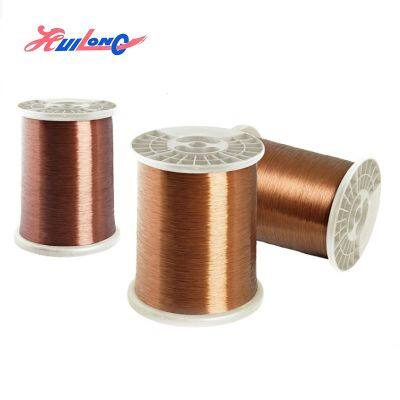 0.2 mm Copper Wire , Windings Using Enameled Copper Round WireUS$ 5.8 - 10.2MOQ: 1 KilogramType: InsulatedConductor Material: CopperConductor Type: SolidShandong Huilong Electrical Material Co.,ltd.
 1 Yr
1 Yr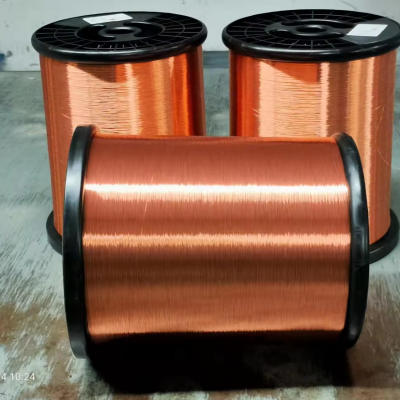 Varnish Insulated Wire,Super Enamelled Copper WireUS$ 9.90 - 10.00MOQ: 1000 KilogramsCertification: ISO9001, ROHSShape: Round WireApplication: Transformer, Electrical Equipment, MotorConductor Material: Copper WireXuancheng Rongda Electrical Technology Co Ltd
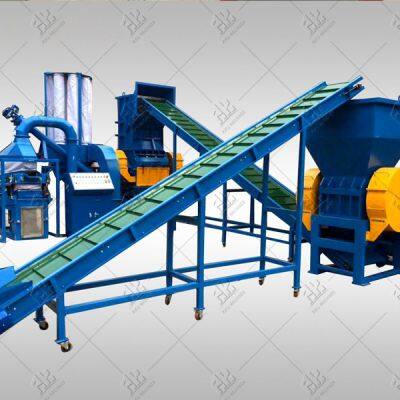 Copper Wire Granulating Line Small Copper Wire Copper Cable GranulatorUS$ 9800 - 14500MOQ: 1 SetCertification: ISO, CEWarranty: 1 yearAfter-sales Service: provided the whole lifeScrew: OtherHenan Riku Machinery Equipment Co., Ltd.
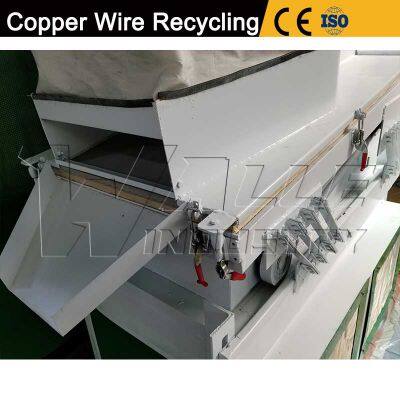 Automatic Copper Wire Recycling Machine Copper Cable Wire Granulator for Recycling WireUS$ 18600MOQ: 1 SetMaterial: Alloy SteelCertification: CE, ISODrive: ElectricUsage: MetalHenan Walle Industry Co., Ltd
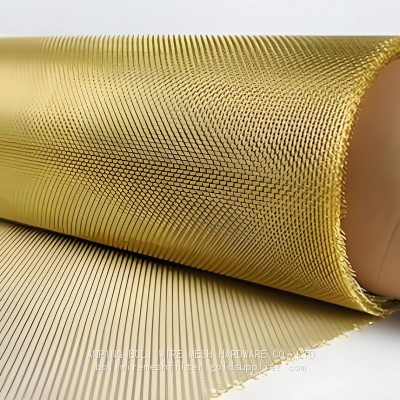 Ultra Fine Copper Mesh Screen Copper Wire Netting Copper Wire Mesh PriceUS$ 9.3 - 10MOQ: 1 MeterMaterial: Copper WireType: Primary FilterWarranty: 10 yearsApplication: Liquid Filtration, Screening, Solid-Liquid Separation, Gas-Liquid Separation, Dry Filtration, Dustproof, Gas Filtration, OtherAnping Boli Wire Mesh Hardware Co.,ltd
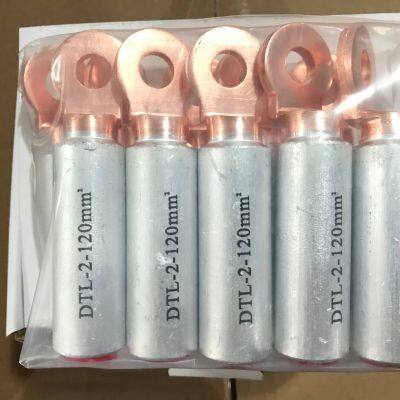 Copper Wire Connectors for Solar Panel and Renewable Energy SystemsUS$ 0.3MOQ: 1000 UnitsCertification: Other, ISO9001 certifiedMaterial: CopperSize: Customizable dimensionsConfiguration: Male/Female connectors availableJinhua Dika Electrical Equipment Co., Ltd.
 Transparent Tempered Glass Circuit Board PCB, Copper WiringNegotiableMOQ: 1 BladeDielectric: Other, High frequency and high-speed PCBTransport Package: vacuum packagingSpecification: 200x25mmOrigin: Shenzhen, Guangdong, ChinaShenzhen Chaosheng Electronic Technology Co., Ltd.
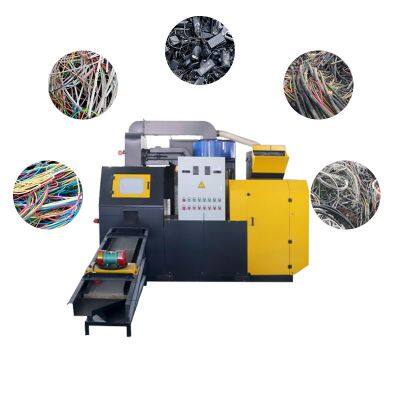 Small Copper Wire Separator, Miscellaneous Wire Copper Plastic Separator, Dry Copper Wire SeparatorUS$ 5200.00MOQ: 1 Cubic Meterplace of origin: Henan, Chinavideo outgoing-inspection: Providedcore components: MotorMachine Type: granulator machineHenan Panqi Heavy Industry Technology Co., Ltd.
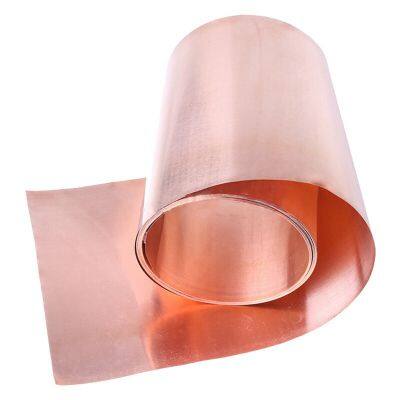 High Conductivity Copper Cu-ETP Cw004A Cw008A C11000 C10100 Copper Wire, Copper Strip, Copper CoilNegotiableMOQ: 1 TonMaterial: BrassApplication: Air Condition Or RefrigeratorAlloy Or Not: Is AlloyCu (Min): 99.99%Hemaokang Steel (Shandong) Co., Ltd.
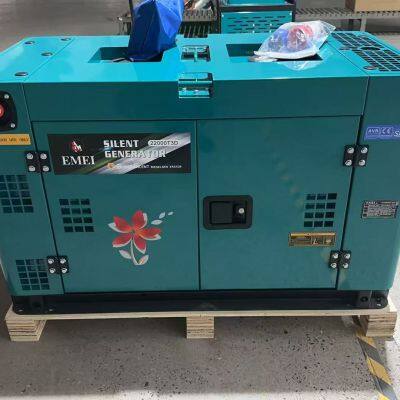 2kVA to 12.5kVA Dual Voltage Key Start Copper Wire Gasoline GeneratorUS$ 300 - 5000MOQ: 1 UnitType: Self-Starting Diesel GeneratorWarranty: 10 yearsStroke: Four StrokeUsage: Common Units, Standby Unit, Emergency CrewWuxi Zhipudun Power Equipment Co., Ltd.
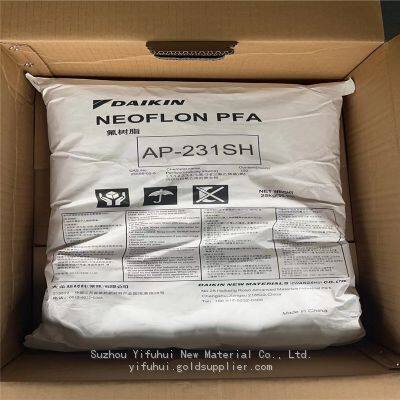 PFA for Lined Ball Valve Butterfly Valve Electric Copper Wire Cable TubeUS$ 60 - 90MOQ: 25 KilogramsBrand Name: DAIKINPlace of Origin: ChinaModel Number: AP-230Suzhou Yifuhui New Material Co., Ltd.
 For Trane Accessories: Trane Motor Coil YSK16-6CH3 YSK26-4C3 New Copper Wire StockUS$ 3300 - 8000MOQ: 1 PieceBrand Name: TranePlace of Origin: ChinaModel Number: For Trane Accessories: Trane Motor Coil YSK16-6CH3 YSK26-4C3 New Copper Wire StockCertification: CEDongguan Shun Chi Mechanical And Electrical Equipment Co. , Ltd.
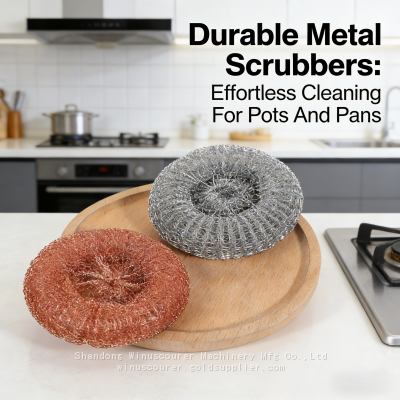 Medium Size Steel Mesh Scourer Copper Wire Mesh Scourer Multi-Purpose for Home & Industrial UseUS$ 0.03 - 0.06MOQ: 1000 PiecesMaterial: Stainless SteelQuantity: 5 PiecesUsage: Kitchen, BathCustomized: CustomizedShandong Winuscourer Machinery Mfg Co.,Ltd
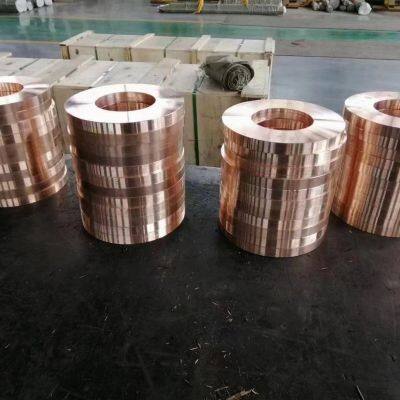 Best Price Red Copper Scrap Copper Pipe Copper Wire/Sheet/Bar Brass Copper Strip Rolled 99.9% Pure Electrode Copper Foil/CoilUS$ 5000 - 8000MOQ: 1 TonType: Other, copper coilShape: CoilColor: RedApplication: Air Condition Or Refrigerator, Water Tube, Water Heater, Oil Cooler PipeWuxi Biying Iron And Steel Co., Ltd.
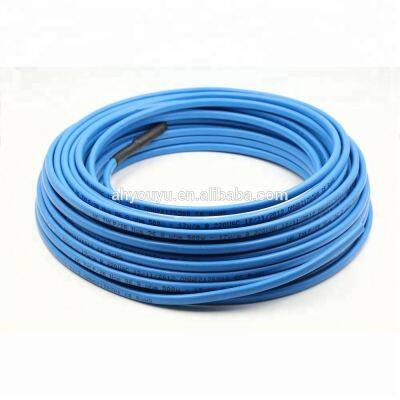 Cheap Price Best Selling Driveway Heating Systems Floor Heating Cable Scrap Insulated Copper Wire for Sale 230V 2.5m 38mmUS$ 2.11MOQ: 100 MetersCertification: ISO9001Insulation Material: XLPEJacket: PFAAnhui Youyu Electric Heating Equipment Co., Ltd.
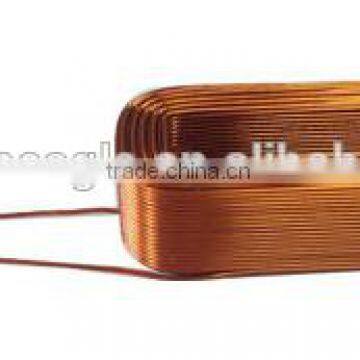 Copper Wire Rod Coil Copper Wire CoilUS$ 0.2 - 1.5MOQ: 1000 PiecesPlace of Origin: Guangdong, ChinaBrand Name: GEModel Number: GE air coilDongguan Golden Eagle Coil Co., Ltd.
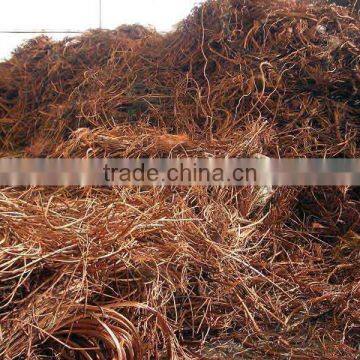 Copper Scrap / Copper Wire ScrapUS$ 5,000 - 5,200MOQ: 20 TonsPlace of Origin: PakistanBrand Name: FatehModel Number: NilType: Copper WireFateh Industries Limited
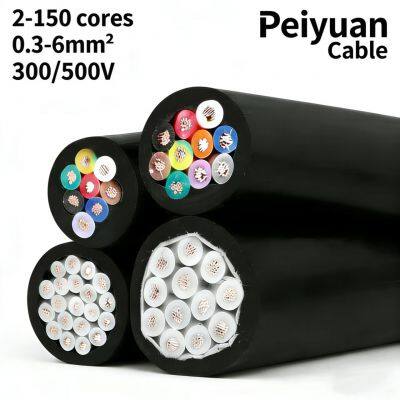 Soft Control LineNegotiableMOQ: 2000 MetersType: InsulatedCertification: ISO9001, CE, CCC, ROHS, VDEApplication: Other, control signalInsulation Material: PVCPeiyuan Cable Co., Ltd
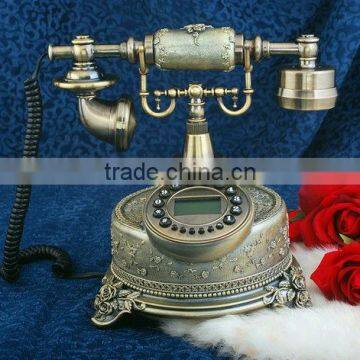 Telephone Copper Wire for Copper Retro TelephoneNegotiableMOQ: 300 SetsPlace of Origin: Guangdong, ChinaBrand Name: CheetaModel Number: CT-2102BType: Antique TelephoneShenzhen Cheeta Technology Co., Ltd.
 SCRAP Copper Wire STRIPPING MACHINE for Copper Wire PEELING RECYCLE (AWS40W)US$ 350 - 480MOQ: 5 PiecesPlace of Origin: Zhejiang, ChinaBrand Name: MASTERModel Number: AWS-40WUsage: StrippingYongkang MASTER Hardware&Industrial Tools Co., Ltd.
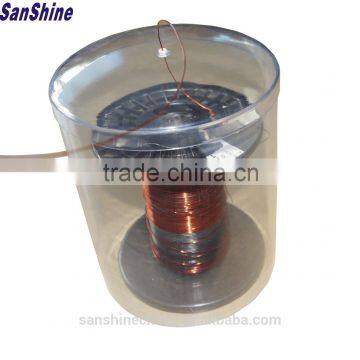 Wire Spool Barrel Copper Wire CoverNegotiableMOQ: 5 PiecesPlace of Origin: Fujian, ChinaBrand Name: SANSHINEModel Number: MTC SeriesSanshine (Xiamen) Industrial And Trading Co., Ltd.
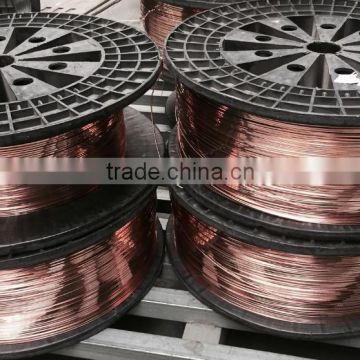 Use to Make Wire Bands Flat Copper WireUS$ 500 - 900MOQ: 1 TonPlace of Origin: Tianjin, ChinaBrand Name: Unicorn(OEM)Model Number: flat wireUnicorn (Tianjin) Fasteners Co., Ltd.
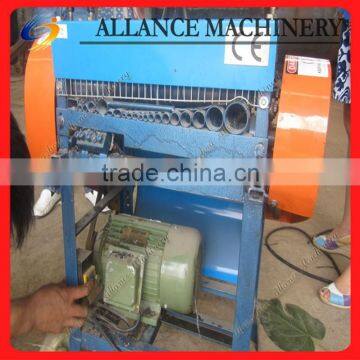 Best Scrap Copper Wire StripperUS$ 945 - 945MOQ: 1 SetPlace of Origin: Henan, ChinaBrand Name: ALLANCEModel Number: ALCWP -KOBUsage: StrippingZhengzhou Allance Trading Co., Ltd.
 Operations Head verified certifications for copper wire 4mm / copper wire mesh/ copper wire2026-05-02 19:22:56
 Business Owner placed an order for Hot sell BV Series Insulated Copper Wire Connector Terminal Blocks42 minutes ago
 Buyer verified certifications for Wenzhou Yika High Voltage Tinned Copper Wires Removable Fuselink Button Type Fuse Link2026-05-04 06:19:27
 Business Owner inquired about Yetnorson manufacture Copper Wire Cable Scrap, Wire Cables Cable Assemblies, Cabling2026-04-30 01:30:07
 Purchasing Director is sourcing Copper Wire Drawing Machine Manufacturer / Welding Wire Drawing Machine Made in China2026-05-03 16:08:33
 Business Owner is sourcing Japan and South Korea copper wire drawing squares silver plated necklace chain of clavicle paragraphs woman contracted short2026-05-01 21:31:05
 Sourcing Manager submitted an RFQ for Copper Wire Washing Machine Motor/ Washing motor / Spin Motor for washing machine2026-05-01 12:02:33
 Lead Purchaser submitted an RFQ for E-glass fiberglass cloth with copper wire reinforced2026-05-03 15:57:34
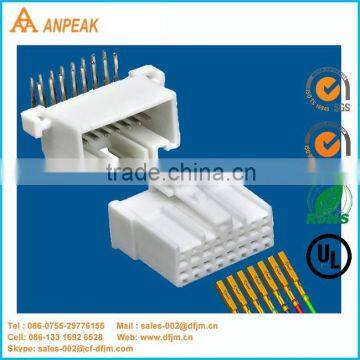 Website Selling Copper Wire ConnectorUS$ 0.2 - 0.7MOQ: 100 PiecesPlace of Origin: Guangdong, ChinaBrand Name: DFJMModel Number: DF-PC005-1, DF-PC005-1Type: Other, PCB Board automotive connectors, PCB Board automotive connectorsShenzhen Dongfeng Precision Components Co., Ltd.
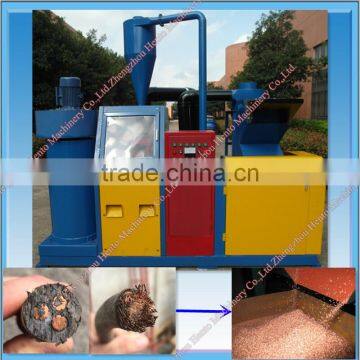 High Efficiency Copper Wire CrusherUS$ 12,000 - 15,000MOQ: 1 SetCondition: NewPlace of Origin: Henan, ChinaBrand Name: HENTOModel Number: HTO-ZLJ400Zhengzhou Hento Machinery Co., Ltd.
 Refrigerator Copper Wire Tube EvaporatorUS$ 2 - 8MOQ: 100 PiecesPlace of Origin: Hubei, ChinaBrand Name: TJModel Number: E-11Condition: NewJingzhou Taijia Refrigeration Equipment Co., Ltd.
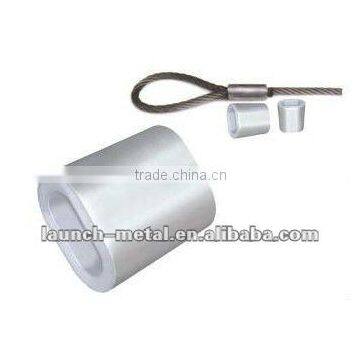 ALUMINIUM AND Copper Wire ROPE FERRULES,WIRE ROPE ACCESSORIESUS$ 0.1 - 0.5MOQ: 500 PiecesBrand Name: LAUNCH,OEMModel Number: ALUMINUMApplication: WIRE ROPE ACCESSORYSurface Treatment: WIRE ROPE FERRULESQingdao Launch Foundation International Trading Co., Ltd.
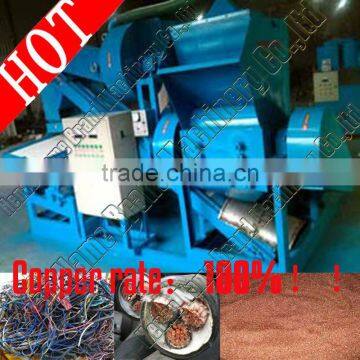 High Quality!! Copper Wire Recycling Machine to Make Copper ParticlesUS$ 20,000 - 30,000MOQ: 1 SetPlace of Origin: Henan, ChinaBrand Name: NMBModel Number: NMB-Sf-A BS6447Henan Name Brand Machinery Co., Ltd.
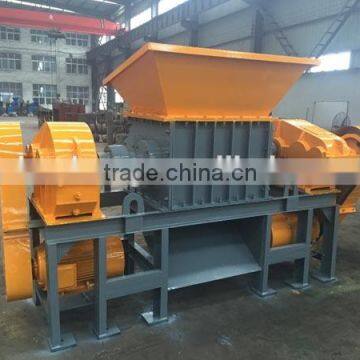 Copper Wire Shredder,copper Pipe Shredder,metal Box ShredderUS$ 1 - 10,000MOQ: 1 SetCondition: NewType: Roller CrusherApplication: universalMotor Type: AC MotorZhengzhou Huahong Machinery Equipment Co., Ltd.
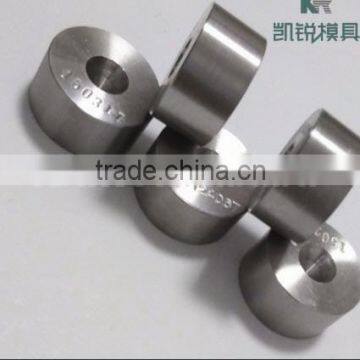 Copper Wire Drawing Die/Wire Drawing Natural Diamond DiesNegotiableMOQ: 1Place of Origin: Zhejiang, ChinaBrand Name: kairuiShaping Mode: Extrusion MouldProduct Material: Other, natural diamondJiaxing Sunfly Electric Co., Ltd.