








 Contact Platform Support
 Help Center
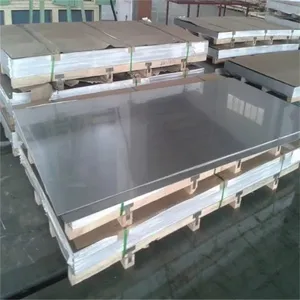
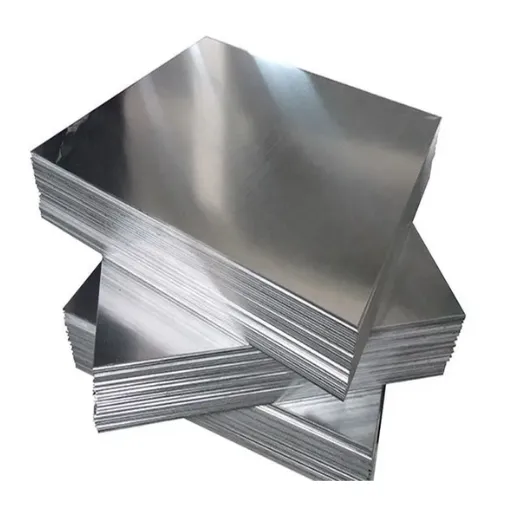
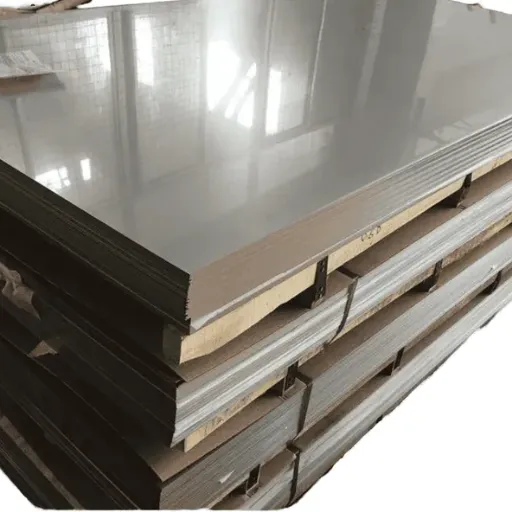
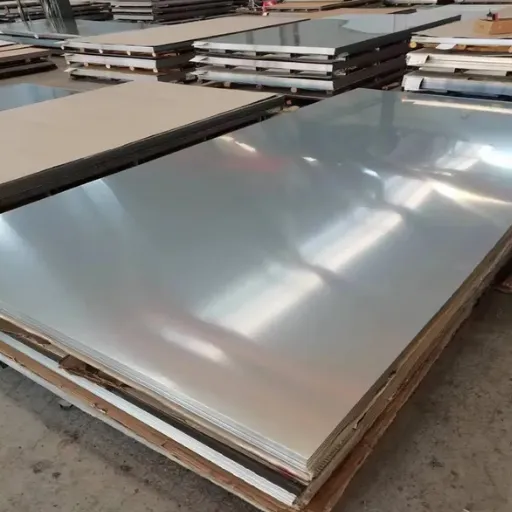
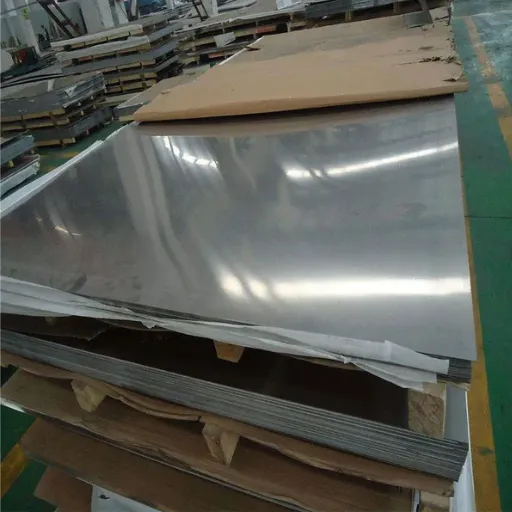
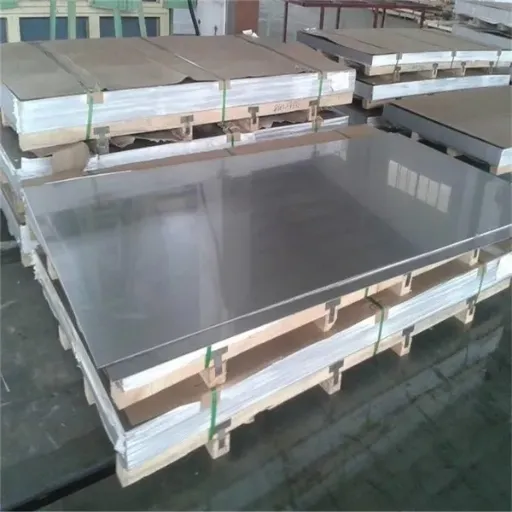
S30458/304N 8K Mirror Steel Sheet | 0.5-20mm | Marine Grade | OEM Factory

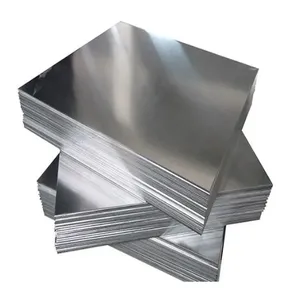
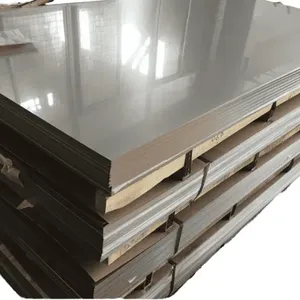
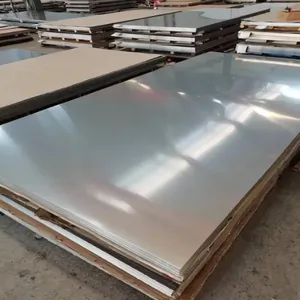
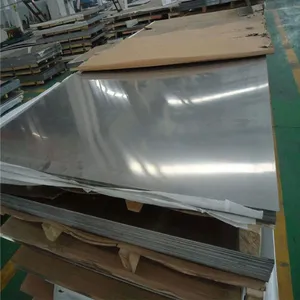
Product Spotlights



Related Products
-
 S30458/304N Cold Rolled BA Finish Steel Sheet | 1000mm | Chemical TankUS$ 2.5 - 5.5MOQ: 100 Kilograms
 -
Cold Rolled 1.4306 Stainless Sheet | 0.5-3mm Size | Food Grade PlateUS$ 2.65 - 3MOQ: 100 Kilograms
-
2205 Duplex Stainless Cold Rolled Sheet | ASTM A240 Standard | 0.3-6mm ThicknessUS$ 3.2 - 3.5MOQ: 100 Kilograms
-
ASTM 304 Stainless Steel Sheet 2B Finish 2mm 1219x2438mm Mill Edge for Kitchen EquipmentUS$ 1.85 - 4.15MOQ: 100 Kilograms
-
SUS304 Cold Rolled Stainless Sheet 1.5mm 1500x3000mm BA Surface Laser Cutting UseUS$ 1.85 - 4.15MOQ: 100 Kilograms
S30458/304N 8K Mirror Stainless Steel Plate: A Technical Guide for Buyers and Fabricators
Stainless steel procurement decisions increasingly hinge on more than surface appearance. For architectural, marine, and industrial applications where corrosion resistance, mechanical performance, and finish consistency all matter simultaneously, UNS S30458 — commonly referred to as 304N — has become a material of interest for engineers and sourcing managers alike. This article examines the metallurgical characteristics, finishing process, mechanical performance, and sourcing considerations relevant to 8K mirror-finished S30458/304N stainless steel plate available in thicknesses from 0.5mm to 20mm.
Understanding S30458/304N: Composition and Metallurgy
S30458/304N belongs to the austenitic stainless steel family, sharing a base chemistry with Type 304 but modified through controlled nitrogen addition. Nitrogen is an interstitial strengthening element that increases yield strength without requiring the alloy to be reclassified into a different chromium-nickel bracket. This makes 304N attractive to buyers who need higher mechanical performance but want to retain the general corrosion behavior, weldability, and cost profile associated with the 304 series.
| Element | 304 (Typical Range) | 304N/S30458 (Typical Range) |
|---|---|---|
| Carbon (C) | ≤0.08% | ≤0.08% |
| Chromium (Cr) | 18.0–20.0% | 18.0–20.0% |
| Nickel (Ni) | 8.0–10.5% | 8.0–10.5% |
| Manganese (Mn) | ≤2.0% | ≤2.0% |
| Nitrogen (N) | ≤0.10% | 0.10–0.16% |
| Silicon (Si) | ≤0.75% | ≤0.75% |
| Phosphorus (P) | ≤0.045% | ≤0.045% |
| Sulfur (S) | ≤0.030% | ≤0.030% |
The nitrogen addition shifts the balance of austenite stability and interstitial hardening, which is why 304N plate typically carries a minimum specified yield strength above that of standard 304 while retaining comparable elongation and impact toughness. This is particularly relevant for structural or load-bearing applications where wall thickness reduction is a design goal — a thinner 304N section can sometimes replace a thicker standard 304 section while meeting the same load requirements, which has downstream implications for weight and material cost in large fabrications.
Mechanical Property Comparison
Buyers frequently ask how 304N performs against standard 304 in practical terms. The table below summarizes typical mechanical property differences based on ASTM A240 reference data.
| Property | Type 304 | Type 304N/S30458 |
|---|---|---|
| Yield Strength (0.2% offset) | ≥205 MPa | ≥310 MPa |
| Tensile Strength | ≥515 MPa | ≥550 MPa |
| Elongation (in 50mm) | ≥40% | ≥35% |
| Hardness (Rockwell B) | ≤92 | ≤95 |
The higher yield strength of 304N is the primary reason engineers specify it for applications involving pressure vessels, structural cladding, and marine fittings where a strength margin over standard 304 is desired without moving to a duplex or higher-alloy grade. The trade-off is a marginally lower elongation, which fabricators should account for during deep-draw or heavy bending operations.
The 8K Mirror Finish: Process and Specification
Surface finish designation on stainless steel plate follows an established numbering convention, with "8K" (sometimes labeled No. 8 finish under ASTM A480) representing the highest standard reflective grade available through mechanical polishing. Achieving an 8K finish is a multi-stage abrasive process, generally progressing through the following sequence:
| Stage | Abrasive Grit Range | Purpose |
|---|---|---|
| Coarse Grinding | 80–150 grit | Remove mill scale, surface irregularities |
| Intermediate Polishing | 240–400 grit | Refine surface, eliminate grinding marks |
| Fine Polishing | 600–800 grit | Achieve uniform micro-texture |
| Mirror Buffing | 1000+ grit with buffing compound | Reach Ra ≤0.1μm reflectivity |
The result is a surface with a specular, mirror-like reflectivity and minimal light scattering, distinguishing it visually and functionally from lower finish grades such as No. 4 (brushed) or 2B (mill finish). Surface roughness (Ra) values for 8K finish are typically maintained at or below 0.1 micrometers, verified using contact profilometry during quality control.
Beyond aesthetics, the smoothness of an 8K finish reduces the surface area available for contaminant adhesion and biofilm formation, which is one reason mirror-finished stainless steel is specified in food processing, pharmaceutical, and cleanroom environments in addition to architectural applications.
Marine Grade Performance and Corrosion Resistance
"Marine grade" designations are commonly associated with molybdenum-bearing grades such as 316/316L, but nitrogen-strengthened 304N also demonstrates measurable improvement in localized corrosion resistance compared to standard 304, primarily in resistance to pitting initiation in chloride-containing environments. This is quantified using the Pitting Resistance Equivalent Number (PREN), calculated from chromium, molybdenum, and nitrogen content.
| Grade | Approximate PREN | Typical Marine Suitability |
|---|---|---|
| 304 | 18–19 | Low-moderate chloride exposure |
| 304N/S30458 | 19–20 | Moderate chloride exposure, coastal atmospheric |
| 316L | 24–26 | High chloride exposure, splash zone |
| 2205 Duplex | 33–38 | Severe chloride, immersion service |
While 304N does not match the immersion-grade corrosion resistance of 316L or duplex stainless steels, its PREN improvement over standard 304 makes it a viable, cost-conscious option for coastal architectural cladding, marine deck fittings, boat trim, and structural components in atmospheric — rather than fully immersed — marine environments. Buyers specifying material for splash-zone or submerged marine applications should still evaluate molybdenum-bearing alternatives, and a reputable supplier should be transparent about this distinction rather than overstating 304N's suitability for full immersion service.
Thickness, Dimensional Range, and Tolerance
Mirror-finished S30458/304N plate is typically supplied across a thickness range of 0.5mm to 20mm, covering both thin-gauge decorative sheet and heavier structural plate within a single product family. Standard dimensional offerings are summarized below.
| Parameter | Typical Range |
|---|---|
| Thickness | 0.5mm – 20mm |
| Width | Up to 2000mm |
| Length | Up to 6000mm (custom lengths available) |
| Flatness Tolerance | ≤3mm/m (thickness-dependent) |
| Thickness Tolerance | Per ASTM A480/EN 10029 |
Thinner gauges (0.5–3mm) are most commonly specified for decorative panels, elevator interiors, and signage, where the 8K finish is the primary value driver. Mid-range gauges (3–8mm) serve structural cladding and equipment housing. Heavier gauges (8–20mm) are typically specified for structural components, flanges, and fabrication blanks where mechanical performance is the primary consideration and mirror finish may be applied selectively to exposed faces.
Application Sectors
The combination of nitrogen-strengthened mechanical properties and mirror-grade surface finish supports use across several distinct sectors.
| Sector | Typical Use Case |
|---|---|
| Architecture & Construction | Facade cladding, elevator panels, decorative column covers |
| Marine & Coastal | Deck fittings, railings, signage, boat trim components |
| Food & Pharmaceutical Equipment | Processing surfaces, hygienic panel cladding |
| Furniture & Interior Design | Countertops, decorative panels, fixtures |
| Industrial Fabrication | Equipment housing, structural brackets, custom OEM parts |
Sourcing managers evaluating suppliers for these applications typically request mill test certificates confirming both chemical composition and mechanical properties, along with surface roughness verification for finish-critical applications such as architectural cladding.
OEM Factory Capabilities and Manufacturing Workflow
For buyers sourcing at volume, working directly with an OEM factory rather than a trading intermediary provides several practical advantages: tighter control over lead time, direct access to mill certification, and the ability to specify custom cutting, slitting, or packaging requirements without additional markup layers. A typical OEM production and fulfillment workflow for mirror-finished 304N plate includes the following stages.
| Stage | Description |
|---|---|
| Raw Material Sourcing | Coil/plate sourced to ASTM A240/EN 10088 chemistry specification |
| Surface Preparation | Multi-stage grinding and polishing to 8K finish standard |
| Cutting & Sizing | Laser cutting, shearing, or slitting to customer-specified dimensions |
| Quality Inspection | Chemical composition verification, mechanical testing, surface roughness measurement |
| Protective Film Application | PVC or PE protective film applied to prevent scratching during transit |
| Packaging & Logistics | Export packaging per customer specification, including wooden crating for plate stock |
An OEM factory operating under ISO 9001 quality management typically issues mill test certificates (MTC) conforming to EN 10204 3.1 standards, providing documented traceability from raw material heat number through to finished plate. For buyers in regulated industries — including food processing and pressure equipment fabrication — this documentation is often a prerequisite for material acceptance rather than an optional add-on.
Sourcing Considerations for International Buyers
Buyers evaluating suppliers of S30458/304N mirror plate across different regional markets should consider several procurement-specific factors beyond base material cost.
| Consideration | Why It Matters |
|---|---|
| Certification Availability | MTC 3.1 documentation required for regulated or structural end-use |
| Minimum Order Quantity (MOQ) | Affects feasibility for smaller architectural or prototype projects |
| Custom Cutting Services | Reduces secondary fabrication cost and lead time for finished-part buyers |
| Surface Protection During Shipping | Prevents scratching of mirror finish in transit, particularly for long ocean freight routes |
| Regional Standard Compliance | ASTM (Americas), EN (Europe), JIS (parts of Asia) chemistry and tolerance alignment |
For buyers in coastal or marine-adjacent regions specifically, it is worth confirming with the supplier whether the plate has been tested for pitting resistance under conditions representative of the intended environment, rather than relying solely on nominal PREN calculations, since actual field performance can vary based on surface contamination during fabrication, welding heat input, and post-fabrication passivation practices.
Fabrication and Handling Notes
Because 8K mirror finish is a surface-sensitive product, fabricators handling this material should take specific precautions during downstream processing:
Maintain protective film on visible faces until final installation to prevent scratching from tooling or handling equipment.
Use dedicated cutting and grinding tools for stainless steel to avoid cross-contamination with carbon steel particles, which can initiate surface rust staining on an otherwise corrosion-resistant surface.
Where welding is required, use low-heat-input techniques and post-weld passivation to restore the chromium oxide layer disrupted by heat-affected zones, particularly important given 304N's slightly reduced elongation relative to standard 304 during forming operations.
Store plate horizontally on non-abrasive dunnage to prevent bowing and surface indentation prior to installation.
These handling practices are consistent with general best practice for mirror-finished austenitic stainless steel and are typically included in technical datasheets provided by reputable OEM suppliers.
FAQ – Tailored for Your Role
═══════════════════════════════════════
FOR PURCHASING MANAGERS
═══════════════════════════════════════
Q1. What is your pricing benchmark – LME or fixed list?
A: We follow LME (London Metal Exchange) for copper and aluminum, and a fixed mill list for steel. Our quotes are adjusted weekly based on raw material costs.
Q2. Can you accept letter of credit from a less‑known bank?
A: We accept L/Cs from prime banks. For smaller or lesser‑known banks, we will need confirmation from a top‑tier international bank – we can advise on the procedure.
Q3. Do you provide bulk discounts for project tenders?
A: Yes, for project‑based purchases above 100 tons, we offer a separate tender discount. Please share your BOQ (Bill of Quantities).
═══════════════════════════════════════
FOR ENGINEERING / TECHNICAL STAFF
═══════════════════════════════════════
Q4. Do your materials comply with ASTM or EN standards?
A: Yes, most of our stock meets ASTM A240, A36, or EN 10088 standards. We also supply to JIS, GB, or DIN equivalents – please specify your required standard.
Q5. Can you provide hardness or impact test results?
A: Absolutely. We can perform Brinell, Rockwell, or Charpy V‑notch tests at our partner lab and include the results in the inspection package.
Q6. What is the maximum width and thickness you can produce?
A: For sheets: up to 2500mm width and 120mm thickness. For coils: up to 2000mm width. Larger sizes can be sourced upon special request.
═══════════════════════════════════════
FOR LOGISTICS / FREIGHT COORDINATORS
═══════════════════════════════════════
Q7. What shipping terms do you commonly use?
A: We mainly work with FOB (Shanghai/Ningbo/Tianjin), CIF, and CFR. We can also quote DAP or DDP for door‑to‑door service.
Q8. How are heavy coils loaded into containers?
A: Coils are lifted by overhead cranes and placed on wooden or steel cradles inside the container, then braced with inflatable dunnage bags to prevent movement.
Q9. Do you prepare all export customs documents?
A: Yes, we handle the full export declaration, including commercial invoice, packing list, B/L, and customs clearance documents. We also provide pre‑shipment customs advisory.

Send Inquiry to This Supplier



You May Also Like
-
DIN 1.4301 Stainless Steel Plate 3mm 4x8ft No.4 Brushed Finish for Elevator PanelsUS$ 1.85 - 4.15MOQ: 100 Kilograms
-
EN X5CrNi18-10 Stainless Sheet 0.8mm 1000x2000mm 2B Surface Decorative ApplicationUS$ 1.85 - 4.15MOQ: 100 Kilograms
-
GB 06Cr19Ni10 Stainless Steel Plate 6mm 1500x6000mm Pickled Surface Tank FabricationUS$ 1.85 - 4.15MOQ: 100 Kilograms
-
ASTM 316L Stainless Plate 5mm 1500x3000mm 2B Finish for Chemical Processing EquipmentUS$ 1.85 - 4.15MOQ: 100 Kilograms
-
SUS316 Stainless Steel Sheet 2mm 1219x2438mm No.1 Surface for Marine Engineering PartsUS$ 1.85 - 4.15MOQ: 100 Kilograms
-
DIN 1.4401 Stainless Plate 8mm 2000x6000mm Hot Rolled Finish for Seawater ProjectsUS$ 1.85 - 4.15MOQ: 100 Kilograms
-
EN X2CrNiMo17-12-2 Stainless Sheet 4mm 1500mm Width 2B Surface Food Industry UseUS$ 1.85 - 4.15MOQ: 100 Kilograms
-
GB 022Cr17Ni12Mo2 Stainless Steel Plate 10mm No.1 Surface for Pressure Vessel FabricationUS$ 1.85 - 4.15MOQ: 100 Kilograms
-
ASTM 201 Stainless Steel Sheet 0.5mm 1000x2000mm BA Finish for Decorative CladdingUS$ 1.85 - 4.15MOQ: 100 Kilograms
-
SUS201 Stainless Plate 1mm Mirror Finish 1219x2438mm for Interior Wall DecorationUS$ 1.85 - 4.15MOQ: 100 Kilograms


