








 Contact Platform Support
 Help Center
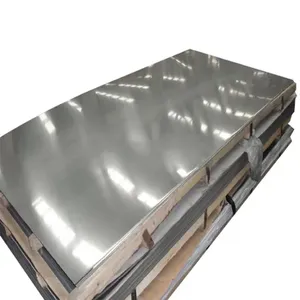
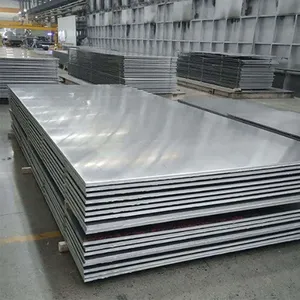
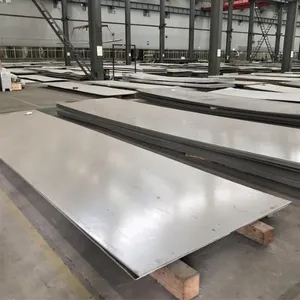
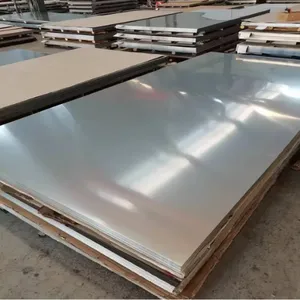
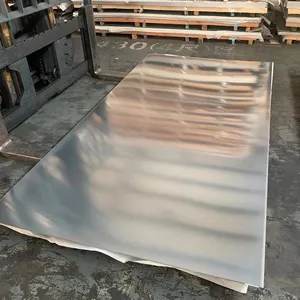
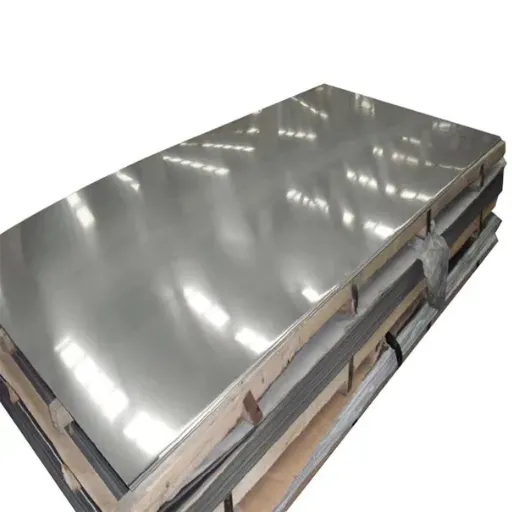
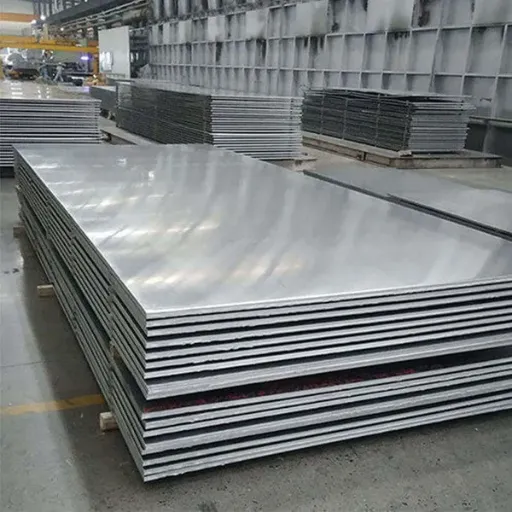
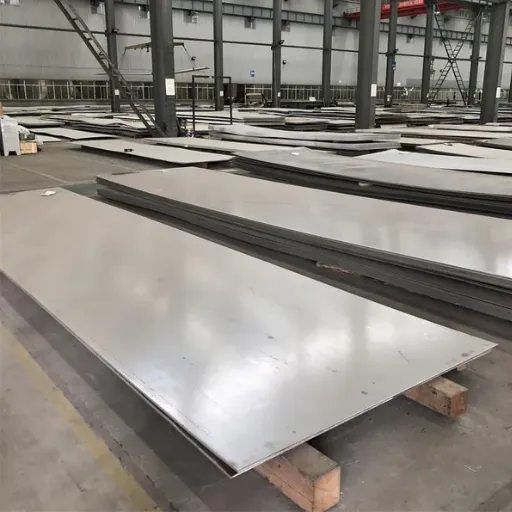
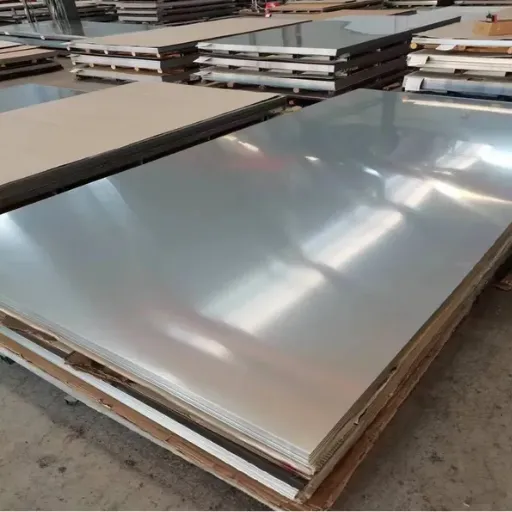
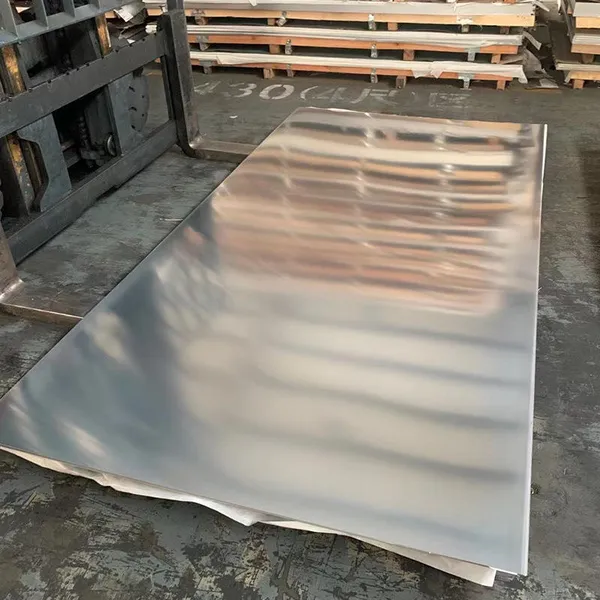
Cold Rolled 1.4306 Stainless Sheet | 0.5-3mm Size | Food Grade Plate

Product Spotlights



Related Products
-
 ASTM 304 Stainless Steel Sheet 2B Finish 2mm 1219x2438mm Mill Edge for Kitchen EquipmentUS$ 1.85 - 4.15MOQ: 100 Kilograms
 -
SUS304 Cold Rolled Stainless Sheet 1.5mm 1500x3000mm BA Surface Laser Cutting UseUS$ 1.85 - 4.15MOQ: 100 Kilograms
-
DIN 1.4301 Stainless Steel Plate 3mm 4x8ft No.4 Brushed Finish for Elevator PanelsUS$ 1.85 - 4.15MOQ: 100 Kilograms
-
EN X5CrNi18-10 Stainless Sheet 0.8mm 1000x2000mm 2B Surface Decorative ApplicationUS$ 1.85 - 4.15MOQ: 100 Kilograms
-
GB 06Cr19Ni10 Stainless Steel Plate 6mm 1500x6000mm Pickled Surface Tank FabricationUS$ 1.85 - 4.15MOQ: 100 Kilograms
Cold Rolled 1.4306 Stainless Steel Sheet: Specifications, Properties, and Applications for Food-Grade Manufacturing
Stainless steel sheet grade 1.4306, commonly referenced under the American designation 304L, occupies a defined position in industrial materials procurement due to its combination of corrosion resistance, formability, and hygienic surface characteristics. This article examines the technical composition, mechanical behavior, manufacturing process, and application scope of cold rolled 1.4306 sheet supplied in thicknesses between 0.5mm and 3mm, with particular attention to food-grade compliance requirements relevant to procurement teams, fabricators, and equipment manufacturers.
Understanding the 1.4306 Grade Designation
The designation 1.4306 follows the European material numbering system defined under EN 10027-2, administered through the Werkstoffnummer (material number) registry. This grade corresponds to X2CrNi19-11 in EN chemical symbol notation and is broadly equivalent to UNS S30403, marketed in North America as 304L. The "L" suffix, and correspondingly the low first digit sequence in the European number, denotes a reduced carbon content relative to the standard 1.4301 (304) grade.
Carbon content is restricted to a maximum of 0.030% by mass in 1.4306, compared to a maximum of 0.070% in standard 1.4301. This distinction is not incidental. During welding, standard 304-grade material is susceptible to chromium carbide precipitation at grain boundaries in the heat-affected zone, a phenomenon known as sensitization. This precipitation depletes chromium locally, reducing corrosion resistance along weld seams — a condition referred to as intergranular corrosion or weld decay. The reduced carbon content in 1.4306 substantially limits this precipitation, making the grade the preferred selection for welded fabrications, particularly in sanitary and food-contact equipment where weld integrity directly affects hygiene and product longevity.
Chemical Composition
The chemical composition of 1.4306 stainless steel sheet is controlled within the following ranges, as specified under EN 10088-2:
| Element | Symbol | Content Range (%) |
|---|---|---|
| Carbon | C | ≤ 0.030 |
| Silicon | Si | ≤ 1.00 |
| Manganese | Mn | ≤ 2.00 |
| Phosphorus | P | ≤ 0.045 |
| Sulfur | S | ≤ 0.015 |
| Chromium | Cr | 18.00 – 20.00 |
| Nickel | Ni | 10.00 – 12.00 |
| Nitrogen | N | ≤ 0.11 |
| Iron | Fe | Balance |
The chromium content above 18% establishes the passive oxide film responsible for corrosion resistance, while nickel content in the 10-12% range stabilizes the austenitic crystal structure at room temperature, contributing to the non-magnetic behavior and ductility characteristic of this steel family.
Mechanical and Physical Properties
Cold rolling imparts specific mechanical characteristics that differ from hot-rolled or annealed conditions. Typical values for cold rolled 1.4306 sheet in the annealed (1D/2B) condition are summarized below:
| Property | Typical Value | Test Standard |
|---|---|---|
| Tensile Strength | 500 – 700 MPa | EN ISO 6892-1 |
| Yield Strength (0.2%) | ≥ 200 MPa | EN ISO 6892-1 |
| Elongation at Break | ≥ 45% | EN ISO 6892-1 |
| Hardness | ≤ 215 HB | EN ISO 6506-1 |
| Density | 7.90 g/cm³ | — |
| Melting Range | 1400 – 1450°C | — |
| Thermal Conductivity | 15 W/(m·K) at 100°C | — |
| Electrical Resistivity | 0.73 μΩ·m | — |
These figures represent the annealed condition rather than the fully hardened state, since sheet intended for forming, drawing, or welding into food-processing equipment is typically supplied in a soft, ductile condition to allow subsequent fabrication without cracking.
Cold Rolling Process and Its Effect on Sheet Quality
Cold rolling differs from hot rolling in that the steel is processed below its recrystallization temperature, typically at or near ambient conditions after initial hot rolling and annealing. This process sequence involves several controlled stages:
Hot rolling and annealing — the initial slab is hot rolled to intermediate thickness, then annealed to relieve internal stress and restore ductility.
Pickling — the surface scale formed during hot processing is chemically removed using acid pickling baths, exposing a clean base metal surface.
Cold reduction — the sheet passes through a series of rolling mills at room temperature, progressively reducing thickness while increasing surface flatness and dimensional precision.
Bright annealing or standard annealing — depending on the specified finish (2B or BA), the sheet undergoes a final annealing cycle, either in a controlled atmosphere furnace (bright annealing) for a reflective finish, or standard annealing followed by light skin-pass rolling for the common 2B finish.
Slitting and cutting to size — coils are slit and cut into flat sheets according to ordered dimensions, from 0.5mm up to 3mm in thickness for this product range.
The result of this process is a sheet with tighter thickness tolerance, improved surface flatness, and a smoother surface finish compared to hot-rolled plate. Thickness tolerance for cold rolled sheet in this range is typically held to ±0.02mm to ±0.04mm depending on nominal thickness and applicable standard (EN 10259 or ASTM A480).
Surface Finish Options
Surface finish selection affects both aesthetic appearance and functional performance, particularly cleanability in food-contact applications.
| Finish Code | Description | Typical Application |
|---|---|---|
| 2B | Cold rolled, annealed, pickled, light skin-passed; matte, semi-reflective | General fabrication, food equipment interiors |
| BA (2R) | Bright annealed in controlled atmosphere; high reflectivity, smooth | Visible panels, hygienic equipment surfaces |
| No.4 | Mechanically polished, unidirectional satin finish | Kitchen equipment, countertops, appliance panels |
| 2D | Cold rolled, annealed, pickled without skin-pass; dull matte | Forming operations requiring lubricant retention |
For food-grade applications specifically, 2B and BA finishes are most frequently specified due to their low surface roughness (Ra typically below 0.5 μm), which limits microbial adhesion and facilitates cleaning-in-place (CIP) procedures common in food and beverage processing lines.
Food-Grade Compliance and Certification
Food-contact metal components are subject to regulatory frameworks governing chemical migration and material safety. For 1.4306 stainless steel sheet marketed as food-grade, relevant compliance points typically include:
EN 1935/2004 — the European Union framework regulation on materials and articles intended to come into contact with food, requiring that materials do not transfer constituents to food in quantities that could endanger health.
LFGB (Germany) — the German Food, Commodities and Feed Code, which includes specific migration testing protocols frequently referenced in European food equipment procurement even outside Germany.
FDA CFR Title 21 — while the United States FDA does not maintain a dedicated stainless steel food-contact regulation, compliance is typically demonstrated through material composition conformance and absence of listed harmful substances.
NSF/ANSI 51 — a voluntary but widely recognized certification for food equipment materials in North America.
Buyers sourcing sheet for food-processing equipment, kitchenware, dairy tanks, brewing vessels, or pharmaceutical-adjacent applications should request documented mill test certificates. The industry-standard certificate is the EN 10204 3.1, an inspection certificate validated by the manufacturer's quality department, confirming that the supplied material conforms to the ordered specification through independent testing of that specific batch, not merely a type-test declaration.
Dimensional Specifications
The following table outlines a representative specification range for cold rolled 1.4306 sheet supplied between 0.5mm and 3mm:
| Parameter | Specification |
|---|---|
| Thickness Range | 0.5mm – 3.0mm |
| Thickness Tolerance | ±0.02mm – ±0.04mm (per EN 10259) |
| Width | 1000mm / 1219mm / 1250mm / 1500mm (custom widths available) |
| Length | 2000mm / 2438mm / 3000mm (coil or cut sheet) |
| Flatness Tolerance | ≤ 5mm/m per EN 10131 |
| Edge Condition | Mill edge or slit edge |
Custom slitting and cutting to buyer-specified dimensions is standard practice among stainless steel service centers, allowing procurement teams to minimize material waste in downstream fabrication.
Comparative Positioning: 1.4306 vs 1.4301
Procurement decisions frequently involve a choice between 1.4306 and the more commonly stocked 1.4301 grade. The table below summarizes the primary distinctions relevant to selection:
| Attribute | 1.4306 (304L) | 1.4301 (304) |
|---|---|---|
| Maximum Carbon Content | 0.030% | 0.070% |
| Weld Decay Resistance | Higher | Lower |
| Post-Weld Heat Treatment Requirement | Generally not required | Recommended for thick sections |
| Mechanical Strength (Annealed) | Slightly lower | Slightly higher |
| Typical Cost Premium | Marginally higher | Baseline |
| Recommended Use Case | Welded sanitary equipment, thin-gauge fabrication | General-purpose fabrication, non-critical welds |
For thin-gauge sheet in the 0.5-3mm range destined for welded food-processing equipment, tanks, or hygienic enclosures, the reduced carbon content of 1.4306 provides a meaningful reliability margin, particularly where post-weld heat treatment is impractical due to component geometry or production throughput requirements.
Application Areas
Cold rolled 1.4306 sheet in this thickness range is specified across several industrial sectors:
Food and beverage processing equipment — mixing vessels, conveyor components, tank cladding, and sanitary piping supports, where corrosion resistance and cleanability are primary requirements.
Dairy and brewing industry vessels — fermentation tanks and associated welded assemblies benefit from the reduced sensitization risk during fabrication welding.
Commercial kitchen equipment — worktables, sinks, splash guards, and appliance housings, frequently specified in No.4 or 2B finish.
Pharmaceutical and cosmetic processing — equipment surfaces requiring low particulate shedding and resistance to cleaning chemical exposure.
Architectural and hygienic panel applications — wall cladding in cleanroom or food-facility environments where surface hygiene standards apply.
Quality Assurance and Traceability Considerations
For buyers evaluating suppliers of cold rolled 1.4306 sheet, documentation practices are a material factor in procurement risk management. Reputable mills and service centers provide heat-number traceability linking each sheet or coil to its original melt chemistry, along with mechanical test results specific to that production batch. This traceability supports quality audits in regulated industries such as food processing and pharmaceutical manufacturing, where material substitution or non-conforming batches carry compliance and liability implications.
Buyers should additionally confirm dimensional inspection reports, particularly flatness and thickness tolerance data, since deviations in these parameters can affect downstream forming operations such as bending, deep drawing, or laser cutting accuracy in thin-gauge sheet applications.
FAQ – Quick Diagnostic Checklist
❓ Q1. Do you need material with high corrosion resistance for marine environments?
→ Choose our 316L or duplex stainless steel. We stock both with full MTC.
❓ Q2. Is your material suitable for high‑temperature applications (>500°C)?
→ Yes. We supply heat‑resistant grades like 310S or Incoloy equivalents. Please confirm your exact working temperature.
❓ Q3. Are you looking for painted or coated steel?
→ We offer pre‑painted galvanized steel (PPGI/PPGL) and PVDF coating. Colored coils are available in RAL standards.
❓ Q4. Do you need just a trial quantity for testing?
→ Yes, we accept trial orders as low as 500 kg for standard sizes. Sample charges are waived for new clients.
❓ Q5. Will you require a dedicated quality inspector to visit the mill?
→ We can arrange a virtual tour first. If you still prefer on‑site, we will book accommodation and transportation for your inspector.
❓ Q6. Are you in a country with anti‑dumping duties on Chinese steel?
→ We can provide alternative origins (e.g., Taiwanese or Indonesian mills) or adjust the product classification. Please share your HS code and we will check the duty rate.
❓ Q7. Do you want regular monthly shipments rather than a one‑time order?
→ We offer blanket contract with monthly release. This guarantees your price and supply for up to 12 months.

Send Inquiry to This Supplier



You May Also Like
-
ASTM 316L Stainless Plate 5mm 1500x3000mm 2B Finish for Chemical Processing EquipmentUS$ 1.85 - 4.15MOQ: 100 Kilograms
-
SUS316 Stainless Steel Sheet 2mm 1219x2438mm No.1 Surface for Marine Engineering PartsUS$ 1.85 - 4.15MOQ: 100 Kilograms
-
DIN 1.4401 Stainless Plate 8mm 2000x6000mm Hot Rolled Finish for Seawater ProjectsUS$ 1.85 - 4.15MOQ: 100 Kilograms
-
EN X2CrNiMo17-12-2 Stainless Sheet 4mm 1500mm Width 2B Surface Food Industry UseUS$ 1.85 - 4.15MOQ: 100 Kilograms
-
GB 022Cr17Ni12Mo2 Stainless Steel Plate 10mm No.1 Surface for Pressure Vessel FabricationUS$ 1.85 - 4.15MOQ: 100 Kilograms
-
ASTM 201 Stainless Steel Sheet 0.5mm 1000x2000mm BA Finish for Decorative CladdingUS$ 1.85 - 4.15MOQ: 100 Kilograms
-
SUS201 Stainless Plate 1mm Mirror Finish 1219x2438mm for Interior Wall DecorationUS$ 1.85 - 4.15MOQ: 100 Kilograms
-
DIN 1.4372 Stainless Steel Sheet 0.7mm 2B Surface Slitting Processing AvailableUS$ 1.15 - 1.85MOQ: 100 Kilograms
-
EN X12CrMnNiN17-7-5 Stainless Sheet 1.2mm Hairline Finish for Architectural PanelsUS$ 1.85 - 4.15MOQ: 100 Kilograms
-
GB 12Cr17Mn6Ni5N Stainless Steel Sheet 0.6mm 4x8ft Decorative Building MaterialUS$ 1.85 - 4.15MOQ: 100 Kilograms


