








 Contact Platform Support
 Help Center
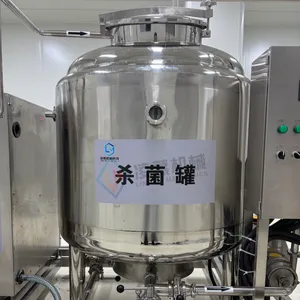
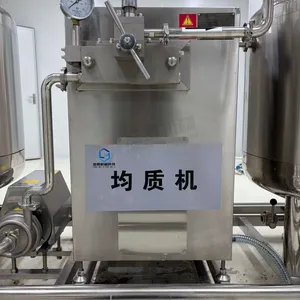
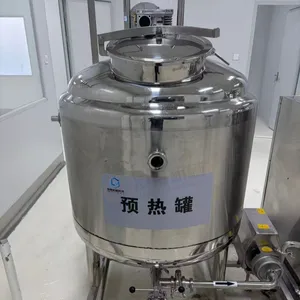
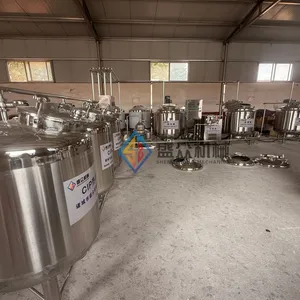
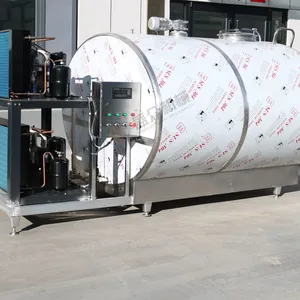
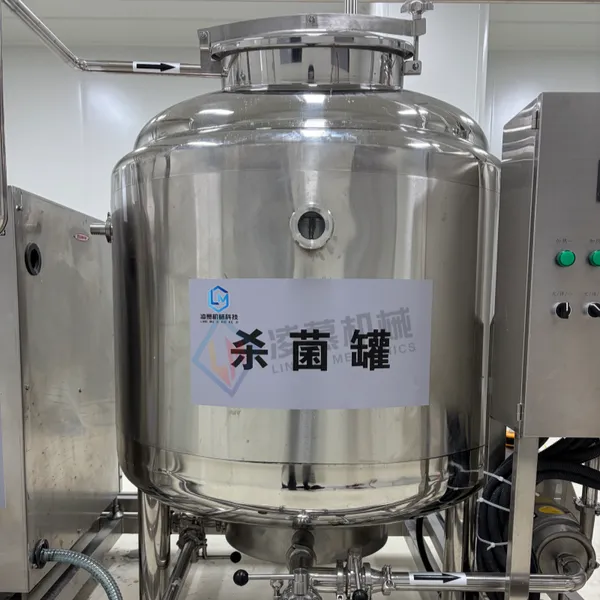
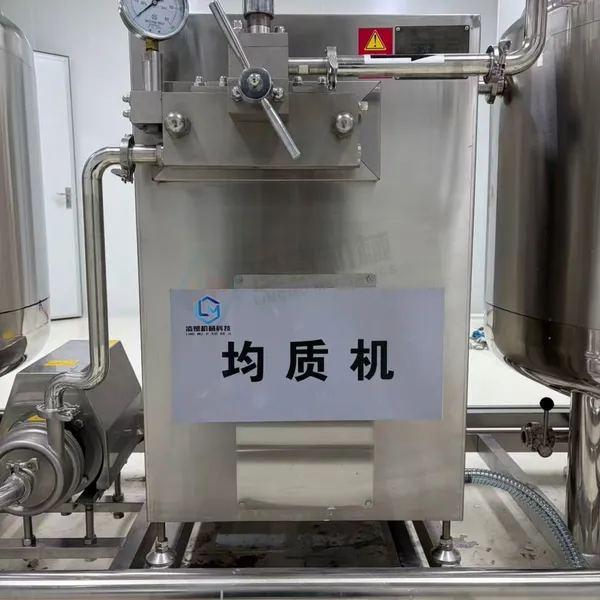
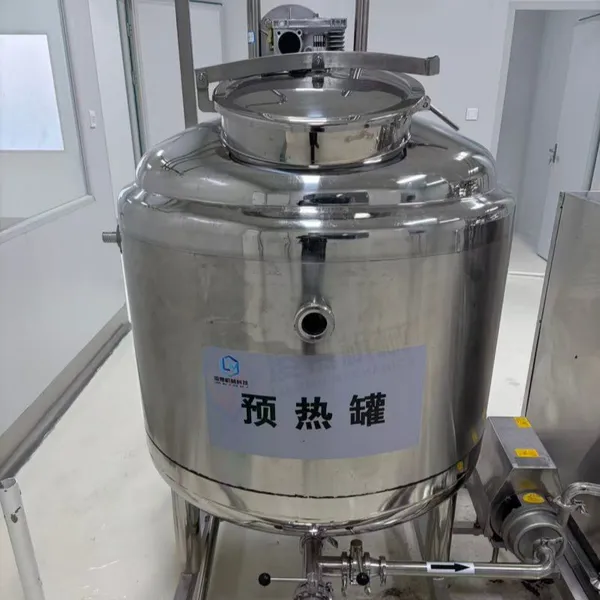
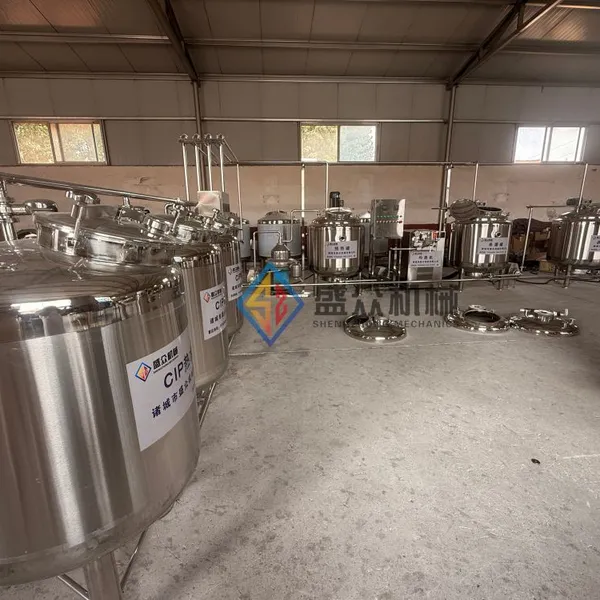
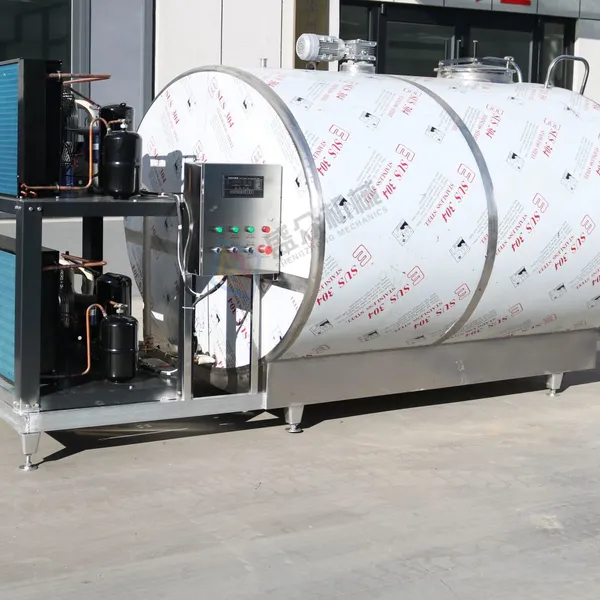
Small-scale Ice Cream Liquid Pre-processing Production Line Equipment for Forming and Processing Milk Popsicles
Product Spotlights


Related Products
-
 Automatic CIP Cleaning Machine Cleaning Unit System for Food and Beverage Pipeline/Vessel Cleaning EquipmentUS$ 16000MOQ: 1 Combo
 -
Automatic CIP Cleaning Machine, Movable CIP Cleaning System, Stainless Steel CIP Cleaning EquipmentUS$ 16000MOQ: 1 Combo
-
Milk Refrigeration Tank Preservation and Storage Transport Tank Goat’s Milk Camel’s Milk Horse’s Milk Cooling TankUS$ 2000MOQ: 1 Combo
-
Ice Cream Processing Equipment Popsicle Production Line Complete Set of Equipment for Making Ice CreamUS$ 20000MOQ: 1 Combo
-
Ice Cream Production Line Automatic Ice Cream Processing EquipmentNegotiableMOQ: 1 Set
Small-scale ice cream liquid pre-processing production line Equipment for forming and processing milk popsicles
Ice cream is a dairy product containing milk. Its physical structure is a complex physical-chemical system, with air bubbles dispersed within a continuous liquid containing ice crystals. This liquid contains fat particles, milk proteins, insoluble salts, lactose crystals, gelling stabilizers, and sucrose, lactose, and soluble salts. This three-phase system consists of gas, liquid, and solid phases. It can be considered as a partially solidified foam containing 40% to 50% volume of air. The quality standards for ice cream can be found in *** industry standard SB/T10013-99. To meet the specified standards for ice cream quality and physical structure, analysis and research should be conducted from three aspects: the composition of the ice cream mixture (recipe and quality of raw materials and ingredients), production process conditions, and production equipment. (Food processing machinery manufacturer Tel: 150*0646-5106)
Sheng Zhong Machinery, a manufacturer of ice cream equipment, offers ice cream machinery, ice cream production lines, ice cream production equipment, ice cream equipment, ice cream production equipment, and ice cream production lines. We provide services such as machinery design, manufacturing, installation, maintenance, technical improvement support, technical consulting, and provide ice cream production processes for reference.
1. Composition of ice cream mixture for the ice cream production line:
The primary raw materials used in ice cream production include fats, non-fat solids, sweeteners, emulsifiers, stabilizers, flavorings, and colorants.
1.1 Fat
The fat commonly used in ice cream is dairy fat. Dairy fat gives ice cream its characteristic aroma, good texture and shape, so generally the more dairy fat the better the quality. The sources of milk fat are pure cream, cream, fresh milk, refined milk, milk powder, etc. It is necessary to choose fresh and clean and of good quality. However, milk fat is an expensive component in ice cream raw materials, and its use is limited, and many countries in China and the world use a considerable amount of vegetable fat to replace milk fat.The main products are margarine, hydrogenated oil, palm oil, coconut oil, etc. The melting point properties should be similar to dairy fat, between 28-32 ° C.
1.2 Nonfat dairy solids
Non-fat dairy solids are a general term for the total solids of milk and the remaining proteins, lactose and minerals. Among them, the protein has a hydroponic nature, and during the homogenization process, it together with the emulsifier forms a stable film on the surface of the generated small fat ball, ensuring the stability of the emulsification of oil in water, and promotes the good integration of air during the freezing process. It can also avoid the enlargement of ice crystals in the product, making the texture lubricated, the soft sweetness of lactose and the subtle saltiness of the minerals. Will give the product distinctive flavor characteristics, but unless there are too many fat solids, the creamy smell of fat will be eliminated, and the smell of condensed milk or skim milk powder will therefore appear, Limit the use of nonfat dairy solids in order to avoid the excessive saturated and gradually crystallized sandy precipitation of lactose in them. It is generally recommended that the amount of nonfat milk solids not exceed 17% of the water in ice cream. Nonfat milk solid can be provided by liquid milk, refined milk, milk powder, and whey powder.
1.3 Sweet Ingredients
Most Sorbet, Sherbet or fruit ice creams with fruit juice reduce the sweetness due to the acidity of the flavor, so it is necessary to add sweeteners. For products with bitter tastes such as cocoa or sweet juice, it is advisable to add 2% -3% of sucrose to ordinary ice cream. In order to improve flavor, increase variety or reduce cost, many sweeteners such as honey, saccharin, sweetener, protein sugar, stevia, and acetaldehyde are used together.
1.4Stabilizers
Stabilizers are hydrophilic, i.e. can bind to water, so they can improve the viscosity and expansion rate of ice cream, avoid the production of ice crystals, reduce the roughness, and make the product more slippery. It also has a strong water absorption force, so it is also strongly resistant to product melting. In order to make ice cream less easily melted, there are many kinds of stabilizers in ice cream production. The most commonly used are gelatin, CMC, guar gum, xanthan gum, cara gum, algae gum, marshmallow gum, denatured starch, etc. Starch is generally used in lower grade ice cream. The amount of stabilizer additive varies depending on the composition of the ice cream, especially the total solid content, generally around 0.1% to 0.5%. Both the stabilizers have strengths and weaknesses, so it is better to use them alone than to mix more than two. When selecting a stabilizer, consider the following points: Easy solubility in water or mixture. 2 can give the mixture good viscosity and foaminess. 3 can give ice cream good flavor and texture. 4 can improve the retention of ice cream. 5 has the effect of avoiding crystallization. 6 Cheap
1.5 Emulsionants
An emulsifier is a substance in a molecule that has a hydrophilic and hydrophilic base, and it can be in the middle of oil and water. Make one side well dispersed in the middle of the other to form a stable emulsifier. The composition of ice cream is complex, and the addition of emulsifiers to the mix has other effects in addition to emulsification, which can be summarized as: 1 makes the fat ball appear in a finely emulsified state and stabilizes it. 2 Diffusion and stabilization of particles outside the fat sphere. 3 Increase the heat resistance of ice cream at room temperature. 4 Reduce changes in products in storage. 5 Avoid or control the formation of large ice crystals to make the ice cream taste delicate. The most commonly used emulsifiers in ice cream are triglycerides (monoglycerides), sucrose fats (sucralose), Polytriglycerides (Twain), sorbitol anhydride stearate (Span), propylene glycol stearate (PG stearate), lecithin, soy lecithin and so on. Recently, Taiyuan Chemical Company developed monoglyceride triglyceride as a new food emulsifier. The emulsification effect is comparable to that of molecularly distilled monoglycerides. The amount of emulsifier added is related to the fat content in the ice cream mix, generally increasing with the increase of the fat contents, which ranges from 0.1% to 0.5%. The same compound emulsifier has better performance than the single emulsifier.
1.6 Total solids
The total solid is the sum of the above-mentioned raw materials, which is the main factor affecting the quality of the ice cream, the expansion rate, etc. Higher solids generally increase the expansion rate, increase the volume, become lubricated, improve the quality, and have the advantage of reducing the heat required for freezing and hardening. However, the solid is too high, the viscosity of the mixture increases, which makes the texture deteriorate and also increases the cost. Generally, the solid should be 25% -40%.
1.7 Spices
Perfumes can give a product a pleasant aroma and the natural flavor that the variety is supposed to have. The quality of its products directly affects the quality of ice cream, so when choosing to use, in addition to considering price factors, the first thing to pay attention to is quality.
2 / ice cream production process conditions:
The production process of ice cream must be completed in accordance with certain technical conditions, otherwise it will not be possible to produce good quality products.
2.1 inspection of raw materials
The quality of the raw materials directly affects the quality of the ice cream. Therefore, all raw materials must be tested strictly in accordance with quality standards, and non-conforming materials are not allowed to be used. Often the senses are examined. At the same time, the weight, viscosity and content of the raw materials are tested whether they conform to the specifications, whether the content of their indicator is below the legal standard, and whether the food additives used comply with the regulations.
2.2 Composition of raw materials
The basic aspect of making ice cream is the ingredients, that is, the formulation. The formula composition of ice creams is determined according to consumer preferences, the price and availability of raw materials, and the sales status of the product. First, a quality standard is established, and according to the standard requirements, a mathematical method is used to calculate the amount of various raw materials required, thereby ensuring that the quality of the produced product meets the technical standards. Before calculation, it is necessary to know the various ingredients and the composition of the ice cream as the basis for the formulation calculation.
2.3 Mixing of ingredients
The preparation of the mixture should first weigh the various raw materials well according to the proportion of the formula. Then it is prepared in the preparation tank. The order of mixing of raw materials should start with liquid raw materials such as low-concentration water and milk, followed by liquid raw materials like refined milk and cream, and again by solid raw materials suchas sugar, milk powder, emulsifiers and stabilizers. Then adjust the capacity with water, milk, etc.The temperature at which the mixture dissolves is usually 40-50 ° C.The milk powder should be dissolved with water before preparation, homogenized once, and then mixed with other raw materials. The sugar should be added to the proper amount of water, heated, dissolved and filtered. The ice cream complex emulsifier can be blended with more than 5 times its sugar and added to the mixing tank under constant stirring to fully dissolve and disperse.
2.4 Germicide
The acidity of the mixture and the sterilization method used have a direct impact on the flavor of the product. The acidity of the mixture should be 0.18% ~ 0.20% lactate, and when the acidity is high, it should be neutralized with calcium hydroxide or baking soda before sterilizing. Otherwise, when sterilizing, it will not only cause protein clotting, but also affect the flavor of the product, but when neutralizing, care should be taken to avoid neutralizing too much to produce a bitter taste. When the ice cream mixture is heated with a jacket steam in a sterilizing tank to a temperature of 78C,Heat up for 30 minutes to sterilize. If high temperature transient sterilization (HTST) is used with a continuous pasteur, it is used at 83 ~ 85 ° C, 15s, otherwise long-term high temperature sterilization is easy to produce steamy and caramelized flavors of the product.
2.5 homogeneity
Mixing ingredients has an important influence on the shape and structure of ice cream.Homogenization is generally used to homogenize the two-stage high-pressure homogenizer, which makes the diameter of the fat ball smaller, generally up to 1 ~ 2μm, and the viscosity of the mixture increases.Avoid stirring the fat into cream grains during freezing to ensure the fine taste of the ice cream product. The appropriate temperature for homogenization is 65 ~ 70 ° C, the homogenization pressure is 15-20MP for the first stage and 25-30MP for the second stage. The homogenization pressure decreases with the increase of the solids and fat content in the mixture.
2.6 Cooling, aging
Ageing is the refrigeration of the mixture at a low temperature of 2 to 4 ° C for a certain period of time, which is called "mature" or "cripening."The essence lies in the hydration of fat, protein and stabilizer, which fully absorbs water and increases the viscosity of the liquid, which is conducive to the expansion rate when chilled.
The aging time is related to the temperature of the feed liquid, the composition of the raw material and the variety of the stabilizer, and it generally takes 4 to 24 hours at 2 to 4C. When aging, it is important to avoid bacterial contamination, and the aging tank must be strictly sterilized beforehand to ensure the hygienic quality of the product.
2.7 Cryopreservation
The freezing process is to freeze the mixture under forced stirring, so that the air is evenly distributed in the whole mixture with extremely tiny bubbles, and a part of the water becomes the micro-crystallization of ice. Its effects are: (1) The ice cream mix is reduced by the action of refrigerants, the viscosity increases, and gradually thickens into a semi-solid state, i.e., the frosted state. (2) Due to the stirring of the mixer, the material on the wall of the cylinder is constantly scraped off to avoid the mixing raw materials forming large ice chips on the wall. (3) Due to the continuous stirring and cooling of the mixer, when the ice cream is frozen, the air gradually blends in thereby expanding its volume, allowing the icecream to reach an elegant form.
The freezing temperature is -2 ~ -4 ° C, and the freezing time of the intermittent freezing machine is 15 ~ 20 minutes.The feeding temperature of ice cream is generally -3 ~ -5 ° C. The continuous refrigeration machine feeding is continuous. The ice cream feeding temperature is about -5 ~ -6 ° C, and the continuous refrigerating must always check the expansion rate to control the appropriate amount of incoming and outgoing and the mixed air.
2.8 Formed filling
Frozen ice cream must be formed and hardened immediately to meet storage and marketing needs, The forming of ice cream is a variety of forming fillers such as ice grating, paper cups, egg tubes, molding molds, chocolate-coated ice cream, exotic ice cream cutting lines, etc. The weight of these machines is 320 grams, 160 grams, 80 grams, 50 grams, etc., and there are 1 kg, 2 kg for domestic use.
2.9 Freezing, hardening and storage
Frozen ice cream that is not hardened is soft ice cream, and if it is filled into a container and then hardened, it becomes hard ice cream. The former is mostly made and sold in stores, while the latter has a larger output.
The purpose of freezing and hardening is to rapidly freeze the ice cream produced by the cryogenic machine (-3 ~ -5 ° C) at a low temperature (

Send Inquiry to This Supplier

You May Also Like
-
Ice Cream Processing Equipment BingZhiLe750-750H Ice Cream MachineUS$ 800 - 1,750MOQ: 1 Set
-
Hot Sale 1000LPH Ice Cream Processing EquipmentUS$ 51,000 - 98,000MOQ: 1 Set
-
Ice Cream Pre-processing Production Line Ice Cream Front-end Processing Equipment Processing Machines for Bagged PopsiclesUS$ 45000.00 - 50000.00MOQ: 1 Set
-
CreamScoop Ice Cream Disposable SpoonsNegotiableMOQ: 50000 Pieces
-
Vertical Welding Machine for Plastic Tank in Chemical Processing EquipmentNegotiableMOQ: 1 Piece
-
304L Stainless Clad Steel Plate for Fermentation Tanks and Process EquipmentUS$ 0.95 - 4.5MOQ: 100 Kilograms
-
PPO GFN2 Resin, Standard Compliant Material for Food Processing EquipmentUS$ 1.2 - 1.3MOQ: 1 Kilogram
-
Hastelloy C276 Pipe With PMI Testing for Chemical Processing and Pressure EquipmentUS$ 28.5 - 68.8MOQ: 100 Kilograms
-
DuPont BG25 Food Grade POM With FDA Certification, Suitable for Food Processing Equipment PartsNegotiableMOQ: 1 Kilogram
-
Stainless Steel Automatic Powder Booth Equipped With Siemens PLC and Touch Screen for Precise Process ControlNegotiableMOQ: 1 Piece


