








 Contact Platform Support
 Help Center
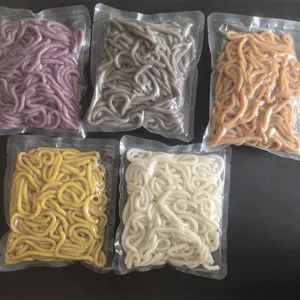
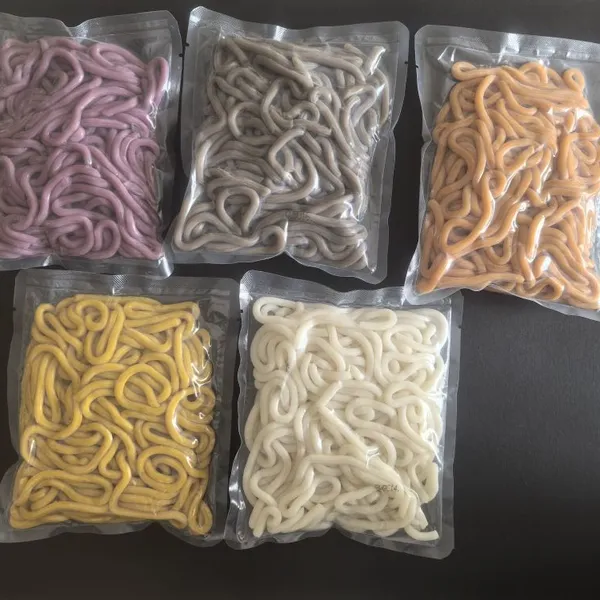
Premium Fresh Soba Udon Noodles, Soft Chewy Quick Cook Halal BRC Certified Fresh Asian Noodles for EU Export
Product Spotlights

Related Products
-
 Japanese Style Instant Fresh Udon NoodlesUS$ 0.3 - 0.4MOQ: 15000 Bags
 -
Premium Longkou Vermicelli | Pure Mung Bean | Gluten-Free | Factory Supply for MoroccoUS$ 800 - 1000MOQ: 14 Metric Tons
-
Chinese Vermicelli - Premium Longkou Glass Noodles Factory Direct Bulk Wholesale For ImportersUS$ 900 - 1100MOQ: 14 Metric Tons
-
Bean Thread Vermicelli(Gluten Free)US$ 1000 - 1200MOQ: 14 Metric Tons
-
Bean Vermicelli(Pea Starch Vermicelli)US$ 950 - 1100MOQ: 14 Metric Tons
Premium Fresh Soba Udon Noodles, Soft Chewy Quick Cook Halal BRC Certified Fresh Asian Noodles for EU Export
Our Premium Fresh Soba Udon Noodles are high-quality traditional Asian fresh noodles independently produced by Qingdao Opal Industrial Co.,Ltd., specially tailored for global food importers and EU market sales. Different from dried noodles, our fresh soba udon retains the original moist, tender and bouncy texture of freshly made noodles, avoiding dry and hard taste, bringing authentic Japanese and Asian catering flavor.
Made from carefully selected premium wheat flour and natural buckwheat powder with purified water, the noodles adopt scientific low-temperature kneading and fresh-locking production technology, with uniform thickness, smooth surface and moderate elasticity. Strictly free of artificial pigments, harmful additives and excess preservatives, all products pass HALAL and BRC international food safety certifications, fully compliant with EU food import standards, safe and healthy for all age groups.
Featuring ultra-fast cooking performance, the fresh noodles can be cooked thoroughly within 1-2 minutes, greatly saving catering time and labor cost, ideal for supermarkets, restaurants, chain catering and wholesale distribution. With mild and natural grain flavor, it has strong taste compatibility, perfectly matching various broths, sauces, vegetables and meats.
As a professional Chinese vermicelli and fresh noodles supplier, we support customized specifications and packaging. With stable production capacity and complete export qualification, our products are widely exported to EU countries, winning consistent recognition from global customers for reliable quality and professional service.
Cooking Instructions
Hot Soup Noodles: Bring a large pot of water to a full rolling boil. Put fresh soba udon noodles into boiling water and stir gently to separate noodle strands. Cook for 1-2 minutes until noodles are tender and springy. Drain the noodles and pour into prepared bone soup, dashi soup or vegetable soup. Add scallions, meat, eggs or side dishes as you like, then serve hot.
Stir-Fried Noodles: Boil the fresh noodles for 1-2 minutes, drain and set aside. Preheat the pan with oil, stir-fry vegetables, beef, chicken or seafood until cooked. Add the drained noodles and favorite sauces, stir evenly over medium heat for 2-3 minutes, then serve.
Cold Noodle Salad: Cook noodles in boiling water for 2 minutes, drain immediately and rinse with cold water to keep springy texture and prevent sticking. Drain excess water, mix with cold sauce, sesame oil, fresh vegetables and shredded meat, chill for better taste.
Warm Tips: Do not overcook to avoid soft and sticky texture. Use sufficient boiling water for even cooking. Uncooked fresh noodles need refrigerated storage and finish eating within the shelf life for best flavor.
FAQ for udon noodles
1.What are soba noodles?
Soba is a traditional Japanese noodle made primarily from buckwheat flour, known for its earthy, nutty flavor, greybrown color, and light yet satisfying texture. Depending on the recipe, soba may be made with 100% buckwheat flour or blended with a small amount of wheat flour for elasticity.
2.Are soba noodles ok for diabetics?
Helps Control Blood Sugar
Although a cup of soba noodles has 24 grams of carbs, it's less than traditional pastas and noodles. The high-fiber content helps to slow down how fast those carbs are digested, making it less likely to spike blood sugar levels.
3.Are soba noodles and udon noodles the same?
Udon is thick, soft, and chewy, made from wheat flour with a mild, neutral taste, making it ideal for hot soups and rich broths. Soba is thin, firm, and made primarily from buckwheat flour, giving it a nutty, earthy flavor and making it popular for both hot and cold dishes.
4.Is soba noodle healthier than udon?
Soba noodles originate from Japan and are considered to be far healthier than other Asian varieties like Udon noodles ( although our Neds Udon noodles are 95% fat free). Soba noodles are usually made from buckwheat which offers a number of health benefits.
5.Is soba a healthy noodle?
What's so special about soba noodles?
Soba contains a type of polysaccharide that is easily digested. Soba noodles also contain antioxidants, including rutin and quercetin, and essential nutrients including choline, thiamine and riboflavin.
6.What is the proper way to eat soba?
Use chopsticks to pick up chunks of noodles that you can eat in one mouthful. Dip the bottom third of the noodles in the tsuyu sauce. Hold the dipping cup close to your face as you take a bite to avoid making a mess of the sauce. Don't dunk your side dishes, such as tempura, into the sauce.
7.What is good to eat with soba noodles?
The classic dipping sauce for soba is a combination of dashi, soy sauce, mirin, and a bit of sugar. An assortment of relish-style items is also paired with the noodles: a dab of wasabi, some freshly grated daikon, and finely chopped green scallions.
8.Are soba noodles good for high blood pressure?
Many studies have shown that eating buckwheat is good for your health. This is mostly due to all of the nutrients found within this pseudo-cereal. Eating buckwheat can help prevent a number of health problems, including: High blood pressure.

Send Inquiry to This Supplier

You May Also Like
-
Blanched PeanutUS$ 1200 - 1300MOQ: 5 Metric Tons
-
Blanched Peanut Slicing/SlicedUS$ 2300 - 2600MOQ: 1 Metric Ton
-
Blanched Peanut DicedUS$ 1700 - 2000MOQ: 1 Metric Ton
-
Peanut ButterNegotiableMOQ: 1 Metric Ton
-
Original Peanut PasteUS$ 1700 - 2100MOQ: 1 Metric Ton
-
Creamy Peanut ButterNegotiableMOQ: 1 Metric Ton
-
Rice Vermicelli Factory | Dried Rice Noodles Bulk Wholesale for Morocco ImportersUS$ 850 - 900MOQ: 14 Metric Tons
-
Tick Rice Stick | 400g High Rice Content | Factory Wholesale for Nigeria ImportersUS$ 1000 - 1100MOQ: 13 Metric Tons
-
Bean Thread Vermicelli(Gluten Free)US$ 1000 - 1200MOQ: 14 Metric Tons
-
Handmade Traditional Rice Vermicelli Factory for Morocco, 3-Year Shelf Life | Qingdao Opal Industrial Co.,Ltd.US$ 950 - 1000MOQ: 13 Metric Tons
