








 Contact Platform Support
 Help Center
Marine-Grade Butterfly Valve for Auxiliary Power Systems on Vessels
Product Spotlights



Related Products
-
 Marine Butterfly Valve Supplied With Mill Test Report and 2-Year WarrantyNegotiableMOQ: 1 Unit
 -
Power Station Seawater Cooling System Butterfly Valve With Cast Steel ConstructionNegotiableMOQ: 1 Unit
-
DN50-DN600 Marine Butterfly Valve For Shipbuilding, 316 Stainless Steel Wafer TypeNegotiableMOQ: 1 Unit
-
Heavy-Duty Butterfly Valve for Power Station Pump Control, DN800 Size AvailableNegotiableMOQ: 1 Unit
-
Butterfly Valve for Power Stations With Technical Support and On-Site TrainingNegotiableMOQ: 1 Unit
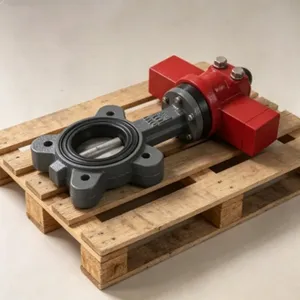
As a specialized manufacturer with a focus on marine applications, Shanghai Zhibang Valve Manufacture Co., Ltd. presents its engineered Marine-Grade Butterfly Valve, designed specifically for the demanding environments of vessel auxiliary power systems. Since our establishment in 2016, we have dedicated our expertise to developing valves that meet the rigorous standards of maritime operations. This valve is not just a component; it is a critical piece of reliability engineered to ensure uninterrupted flow control for cooling water, fuel transfer, bilge, and other auxiliary circuits on ships, offshore platforms, and workboats. Our commitment to quality, backed by our ISO9001 certified manufacturing processes, ensures every valve delivers performance where failure is not an option.
The core value of this valve lies in its marine-grade construction and system-specific design. Auxiliary power systems are vital for a vessel's "house" functions, and their valves must operate flawlessly despite constant exposure to saltwater, vibration, thermal cycles, and corrosive fluids. Our butterfly valve addresses these challenges directly, offering a solution that combines robust sealing, easy operation, and long service life to minimize maintenance downtime and enhance overall system safety.
- Corrosion-Resistant Materials: The valve body, disc, and stem are fabricated from specially selected alloys (such as nickel-aluminum bronze or stainless steel grades) that offer superior resistance to seawater corrosion and galvanic attack, ensuring structural integrity over years of service.
- Optimized Sealing Technology: The sealing system is tailored for auxiliary system media. Options include resilient seats (PTFE/EPDM) for general services or metal-seated designs for abrasive or high-temperature applications, providing a tight shut-off and low leakage rates.
- Compact & Lightweight Design: The butterfly valve's inherent compactness and lower weight compared to other valve types make it ideal for space-constrained marine installations, reducing load and simplifying piping layouts.
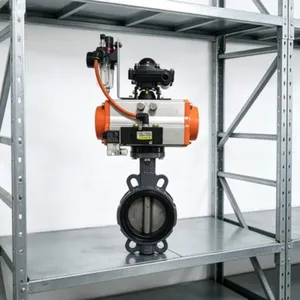
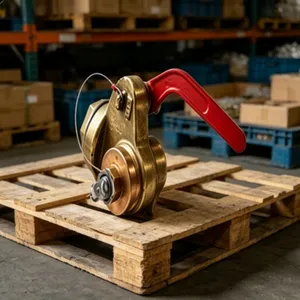
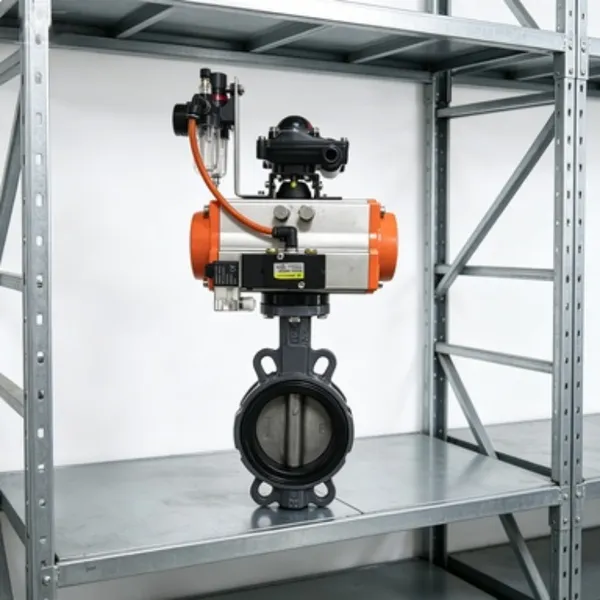
- Versatile Actuation: Available with manual lever operation for local control, gear operators for high-torque applications, or pneumatic actuators for remote/automated system integration, offering flexibility for different control schemes.
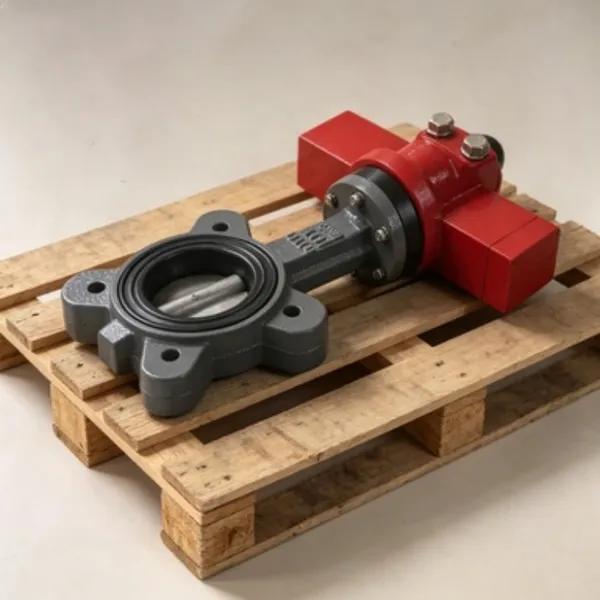
- Easy Maintenance & Installation: The wafer or lug design allows for straightforward installation between flanges without requiring extensive piping modifications. The simple design also facilitates in-situ inspection and seat replacement if needed.
- Marine Application Validation: The design considers specific marine standards for connection dimensions, pressure ratings, and material compatibility, ensuring it fits seamlessly into existing vessel engineering specifications.
The technical specifications of our Marine-Grade Butterfly Valve are detailed to provide clear engineering data for your system integration.
| Parameter | Specification / Range |
|---|---|
| Size (Nominal Diameter) | DN50, DN80, DN100, DN150, DN200, DN250, DN300 (2" to 12" approx.) |
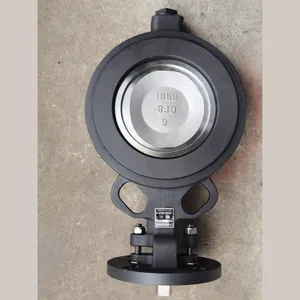
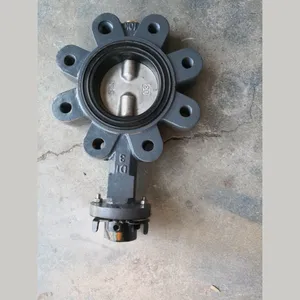
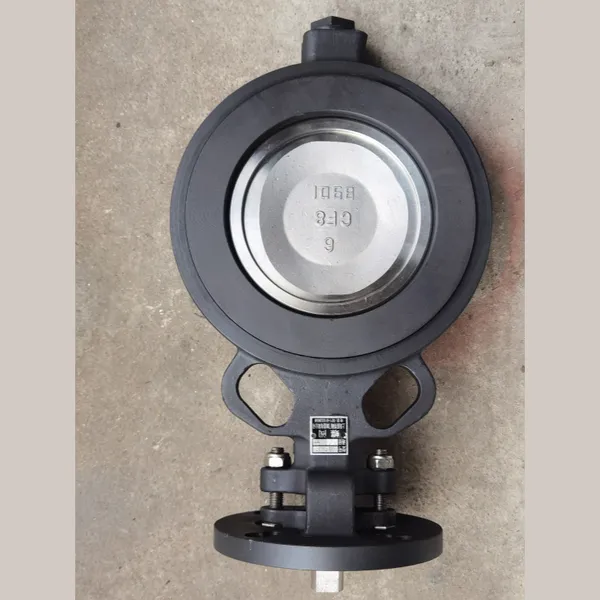
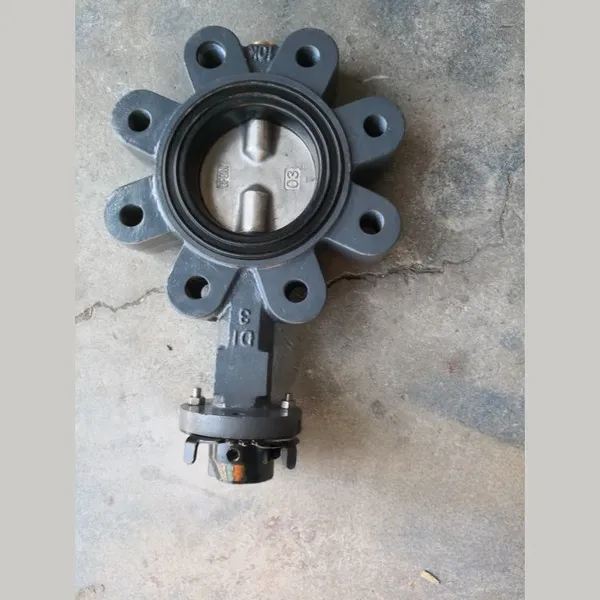
| Body Design | Wafer type (between flanges) or Lug type (bolt holes) |
| Pressure Rating | PN10 (10 bar), PN16 (16 bar). Higher ratings available upon request. |
| Temperature Range | Standard: -20°C to +120°C. Extended range options customizable. |
| Seat Material | Standard: PTFE (Resilient). Optional: EPDM, Viton, Metal (Stainless Steel). |
| Disc & Stem Material | Stainless Steel (316/316L), Nickel-Aluminum Bronze, Duplex Steel. |
| Actuation | Manual Lever, Worm Gear Operator, Pneumatic Actuator (On/Off or modulating). |
| End Connection | Flanged, conforming to common marine standards (e.g., ANSI, DIN, JIS). |
The advantages of integrating this valve into your vessel's auxiliary power system are significant:
- Enhanced System Reliability: Robust construction and reliable sealing minimize the risk of leaks or failures in critical cooling, fuel, or bilge systems, contributing to vessel operational safety.
- Reduced Maintenance Burden: The corrosion-resistant materials and durable seat design extend service intervals, lowering lifecycle costs and reducing crew maintenance time.
- Operational Flexibility: The choice of actuation methods allows the valve to be integrated into manual, local automated, or central control systems, adapting to the vessel's specific design philosophy.
- Global Supply Compatibility: With standard flanged connections and common size ranges, this valve can replace or upgrade existing valves in global fleets without compatibility issues.
For the shipowner, shipyard, or system integrator, the benefit is a dependable, application-focused valve that simplifies procurement, installation, and long-term operation, ultimately protecting the value and functionality of the vessel's auxiliary systems.
Shanghai Zhibang's commitment to quality and global service provides a strong trust foundation for your procurement decision. Our ISO9001 certification underpins a consistent and controlled manufacturing process. With an annual export value ranging from US$1 Million to US$1.5 Million, we have established a proven track record of supplying reliable marine valves to diverse markets, including North America, South America, Eastern Europe, Southeast Asia, Africa, Oceania, the Mid East, and Europe. Our products are shipped from major ports like Shanghai, Guangzhou, Hongkong, and Beijing, ensuring efficient logistics to global destinations. This valve embodies our focused expertise—it is engineered not just to meet a specification, but to perform reliably in the real-world conditions of maritime service. Choosing our Marine-Grade Butterfly Valve means selecting a component backed by a manufacturer with dedicated experience, a quality system, and a global supply capability.
Frequently Asked Questions (FAQ)
Q1: What exactly defines a "marine-grade" butterfly valve?
A: A "marine-grade" valve is specifically engineered for maritime environments. It utilizes corrosion-resistant materials (like specific bronze or stainless steel alloys) to withstand saltwater exposure, incorporates design features for vibration and thermal cycling, and often aligns with marine industry standards for dimensions and performance, distinguishing it from standard industrial valves.
Q2: Can this valve be used for seawater cooling systems?
A: Yes, it is highly suitable. The standard material options, such as nickel-aluminum bronze or 316 stainless steel, offer excellent corrosion resistance against seawater. The sealing materials (PTFE/EPDM) are also compatible with seawater, ensuring reliable operation in cooling water circuits.
Q3: Is the valve suitable for fuel oil transfer lines in auxiliary systems?
A: Absolutely. For fuel oil services, we can configure the valve with appropriate seat materials (like Viton for certain fuels) and ensure the design provides a tight shut-off to prevent leakage. The pressure rating (PN10/PN16) is adequate for typical auxiliary fuel transfer pressures.
Q4: What is the difference between wafer and lug body designs?
A: A wafer-style valve is installed between two pipeline flanges using bolts that pass through both flanges. It is compact and relies on the line pressure for sealing. A lug-style valve has threaded holes (lugs) on the body; it can be bolted directly to each flange independently, which can be advantageous for end-of-line connections or where disconnecting one side is needed.
Q5: Can the valve be equipped for remote operation from a control panel?
A: Yes. By selecting a pneumatic actuator option (on/off or modulating), the valve can be integrated into a remote control system. Signal lines (air supply) connect the actuator to the control panel, allowing operators to open or close the valve without being at the valve location.
Q6: What maintenance is typically required for this valve onboard?
A: Maintenance is minimal due to the robust design. Periodic visual inspection for external corrosion and operational checks (smooth opening/closing) are recommended. If the resilient seat eventually wears, it can often be replaced in-situ without removing the entire valve body from the pipeline, reducing downtime.
Q7: Do you provide valves with locking devices to prevent unauthorized operation?
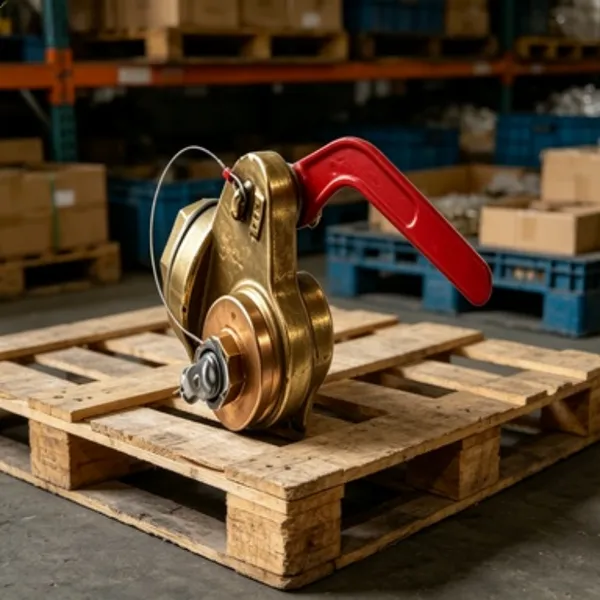
A: Yes, a locking device is an available optional feature. It can be provided on the manual lever or gear operator to secure the valve in a specific position (open or closed), which is a common safety requirement for certain auxiliary system valves.
Q8: How do I select the correct size and material for my application?
A: Selection depends on your pipeline nominal diameter (DN or inch size), the fluid media (seawater, fuel, etc.), pressure, and temperature. Our technical team can assist you based on your system specifications. Providing details like fluid type, line size, pressure, and desired actuation method will allow us to recommend the optimal configuration.

Send Inquiry to This Supplier



You May Also Like
-
Butterfly Valve for Power Station Bilge and Ballast System ControlNegotiableMOQ: 1 Unit
-
High-Performance Marine Butterfly Valve For Shipbuilding, Fire-Safe Design & API 609 CompliantNegotiableMOQ: 1 Unit
-
Compact Marine Butterfly Valve For Shipbuilding, Gear Operated, Carbon Steel BodyNegotiableMOQ: 1 Unit
-
Electric Actuated Marine Butterfly Valve For Shipbuilding, 24V DC/IP67 WaterproofNegotiableMOQ: 1 Unit
-
Custom Marine Butterfly Valve For Shipbuilding, Mill Test Report ProvidedNegotiableMOQ: 1 Unit
-
Marine Butterfly Valve For Shipbuilding Ballast & Bilge Lines, Corrosion ResistantNegotiableMOQ: 1 Unit
-
PTFE Seated Marine Butterfly Valve For Shipbuilding, Full Lug Design, ANSI Class 150NegotiableMOQ: 1 Unit
-
Marine Butterfly Valve For Shipbuilding Engine Room Piping, Low Torque OperationNegotiableMOQ: 1 Unit
-
Marine Butterfly Valve For Shipbuilding With 5-Year Extended Seal WarrantyNegotiableMOQ: 1 Unit
-
Marine Butterfly Valve For Shipbuilding Seawater Cooling Systems, CuNi Alloy DiscNegotiableMOQ: 1 Unit


