








 Contact Platform Support
 Help Center
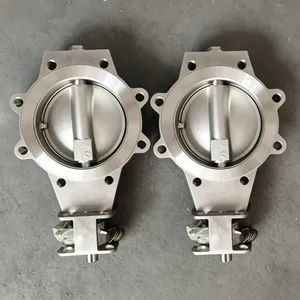
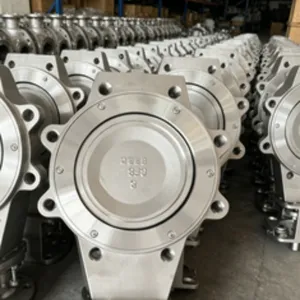
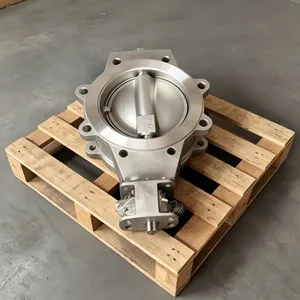
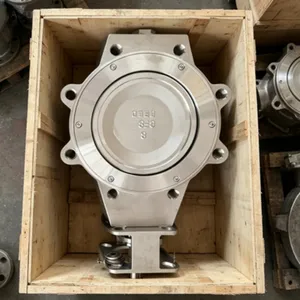
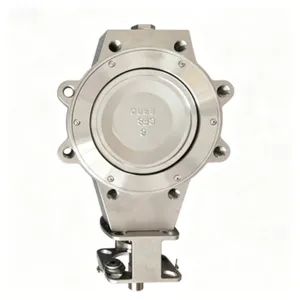
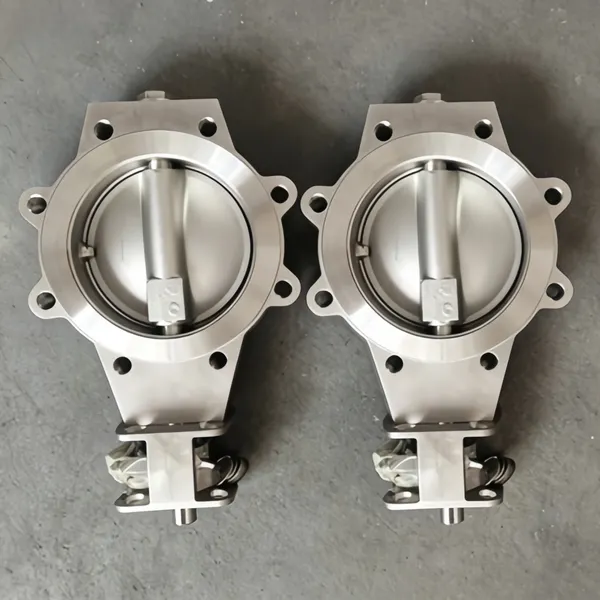
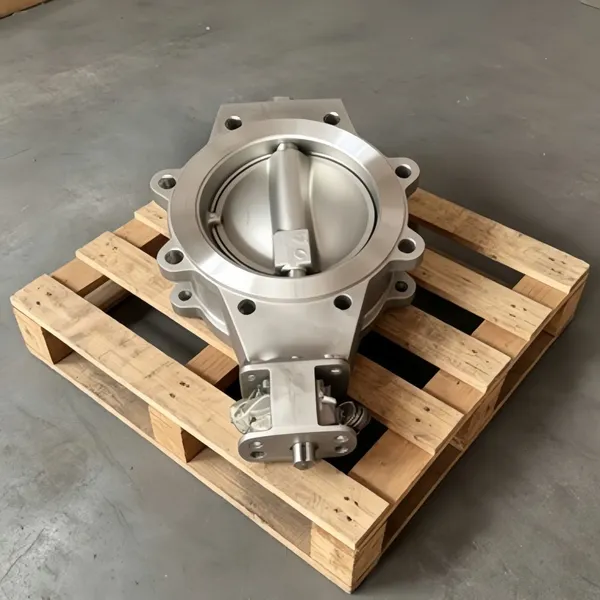
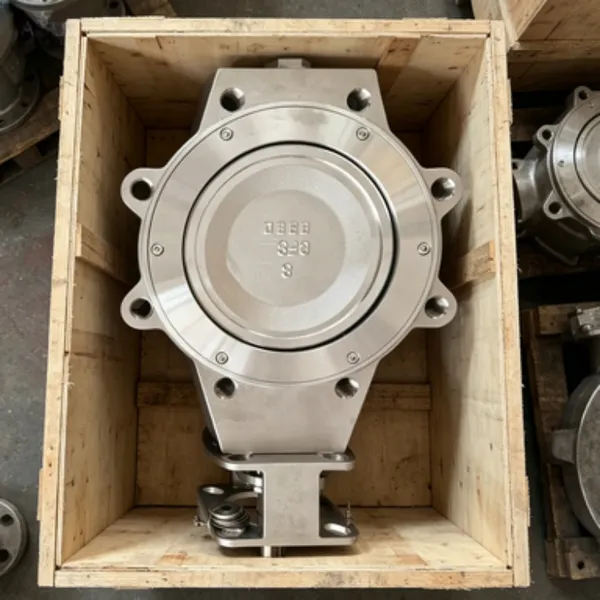
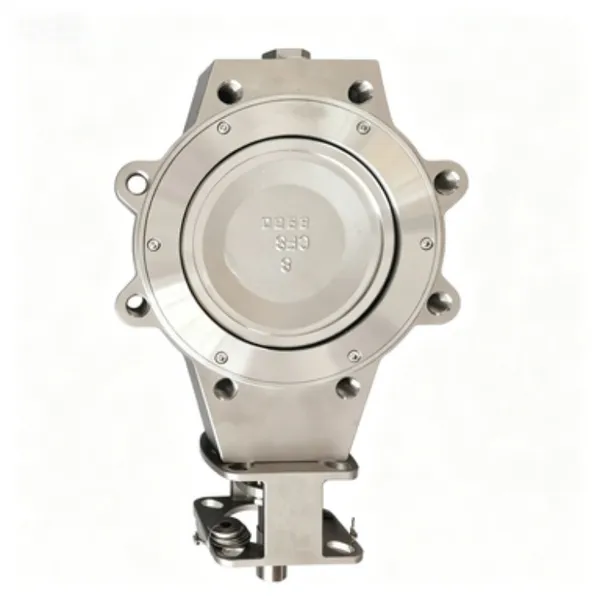
GB/T3037-94 Lug Butterfly Valve for 10 Bar Working Pressure in Marine Systems
Product Spotlights



Related Products
-
 GB/T3037-94 316L Stainless Steel Lug Butterfly Valve for Seawater ApplicationsNegotiableMOQ: 10 Units
 -
GB/T3037-94 High Pressure Lug Butterfly Valve With 16 Bar RatingNegotiableMOQ: 10 Units
-
GB/T3037-94 Standard 150mm Flanged Lug Butterfly Valve for PipingNegotiableMOQ: 10 Units
-
GB/T3037-94 Lug Butterfly Valve With PTFE Seat for Superior Chemical ResistanceNegotiableMOQ: 10 Units
-
GB/T3037-94 Marine 316L Stainless Steel Lug Butterfly Valve With EPDM SeatNegotiableMOQ: 10 Units
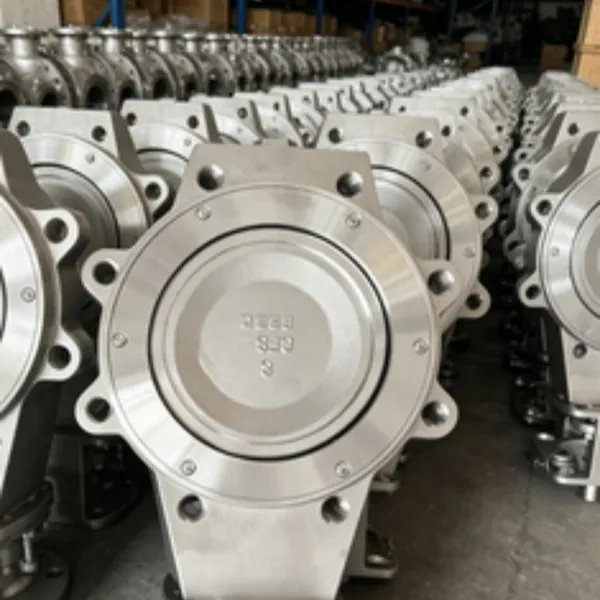
As a professional valve manufacturer established in 2016, Shanghai Zhibang Valve Manufacture Co., Ltd. specializes in providing high-performance fluid control solutions for demanding industrial applications. Our GB/T3037-94 Lug Butterfly Valve is engineered specifically for marine systems where reliability, corrosion resistance, and ease of maintenance are paramount. Designed to withstand a working pressure of 10 bar, this valve offers a robust and cost-effective solution for seawater cooling lines, ballast systems, fire mains, and other critical shipboard piping networks. With an annual export value exceeding US$1 million, we have proven our capability to meet the stringent requirements of international clients across diverse markets.
This lug-style butterfly valve is not just a component; it's a safeguard for your marine operations. Its design ensures a secure, bolted connection that allows for easy removal of downstream piping without system shutdown—a critical feature for maintenance in confined engine rooms. The valve's construction adheres to the Chinese national standard GB/T3037-94, which governs dimensions, pressure ratings, and testing for lug-type butterfly valves, ensuring interchangeability and reliable performance.
Core Features & Technical Advantages:
- Robust Lug Design: The valve features a lug-style body with threaded inserts or through-holes, enabling it to be installed between two flanges with bolts. This design creates a dead-tight seal and isolates the valve, making it ideal for end-of-line services or where periodic removal is necessary.
- Marine-Grade Material Selection: To combat the highly corrosive marine environment, we offer discs in Stainless Steel 316 or Aluminum Bronze. The seat materials, such as EPDM or Viton, are selected for compatibility with seawater, oils, and varying temperatures.
- Optimized Flow & Low Pressure Drop: The disc profile is designed to minimize turbulence and pressure loss when fully open, contributing to energy efficiency in pump-driven systems like cooling water circuits.
- Bubble-Tight Shut-off: The precision-machined disc and resilient seat combine to provide excellent sealing performance, achieving bubble-tight shut-off at 10 bar pressure, which is essential for system isolation.
- Multiple Actuation Options: The valve can be fitted with a manual lever, a worm gear operator for higher torque applications, or automated with pneumatic or electric actuators for remote control, integrating seamlessly into modern ship automation systems.
- Compact & Lightweight Construction: Compared to gate valves, our butterfly valve offers a significantly shorter face-to-face dimension and lighter weight, saving crucial space and weight onboard—a vital consideration in ship design.
Detailed Technical Specifications:
| Parameter | Specification |
| Design Standard | GB/T3037-94 |
| Pressure Rating | PN10 (10 Bar) |
| Size Range | DN50 (2") to DN600 (24") |
| Body Material | Cast Iron WCB, Ductile Iron, Cast Steel (WCC) |
| Disc Material | SS304, SS316, Aluminum Bronze, Ni-Al-Bronze |
| Seat Material | EPDM (Seawater), NBR (Oil), PTFE (High Temp) |
| Stem Material | Stainless Steel 410/416, 304, 316 |
| Temperature Range | -20°C to +120°C (depends on seat material) |
| Connection | Lug Type, RF Flange Face as per ANSI/ASME B16.5 or JIS |
| Operation | Lever Handle, Gear Operator, Pneumatic/ Electric Actuator |
Benefits for Your Marine Project:
- Enhanced System Maintainability: The lug design allows you to remove a pump or a section of pipe for service without draining the entire system, reducing downtime and labor costs.
- Superior Corrosion Resistance: Tailored material combinations resist pitting, crevice corrosion, and biofouling common in seawater, extending valve service life and reducing replacement frequency.
- Operational Reliability: Simple 90-degree operation, robust construction, and reliable sealing ensure consistent performance even under vibration and motion conditions at sea.
- Cost-Effectiveness: Offers a favorable balance between initial investment, installation cost, and long-term maintenance expenses compared to other valve types like ball or gate valves for large diameters.
- Global Compliance: While manufactured to GB standard, the valve's dimensions are compatible with common international flange standards, facilitating its use in global shipbuilding and repair yards.
Backed by our ISO9001:2015 quality management system certification, every valve undergoes rigorous pressure testing, material inspection, and operational checks before shipment. Our products have gained trust in major markets worldwide, including North America, Europe, Southeast Asia, and Africa, supported by efficient logistics from ports like Shanghai, Guangzhou, and Hong Kong. For your next marine system project, choose a valve partner that combines standardized design with customizable options to fit your specific needs. Contact us today for a detailed quotation, technical drawings, or to discuss your application requirements.
Frequently Asked Questions (FAQ):
Q1: What is the main advantage of a lug-style butterfly valve over a wafer-style in marine systems?
A: The lug design features threaded inserts or through-holes on the valve body. This allows the valve to be bolted directly between two pipe flanges, creating a structurally independent connection. In marine systems, this permits the isolation and removal of a section of piping (like a pump) without needing to support the downstream piping, which is a significant advantage for maintenance in tight engine room spaces.
Q2: Is this GB/T3037-94 valve compatible with ANSI or JIS flange standards?
A: Yes, it is. While the valve body dimensions follow the GB/T3037-94 standard, the flange facing (Raised Face - RF), drilling pattern, and pressure class (PN10 equivalent to Class 150) are manufactured to be compatible with common international standards like ANSI/ASME B16.5 Class 150 and JIS 10K. It's always recommended to provide your specific flange standard when ordering.
Q3: What seat material do you recommend for standard seawater service?
A: For continuous seawater service at temperatures up to 80°C, Ethylene Propylene Diene Monomer (EPDM) is a commonly recommended resilient seat material due to its excellent resistance to seawater, ozone, and weathering. For higher temperatures or specific chemical exposures, alternatives like PTFE or Viton can be considered.
Q4: Can this valve be supplied with actuators for automated control?
A> Absolutely. The valve is designed to be easily fitted with various actuators. We can supply and pre-assemble pneumatic (double-acting or spring-return) or electric actuators (on/off or modulating control) with necessary accessories like limit switches, solenoid valves, and positioners to meet your automation requirements.
Q5: What is the typical lead time for an order of these valves?
A: For standard material combinations and sizes within our DN50-DN600 range, the lead time is typically 15-30 days after order confirmation. For larger sizes, special materials, or automated packages, the lead time may be longer and will be confirmed upon inquiry. We maintain strategic inventory for common sizes to expedite urgent needs.
Q6: Do you provide test reports and certifications with the valves?
A: Yes. Each valve shipment is accompanied by a manufacturer's test certificate which includes details of the hydrostatic shell test (per GB/T13927 or API 598 standard) and a material certificate. Our factory operates under an ISO9001 certified quality system, ensuring traceability and consistent quality.
Q7: How does the pressure rating of PN10 (10 bar) relate to different media like seawater or air?
A> The PN10 rating indicates a maximum allowable working pressure of 10 bar (approximately 145 psi) for water at 20°C. For other media like air, oil, or seawater, the pressure rating remains the same unless the fluid's properties (like viscosity or corrosivity) or temperature significantly differ. The valve's design accounts for the pressure containment of the body and the sealing capability of the seat.
Q8: What kind of maintenance does this butterfly valve require in marine service?
A: Maintenance requirements are minimal. Periodic visual inspection for external corrosion, checking the operation for smooth 90-degree travel, and ensuring the stem packing (if adjustable) is not leaking are recommended. The resilient seat is designed for long life but is replaceable in some models if wear occurs after extended cycling. We provide maintenance manuals with the product.

Send Inquiry to This Supplier



You May Also Like
-
GB/T3037-94 Compliant Marine Butterfly Valve With Mill Test ReportNegotiableMOQ: 10 Units
-
GB/T3037-94 Marine Lug Butterfly Valve With Extended 2-Year WarrantyNegotiableMOQ: 10 Units
-
GB/T3037-94 Large Bore 200mm Lug Butterfly Valve for Main Line IsolationNegotiableMOQ: 10 Units
-
GB/T3036-94 Semi-Lug Butterfly Valve for Seawater Cooling Systems on VesselsNegotiableMOQ: 10 Units
-
GB/T3036-94 Standard Semi-Lug Butterfly Valve With EPDM Seat for Corrosion ResistanceNegotiableMOQ: 10 Units
-
GB/T3036-94 Marine Butterfly Valve With Extended Shaft for Insulated PipelinesNegotiableMOQ: 10 Units
-
GB/T3036-94 Semi-Lug Butterfly Valve With Mill Test Report for Material VerificationNegotiableMOQ: 10 Units
-
GB/T3036-94 Flanged Semi-Lug Butterfly Valve for Offshore Platform ApplicationsNegotiableMOQ: 10 Units
-
GB/T3036-94 Marine Semi-Lug Butterfly Valve With 316 Stainless Steel DiscNegotiableMOQ: 10 Units
-
Low Torque Operation GB/T3036-94 Semi-Lug Butterfly Valve With PTFE Coated DiscNegotiableMOQ: 10 Units


