








 Contact Platform Support
 Help Center
Low Voltage Reactive Power Compensation Cabinet for Large-Scale Manufacturing Plant Power Grids
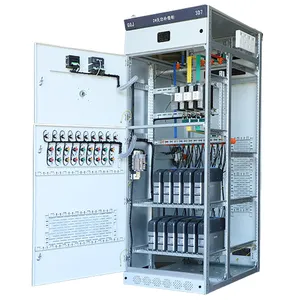
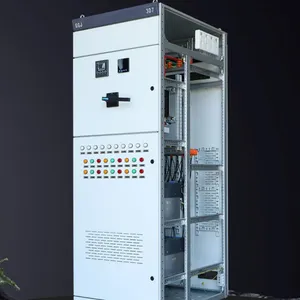
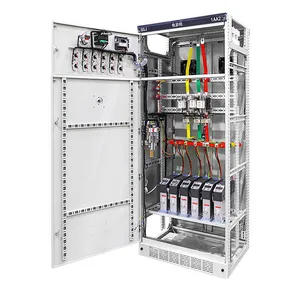
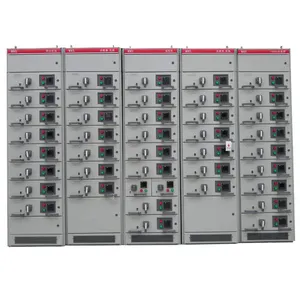
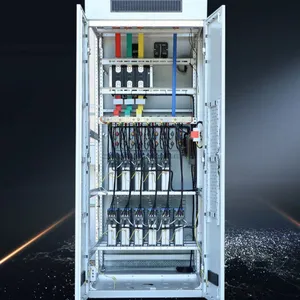
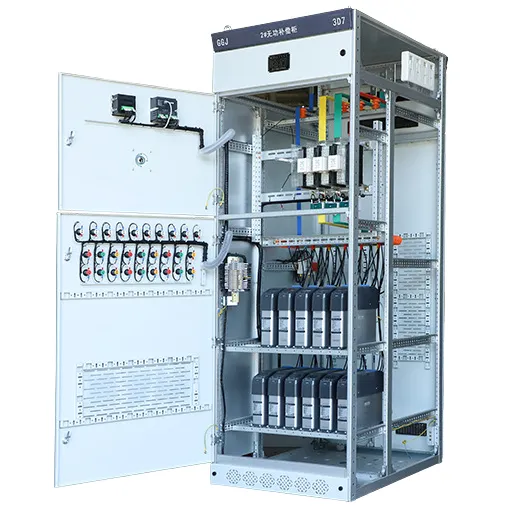
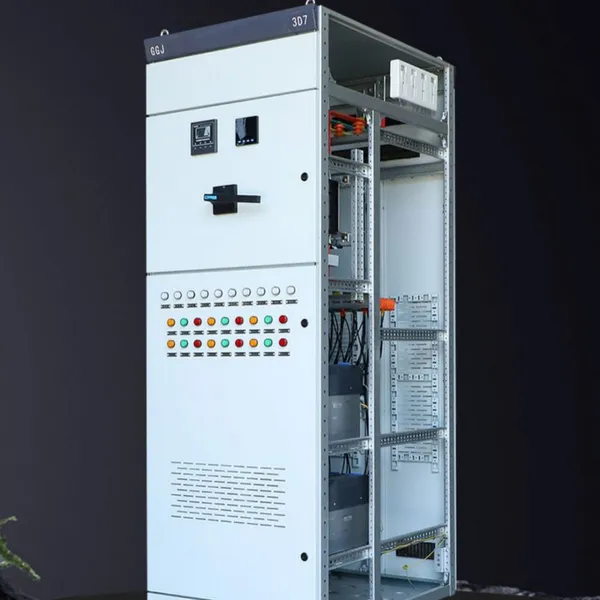
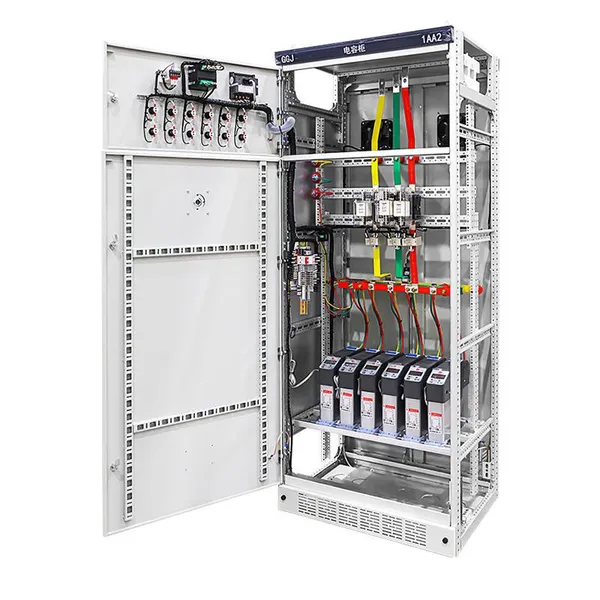
Product Spotlights



Related Products
-
 Low Voltage Reactive Power Compensation Cabinet 380V-415V With Automatic Switching and ProtectionUS$ 800 - 2000MOQ: 1 Unit
 -
Low Voltage Reactive Power Compensation Cabinet With 2-Year Warranty and Technical SupportUS$ 800 - 2000MOQ: 1 Unit
-
Low Voltage Reactive Power Compensation Cabinet With Remote Monitoring and Diagnostic ServiceUS$ 800 - 2000MOQ: 1 Unit
-
Low Voltage Reactive Power Compensation Cabinet 380V-415V PLC Controlled Capacitor BankUS$ 800 - 2000MOQ: 1 Unit
-
Custom Control Panel for Outdoor Wastewater Treatment Plant Motor Management SystemsUS$ 100 - 1000MOQ: 10 Units
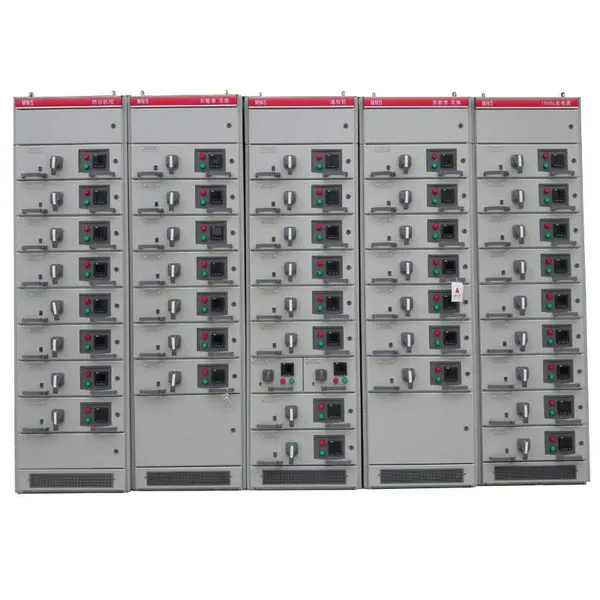
As a specialized manufacturer of electrical equipment, Jinhua Dika Electrical Equipment Co., Ltd. designs and produces the Low Voltage Reactive Power Compensation Cabinet specifically for the demanding power grids of large-scale manufacturing plants. Our solution directly addresses the critical issue of poor power factor, which leads to inefficient energy usage, increased electricity costs, and potential penalties from utility providers. By implementing our cabinet, plants can achieve significant operational savings, enhance grid stability, and ensure the reliable performance of sensitive machinery.
The core value of our product lies in its ability to automatically and dynamically compensate for reactive power, bringing the power factor close to unity. This is not just about saving money; it's about optimizing the entire electrical infrastructure for peak performance, reducing strain on transformers and cables, and minimizing voltage drops that can disrupt production.
Key Features & Technical Specifications:
- Advanced Control System: The cabinet is equipped with a high-precision microprocessor controller that continuously monitors the grid's reactive power demand. It intelligently switches capacitor banks in and out to maintain an optimal power factor, typically aiming for values above 0.95.
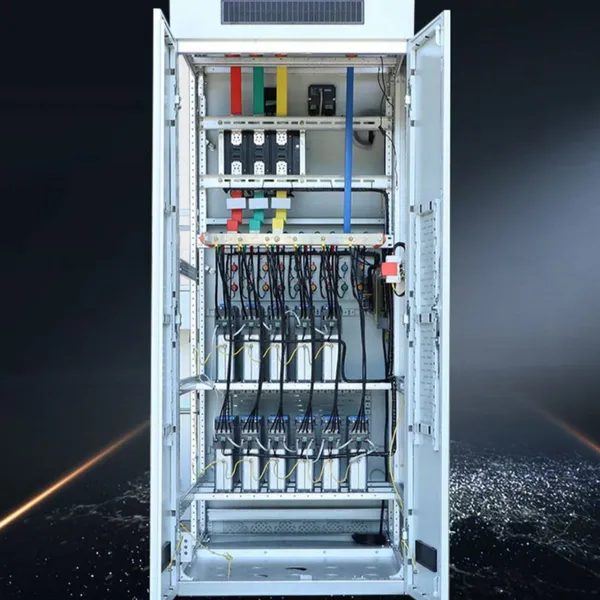
- Robust Capacitor Banks: We utilize high-quality, low-loss capacitors designed for industrial environments. These capacitors are configured in multi-stage banks, allowing for granular compensation steps to match load variations precisely.
-
Enhanced Protection & Safety: The system incorporates multiple layers of protection:
- Overcurrent and short-circuit protection for capacitor banks.
- Overvoltage and undervoltage monitoring to prevent capacitor damage.
- Temperature sensors and ventilation control to ensure safe operating conditions within the cabinet.
- Discharge circuits to safely de-energize capacitors when disconnected.
- Flexible Configuration & Communication: Our cabinets are designed to be customizable. Key parameters like target power factor, step priorities, and switching delays can be set via the controller interface. An optional communication module (e.g., RS485 with Modbus protocol) allows for integration into plant-wide SCADA or energy management systems for remote monitoring and control.
- Durable Construction: The cabinet is built from sturdy steel with a protective finish, suitable for industrial environments. Internal layout is optimized for easy maintenance, accessibility of components, and efficient heat dissipation.
Technical Parameters Table (Typical Configuration):
| Parameter | Specification / Range |
| Rated Voltage | 400V AC, 690V AC (Customizable) |
| Total Compensation Capacity | From 50 kVAR to 1000+ kVAR (Scalable) |
| Compensation Steps | 6 to 12 steps (or more based on design) |
| Control Method | Microprocessor-based, 4-quadrant measurement |
| Switching Device | Contactor or thyristor switch (Optional) |
| Communication | Optional RS485, Modbus RTU |
| Operating Temperature | -5°C to +45°C |
| Cabinet Protection Degree | IP20 (Indoor standard) |
Benefits for Your Manufacturing Plant:
- Reduced Energy Costs: Improves power factor, lowering reactive power charges and minimizing utility penalties. Directly reduces apparent power demand, potentially allowing for downsizing of supply equipment.
- Increased Grid Capacity & Stability: By compensating reactive power, the effective current flowing through transformers and cables is reduced. This decreases losses, minimizes voltage drops, and frees up capacity for additional productive loads.
- Enhanced Equipment Life & Reliability: A stable voltage profile and reduced harmonic stress (with optional filters) contribute to longer lifespans for motors, drives, and other sensitive equipment.
- Compliance & Operational Efficiency: Helps meet utility power factor requirements and supports overall plant energy management initiatives.
- Scalable & Future-proof: The modular design allows capacity to be added as the plant expands or load patterns change.
Jinhua Dika Electrical Equipment Co., Ltd. brings proven manufacturing expertise to this critical product. With an annual export value reflecting our global reach and a portfolio of management system certifications guiding our processes, we ensure consistent quality and reliability. Our cabinets are shipped from major Chinese ports, facilitating smooth logistics to our main markets worldwide, including North America, Europe, and Southeast Asia. This Low Voltage Reactive Power Compensation Cabinet is more than a component; it's a strategic investment in your plant's electrical health and economic efficiency. Let us help you optimize your power grid. Contact us today for a detailed consultation or to request a customized quotation tailored to your specific plant's load profile and requirements.
Frequently Asked Questions (FAQ):
-
Q: What is the typical payback period for installing this compensation cabinet?
A: The payback period depends on your plant's existing power factor, load profile, and local utility tariff structure. In many cases with poor initial power factors, the reduction in reactive power charges and penalties can lead to a payback within 1 to 2 years through direct energy cost savings. -
Q: Can this cabinet handle rapidly changing loads, like those from heavy machinery cycling?
A: Yes. The advanced controller with fast sampling rates and the use of suitable switching devices (like thyristor switches) allow for rapid response to load changes, maintaining stable compensation even with dynamic loads. -
Q: Does the system require regular maintenance?
A: Maintenance requirements are minimal. The controller is largely self-monitoring. Periodic visual inspections, checking for loose connections, and ensuring ventilation paths are clear are recommended. Capacitors have a long service life under normal operating conditions. -
Q: Can it be integrated with our existing plant monitoring system?
A: Absolutely. The optional communication interface (e.g., Modbus RTU over RS485) is designed for such integration. It allows you to monitor power factor, compensation status, alarm signals, and other data remotely from your SCADA or EMS. -
Q: What happens if a capacitor step fails? Will the whole system stop?
A: The system is designed with redundancy. If one capacitor step fails or is disconnected by the protection system, the controller will simply exclude it from the switching sequence and continue compensating with the remaining healthy steps. An alarm will be generated to alert maintenance personnel. -
Q: Is harmonic filtering included or available?
A: Standard cabinets focus on reactive power compensation. However, harmonic pollution is a common concern. We offer optional harmonic filter modules that can be integrated into the cabinet design to mitigate specific harmonic frequencies, protecting both the capacitors and your grid. -
Q: How do we determine the required compensation capacity for our plant?
A: We recommend conducting a preliminary power quality audit. This involves measuring the existing power factor and reactive power demand over a representative period. Based on this data and your future expansion plans, we can propose an appropriately sized and configured cabinet. Our team can assist with audit guidance. -
Q: Are the components inside the cabinet from reputable brands?
A: We use components from reliable suppliers to ensure performance and durability. Specific brands for capacitors, controllers, and switches can be discussed during customization to meet your preferences or compatibility requirements.

Send Inquiry to This Supplier



You May Also Like
-
Custom Outdoor Motor Control Cabinet With Comprehensive Wiring Diagram and 18-Month WarrantyUS$ 100 - 1000MOQ: 10 Units
-
OEM Outdoor Waterproof Electrical Panel With Full Mill Test Report and On-Site SupportUS$ 100 - 1000MOQ: 10 Units
-
Customized Outdoor Electrical Distribution Panel With Modular Circuit Breakers and IP66 RatingUS$ 100 - 1000MOQ: 10 Units
-
OEM/ODM Customized Outdoor Waterproof Motor Control Cabinet With IP65 EnclosureUS$ 100 - 1000MOQ: 10 Units
-
Outdoor Waterproof Motor Control Cabinet for Mining and Quarrying Equipment ApplicationsUS$ 100 - 1000MOQ: 10 Units
-
ODM Outdoor Waterproof Control Cabinet With Touchscreen HMI and Remote Monitoring CapabilityUS$ 100 - 1000MOQ: 10 Units
-
Heavy-Duty Outdoor Motor Control Cabinet Custom Built With Stainless Steel HousingUS$ 100 - 1000MOQ: 10 Units
-
OEM Outdoor Waterproof MCC Panel Customized for Industrial Pump Control SystemsUS$ 100 - 1000MOQ: 10 Units
-
Custom Outdoor Waterproof Electrical Control Cabinet With PLC Integration and VFD OptionsUS$ 100 - 1000MOQ: 10 Units
-
KYN28A Series Power Distribution Cabinet With Factory Test Reports and Installation GuideUS$ 1200MOQ: 1 Unit


